Categories
Environment & Sustainability Hearing Health

Noise Pollution: A Global Threat to Hearing Wellness

Last Updated on 10/05/2025 by Admin

Comprehensive Exploration of Noise Pollution and Its Impact on Hearing

Defining Noise Pollution: Key Concepts and Major Contributors

Noise pollution constitutes a significant environmental concern, characterised by excessive sound levels emanating from various sources that can detrimentally affect hearing health on a global scale. This issue infiltrates daily life across diverse settings, ranging from the vibrant hustle of urban centres to the quieter suburbs. Essential contributors to noise pollution include traffic noise, industrial activities, construction projects, loud music, and even amplified natural sounds resulting from human interaction. As urbanisation progresses, this environmental challenge grows increasingly visible, affecting both developed and developing regions. The pervasive nature of noise pollution highlights its critical relevance for healthcare professionals, urban planners, and the wider community.

Studies reveal that the primary culprits behind noise pollution are road traffic, rail systems, and air traffic. The noise produced by entertainment venues and recreational activities also warrants attention. Events such as concerts, nightclubs, and sports events can generate considerable noise levels, posing both immediate and chronic threats to hearing health. As urban populations surge, managing noise pollution becomes increasingly complex. The growing demands for efficient transportation and entertainment create a challenging environment for auditory well-being. It is vital to address these sources through community education and engagement, fostering a deeper awareness of the implications of noise pollution.

Accurate Measurement of Noise Levels: A Step Towards Greater Awareness

To understand the detrimental effects of noise pollution on hearing, precise measurement of noise levels is essential. Noise is quantified using the decibel (dB) scale, which gauges sound intensity. Prolonged exposure to sound levels exceeding 85 dB is widely regarded as harmful to hearing health. This threshold raises significant concerns since common sources—such as heavy traffic, construction sites, and amplified music—frequently surpass this limit in urban environments. For instance, a typical motorcycle can produce noise levels of 95 dB, while a rock concert can peak at an alarming 120 dB, placing attendees’ hearing at substantial risk.

Grasping decibel measurements is crucial for enhancing public awareness and shaping effective policies. These measurements help identify environments where sound levels exceed acceptable limits, facilitating targeted interventions. Various nations have established guidelines aimed at maintaining acceptable noise levels in public spaces and workplaces. The World Health Organization (WHO) recommends that nighttime noise levels remain below 40 dB to promote healthy sleep, illustrating the global consensus on the necessity of managing sound exposure.

Technological advancements have enabled continuous noise monitoring, equipping communities with the ability to track their acoustic environments in real-time. Such systems not only assist individuals in recognising high-noise areas but also empower advocacy groups with the data necessary to push for regulatory reforms. By utilising noise measurement technologies, communities around the world can advocate for healthier living conditions and mitigate the adverse impacts of sound pollution.

Common Exposure Scenarios: Where Noise Pollution Affects Hearing

Everyday environments significantly shape how noise pollution impacts hearing health. Traffic serves as a primary source, with urban residents often exposed to the relentless clatter of vehicles. Cities like Tokyo, New York, and Mumbai epitomise this challenge, where the continuous sounds of car horns, sirens, and construction create a constant auditory backdrop. Individuals commuting within these bustling cities frequently encounter soundscapes that reach hazardous decibel levels, increasing their risk of hearing impairment.

The workplace also plays a significant role in exposure scenarios. Industries such as manufacturing and construction often involve high-decibel machinery that creates considerable auditory strain. Workers in these environments frequently encounter challenges due to insufficient protective measures against noise. For example, construction sites may utilise equipment that exceeds 90 dB, highlighting the necessity for effective hearing conservation programmes to protect employees from lasting hearing loss.

Entertainment venues present another critical exposure scenario. Concerts, festivals, and cinemas, while enjoyable, expose attendees to potentially hazardous sound levels. Research indicates that prolonged exposure to loud music can result in irreversible hearing damage, making education and protective measures vital for both concertgoers and venue operators. By understanding these common exposure scenarios, individuals can take proactive steps to safeguard their hearing health.

Evaluating the Health Consequences of Noise Pollution

The health repercussions of noise pollution extend well beyond hearing loss; they encompass a broad spectrum of physiological and psychological effects. Chronic exposure to excessive noise can trigger stress responses within the body, activating the fight-or-flight response. This sustained stress correlates with elevated cortisol levels, leading to chronic health conditions such as hypertension, heart disease, and even strokes. The relationship between noise and cardiovascular health is becoming a pressing concern, particularly for urban populations, underscoring the need for effective interventions.

Sleep disturbances represent another significant consequence of noise pollution, affecting a considerable segment of the global population. Noisy environments can disrupt sleep cycles, resulting in insomnia and decreased sleep quality, thereby impacting cognitive function and overall health. Studies conducted in densely populated cities have established a direct correlation between elevated nighttime noise levels and increased instances of sleep disorders. Long-term sleep deprivation can lead to fatigue, reduced cognitive performance, and heightened susceptibility to mental health challenges.

The psychological effects of noise pollution are profound. Chronic noise exposure correlates with increased rates of anxiety and depression, particularly among vulnerable groups such as children and the elderly. The constant influx of sound can induce feelings of agitation and irritability, negatively affecting interpersonal relationships and diminishing overall quality of life. A comprehensive understanding of the diverse health impacts of noise pollution is crucial for developing effective public health strategies aimed at alleviating this widespread issue.

Strategies for Effectively Mitigating Noise Pollution

Addressing the pervasive challenge of noise pollution necessitates a multifaceted approach. Innovative urban planning strategies play a pivotal role in reducing noise exposure. Incorporating green spaces and sound barriers into city designs can significantly alleviate the impacts of noise, fostering more tranquil environments. Cities worldwide are beginning to acknowledge the advantages of integrating parks and natural buffers that absorb sound, ultimately enhancing residents’ quality of life.

Regulatory measures are equally vital for effectively managing noise levels. Governments can establish and enforce noise abatement regulations that impose strict limits on sound emissions from industrial sources, construction activities, and nightlife venues. For example, cities such as Copenhagen have successfully enacted noise regulations prioritising public health, fostering urban soundscapes conducive to well-being.

Public awareness campaigns are essential for encouraging community involvement in noise pollution reduction efforts. Educating citizens about the hazards of noise pollution empowers them to advocate for change. Schools, workplaces, and organisations can promote awareness through workshops and informational sessions, emphasising preventive behaviours such as using ear protection and minimising overall noise levels in personal and public spaces.

Ultimately, effective strategies for mitigating noise pollution require collaboration among governments, communities, and individuals. By prioritising sound management, we can cultivate healthier and more harmonious living environments around the globe.

Understanding the Mechanisms of Hearing Damage Caused by Noise

Investigating the Physical Impact of Loud Noises on the Ear

The ear’s intricate structures are exceptionally sensitive to sound waves, and exposure to loud noises can inflict physical damage. Sound travels through the air as vibrations, and when these vibrations exceed safe levels, they can harm the delicate hair cells in the cochlea. These hair cells are crucial for converting sound vibrations into electrical signals that the brain interprets as sound. Prolonged exposure to loud noises can lead to a condition known as acoustic trauma, resulting in the destruction of these essential cells.

When hair cells sustain damage, the brain’s ability to perceive sound diminishes, resulting in varying degrees of hearing loss. This process may not occur immediately; initial exposure can trigger temporary threshold shifts, where hearing temporarily decreases but may recover. Repeated exposure to high noise levels can culminate in irreversible hearing loss, significantly impacting an individual’s quality of life. For instance, construction workers who regularly operate heavy machinery without adequate hearing protection may experience gradual auditory decline, emphasising the importance of preventive measures.

The physical consequences of noise extend beyond mere hearing loss. It can lead to conditions such as tinnitus, characterised by ringing or buzzing in the ears. Tinnitus can be debilitating, interfering with concentration, sleep, and overall mental health. The likelihood of developing tinnitus increases with the intensity and duration of noise exposure, highlighting the urgent need for awareness and protective strategies.

Recognising Noise-Induced Hearing Loss (NIHL)

Noise-induced hearing loss (NIHL) is a prevalent global health issue that affects individuals across all age groups and demographics. This condition arises from exposure to harmful noise levels, whether suddenly from explosions or gunfire, or gradually from prolonged exposure to loud environments. NIHL is particularly insidious, as it often develops unnoticed over time, resulting in irreversible auditory damage before individuals realise their hearing abilities are declining.

The prevalence of NIHL is alarming, with the World Health Organization estimating that 1.1 billion young people are at risk due to unsafe listening habits, such as using headphones at high volumes. The impact of modern technology, including personal audio devices and noisy entertainment venues, has exacerbated this issue. For example, attending music festivals or concerts where sound levels exceed 100 dB can lead to significant auditory damage, even after just one exposure.

The effects of NIHL are not uniform; they may manifest differently based on age, gender, and genetic predispositions. Younger individuals, particularly adolescents and young adults, may exhibit heightened vulnerability to hearing loss as their auditory systems continue to develop. Conversely, older adults may experience compounded hearing loss due to age-related factors, rendering them more susceptible to the repercussions of noise exposure.

Preventing NIHL relies on awareness and proactive measures. Implementing hearing conservation programmes in workplaces, mandating the use of protective equipment, and promoting public education about safe listening practices can help mitigate the risks associated with noise exposure. By prioritising prevention, we can shield future generations from experiencing the devastating consequences of noise-induced hearing loss.

Differentiating Between Temporary and Permanent Effects of Noise

The effects of noise on hearing can be categorised into temporary and permanent outcomes, each carrying implications for auditory health. Temporary effects often manifest as a temporary threshold shift, where individuals experience a short-term reduction in hearing sensitivity after exposure to loud sounds. This condition may result in a muffled sensation in the ears, creating an unsettling experience. Fortunately, these effects usually resolve after a period of quiet, with hearing generally returning to baseline levels.

The potential for temporary effects to develop into permanent hearing loss presents a critical concern in the context of cumulative noise exposure. Repeated instances of temporary threshold shifts can result in irreversible damage, particularly when individuals neglect to take appropriate precautions. For example, frequent attendance at loud concerts without ear protection can gradually diminish hearing sensitivity, transforming temporary effects into lasting impairment.

Understanding the distinction between temporary and permanent effects is vital for individuals at risk of noise exposure. Education on safe listening practices and recognition of the long-term consequences of repeated exposure to loud sounds can empower individuals to prioritise their hearing health. By acknowledging the dangers associated with even brief periods of loud noise, individuals can take proactive measures to protect their auditory well-being.

As communities continue to confront the challenges posed by noise pollution, recognising the spectrum of auditory effects is essential for fostering a culture of hearing protection. Implementing strategies to minimise exposure to damaging sounds, alongside educational initiatives, can significantly reduce the prevalence of both temporary and permanent hearing loss globally.

Health Implications of Noise Pollution Beyond Hearing Loss

The Relationship Between Noise Pollution, Stress, and Cardiovascular Health

The impact of noise pollution on health extends beyond the auditory system, with significant implications for stress levels and cardiovascular well-being. Chronic exposure to elevated noise levels triggers physiological stress responses, activating the body’s sympathetic nervous system. This response results in increased heart rate, elevated blood pressure, and the release of stress hormones such as cortisol. Over time, these persistent stress responses can lead to serious cardiovascular issues, including hypertension, heart disease, and strokes.

Research has established a clear connection between noise exposure and cardiovascular health outcomes. Studies conducted in urban settings indicate that individuals living near busy roadways or industrial areas experience higher rates of cardiovascular diseases compared to those in quieter locales. For example, a comprehensive study in Europe found that long-term exposure to traffic noise was associated with a 25% increase in the risk of heart disease. Such findings underscore the urgent need for targeted interventions to mitigate noise pollution in high-risk areas.

The interplay between noise pollution and stress highlights the pressing need for public health initiatives. Communities must prioritise sound management strategies to create healthier environments. This may involve urban planning that incorporates noise-reducing elements, such as green spaces and sound barriers, coupled with public policies aimed at regulating industrial and transportation noise. By addressing the root causes of noise pollution, we can mitigate its negative effects on cardiovascular health and enhance overall community well-being.

The Impact of Noise Pollution on Sleep Quality

Sleep disturbances rank among the most insidious consequences of noise pollution, significantly affecting individuals’ overall health and well-being. Excessive noise during nighttime can disrupt sleep cycles, leading to insomnia, reduced sleep quality, and chronic fatigue. The World Health Organization emphasises that nighttime noise levels should remain below 40 dB to promote healthy sleep; however, many urban areas fail to meet this standard, subjecting residents to persistent auditory disturbances.

The repercussions of noise on sleep extend beyond mere annoyance; they can provoke profound physiological effects. Disrupted sleep patterns can precipitate a cascade of negative health outcomes, including impaired cognitive function, decreased productivity, and increased susceptibility to chronic diseases. Research has shown that individuals exposed to high noise levels during sleep experience diminished REM sleep, a critical phase for cognitive restoration and emotional regulation.

Vulnerable populations such as children and the elderly may be disproportionately affected by sleep disturbances caused by noise pollution. Children require consistent sleep for cognitive and physical development, while seniors often exhibit heightened sensitivity to noise. The cumulative effects of disrupted sleep can exacerbate existing health issues, leading to a vicious cycle of declining health.

Mitigating sleep disturbances necessitates a multifaceted approach. Communities can implement noise abatement strategies, including soundproofing buildings and promoting quiet zones in urban areas. Public awareness campaigns can educate residents about the importance of maintaining a quiet environment during nighttime hours. By prioritising sleep health and managing noise pollution, we can enhance the overall quality of life for individuals worldwide.

Examining the Mental Health Effects of Noise Pollution

The mental health implications of noise pollution are increasingly recognised as a critical area of concern. Prolonged exposure to elevated noise levels has been linked to heightened rates of anxiety, depression, and overall psychological distress. The incessant barrage of sound can generate a sense of overwhelming agitation, contributing to increased stress levels and negative emotional states.

Research indicates that individuals residing in high-noise environments report higher levels of mental health issues compared to those in quieter areas. For instance, a study conducted in urban settings found that residents near busy highways exhibited significantly higher rates of anxiety and depressive symptoms. The psychological toll of noise pollution is particularly pronounced among vulnerable populations, including low-income communities, where access to quiet spaces and mental health resources may be limited.

Addressing the mental health effects of noise pollution requires a comprehensive and community-driven strategy. Initiatives that promote quiet spaces, such as parks and recreational areas, can serve as vital sanctuaries for individuals seeking relief from noise. Public health campaigns aimed at increasing awareness of the mental health ramifications of noise can empower individuals to advocate for change within their communities.

Promoting mental well-being in relation to noise pollution is essential for cultivating healthier living environments. By understanding the intricate relationship between sound and mental health, communities can collaboratively work to reduce noise exposure and foster resilience among residents.

Cognitive Decline Associated with Noise Pollution

Prolonged exposure to noise pollution has been shown to impair cognitive function, affecting attention, memory, and overall cognitive performance. The cognitive effects of noise are especially concerning in educational contexts, where students are often subjected to distracting sounds that hinder their learning capabilities. Research consistently indicates that children in noisy environments score lower on cognitive assessments, underscoring the detrimental effects of noise on academic performance.

The mechanisms underlying cognitive impairment related to noise exposure are complex. Distractions caused by loud sounds can impede concentration, making it difficult for individuals to process information effectively. For instance, a study conducted in urban schools revealed that students exposed to high ambient noise levels demonstrated reduced attention spans and lower test scores compared to their peers in quieter environments. This phenomenon highlights the necessity for targeted interventions to reduce noise pollution in educational settings.

The implications of cognitive impairment extend beyond childhood; adults exposed to chronic noise may also experience declines in cognitive function. Aging populations, in particular, may undergo accelerated cognitive decline when subjected to prolonged noise exposure. The intersection of noise pollution and cognitive health underscores the urgency of addressing this public health challenge.

Communities can implement strategies to minimise noise exposure in educational and occupational settings, such as soundproofing classrooms and creating quiet zones in workplaces. By prioritising cognitive health and fostering quieter environments, we can enhance learning outcomes and overall cognitive performance for individuals of all ages.

Identifying Populations at Risk from Noise Pollution

The Specific Challenges Faced by Children and Adolescents

Children and adolescents represent some of the most vulnerable populations regarding the effects of noise pollution on hearing health. Their developing auditory systems render them particularly susceptible to noise-induced hearing loss (NIHL), with studies indicating that exposure to loud environments during formative years can lead to permanent auditory damage. Schools located near busy roads or construction sites often expose students to hazardous noise levels, necessitating urgent intervention.

The widespread use of personal audio devices also poses a significant risk to younger individuals. Many children and teenagers engage in unsafe listening practices, such as using headphones at elevated volumes. The World Health Organization has raised alarms about the increasing number of young people at risk for hearing loss due to these behaviours, emphasising the need for education on safe listening practices. Schools and communities can play a crucial role in promoting awareness and implementing programmes that encourage healthy auditory behaviours.

The impact of noise pollution on children extends beyond hearing loss. Research indicates that chronic exposure to high noise levels can impede cognitive development, adversely affecting academic performance and emotional well-being. Children exposed to elevated noise levels are often more vulnerable to anxiety and behavioural issues, highlighting the urgent need to address environmental factors that contribute to their distress.

Protecting children from the harmful effects of noise pollution demands a collaborative effort from parents, educators, and policymakers. By advocating for quieter learning environments, promoting safe listening habits, and raising awareness of the risks associated with noise exposure, we can safeguard the auditory health of future generations.

The Elderly and Their Increased Vulnerability to Noise Pollution

Elderly individuals face unique challenges regarding noise pollution and hearing health. Age-related hearing loss, known as presbycusis, affects a significant portion of the older population, rendering them more susceptible to the adverse effects of noise exposure. Research indicates that older adults frequently experience a decline in auditory sensitivity, amplifying the risk of noise-induced hearing loss when exposed to loud environments.

Cognitive decline associated with aging can be exacerbated by noise pollution. Studies have shown that older adults living in noisy settings face a heightened risk of developing cognitive impairments, including memory loss and decreased attention spans. The cumulative effects of hearing loss and cognitive decline can considerably impact their quality of life, leading to social isolation and reduced engagement in daily activities.

Addressing the needs of elderly individuals regarding noise pollution requires a multifaceted approach. Communities can implement strategies to create quieter living environments, such as soundproofing residential buildings and promoting the use of hearing aids. Public health initiatives can raise awareness about the importance of protecting hearing health among older adults, urging them to seek regular hearing evaluations and adopt protective measures in noisy settings.

By prioritising the needs of elderly individuals in discussions surrounding noise pollution, we can cultivate environments that support their auditory and cognitive health, thereby enhancing their overall quality of life.

Occupational Groups at Risk for Noise-Induced Hearing Loss

Workers in noisy environments, particularly in the construction, manufacturing, and entertainment sectors, face increased risks of noise-induced hearing loss (NIHL). These occupational groups are frequently exposed to sound levels that exceed safe limits, making effective hearing conservation programmes essential. For instance, construction workers operating heavy machinery often encounter noise levels ranging from 85 to 120 dB, necessitating protective measures to preserve their auditory health.

The consequences of occupational noise exposure can be severe and long-lasting. Many workers experience gradual hearing loss over time due to cumulative exposure, leading to irreversible auditory damage that affects both their professional and personal lives. The psychological toll of living with hearing loss can be profound, resulting in increased stress and decreased job satisfaction.

Implementing effective hearing conservation programmes in high-risk workplaces is crucial for protecting employees. These programmes should encompass regular hearing assessments, mandatory use of hearing protection, and education on safe listening practices. Employers must foster a culture of awareness regarding noise exposure, encouraging workers to prioritise their auditory health.

By acknowledging the unique challenges faced by occupational groups exposed to noise pollution, we can develop targeted strategies to mitigate risks and promote a healthier workforce. Advocacy for improved regulations and workplace practices is essential for ensuring the long-term hearing health of those in high-risk occupations.

Preventive Strategies Against Noise Pollution

Highlighting the Importance of Protective Equipment

One of the most effective strategies to combat noise pollution and its harmful effects on hearing is the use of protective equipment. Earplugs and earmuffs serve as critical barriers against loud sounds, significantly reducing exposure to potentially damaging noise levels. In various environments, from concert venues to construction sites, these devices can greatly diminish the risk of noise-induced hearing loss (NIHL).

Earplugs are particularly beneficial for individuals frequently encountering loud environments, such as musicians or factory workers. These small, portable devices can be easily inserted into the ears to lower sound intensity, enabling users to participate in their activities while safeguarding their hearing health. Earmuffs, on the other hand, provide a more comprehensive shield against noise, enveloping the entire ear to effectively block sound. They are often used in industrial settings where noise levels can reach dangerous levels for extended periods.

Promoting the use of protective equipment necessitates awareness and education. Employers in high-noise industries must ensure that workers receive the necessary gear and training regarding the importance of hearing conservation. Music venues and event organisers can implement policies encouraging attendees to wear ear protection, especially during high-decibel performances.

By prioritising the use of protective equipment, individuals can take proactive steps to safeguard their hearing health. This straightforward measure can significantly reduce the risks associated with noise exposure, fostering a culture of awareness and prevention.

Implementing Effective Noise Reduction Strategies

Implementing noise reduction strategies is crucial for minimising the impact of noise pollution on communities and individuals. One effective approach involves soundproofing high-risk areas, such as schools, hospitals, and residential buildings. Employing materials designed to absorb or block sound can significantly reduce noise levels, creating more peaceful environments conducive to health and well-being.

Urban planning plays a pivotal role in noise reduction. Cities can integrate green spaces and noise barriers into their designs, effectively shielding residential areas from the cacophony of traffic and industrial activities. For instance, cities like Amsterdam have successfully utilised sound barriers along busy highways to protect nearby neighbourhoods from excessive noise, thereby enhancing residents’ quality of life.

Public transportation systems can also adopt measures to lessen noise pollution. Implementing quieter technologies in buses and trains, along with ensuring proper maintenance of vehicles, can contribute to lowering overall sound levels in urban environments. Community engagement initiatives that encourage residents to advocate for noise reduction measures can foster a collaborative approach to addressing this pervasive issue.

Ultimately, the implementation of noise reduction strategies requires a collective effort from governments, urban planners, and communities. By prioritising sound management, we can create healthier and more harmonious living environments worldwide.

Enhancing Public Awareness and Education on Noise Pollution

Raising public awareness about the dangers of noise pollution is a crucial component of effective prevention strategies. Education plays a vital role in empowering individuals to understand the risks associated with excessive noise exposure and to take proactive measures to protect their hearing health. Through community outreach programmes, schools, and public health initiatives, individuals can be informed about safe listening practices and the significance of noise management.

Educational campaigns can address various facets of noise pollution, including its causes, effects, and preventive measures. Schools can integrate noise awareness into their curricula, teaching students about safe listening habits and the importance of safeguarding their hearing from an early age. Community workshops can provide valuable information on noise reduction strategies and the use of protective equipment, fostering a culture of awareness and responsibility.

Leveraging technology and social media platforms can amplify awareness efforts. Engaging content, such as videos and infographics, can effectively communicate the risks of noise pollution and promote safe practices. By utilising these modern tools, public health organisations can reach a broader audience and encourage individuals to take action in their communities.

Ultimately, public awareness and education are key to fostering a culture of prevention regarding noise pollution. By prioritising education, we can empower individuals to make informed choices about their auditory health and advocate for healthier environments.

Exploring Technological Innovations to Combat Noise Pollution

Utilising Noise-Cancelling Devices for Enhanced Auditory Experiences

Advancements in technology have paved the way for innovative solutions to combat noise pollution, with noise-cancelling devices leading the charge. These devices employ sophisticated algorithms to identify and counteract ambient noise, providing users with a more serene auditory experience. Noise-cancelling headphones, for instance, are increasingly popular among individuals seeking refuge from loud environments, whether on public transport or in bustling offices.

The technology behind noise-cancelling devices involves microphones that detect external sounds and generate sound waves that are phase-inverted to cancel them out. This innovative approach allows users to enjoy their music or podcasts without the intrusion of surrounding noise, significantly reducing the risk of hearing damage associated with high-volume listening. For those working in noisy settings, noise-cancelling headphones can enhance focus by minimising distractions, thereby improving overall productivity.

Advancements in noise-cancellation technology continue to evolve. Emerging solutions include noise-cancelling earbuds designed for active lifestyles, offering a blend of comfort and effective noise reduction. These innovations cater to a growing demand for auditory wellness, allowing individuals to engage with their environments while safeguarding their hearing health.

Promoting the use of noise-cancelling devices can significantly enhance public awareness regarding the risks associated with noise pollution. By providing accessible solutions to mitigate the impact of ambient noise, communities can empower individuals to prioritise their hearing protection. As technology progresses, integrating these solutions into everyday life can help foster quieter, healthier environments for everyone.

Advancing Quiet Technology for a Sustainable Future

The concept of quiet technology encompasses a range of innovations aimed at reducing noise pollution across various industries. From quieter machinery in manufacturing to low-noise vehicles, these advancements significantly contribute to minimising sound emissions and enhancing quality of life in urban settings. Implementing quieter technologies can have far-reaching implications for public health and environmental sustainability.

For instance, electric vehicles represent a significant stride towards reducing transportation noise. Unlike traditional combustion engines, electric cars produce minimal sound, contributing to quieter roadways. As urban areas continue to expand, adopting electric vehicles can play a crucial role in mitigating noise pollution and improving air quality, ultimately benefiting public well-being.

Industries are increasingly prioritising quiet technology in machinery and equipment design. Manufacturers are developing tools and devices that operate quietly without compromising efficiency. This shift not only promotes a healthier work environment for employees but also reduces the impact of industrial noise on surrounding communities.

Public awareness and support for quiet technology are essential for driving adoption. Policymakers can incentivise the use of quieter technologies through grants and subsidies, encouraging businesses to invest in innovations that prioritise noise reduction. By fostering a culture of quiet technology, communities can work towards creating more harmonious environments that enhance residents’ well-being.

Implementing Monitoring and Alert Systems for Effective Noise Management

Real-time noise monitoring systems are emerging as essential tools for addressing noise pollution and its associated health risks. These systems utilise advanced sensors to continuously measure ambient noise levels, providing valuable data that can inform community strategies to mitigate sound exposure. By identifying areas with excessive noise, municipalities can implement targeted interventions to protect residents’ hearing health.

Monitoring systems can be integrated into public infrastructure, such as schools and community centres, enabling real-time alerts for residents when noise levels exceed safe thresholds. This technology encourages individuals to take proactive measures, such as using ear protection in high-noise environments. Data collected from monitoring systems can support public health initiatives by highlighting trends in noise pollution and pinpointing areas requiring intervention.

Community engagement is crucial for the success of noise monitoring initiatives. Involving residents in the data collection process fosters a sense of ownership and accountability for local soundscapes. By encouraging community members to advocate for noise reduction measures and participate in monitoring efforts, we can create a more informed and proactive society.

Ultimately, the implementation of monitoring and alert systems represents a significant step towards addressing noise pollution and protecting public health. By leveraging technology to promote awareness and facilitate community engagement, we can work towards quieter, healthier environments for all.

Policy and Regulation: Establishing the Framework for Noise Pollution Management

Developing Comprehensive Noise Pollution Standards

Establishing and enforcing noise pollution standards is essential for safeguarding public health and enhancing quality of life. Governments and regulatory agencies must prioritise the development of comprehensive noise regulations that set acceptable limits for sound emissions across various environments. These standards should consider factors such as time of day, activity types, and community needs to create a balanced approach to managing noise pollution.

Countries like Sweden and the Netherlands have implemented successful noise regulation frameworks that serve as models for other nations. These frameworks establish clear limits for noise levels in residential areas, transportation hubs, and industrial zones, ensuring that communities can thrive without suffering from the adverse effects of excessive noise. These regulations often incorporate provisions for public reporting and accountability, allowing residents to actively participate in monitoring compliance.

Effective enforcement of noise pollution standards is crucial for ensuring compliance and protecting public health. Regulatory agencies must allocate resources for monitoring noise levels and investigating complaints from residents. When violations occur, appropriate penalties and corrective measures should be implemented to deter future infractions. This proactive approach fosters a culture of accountability and encourages individuals and businesses to prioritise noise reduction.

Ultimately, establishing and enforcing noise pollution standards are vital for creating healthier environments. By prioritising noise management at the policy level, governments can foster communities that value well-being and auditory health.

Implementing Workplace Regulations for Effective Noise Management

Workplace regulations play a critical role in protecting employees from noise-induced hearing loss (NIHL) and other adverse health effects linked to noise pollution. Governments and regulatory agencies must develop and enforce comprehensive occupational health and safety standards that require the implementation of hearing conservation programmes in high-risk industries.

These regulations should mandate employers to conduct regular noise assessments to identify areas of excessive sound exposure and implement effective controls to mitigate risks. Employers should be required to provide appropriate hearing protection, such as earplugs and earmuffs, and ensure that employees receive training on their proper use. By fostering a culture of safety and awareness in noisy workplaces, we can significantly reduce the incidence of NIHL among workers.

Workplace regulations should include provisions for regular health screenings to monitor employees’ hearing health. Early detection of hearing loss can lead to timely interventions, preventing further deterioration of auditory function. Organisations can promote awareness of the importance of regular hearing evaluations among employees, encouraging proactive measures to protect their hearing.

By prioritising workplace regulations that address noise pollution, we can create safer and healthier environments for employees. Protecting workers from the dangers of excessive noise is not just a legal obligation; it is a moral imperative that enhances overall well-being and productivity.

Empowering Communities Through Local Initiatives

Community initiatives aimed at reducing noise pollution are essential for fostering healthier living environments. Grassroots efforts can empower residents to advocate for noise reduction measures in their neighbourhoods, creating a collective voice for change. By organising community events, workshops, and awareness campaigns, residents can raise awareness about the impacts of noise pollution and promote strategies for mitigating its effects.

Local governments can support community initiatives by providing resources and funding for noise reduction projects. Initiatives may include creating quieter public spaces, promoting the use of sound barriers, and implementing noise abatement programmes for construction and transportation activities. By involving residents in the decision-making process, communities can tailor solutions to their unique needs and priorities.

Partnerships between local organisations, schools, and businesses can amplify the impact of community initiatives. Collaborations that promote public awareness, such as educational workshops on safe listening practices or community clean-up events focused on noise reduction, can foster a sense of ownership and responsibility among residents.

Ultimately, community initiatives play a vital role in addressing noise pollution at the grassroots level. By empowering individuals to take action, we can create a culture of awareness and advocacy that prioritises auditory health and well-being.

Ensuring Government Enforcement of Noise Regulations

Effective enforcement of noise regulations by government agencies is critical in ensuring compliance and protecting public health. Regulatory bodies must commit to monitoring noise levels in communities, investigating complaints, and taking appropriate action against violators. By allocating resources for noise monitoring and enforcement, governments can demonstrate their commitment to addressing noise pollution as a public health priority.

Collaboration between government agencies, local organisations, and community members is essential for effective enforcement. Engaging residents in reporting noise violations can create a sense of community accountability and empower individuals to advocate for their auditory health. A transparent enforcement process fosters trust between residents and regulatory agencies, encouraging ongoing collaboration in addressing noise pollution.

Governments should also prioritise public education regarding noise regulations, ensuring that communities understand their rights and responsibilities concerning noise management. By equipping residents with the knowledge they need to navigate noise-related issues, governments can enhance community engagement and support efforts to reduce noise pollution.

Ultimately, government enforcement is a crucial component of effective noise pollution management. By taking proactive measures to monitor and address noise violations, governments can foster healthier environments that protect the well-being of residents worldwide.

Frequently Asked Questions About Noise Pollution

What constitutes noise pollution?

Noise pollution refers to harmful sound levels originating from various sources that can negatively impact hearing health and overall well-being.

What are the main sources of noise pollution?

Common sources include traffic, industrial machinery, construction activities, loud music, and recreational noise, all contributing to detrimental sound exposure.

How is noise pollution measured?

Noise is quantified in decibels (dB), with prolonged exposure to levels above 85 dB recognised as potentially harmful to hearing.

What health issues are linked to noise pollution?

Excessive noise exposure can lead to hearing loss, stress, sleep disturbances, cardiovascular problems, and cognitive decline.

Which populations are particularly at risk from noise pollution?

Children, adolescents, the elderly, and workers in noisy environments are especially vulnerable to the adverse effects of noise pollution.

What preventive measures can be taken against noise pollution?

Utilising protective equipment, implementing noise reduction strategies, and raising public awareness are effective preventive measures against noise pollution.

How can technology assist in mitigating noise pollution?

Noise-cancelling devices, quiet technology, and real-time noise monitoring systems can significantly lessen the impact of noise pollution.

What role do policies and regulations play in managing noise pollution?

Policies and regulations establish noise pollution standards, ensuring compliance and protecting public health by managing sound emissions in various environments.

How can communities collaboratively address noise pollution?

Community initiatives that promote awareness, advocate for noise reduction measures, and foster collaboration among residents can effectively tackle noise pollution.

What is noise-induced hearing loss (NIHL)?

NIHL is a form of permanent hearing loss resulting from exposure to harmful noise levels, affecting individuals across all age groups.

Explore our world on X!

The post Noise Pollution and Its Universal Harm to Hearing appeared first on The Microsuction Ear Wax Removal Network.

Originally posted 2025-05-11 03:12:33.

The post Noise Pollution: The Global Threat to Hearing Health appeared first on Healthcare Marketing Service.

Categories
Health & Wellness Hearing Health

Rechargeable Hearing Aids: Essential Care Tips for Longevity

Essential Daily Care Practices for Maintaining Your Hearing Aids

Effective Techniques for Cleaning Your Hearing Aids

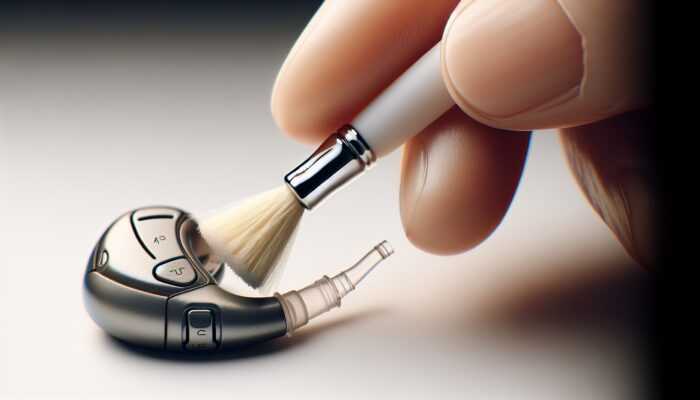
A soft brush cleaning earwax and debris from a modern hearing aid, ensuring clear sound.

Maintaining the cleanliness of your hearing aids is vital for optimal performance and longevity. Begin your daily upkeep by using a soft brush to gently eliminate any debris, dirt, or earwax that may have built up on the devices. This routine prevents unwanted accumulation, ensuring that the microphones and speakers work at their best, thus maintaining sound quality and clarity. Given the intricate design of modern hearing aids, even the tiniest particles can obstruct sound transmission. Incorporating this cleaning practice into your morning or evening rituals guarantees that your hearing aids remain in top condition and ready for daily use.

Be mindful of the environmental factors that could impact your hearing aids. For example, individuals residing in coastal regions might contend with challenges posed by salt and moisture, whereas urban dwellers may deal with dust and pollution. Customising your cleaning routine to address these specific conditions can be highly advantageous. If your hearing aids are often exposed to moisture or high humidity, increase the frequency of your cleaning schedule. Always adhere to the manufacturer’s recommendations regarding suitable cleaning products or tools, as using inappropriate materials could damage your devices. While cleaning, take a moment to appreciate the invaluable role these small devices play in connecting you to the vibrant sounds of life around you.

Why is Regular Moisture Checking Vital for Your Hearing Aids?

Moisture can insidiously compromise the functionality of your hearing aids, resulting in internal damage that affects their performance. Regularly inspecting your devices for signs of moisture is a critical aspect of your daily maintenance routine. This is particularly crucial for those living in hot, humid climates or engaging in activities that induce sweating. A simple visual check can be effective; look for signs of condensation in the battery compartment or around the microphones, as these could indicate moisture-related issues.

Establishing protective measures is equally important. Employing a dehumidifier or moisture-absorbing packets specifically designed for hearing aids can significantly reduce the risk of moisture-related damage. These tools are especially beneficial during humid months or in areas with high humidity. If you suspect moisture has affected your hearing aids, allow them to dry completely before using them again. Keeping a drying kit on hand at home can be an invaluable asset for maintaining your hearing aids’ condition.

Optimal Practices for Safely Storing Your Hearing Aids

Proper storage of your hearing aids when they are not in use is just as important as the maintenance you provide. Always store your devices in a dry, cool environment to protect them from environmental hazards. Avoid placing them in locations like your car, where temperature fluctuations can adversely affect their components. Instead, consider using a dedicated storage case that safeguards against dirt, moisture, and physical impacts.

For frequent travellers, investing in a sturdy yet compact travel case can be extremely advantageous. This case will protect your hearing aids as you explore different environments, whether trekking through the Amazon rainforest or navigating vibrant street markets in Morocco. Proper storage ensures that your hearing aids are functional and prepared for any adventures life may present.

Best Charging Techniques for Your Hearing Aids

Using the Manufacturer’s Charger for Optimal Performance

Utilising the correct charger is critical for the effective operation of rechargeable hearing aids. Each device is specifically designed to function optimally with its designated charger, ensuring both safety and efficiency during charging. Using a third-party charger could lead to malfunctions or even irreparable damage to the internal battery. Always keep the charger supplied by the manufacturer readily accessible and make it your primary charging tool.

To enhance your charging experience, consider establishing a designated charging station in your home. This specific area can serve as a daily reminder to charge your hearing aids, integrating it easily into your routine. A small, organised space on your bedside table or desk keeps your charger and hearing aids together, helping you remember to charge them regularly and fostering consistent habits.

How Can You Prevent Overcharging Your Hearing Aids?

While it may be tempting to leave your hearing aids plugged in overnight, overcharging can lead to battery deterioration, ultimately reducing their lifespan. Instead, aim to create a charging schedule that aligns with your daily routine. Many modern hearing aids are designed to charge quickly, providing hours of use from just a brief charging session.

By attentively monitoring your charging cycles, you can prevent potential issues while maximising the longevity of your devices. Some users find it helpful to set reminders on their smartphones to alert them when charging is complete, ensuring they disconnect promptly. This proactive approach is essential for anyone seeking to maintain the optimal performance of their hearing aids.

How to Monitor the Battery Health of Your Hearing Aids

A person checks hearing aid battery health on a smartphone app, showing usage graph in a modern living room.

Monitoring the battery health of your rechargeable hearing aids is a vital aspect of their care. Dedicate a few moments each day to check the battery indicator, which is often accessible through the hearing aid app or directly on the device. Being aware of battery levels can help you avoid unexpected surprises when you need to use your hearing aids.

Consider keeping a record of your battery usage patterns, noting how long the battery lasts under various conditions. For instance, if you wear your hearing aids for extended periods during social interactions, track how this affects battery life. This information can be invaluable when discussing performance with your hearing care professional, allowing for more informed decisions regarding your hearing aid usage and upkeep.

Expert Handling and Usage Techniques for Your Hearing Aids

Why Gentle Handling is Essential to Prevent Damage

Handling your hearing aids with care is paramount to avoiding physical damage. These sophisticated devices are delicate, and rough handling can easily result in breakage. Always use gentle movements when inserting or removing them from your ears, taking care not to apply unnecessary pressure that could compromise their integrity.

Exercise caution when cleaning your hearing aids or changing batteries. Handling small components can lead to accidents, so consider using a designated tray or a soft surface to work on. This way, if something slips, there is a reduced chance of it hitting a hard surface and sustaining damage.

How to Prevent Water Exposure for Your Hearing Aids

Water and electronic devices generally do not mix, and hearing aids are no exception. It is crucial to keep them away from water sources to prolong their lifespan. Even minor exposure to moisture can promote mould growth or cause internal component damage, which can be expensive to repair.

Reflect on the activities you engage in during the day. If you enjoy swimming or running in the rain, be mindful of how your hearing aids may react. Investing in waterproof cases or selecting hearing aids designed with water-resistant features can help shield against these risks. Make it a habit to remove your hearing aids before showering or swimming to avoid accidental exposure.

How to Manage Feedback for Enhanced Sound Quality

Feedback can be a frustrating challenge for hearing aid users, often presenting itself as a high-pitched whistling sound. To effectively manage feedback, ensuring a proper fit is essential. Hearing aids must sit snugly in your ears to minimise sound leakage that can trigger feedback.

Regular adjustments may be necessary to maintain both comfort and prevent feedback issues. Schedule visits to your audiologist for periodic fitting adjustments and to discuss any changes in your hearing needs. This collaborative approach enhances sound quality and significantly improves your overall hearing experience.

The Importance of Regular Cleaning and Maintenance

Incorporating regular cleaning into your routine goes beyond surface-level care; it is vital for ensuring that your hearing aids operate at their best. The longevity of your devices depends on a steadfast commitment to cleanliness, especially in removing earwax and debris that can accumulate within your hearing aids.

A soft brush can be your most valuable tool in this regard. Dedicating just a few minutes each day will help ensure that your hearing aids are free from obstructions that could impair sound quality. Consider investing in specialised cleaning tools designed specifically for hearing aids, as they can assist in reaching challenging areas and ensuring thorough cleaning.

Seeking Professional Care for Your Hearing Aids

Why Regular Check-ups with Hearing Care Professionals are Crucial

Scheduling regular appointments with a hearing care professional is essential for maintaining your hearing aids. Just as you would visit a dentist for routine check-ups to ensure oral health, your hearing aids deserve the same level of attention. These specialists can evaluate the functionality of your devices, making the necessary adjustments to ensure peak performance.

Many individuals may underestimate the importance of these check-ups, but neglect can lead to poor sound quality and overall performance deterioration. A hearing care professional can provide valuable insights into how well your hearing aids are serving you and recommend improvements or upgrades when necessary, ensuring you continue to enjoy the best possible hearing experience.

What are the Benefits of Professional Cleaning for Your Hearing Aids?

While daily cleaning is essential, certain build-ups may require professional intervention for thorough removal. Over time, wax and debris can accumulate in hard-to-reach areas, potentially leading to performance issues. A professional cleaning session can effectively eliminate these stubborn particles, restoring your hearing aids to optimal operational condition.

Think of professional cleaning as a spa day for your devices, allowing them to perform at their best. Many hearing care providers offer this service as part of routine maintenance, ensuring that your hearing aids remain in excellent condition and ready for use.

How Keeping Firmware Updated Enhances Performance

Staying informed about firmware updates is vital for maintaining the latest features and performance enhancements for your hearing aids. Many manufacturers release updates that improve functionality or address potential issues that may arise over time. Your audiologist can assist you in checking for updates, ensuring you benefit from the latest advancements in hearing technology.

Updating firmware can sometimes be as simple as connecting your hearing aids to a smartphone app or computer. Make it a regular habit to check for these updates, as they can significantly enhance your experience and overall satisfaction with your devices.

Understanding Environmental Factors Impacting Hearing Aids

How to Protect Hearing Aids from Extreme Temperature Changes

Extreme temperatures can adversely affect the performance and longevity of your hearing aids. Both excessive heat and cold can lead to battery malfunctions or even physical damage to components. For instance, leaving your hearing aids in a hot car or exposing them to freezing conditions can cause severe harm.

When on the move, consider investing in an insulated case that can protect your hearing aids from temperature fluctuations. This simple yet effective measure can be transformative for individuals living in regions with extreme climates, ensuring that your devices remain safe, functional, and reliable.

How to Manage Humidity to Protect Your Hearing Aids

Humidity is another environmental factor that can significantly impact the functionality of your hearing aids. Living in humid areas can lead to moisture build-up, creating conditions that encourage mould and bacteria growth. To combat this issue, consider using a specialised drying kit or a dehumidifier designed specifically for hearing aids.

Incorporating these tools into your routine can greatly extend the lifespan of your devices. Make it a habit to dry your hearing aids after any exposure to moisture or humidity, particularly following activities that may introduce excess moisture into them.

How to Shield Hearing Aids from Dust and Environmental Pollutants

Dust and pollutants are often unavoidable in our environments, yet they can pose a significant threat to the performance of your hearing aids. Keeping your devices away from dusty areas and polluted environments can greatly enhance sound quality and clarity, ensuring a more enjoyable hearing experience.

To mitigate these risks, consider using protective covers when storing your hearing aids in environments prone to dust or debris. This simple yet effective step can prevent contamination and ensure that your devices remain in optimal working condition, ready for use at all times.

Implementing Proper Storage and Handling Techniques

Proper storage and careful handling of your hearing aids are crucial for protecting them from damage. When not in use, always place them in a protective case to shield them from dust, moisture, and physical impacts. This practice prolongs the lifespan of your devices and keeps them easily accessible for those moments when you need them most.

Make it a habit to handle your hearing aids gently. Before placing them in their case, ensure they are clean and dry. This attention to detail is vital for maintaining their functionality and performance, allowing you to enjoy the rich sounds of life without interruptions.

Troubleshooting Common Hearing Aid Issues

Effective Solutions for Connectivity Problems

Connectivity issues can be particularly frustrating, especially as reliance on Bluetooth technology in hearing aids increases. If you encounter connectivity problems, a simple restart of your devices can often resolve the issue.

Ensure that your hearing aids are correctly paired with your devices. Verify your smartphone or other Bluetooth-enabled devices to confirm that the connection is established. If problems persist, do not hesitate to consult your hearing care professional for further assistance and troubleshooting.

How to Resolve Sound Distortion Problems

Sound distortion can significantly detract from your overall hearing experience, causing frustration and dissatisfaction. If you notice a change in sound quality, begin by checking for any obstructions that could affect performance. Thorough cleaning of your hearing aids can often resolve this issue.

Consider whether your hearing aids are properly fitted. Misalignment can lead to sound distortion, so if you suspect this may be the case, seek a professional fitting. Achieving seamless sound quality is essential for your overall comfort and satisfaction.

What to Do About Battery Drainage Concerns

If you find that your hearing aids are rapidly depleting their batteries, it’s crucial to evaluate your usage patterns and settings. Certain features may consume more power than necessary, so adjusting these settings can help extend battery life.

Consider lowering the volume or disabling specific features when your hearing aids are not in use. Keeping a close eye on battery health and usage empowers you to make adjustments that prolong the life of your devices and enhance your auditory experience.

Long-term Strategies for Effective Hearing Aid Care

Why Regular Replacement of Ear Tips and Domes is Important

Maintaining a proper fit is essential for the effectiveness of your hearing aids, and routinely replacing ear tips and domes is a crucial part of this process. Over time, these components can accumulate wax and debris, which can hinder sound quality and comfort.

As a general guideline, replace ear tips and domes every few months or as needed based on usage. This simple step ensures hygiene and guarantees a comfortable fit. Consult your hearing care professional for advice on selecting the right materials that cater to your individual needs and preferences, thereby enhancing your overall hearing experience.

Updating Accessories for Optimal Hearing Aid Maintenance

Keeping your accessories, such as cleaning tools and protective cases, up to date is often an overlooked aspect of long-term care for hearing aids. Investing in high-quality tools allows you to maintain your hearing aids effectively, ensuring their longevity and performance.

Consider the environmental conditions where you live when selecting accessories. For instance, if you reside in a humid area, opt for moisture-resistant cleaning tools and storage options. This attention to detail can significantly impact the durability and functionality of your devices, helping you achieve the best possible hearing experience.

Frequently Asked Questions About Hearing Aids

How often should I clean my rechargeable hearing aids for optimal performance?

You should clean your hearing aids daily to eliminate debris and prevent buildup. Regular maintenance is crucial for prolonging their lifespan and ensuring optimal performance.

Is it safe to use any charger for my hearing aids without risking damage?

No, always use the charger provided by the manufacturer. Third-party chargers may not be compatible and could potentially cause device damage or malfunction.

What should I do if my hearing aids get wet?

If your hearing aids become wet, turn them off immediately and allow them to dry completely before using them again. Consider using a drying kit for added safety and protection.

How can I effectively prevent feedback in my hearing aids?

Ensure that your hearing aids fit snugly in your ears to minimise sound leakage and feedback. Regular adjustments from your audiologist can also help achieve a better fit.

What is the recommended frequency for professional cleaning of my hearing aids?

Aim for professional cleaning every six months or as necessary, particularly if you notice performance issues that daily cleaning fails to address.

What is the best method for storing my hearing aids when not in use?

Store your hearing aids in a cool, dry place inside a protective case when they are not in use, ensuring you avoid areas with extreme temperatures.

How can I effectively monitor the battery life of my hearing aids?

Many hearing aids feature a battery indicator or connect to an app displaying battery life. Regularly check this feature to prevent unexpected battery drainage.

What actions should I take if I experience sound distortion in my hearing aids?

Check for any obstructions in your hearing aids and ensure they are fitted correctly. If issues persist, consult your hearing care professional for further evaluation and assistance.

How long can I expect the batteries in rechargeable hearing aids to last?

Rechargeable hearing aid batteries typically last between 10 to 20 hours, depending on usage patterns and settings. Regularly check the battery health indicator for timely updates.

Am I allowed to make adjustments to my hearing aids myself?

While minor adjustments like volume control can often be managed by the user, more significant changes should be performed by a hearing care professional to ensure optimal results and performance.

Discover more about us on X!

The post Rechargeable Hearing Aids: Essential Care Tips for Longevity appeared first on The Microsuction Ear Wax Removal Network.

Originally posted 2025-05-09 03:12:48.

The post Rechargeable Hearing Aids: Tips for Long-lasting Care appeared first on Healthcare Marketing Service.

Categories
Health & Wellness Hearing Health

Early Detection Tips for Spotting Hearing Risks

Last Updated on 07/03/2026 by Admin

Essential Strategies for Understanding Hearing Risks and Their Effective Management

What Are the Defining Characteristics of Common Hearing Problems?

Recognising subtle changes in sound perception is crucial for detecting potential hearing issues. Typical indicators that may signal a problem include muffled speech, struggling to understand conversations, experiencing ringing in the ears (tinnitus), and frequently needing others to repeat themselves. Neglecting these early warning signs can result in more severe complications, such as permanent hearing loss, in the future. By staying alert to these symptoms, individuals can pursue early intervention, which significantly enhances outcomes and helps maintain optimal auditory health. It is vital for individuals to cultivate an awareness of their hearing and promptly communicate any concerns to healthcare providers.

What Factors Are Significant Contributors to Hearing Risks?

Prolonged exposure to loud environments serves as a major contributor to various hearing risks. Professions such as construction, music, and manufacturing often expose individuals to hazardous noise levels that can inflict irreversible damage over time. Additionally, lifestyle choices—such as attending loud concerts or using headphones at high volumes—can heighten these risks even further. Gaining an understanding of these contributing factors empowers individuals to actively monitor their auditory health and implement protective measures. By taking precautions in everyday situations, individuals can effectively lower the likelihood of hearing deterioration, allowing them to enjoy sound without compromising their hearing capabilities.

Why Is Timely Detection Critical for Maintaining Hearing Health?

Identifying hearing risks early is vital for achieving favourable long-term outcomes concerning auditory health. Early detection permits timely interventions that can halt further deterioration of hearing ability. Awareness and education empower individuals to take the necessary steps to maintain their auditory health, ultimately enhancing their quality of life. Regular self-assessments and seeking professional evaluations when warranted can vastly improve one’s journey towards better hearing health. By adopting a proactive stance, individuals can safeguard their hearing and enjoy a more fulfilling life without the hindrance of hearing loss.

What Are the Early Symptoms Indicating Potential Hearing Loss?

How Do Symptoms of Hearing Loss Initially Present Themselves?

The initial symptoms of hearing issues often develop gradually, making them easy to overlook. Individuals may first notice difficulty in conversational settings, where sounds tend to blend together or become indistinct. Identifying these early signs is crucial because they present an opportunity for effective response and intervention before the situation escalates into more serious levels. Heightened awareness of auditory changes can lead to earlier consultations with healthcare professionals, ensuring that any necessary actions can be taken promptly for improved outcomes.

What Common Indicators Should You Vigilantly Monitor?

Common indicators of potential hearing issues consist of ringing in the ears (tinnitus), difficulty following conversations in noisy environments, and asking for repetitions. Learning to monitor these signs closely enables swift action, as ignoring them may result in more severe consequences, including permanent hearing loss. Establishing a consistent practice of self-assessment can significantly elevate awareness of auditory changes, allowing individuals to respond quickly and effectively to any concerning symptoms they may encounter. This proactive approach is vital for maintaining healthy hearing.

What Symptoms Necessitate Immediate Medical Attention?

Certain symptoms demand urgent attention, such as sudden hearing loss or significant changes in auditory perception. If one experiences these alarming signs, it is imperative to seek an evaluation from a healthcare professional without delay. Understanding the seriousness of these symptoms can guide personal vigilance and promote necessary action. Quick intervention can often lead to more favourable outcomes, ensuring that any underlying issues are addressed before they escalate into further complications or irreversible damage to hearing health.

Professional Insights on the Importance of Early Detection of Hearing Risks

What Key Strategies Do Experts Recommend for Monitoring Hearing Health?

Healthcare professionals advocate for the implementation of proactive measures to effectively monitor hearing health. For example, conducting regular self-assessments can highlight changes in hearing ability. Techniques such as maintaining a noise diary, where individuals log their daily exposure to loud sounds, can yield valuable insights. Real-life examples include musicians who consistently assess their hearing after performances to promptly detect any negative changes. By adopting these strategies, individuals can maintain better control over their auditory health and take timely action when necessary.

What Advanced Detection Methods Are Available for Hearing Assessment?

Understanding the professional approaches to early detection of hearing risks is crucial for effective management. Tools like audiometric tests are standard for assessing hearing capabilities. These tests evaluate an individual’s ability to hear sounds at various frequencies and volumes, providing a comprehensive assessment of hearing health. Familiarity with such methods empowers individuals to seek the appropriate evaluations, ensuring that hearing issues are identified and addressed early on. This proactive approach can lead to improved treatment outcomes and a higher quality of life.

What Are the Advantages of Seeking Professional Guidance for Hearing Health?

Consulting with healthcare professionals can significantly mitigate complications associated with hearing loss. Real-world cases illustrate that individuals who regularly engage with audiologists can develop personalised hearing health plans, thereby reducing the risk of permanent damage. Expert insights underscore the importance of tailored approaches, which can lead to effective interventions and enhanced auditory outcomes. By maintaining open lines of communication with specialists, individuals can stay informed about their hearing health and make empowered decisions regarding their care.

How Does Noise Exposure Affect Hearing Health?

What Role Does Environmental Noise Play in the Development of Hearing Loss?

Environmental noise plays a critical role in overall auditory health. Noise exposure can damage the delicate structures within the inner ear over time, leading to potential hearing loss. Understanding the mechanisms through which noise impacts hearing is vital for acknowledging it as a primary risk factor. This understanding can encourage individuals to take proactive measures to safeguard their hearing, such as using ear protection or minimising exposure to loud environments. Recognising the hazards associated with noise pollution is essential for preserving auditory health and ensuring long-term well-being.

What Are the Initial Effects of Prolonged Noise Exposure on Hearing?

Prolonged exposure to loud noise can manifest in various subtle symptoms that are often easy to overlook. Recognising these early effects can be crucial in preventing long-term damage. Common noise-related symptoms include:

  • Temporary threshold shifts
  • Increased sensitivity to sound
  • Tinnitus or ringing in the ears
  • Difficulty hearing in background noise

Learning to identify these symptoms early can promote effective protection strategies to safeguard hearing health. By acknowledging these signs, individuals can take necessary actions to protect their ears from further damage and maintain their hearing capabilities.

What Are Some Practical Methods to Daily Assess the Impact of Noise on Hearing?

Regular evaluation of noise levels is an effective strategy for identifying potential hearing risks. Simple methods include conducting self-assessments, such as reflecting on how often one experiences discomfort in noisy environments or utilising apps that measure ambient noise levels. This ongoing awareness is critical in recognising harmful noise exposure patterns and making necessary adjustments to protect hearing. Regular assessments can lead to informed decision-making about which environments to avoid and which protective measures to adopt.

Reliable Strategies for Early Detection of Hearing Risks

What Proven Techniques Can Aid in Self-Monitoring of Hearing Health?

Implementing effective techniques for self-monitoring is essential in preserving hearing health. Actionable steps include using hearing apps that track environmental noise exposure and engaging in regular conversations to evaluate auditory clarity. Establishing these routines can make the detection of changes in hearing ability more intuitive and manageable. By incorporating self-monitoring practices into daily life, individuals can remain vigilant about their auditory health and respond promptly to any concerning changes.

When Should You Utilise Professional Tools for Comprehensive Hearing Assessment?

Professional tools play a crucial role in accurately detecting early hearing issues. Devices designed for home testing, such as hearing screening apps or portable audiometers, provide users with the means to assess their hearing capabilities independently. By employing these tools, individuals can ensure that no hearing issues remain unnoticed, prompting timely actions when necessary. However, it is essential to complement these assessments with professional evaluations for a comprehensive understanding and effective management of hearing health.

How Can You Seamlessly Integrate Hearing Health Strategies into Your Daily Routine?

Incorporating hearing health strategies into daily routines can significantly enhance awareness. Individuals can establish a habit of assessing their hearing after exposure to loud environments or engage in regular auditory exercises. Real-world examples include musicians who frequently check their hearing after rehearsals, making proactive monitoring a consistent part of their lives. By embedding these practices into everyday activities, individuals can foster a culture of awareness regarding their hearing health.

Why Is It Imperative to Consult Healthcare Professionals for Hearing Health Concerns?

Selecting the right healthcare professional for hearing evaluations is of utmost importance. Individuals should seek audiologists or ENT specialists who have a robust background in auditory health. Preparing questions in advance and being proactive about symptoms can lead to thorough evaluations. Early intervention not only addresses current issues but can also prevent further hearing loss, making it an essential aspect of hearing health management. Engaging with knowledgeable professionals ensures that individuals receive the best possible care tailored to their specific hearing needs.

Daily Habits That Promote Optimal Hearing Health

What Routine Checks Can Assist in Identifying Potential Hearing Issues?

Incorporating basic daily assessments into one’s routine can significantly support the identification of potential hearing risks. Regularly asking oneself if sounds are becoming harder to distinguish or if there is a need to increase the volume on devices can help maintain awareness. These practical steps ensure that any changes are detected early and addressed promptly. Creating a habit of self-checks can facilitate proactive management of hearing health, leading to better long-term outcomes.

What Lifestyle Adjustments Can Help Safeguard Your Hearing?

Implementing effective lifestyle changes can play a pivotal role in reducing long-term threats to hearing health. Using ear protection in noisy settings, such as concerts or construction sites, is a straightforward yet effective adjustment. Additionally, opting for lower volumes while using headphones and creating a quieter home environment can further shield against hearing loss. By consciously modifying habits and environments, individuals can significantly enhance their auditory health and protect their hearing for the future.

How Can You Create a Supportive Environment for Hearing Health?

Designing spaces that reduce hearing risks involves thoughtful planning. Ensuring that living and working environments have adequate sound insulation can significantly diminish exposure to harmful noise levels. Simple adaptations, such as using carpets to absorb sound or employing soundproofing materials, can create more supportive auditory environments. By prioritising sound management in everyday settings, individuals can foster healthier spaces that positively contribute to their hearing health.

What Stress Management Techniques Can Benefit Hearing Health?

Effectively managing stress is essential for maintaining hearing health. Practices such as mindfulness meditation, deep breathing, and yoga can significantly reduce stress-related risks to the ears. Incorporating these techniques into daily routines not only enhances overall well-being but also strengthens auditory resilience against potential damage. A focused approach to stress management can yield substantial benefits for auditory health, promoting a balanced and healthy lifestyle.

When Should You Seek Expert Help for Hearing Concerns?

How Can You Recognise When It’s Time for Expert Consultation?

Recognising the need for professional assistance is crucial concerning hearing health. Signs such as persistent ringing in the ears or difficulty comprehending speech indicate that it is time to consult a healthcare professional. Being aware of these triggers enables individuals to make informed decisions regarding their hearing health and seek timely evaluations. Prompt consultation can often lead to better treatment options and improved outcomes.

What Key Questions Should You Pose During Healthcare Consultations?

Preparing essential questions before consultations can enhance the effectiveness of professional evaluations. Inquiries could include asking about the types of tests to be performed, potential treatment alternatives, and methods for monitoring changes over time. Preparing these questions maximises the value of each consultation, ensuring comprehensive assessments. By actively engaging in the consultation process, individuals can better understand their hearing health and the steps needed for improvement.

What Follow-Up Actions Should You Take After Noticing Initial Signs of Hearing Loss?

Upon detecting initial signs of hearing issues, immediate follow-up actions are essential. Important steps include scheduling formal hearing tests, tracking changes in auditory perception, and maintaining regular check-ups. Engaging in these actions provides a clear pathway for effectively addressing hearing concerns. Proactive measures can lead to timely interventions and prevent the progression of hearing loss.

What Are the Advantages of Seeking Early Help for Hearing Issues?

Seeking professional assistance early can significantly enhance outcomes related to hearing health. Addressing issues before they worsen not only facilitates faster recovery but can also lead to cost savings and a higher quality of life. Individuals are empowered to act promptly, minimising the long-term impact of hearing loss. Early intervention creates opportunities for effective treatment and management, contributing to overall well-being.

How Can You Choose the Right Professional for Your Hearing Health Needs?

When selecting a hearing health professional, evaluating credentials, area of expertise, and patient feedback is essential. This thorough selection process helps individuals identify experts capable of providing personalised advice. Choosing the right professional leads to more successful interventions and overall satisfaction in managing hearing health. Being diligent in this search ensures that individuals receive the best care tailored to their specific hearing needs.

Effective Approaches for Long-Term Monitoring of Hearing Health

What Long-Term Tracking Methods Can You Employ?

Ongoing monitoring of hearing health involves consistent self-evaluations. Individuals can develop a schedule that includes routine checks of auditory clarity and sound sensitivity. Sustained strategies for risk management not only enhance awareness but also promote a proactive approach to hearing health. By committing to regular evaluations, individuals can ensure they remain informed about their auditory status and take necessary actions when needed.

What Should You Do If Hearing Risks Persist Despite Interventions?

If hearing risks continue despite interventions, adjustments may be necessary. Understanding the progression of hearing issues is crucial for ongoing vigilance. Consulting with professionals for tailored strategies can help mitigate further complications and ensure effective measures are implemented. Being proactive in addressing ongoing concerns can lead to improved hearing health outcomes and prevent irreversible damage.

How Can You Ensure the Sustainability of Healthy Practices Over Time?

Maintaining consistent habits is vital for preserving auditory health. Lifelong strategies for spotting and addressing risks can include regular screenings, implementing protective measures in loud environments, and ongoing education about hearing health. Emphasising the importance of sustained practices ensures that hearing remains a priority throughout life. By integrating hearing health into daily routines, individuals can cultivate a long-lasting commitment to their auditory well-being.

Frequently Asked Questions Regarding Hearing Health

What Are the Most Common Early Indicators of Hearing Loss?

Common early signs include difficulty understanding conversations, needing to ask others to repeat themselves, and experiencing ringing in the ears (tinnitus). Recognising these symptoms early can facilitate timely intervention and help prevent further deterioration of hearing health.

How Can I Safeguard My Hearing in Noisy Settings?

Using ear protection, such as earplugs or noise-cancelling headphones, is an effective way to protect your hearing. Furthermore, minimising the duration of exposure to loud sounds can further reduce risks. Implementing these strategies can significantly enhance auditory well-being.

When Is It Necessary to Consult a Professional Regarding My Hearing Health?

If you experience persistent symptoms such as ringing in the ears, difficulty hearing, or sudden changes in auditory perception, it is crucial to consult a healthcare professional promptly. Early intervention can prevent further deterioration and improve treatment outcomes.

What Types of Assessments Are Utilised to Evaluate Hearing Health?

Common assessments include audiometric tests, tympanometry, and speech recognition evaluations. These tests help determine the nature and extent of hearing loss, guiding appropriate intervention strategies tailored to individual needs.

Can Stress Influence My Hearing Health?

Yes, stress can contribute to hearing problems and often exacerbates conditions like tinnitus. Engaging in stress management techniques can help protect auditory health and improve overall well-being, fostering a more balanced lifestyle.

How Frequently Should I Have My Hearing Evaluated?

It is advisable to undergo a hearing evaluation at least once a year, particularly if you regularly encounter loud environments or have existing hearing concerns. Regular check-ups can effectively monitor changes and maintain auditory health.

What Lifestyle Modifications Can Enhance Hearing Health?

Lifestyle changes such as using ear protection, minimising exposure to loud noise, and maintaining a healthy diet can substantially improve hearing health. Staying active and managing stress also play crucial roles in auditory well-being.

Are There Any Home Tests Available for Hearing Loss?

While professional evaluations are recommended, there are home tests accessible through apps or online assessments that can provide initial insights into hearing health. Nevertheless, they should not replace formal evaluations by healthcare professionals for accurate diagnosis and treatment planning.

What Should I Do If I Experience Sudden Hearing Loss?

If sudden hearing loss occurs, it is essential to seek medical attention immediately. Prompt intervention can lead to better outcomes and prevent permanent damage to your hearing abilities.

How Can I Locate a Qualified Hearing Specialist?

To find a qualified hearing specialist, consider evaluating their credentials, seeking recommendations from trusted sources, and reviewing patient feedback. This ensures that you select an expert suited to effectively meet your specific needs.

Discover our world on X today!

The post Spot Hearing Risks Early: Essential Detection Tips appeared first on The Microsuction Ear Wax Removal Network.

The post Spot Hearing Risks Early: Essential Detection Tips appeared first on Healthcare Marketing Service.

Categories
Health & Wellness Hearing Health

Hearing Risks Detection: Essential Tips for Early Spotting

Last Updated on 07/03/2026 by Admin

Essential Strategies for Managing Hearing Risks Effectively

What Are the Most Significant Indicators of Hearing Problems?

Recognising subtle changes in sound perception is critical for identifying potential hearing issues early in their development. Common symptoms to watch for include muffled speech, trouble understanding conversations, ringing in the ears (tinnitus), and the need to frequently ask others to repeat themselves. Neglecting these early warning signs can lead to more severe complications, including irreversible hearing loss, in the future. By staying alert to these symptoms, individuals can facilitate early detection and intervention, significantly improving their auditory health outcomes. It is vital to cultivate a habit of self-awareness regarding one’s hearing and promptly discuss any concerns with healthcare professionals as soon as they surface.

What Are the Key Contributors to Hearing Risks?

Prolonged exposure to loud environments is a leading factor contributing to hearing risks. Professions such as construction, music, and manufacturing frequently expose workers to dangerous noise levels that can inflict damage over time. Additionally, lifestyle choices—such as attending loud concerts or using headphones at high volumes—can further heighten these risks. Recognising these contributing factors enables individuals to take proactive steps in monitoring their auditory health and implementing measures to mitigate these dangers. Adopting protective behaviours in daily life can significantly decrease the likelihood of hearing deterioration, allowing individuals to enjoy sound without jeopardising their hearing.

Why Is It Imperative to Detect Hearing Issues Early?

Identifying hearing risks early is vital for achieving optimal long-term outcomes. Early diagnosis enables timely interventions that can halt further decline in hearing ability. Being informed and aware empowers individuals to take proactive measures, thereby preserving their auditory health and enhancing their overall quality of life. Engaging in regular self-assessments and seeking professional evaluations when necessary can greatly enhance one’s journey towards better auditory health. By adopting a proactive stance, individuals can safeguard their hearing and lead a more fulfilling life without the burdens of hearing loss.

What Are the Initial Signs Indicating Hearing Loss?

How Do Symptoms of Hearing Loss Begin to Appear?

Initial signs of hearing issues typically emerge gradually, making them easy to overlook. Individuals may first notice difficulty in conversational settings, where sounds seem to blend together or become indistinct. Recognising these early signs is crucial as they provide an opportunity for effective response and intervention before the issue escalates to more serious levels. Increasing awareness of auditory changes can prompt earlier consultations with healthcare professionals, ensuring that any necessary interventions can be implemented promptly for improved outcomes.

What Common Symptoms Should You Keep an Eye On?

Common indicators of potential hearing issues include ringing in the ears (tinnitus), difficulty following conversations in noisy environments, and frequently asking for repetitions. Learning to monitor these symptoms diligently can facilitate swift action, as ignoring them may lead to more severe consequences, including permanent hearing impairment. Establishing a routine of self-assessment can significantly enhance awareness of auditory changes, enabling individuals to respond quickly and effectively to any concerning symptoms they may encounter. This proactive approach is essential for maintaining healthy hearing.

What Symptoms Demand Immediate Attention from Professionals?

Certain symptoms necessitate urgent attention, such as sudden hearing loss or drastic changes in auditory perception. If individuals experience these alarming signs, it is imperative to seek an evaluation from a healthcare professional without delay. Understanding the seriousness of these symptoms can significantly enhance personal vigilance and prompt appropriate action. Quick intervention can often yield more favourable outcomes, ensuring that any underlying issues are addressed before they lead to further complications or irreversible damage to hearing health.

Professional Insights on the Importance of Early Detection of Hearing Risks

What Effective Strategies Do Experts Recommend for Monitoring Hearing Health?

Experts advocate for implementing actionable steps to effectively monitor hearing health. For example, conducting regular self-assessments can highlight any changes in hearing ability. Techniques such as maintaining a noise diary, where individuals log their daily exposure to loud sounds, can provide invaluable insights into their auditory health. Real-world examples include musicians who routinely assess their hearing after performances to promptly detect any negative changes. By adopting these strategies, individuals can take better control over their auditory health and act timely when necessary.

What Advanced Detection Methods Can Be Utilised for Hearing Health Assessment?

Understanding the professional approaches to early detection of hearing risks is fundamental for effective management. Tools such as audiometric tests are standard for assessing hearing capabilities. These assessments gauge an individual’s ability to hear sounds at various frequencies and volumes, providing a comprehensive evaluation of hearing health. Familiarity with such methods empowers individuals to seek appropriate evaluations, ensuring that hearing issues are identified and managed early. This proactive approach can lead to improved treatment outcomes and a higher quality of life.

What Advantages Does Professional Guidance Offer for Hearing Health?

Consulting healthcare professionals can significantly mitigate complications associated with hearing loss. Numerous case studies illustrate that individuals who regularly engage with audiologists can develop tailored hearing health strategies, reducing the likelihood of permanent damage. Expert insights underscore the importance of personalised approaches that can lead to effective interventions and improved auditory outcomes. By maintaining open lines of communication with specialists, individuals can stay informed about their hearing health and make empowered decisions regarding their care.

Impact of Noise on Hearing Health: Understanding the Risks

What Influence Does Environmental Noise Have on Hearing Loss?

Environmental noise plays a crucial role in auditory health. Noise exposure can damage the delicate structures within the inner ear over time, potentially leading to hearing loss. Understanding the mechanisms through which noise impacts hearing is essential for recognising it as a primary risk factor. This knowledge can motivate individuals to take proactive measures to protect their hearing, such as using ear protection or limiting exposure to excessively loud environments. Recognising the threats posed by noise pollution is vital for preserving auditory health and ensuring long-term well-being.

What Are the Early Symptoms Associated with Prolonged Noise Exposure?

Prolonged exposure to loud noise can manifest in various subtle symptoms that are often easy to dismiss. Recognising these early effects can be crucial in preventing long-term damage to hearing. Common symptoms related to noise exposure include:

  • Temporary threshold shifts
  • Increased sensitivity to sound
  • Tinnitus or ringing in the ears
  • Difficulty hearing in background noise

Learning to identify these symptoms early can encourage effective protective strategies to safeguard hearing health. By acknowledging these signs, individuals can take essential actions to protect their ears from further harm and maintain their hearing capabilities.

What Practical Methods Can You Use to Assess Noise Impact in Your Daily Life?

Daily evaluation of noise levels is an effective way to identify potential hearing risks. Simple methods include conducting self-assessments, such as reflecting on how often one feels discomfort in loud environments or using applications that measure noise levels. This ongoing awareness is crucial in identifying harmful noise exposure patterns and making necessary adjustments to protect hearing. Regular assessments can facilitate informed decision-making regarding environments to avoid and protective measures to adopt.

Proven Strategies for Early Detection of Hearing Risks

What Effective Techniques Can You Use for Self-Monitoring Your Hearing?

Implementing proven techniques for self-monitoring is essential for maintaining hearing health. Actionable steps may include utilising hearing applications that track exposure to environmental noise and engaging in regular conversations to assess auditory clarity. Establishing these routines can make the detection of changes in hearing ability more intuitive and less intimidating. By incorporating self-monitoring practices into daily life, individuals can remain vigilant about their auditory health and respond promptly to any concerning changes.

When Is It Appropriate to Use Professional Tools for Hearing Evaluation?

Professional tools are fundamental for accurate and timely detection of hearing issues. Devices for home testing, such as hearing screening applications or portable audiometers, enable users to assess their hearing capabilities independently. Utilising these resources can ensure that no hearing issues go unnoticed, prompting swift action when needed. However, it is vital to supplement these assessments with professional evaluations for a comprehensive understanding and management of hearing health.

How Can You Seamlessly Integrate Hearing Health Strategies into Your Daily Life?

Incorporating hearing health strategies into daily routines can significantly heighten awareness. Individuals can cultivate the habit of assessing their hearing following exposure to loud environments or participating in regular auditory exercises. Real-world instances include musicians who frequently check their hearing after rehearsals, integrating proactive monitoring into their everyday lives. By embedding these practices into routine activities, individuals can nurture a culture of awareness regarding their hearing health.

Why Is It Essential to Consult Healthcare Professionals for Hearing Health Matters?

Selecting the right healthcare professional for hearing evaluations is critical for optimal outcomes. Individuals should seek out audiologists or ENT specialists with a robust background in auditory health. Preparing questions in advance and being proactive about symptoms can lead to thorough evaluations. Early intervention not only addresses existing issues but can also prevent further hearing loss, making it a vital component of effective hearing health management. Engaging with knowledgeable professionals ensures that individuals receive the highest quality care tailored to their specific needs.

Everyday Habits to Foster Optimal Hearing Health

What Daily Checks Can Help You Identify Potential Hearing Issues?

Incorporating simple daily assessments into one’s routine can be immensely beneficial in identifying potential hearing risks. Regularly questioning whether sounds are becoming harder to distinguish or if there’s a need for higher volume on devices can help maintain awareness. These practical steps ensure that any changes are detected early and addressed without delay. Creating a habit of self-checks can facilitate proactive management of hearing health, leading to improved long-term outcomes.

What Lifestyle Changes Can Help Safeguard Your Hearing?

Implementing effective lifestyle modifications can play a crucial role in minimising long-term hearing threats. Using ear protection in noisy environments, such as concerts or construction sites, is a straightforward yet impactful adjustment. Additionally, opting for lower volumes when using headphones and creating a quieter home environment can further shield against hearing loss. By consciously altering habits and environments, individuals can significantly bolster their auditory health and safeguard their hearing for the future.

How Can You Create a Supportive Environment for Hearing Health?

Designing spaces that mitigate hearing risks involves thoughtful planning and consideration. Ensuring that living and working environments incorporate appropriate sound insulation can significantly diminish exposure to harmful noise levels. Simple adaptations, like utilising carpets to absorb sound or employing soundproofing materials, can create more supportive auditory environments. By prioritising sound management in everyday settings, individuals can cultivate healthier spaces that positively contribute to their hearing health.

What Stress Management Techniques Can Enhance Hearing Health?

Managing stress is vital for preserving hearing health. Practices such as mindfulness meditation, deep breathing exercises, and yoga can effectively alleviate stress-related risks to the ears. Integrating these techniques into daily routines not only enhances overall well-being but also strengthens auditory resilience against potential damage. A focused approach to stress management can yield considerable benefits for auditory health, promoting a balanced and healthy lifestyle.

When Should You Consider Seeking Professional Help for Hearing Concerns?

How Can You Identify the Need for Expert Consultation for Hearing Health?

Recognising the necessity for professional assistance is crucial when it comes to hearing health. Signs such as persistent ringing in the ears or difficulty understanding speech signal that it’s time to consult a healthcare professional. Being aware of these triggers empowers individuals to make informed decisions about their hearing health and seek timely evaluations. Prompt consultation can often result in better treatment options and improved outcomes for individuals facing hearing challenges.

What Essential Questions Should You Pose During Consultations?

Preparing key questions prior to consultations can enhance the effectiveness of professional evaluations. Inquiries may include asking about the types of tests to be conducted, potential treatment options available, and strategies for monitoring changes over time. Preparing these questions maximises the value of each consultation, ensuring comprehensive assessments and a clearer understanding of one’s hearing health. By actively engaging in the consultation process, individuals can gain better insights into their auditory health and the necessary steps for improvement.

What Follow-Up Actions Should You Take After Noticing Early Signs of Hearing Loss?

Upon detecting initial signs of hearing issues, immediate follow-up actions are essential. Important steps include scheduling formal hearing tests, tracking changes in auditory perception, and maintaining regular check-ups. Engaging in these actions establishes a clear pathway toward effectively addressing hearing concerns. Proactive measures can facilitate timely interventions and help prevent the progression of hearing loss.

What Are the Advantages of Seeking Help Promptly for Hearing Issues?

Seeking professional assistance early can considerably improve outcomes associated with hearing health. Addressing issues before they escalate not only leads to quicker recovery but can also result in cost savings and a higher quality of life. Individuals are empowered to act promptly, minimising the long-term implications of hearing loss. Early intervention creates opportunities for effective treatment and management, contributing to overall well-being and auditory health.

How Can You Choose the Right Professional for Your Hearing Care Needs?

When selecting a hearing health professional, evaluating credentials, specialisation, and patient feedback is crucial. This careful selection process enables individuals to find experts capable of providing personalised advice and treatment. Choosing the right professional can lead to more successful interventions and overall satisfaction in managing hearing health. Being diligent in this search ensures that individuals receive the best care tailored to their specific hearing needs.

Effective Strategies for Long-Term Monitoring of Hearing Health

What Methods Can You Utilise for Ongoing Tracking of Hearing Health?

Continuous monitoring of hearing health involves regular self-evaluations. Individuals can create a schedule that includes routine checks of auditory clarity and sound sensitivity. Sustained strategies for risk management not only enhance awareness but also foster a proactive approach to hearing health. By committing to regular evaluations, individuals can ensure they stay informed about their auditory status and take necessary actions when required.

What Should You Do If Hearing Risks Continue Despite Interventions?

If hearing risks persist despite interventions, adjustments may be necessary. Understanding the progression of hearing issues is vital for continued vigilance. Consulting with professionals for tailored strategies can help mitigate further complications and ensure that effective measures are employed. Being proactive in addressing ongoing concerns can lead to improved hearing health outcomes and prevent irreversible damage.

How Can You Maintain Healthy Practices for Hearing Health Over Time?

Consistency in habits is essential for sustaining auditory health. Lifelong approaches to identifying and addressing risks can include regular screenings, protective measures in loud environments, and ongoing education about hearing health. Emphasising the importance of sustained practices ensures that hearing remains a priority throughout life. By integrating hearing health into daily routines, individuals can cultivate a lasting commitment to their auditory well-being.

Frequently Asked Questions Regarding Hearing Health

What Are the Most Common Early Indicators of Hearing Loss?

Common early indicators include difficulty understanding conversations, needing to ask others to repeat themselves, and experiencing ringing in the ears (tinnitus). Recognising these symptoms early can facilitate timely intervention, preventing further deterioration of hearing health.

How Can I Protect My Hearing in Loud Environments?

Utilising ear protection, such as earplugs or noise-cancelling headphones, is a practical method to safeguard your hearing. Additionally, reducing the duration of exposure to loud sounds can further mitigate risks. Implementing these strategies can significantly enhance auditory well-being.

When Should I Consult a Professional Regarding My Hearing Health?

If you experience persistent symptoms such as ringing in the ears, difficulty hearing, or sudden changes in auditory perception, it is crucial to consult a healthcare professional promptly. Early intervention can prevent further deterioration and improve treatment outcomes.

What Types of Tests Are Utilised to Evaluate Hearing Health?

Common tests include audiometric evaluations, tympanometry, and speech recognition assessments. These evaluations help in determining the nature and extent of hearing loss, guiding appropriate intervention strategies tailored to individual needs.

Can Stress Impact My Hearing Health?

Yes, stress can contribute to hearing issues, often exacerbating conditions like tinnitus. Engaging in stress management techniques can help protect auditory health and improve overall well-being, fostering a more balanced lifestyle.

How Frequently Should I Have My Hearing Assessed?

It is advisable to have your hearing evaluated at least once a year, particularly if you are regularly exposed to loud environments or have existing hearing concerns. Regular check-ups can aid in monitoring changes and maintaining auditory health effectively.

What Lifestyle Modifications Can Enhance Hearing Health?

Lifestyle changes such as using ear protection, reducing exposure to loud noise, and maintaining a healthy diet can significantly enhance hearing health. Staying physically active and managing stress also play important roles in promoting auditory well-being.

Are There Any At-Home Tests for Hearing Loss?

While professional evaluations are strongly recommended, there are at-home tests available through applications or online assessments that can provide initial insights into hearing health. However, they should not replace formal evaluations by healthcare professionals for accurate diagnosis and treatment planning.

What Should I Do If I Experience Sudden Hearing Loss?

If you experience sudden hearing loss, it is essential to seek medical attention immediately. Prompt intervention can lead to better outcomes and prevent permanent damage to your hearing abilities.

How Can I Locate a Qualified Hearing Specialist?

To find a qualified hearing specialist, consider evaluating their credentials, seeking recommendations from trusted sources, and checking patient reviews. This ensures that you select an expert suited to meet your specific needs effectively.

Discover our world on X today!

The post Spot Hearing Risks Early: Essential Detection Tips appeared first on The Microsuction Ear Wax Removal Network.

Categories
Health & Wellness Hearing Health

Wearing Two Hearing Aids: Enhancing Everyday Life Quality

Last Updated on 06/03/2026 by Admin

Unlock the Full Potential of Your Hearing with Two Hearing Aids

What Is the Primary Benefit of Using Two Hearing Aids?

Utilising two hearing aids significantly enhances overall auditory function, leading to superior sound perception and reduced listening effort across various environments. By adopting bilateral hearing aids, users can access a wealth of advantages that can profoundly transform their auditory experiences. These benefits encompass:

  • Enhanced Clarity: Experience exceptional sound quality with clearer distinctions among different noises.
  • Reduced Listening Effort: Less strain is required to comprehend speech in the presence of background noise.
  • Improved Sound Localization: Heightened ability to determine the direction of sounds.
  • Boosted Social Engagement: Greater confidence in taking part in group conversations.
  • Increased Safety: Enhanced awareness of surroundings, promoting safety in diverse environments.
  • Greater Independence: Empowerment through improved communication and environmental awareness.
  • Enhanced Emotional Well-being: Decreased feelings of isolation and enriched relationships through effective communication.

Collectively, these advantages contribute to a more fulfilling daily life, enabling smoother communication and enriching social interactions for users.

What Advantages Does Enhanced Sound Localization Offer?

Wearing two hearing aids significantly enhances the ability to pinpoint sound sources, a vital function for navigating daily life. This spatial awareness is particularly crucial in complex auditory environments, such as bustling streets or crowded social gatherings. With dual hearing aids, the brain receives binaural input, allowing it to process sounds more effectively. As a result, users develop a sharper ability to identify the origin of sounds, whether it is a friend speaking from across the room or a vehicle approaching from behind.

This heightened awareness goes beyond mere comfort; it directly contributes to safety. For instance, individuals using two hearing aids can better detect and respond to potential dangers in their vicinity. The ability to accurately locate sounds fosters situational awareness, which is essential for maintaining independence, especially for those navigating public spaces or unfamiliar areas.

Moreover, the psychological benefits associated with enhanced sound localization are substantial. Users frequently express feelings of increased confidence and security in their environments, knowing they can accurately assess their surroundings. This confidence promotes a greater sense of freedom, encouraging individuals to engage more fully in social events and daily activities.

How Does Wearing Two Hearing Aids Enhance Speech Understanding in Noisy Settings?

Utilising two hearing aids greatly improves speech comprehension in noisy environments. Binaural hearing—where both ears are equipped with hearing devices—enables users to filter out background noise more effectively. This enhancement proves crucial in situations where multiple sounds compete for attention, such as during social gatherings or in bustling restaurants.

When equipped with dual hearing aids, the brain is more adept at distinguishing speech from noise. This capability lessens cognitive load, allowing users to concentrate on conversations without the strain of trying to hear. In chaotic environments, such as parties or open-plan offices, individuals with two hearing aids can engage more fully and meaningfully in discussions, thereby enriching their social interactions.

Furthermore, enhanced speech comprehension in noisy settings fosters greater engagement in conversations, strengthening social bonds and alleviating feelings of isolation. The ability to hear clearly in challenging circumstances bolsters confidence and encourages individuals to take an active role in their communities.

How Do Two Hearing Aids Revolutionise Social Interactions?

The use of two hearing aids fundamentally transforms social interactions, enabling users to communicate more effectively in various settings. Improved auditory capabilities facilitate enhanced engagement in conversations, as individuals are better equipped to follow discussions and respond appropriately. This heightened communication ability alleviates feelings of isolation, nurturing a sense of belonging and community.

In group situations, such as family gatherings or team meetings, dual hearing aids assist users in accurately pinpointing sound sources. This feature allows them to navigate conversations fluidly, making it easier to engage with multiple speakers while minimising the risk of misunderstandings. As users can follow along effortlessly, their overall confidence increases, leading to richer social experiences.

Additionally, the ability of two hearing aids to filter background noise plays a crucial role in these interactions. By reducing distractions, users can concentrate better on their companions, enhancing clarity and decreasing the effort required to participate in conversations. This improvement in communication also boosts emotional well-being, as individuals feel more understood and connected to those around them.

Ultimately, the social dynamics shift positively when individuals use two hearing aids. The enhanced auditory experience not only facilitates better communication but also fosters stronger relationships, contributing to an improved overall quality of life.

How Does Wearing Two Hearing Aids Enrich Daily Life Experiences?

What Influence Do They Have on Balance and Coordination?

Wearing two hearing aids can significantly improve balance and coordination by providing essential auditory cues that help maintain spatial awareness. When sound is perceived from both ears, the brain can interpret the environment more accurately, aiding in safe navigation through various spaces. This auditory input assists in detecting movements around the user, whether it is the sound of footsteps approaching or the rustle of leaves in the wind.

The clarity in sound perception enhances judgment during movement. For example, while walking in busy areas, the ability to hear and accurately locate sounds reduces the likelihood of collisions and helps users avoid hazards. This proactive awareness promotes greater independence, as individuals feel more secure in their mobility.

Moreover, improved balance and coordination are critical for reducing the risk of falls, especially among older adults. The auditory feedback provided by two hearing aids supports users in maintaining stability while moving, which is vital for overall health and safety. The confidence that comes from knowing one can navigate their surroundings effectively has a profound impact on daily living, fostering a sense of freedom and empowerment.

How Do They Enhance Social Interactions?

Wearing two hearing aids profoundly influences social interactions by enabling clearer communication and reducing barriers to engagement. Individuals can follow conversations more effortlessly, participate in group discussions, and connect with others on a deeper level. The confidence that arises from being able to hear well encourages users to be more active in social settings, which is essential for emotional well-being.

In social gatherings, whether family celebrations or informal meet-ups with friends, participants equipped with two hearing aids can fully engage. They can recognise when it is their turn to speak and respond appropriately, which minimises awkward pauses or misunderstandings. This fluid communication strengthens relationships and fosters a sense of belonging, as users feel included in conversations.

Additionally, two hearing aids assist in filtering background noise, enhancing speech clarity. This capability is particularly valuable in crowded places where multiple voices and sounds vie for attention. Consequently, individuals experience less fatigue and frustration from straining to hear, allowing them to enjoy their time with others.

The positive ripple effects of improved social interactions extend beyond immediate conversations. Participants often report increased satisfaction in their social lives, leading to a healthier and more fulfilling lifestyle. Overall, the use of two hearing aids transforms social dynamics, making interactions more enjoyable and impactful.

How Does Wearing Two Hearing Aids Boost Communication Confidence?

Wearing two hearing aids instils a sense of confidence in communication, transforming how individuals engage with others. The ability to hear clearly without straining allows users to express themselves more freely, leading to meaningful conversations and interactions. This newfound confidence can profoundly affect personal and professional relationships.

Individuals equipped with two hearing aids frequently find that they are more willing to initiate conversations. The assurance of being able to hear and comprehend others boosts their readiness to participate in discussions, whether in social settings or at work. This active engagement fosters better teamwork and collaboration, enhancing productivity and relationships in professional environments.

Moreover, increased confidence extends beyond verbal communication. Users often report feeling more comfortable expressing themselves non-verbally, through gestures and facial expressions, knowing that their auditory input aligns with their visual cues. This holistic communication approach enriches interactions, making them more authentic and engaging.

The emotional benefits of enhanced communication confidence are noteworthy. Users frequently describe feeling more connected to others and less isolated. This emotional well-being reinforces the significance of social bonds, encouraging users to seek out and maintain relationships that enhance their quality of life.

What Is the Impact of Enhanced Sound Localization?

Wearing two hearing aids significantly improves sound localization, which translates into better situational awareness and safety in daily life. The brain processes sounds received from both ears, allowing users to ascertain the direction of sounds more accurately. This capability is critical in various scenarios, such as crossing streets, where hearing the approach of vehicles can prevent accidents.

The enhanced spatial awareness brought on by dual hearing aids helps users navigate their surroundings with greater ease. For example, in busy settings, individuals can detect conversations happening nearby, which aids in social participation. This improved ability to pinpoint sound sources promotes independence, as users feel more secure engaging with the world around them.

Additionally, the benefits of enhanced sound localization extend to home environments. Users can identify sounds like alarms or notifications from various devices, ensuring they remain connected to essential cues within their living spaces. This awareness enhances safety and fosters a proactive approach to everyday living.

Moreover, as users engage more confidently with their surroundings, they experience reduced stress and anxiety related to their auditory experiences. The empowerment of knowing they can accurately assess their environment contributes to a more fulfilling and independent lifestyle. Ultimately, enhanced sound localization through dual hearing aids leads to better overall experiences in daily activities, reinforcing the importance of auditory health.

Expert Insights on the Transformative Impact of Wearing Two Hearing Aids

What Real-World Examples Highlight Improved Hearing Experiences?

Individuals who have transitioned to using two hearing aids often share transformative stories that illustrate the substantial improvements in their hearing experiences. Many report a remarkable shift in their ability to engage in conversations, especially in noisy environments like restaurants or during social gatherings. The difference is often described as being night and day; previously strained efforts to understand speech have been replaced by clarity and ease.

Consider the case of John, a retiree who struggled to follow conversations in his community centre. After receiving dual hearing aids, he found himself fully participating in discussions, laughing heartily with friends, and even taking on new roles in group activities. His experience underscores how two hearing aids can revitalise social interactions and contribute to an enriched quality of life.

Another example is Sarah, a university student who faced academic challenges due to her hearing difficulties. After switching to two hearing aids, she noticed a dramatic improvement not only in her ability to understand lectures but also in her engagement with peers during collaborative projects. This real-world improvement illustrates the profound impact that proper hearing support can have on educational and social opportunities.

These anecdotal accounts resonate with many users, demonstrating that the benefits of wearing two hearing aids extend beyond mere auditory enhancement. They open doors to social connections, professional growth, and emotional well-being.

How Do Experts Recommend Optimising the Use of Two Hearing Aids?

Experts emphasise the importance of consistently wearing two hearing aids for maximum auditory benefits. This recommendation stems from the understanding that bilateral hearing enhances sound processing and spatial awareness, both critical for effective communication. Audiologists often highlight that wearing both aids helps create a balanced auditory environment, reducing the cognitive load when processing sounds.

Regular usage is paramount; users should aim to wear their hearing aids throughout the day, as this consistency allows the brain to adapt to binaural sound input efficiently. Audiologists recommend gradually increasing wear time if users are new to dual aids, ensuring a comfortable adjustment period.

Additionally, ongoing follow-up appointments with hearing specialists are vital to ensure that the devices are functioning optimally. Fine-tuning adjustments can be made based on the user’s experiences and changes in their hearing needs. This proactive approach helps maintain the effectiveness of the aids and adjusts settings to accommodate various environments.

Experts also advise users to actively engage in listening exercises, such as participating in group discussions or practising conversation in challenging environments. This practice can enhance the benefits derived from wearing two hearing aids, as users become more adept at processing sounds and understanding speech in real-world scenarios.

What Do Research Findings Reveal About Cognitive Benefits?

Recent studies have revealed compelling evidence linking the use of two hearing aids to cognitive benefits. Research indicates that individuals who consistently wear bilateral hearing aids experience lower rates of cognitive decline compared to those who use only one. This correlation is attributed to the reduced mental effort required to process sounds when both ears are engaged, leading to less auditory fatigue.

Cognitive load significantly decreases when users can hear clearly without straining. For instance, users can focus more on engaging in conversations rather than deciphering sounds, allowing cognitive resources to be allocated elsewhere, such as critical thinking or social interaction. This preservation of cognitive function is vital for maintaining overall mental health and wellness.

Moreover, experts point out that improved auditory experiences foster social integration, essential for cognitive longevity. Engaging in meaningful conversations and maintaining social connections is integral for mental stimulation, thereby protecting against cognitive decline. The dual input from using two hearing aids supports this interaction, enabling users to participate actively in their communities.

The long-term cognitive advantages underscored by research emphasise the importance of using two hearing aids. As users experience renewed auditory capabilities, they not only enhance their hearing but also contribute to their overall mental health and cognitive resilience.

What Are Expert Recommendations for Enhanced Sound Localization?

Experts advocate for specific practices to optimise the benefits of sound localization when using two hearing aids. One crucial recommendation is to ensure that the devices are correctly fitted and calibrated to the user’s unique hearing profile. Proper fitting maximises sound input from both aids, significantly enhancing the user’s ability to determine the direction of sounds accurately.

Regularly cleaning and maintaining hearing aids is essential for optimal performance. Audiologists recommend routine checks to ensure that microphones and speakers are free from debris, which can impede sound quality and localization capabilities. Additionally, users should replace batteries as needed to prevent performance degradation.

Engaging in auditory training exercises can further enhance sound localization skills. Activities such as listening to music or practising conversations in varying environments can help users become more attuned to differentiating sounds from different directions. Audiologists often encourage participation in group activities where auditory challenges are present, as this fosters improved situational awareness and sound localization abilities.

Lastly, experts suggest users communicate their experiences and challenges with hearing specialists. Open dialogue allows for tailored adjustments to the hearing aids, ensuring that they are fine-tuned to support optimal sound localization. With the right tools and practices, users can maximise their auditory experience and enhance their ability to engage with the world around them.

What Long-Term Benefits Can Users Expect on Quality of Life?

The long-term benefits of consistently wearing two hearing aids extend far beyond improved hearing; they significantly enhance quality of life. According to specialists, individuals who adopt bilateral hearing aids often report lasting improvements in their social interactions and emotional well-being. As users grow accustomed to the clarity and ease of communication provided by dual aids, they experience reduced feelings of social isolation.

Furthermore, consistent use of two hearing aids helps individuals maintain stronger connections with family and friends. Rather than withdrawing from conversations, users are empowered to engage fully, reinforcing their social networks and fostering a sense of belonging. This enhanced connectivity contributes to emotional resilience, making users feel valued and supported.

Cognitive benefits play a vital role in these long-term improvements as well. Studies suggest that consistent auditory stimulation received from dual hearing aids can help slow cognitive decline. With reduced mental fatigue and improved processing capabilities, users can maintain mental sharpness and emotional stability, which are essential factors in a fulfilling life.

A long-term commitment to using two hearing aids ultimately leads to a transformative experience, wherein users enjoy enriched lives filled with meaningful interactions, improved mental health, and greater overall happiness. As individuals embrace the benefits of bilateral hearing, they unlock a world of possibilities that enhance their quality of life.

What Are the Key Improvements in Sound Quality with Two Hearing Aids?

What Are the Advantages of Superior Audio Balance and Clarity?

Wearing two hearing aids results in superior audio balance and clarity, significantly enhancing the overall auditory experience. When sound is processed through both ears, the brain receives a more comprehensive and nuanced auditory input, leading to clearer distinctions between various sounds. This improved clarity is particularly noticeable in intricate listening environments like concerts or crowded cafés, where competing noises can obscure important sounds.

By utilising two devices, users experience a more balanced sound profile. Each hearing aid captures sound from its respective ear, allowing for a more natural listening experience. This balance is essential for accurately perceiving music, speech, and environmental sounds, leading to greater enjoyment and appreciation of auditory experiences.

Moreover, advancements in sound processing technology allow for adaptive adjustments in real-time, which further enhance audio quality. Users can transition seamlessly between different environments, from quiet rooms to bustling streets, without sacrificing clarity. This adaptability ensures that users remain connected to their surroundings, experiencing sound in a way that feels authentic and engaging.

With improved audio quality, users often report heightened satisfaction in their daily lives. As they navigate various scenarios, the clarity and balance provided by two hearing aids enrich their interactions and overall experiences, reinforcing the importance of bilateral support for hearing health.

How Can Users Notice Changes in Their Auditory Perception?

Users often notice significant changes in their auditory perception when transitioning to two hearing aids. Enhanced clarity and depth of sound become immediately apparent, allowing individuals to discern nuances that may have previously gone unnoticed. For instance, the ability to hear whispers or soft sounds becomes easier, leading to heightened awareness of one’s surroundings.

The shift in perception is not limited to volume; users frequently describe a richer auditory experience with improved tonal quality. Musical notes come alive, and conversations feel more engaging. This transformation allows users to connect more deeply with music, nature, and everyday sounds, fostering a sense of joy and fulfilment.

Additionally, users report a decreased effort in processing sounds. The cognitive load associated with trying to understand speech in challenging environments diminishes, making conversations feel less taxing. This ease of understanding enhances overall communication, allowing users to focus on the content of conversations rather than straining to decipher speech.

As individuals adapt to their new auditory capabilities, they often find themselves more eager to engage socially. The newfound clarity and depth of sound encourage active participation in conversations, leading to enriched relationships and a greater sense of community. Users who embrace this transformation frequently experience a renewed zest for life, as improved auditory perception unlocks new experiences.

What Are the Benefits of Reduced Echo and Feedback Issues?

One of the notable advantages of wearing two hearing aids is the significant reduction in echo and feedback issues. With dual devices, sound delivery is enhanced, ensuring that volume levels are consistent across both ears. This uniformity leads to a more natural listening experience, minimising the discomfort often associated with feedback sounds that can occur with single hearing aid use.

The technology integrated into modern hearing aids actively works to reduce feedback. This sophisticated design helps users avoid irritating sounds often triggered by amplified feedback loops, allowing for prolonged comfort during wear. As a result, users can engage in conversations or enjoy music without the nuisance of disruptive echoes.

Furthermore, the bilateral setup enables adjustments to sound delivery, accommodating different environments and preferences. Users can enjoy clear audio without distortion, whether in quiet spaces or bustling public areas. This adaptability ensures that individuals can maintain a consistent quality of sound, fostering a more enjoyable auditory experience.

The reduction of echo and feedback issues significantly contributes to overall user satisfaction. As individuals experience clearer, more balanced sound without distractions, they are more likely to engage fully in social activities and express themselves confidently. This positive impact on their auditory experience enhances their quality of life, making the choice to wear two hearing aids a transformative decision.

What Does Research Indicate About the Benefits of Wearing Two Hearing Aids?

What Evidence Supports Long-Term Hearing Protection?

Research highlights the long-term protective benefits of wearing two hearing aids, emphasising their role in preserving hearing health. Studies indicate that individuals using bilateral devices experience less auditory decline over time compared to those who rely on a single aid. The dual input helps maintain the health of both ears, distributing auditory stimulation evenly and preventing further deterioration.

The auditory stimulation provided by dual hearing aids encourages the brain to engage more actively in processing sounds. This engagement is essential for maintaining hearing acuity and reducing the risk of auditory degradation. Moreover, consistent use of two hearing aids helps prevent the auditory deprivation that can result from relying solely on one ear, which can lead to further complications down the line.

Utilising two hearing aids also supports auditory balance, ensuring that both ears receive stimulation. This balance is crucial for maintaining the natural function of the auditory system and preserving overall hearing health. The reinforcement of auditory pathways through bilateral use fosters greater resilience against age-related hearing loss and other complications.

Long-term hearing protection is a compelling reason to adopt dual hearing aids. As research continues to support these findings, individuals are encouraged to consider the comprehensive benefits of utilising two devices to safeguard their auditory health for years to come.

How Does This Approach Support Brain Function?

Wearing two hearing aids significantly contributes to brain function by reducing cognitive load and enhancing auditory processing. The brain relies on auditory cues to interpret the environment, and when both ears are engaged, it can process sounds more efficiently. This efficiency translates to less mental fatigue and allows cognitive resources to be allocated to more complex tasks, such as critical thinking and social interaction.

Bilateral hearing aids help users maintain better cognitive health by providing consistent auditory stimulation. Research indicates that individuals who engage with their environment through dual inputs experience improved cognitive function, as their brains remain active and responsive to auditory stimuli. This engagement is vital for preserving cognitive abilities, particularly as individuals age.

Moreover, users who wear two hearing aids report enhanced memory retention and recall. The balanced auditory input aids in encoding information more effectively, allowing users to remember conversations and details more easily. This cognitive boost fosters social engagement, as individuals feel more competent in recalling names, events, and shared experiences.

The positive influence of wearing two hearing aids on brain function underscores the importance of auditory health for overall cognitive well-being. By reducing cognitive load and promoting active engagement, bilateral hearing aids empower users to maintain their mental sharpness and embrace a fulfilling lifestyle.

What Are Trusted Strategies for Hearing Aids Maintenance?

Maintaining two hearing aids involves a series of trusted strategies that ensure optimal performance and longevity. Regular cleaning is essential to prevent the build-up of dirt and wax, which can impede sound quality. Users should follow manufacturer guidelines for cleaning, focusing on sensitive components like microphones and speakers.

Routine battery checks are also critical. Users should be proactive in replacing batteries to prevent performance dips and ensure that aids are functioning at their best. Additionally, individuals should avoid exposing their hearing aids to moisture, extreme temperatures, or physical shocks, as these conditions can damage the devices.

It is important for users to schedule regular appointments with audiologists for professional maintenance and adjustments. These visits not only ensure that the devices are calibrated to the user’s hearing needs but also provide an opportunity for users to voice any concerns regarding their hearing experience.

Furthermore, users should be encouraged to keep a journal of their experiences with the aids, noting any changes in hearing quality or comfort. This record can be invaluable during audiologist appointments, helping professionals make informed adjustments for improved sound quality and user satisfaction.

Incorporating these maintenance strategies fosters sustained benefits from wearing two hearing aids, ensuring that users continue to enjoy optimal auditory experiences over time.

How Do Two Hearing Aids Improve Speech Understanding in Noise?

Research demonstrates that wearing two hearing aids significantly enhances speech understanding in noisy environments. The binaural input provided by dual devices allows the brain to filter out background noise more effectively, making it easier to focus on conversations. This improvement is particularly beneficial in settings such as crowded restaurants, busy streets, or social gatherings where multiple sounds compete for attention.

With dual hearing aids, users experience a marked reduction in the cognitive effort required to comprehend speech amidst distractions. The brain can allocate its resources more efficiently, allowing for clearer understanding and smoother communication. This ease of listening is vital for maintaining social interactions and ensuring that users feel engaged and connected.

Moreover, the enhanced speech comprehension offered by two hearing aids fosters greater participation in social settings. Users report feeling more confident in their ability to follow discussions, reducing the fear of miscommunication and embarrassment. This confidence translates to improved relationships and a more fulfilling social experience.

Overall, the ability to understand speech in noisy environments significantly elevates the quality of life for individuals using two hearing aids. As they navigate their daily interactions with ease, users can enjoy richer conversations and deeper connections with those around them.

What Is the Connection Between Hearing Aids and Enhanced Quality of Life and Social Engagement?

Research consistently supports the notion that wearing two hearing aids enhances overall quality of life and social engagement. Individuals who utilise bilateral devices report higher levels of satisfaction in their personal relationships and daily interactions. The clarity and ease of communication that come with dual hearing aids empower users to engage more fully in social settings, which is vital for emotional well-being.

Users frequently experience a reduction in feelings of isolation, as the ability to hear clearly facilitates more meaningful conversations and connections. This social engagement is crucial for mental health, as it fosters a sense of belonging and support within communities. Enhanced quality of life extends beyond social interactions; individuals often find themselves more willing to participate in activities, pursue hobbies, and explore new interests.

Moreover, the psychological benefits of improved auditory experiences cannot be overlooked. Users often report increased confidence and reduced anxiety in social situations, contributing to a more fulfilling lifestyle. The positive shift in emotional well-being reinforces the importance of addressing auditory health, as it plays a key role in overall happiness and life satisfaction.

Ultimately, the enhancement of quality of life and social engagement through the use of two hearing aids underscores the transformative impact of investing in auditory health. By embracing bilateral hearing support, individuals unlock opportunities for deeper connections and a more vibrant, fulfilling life.

Why Should You Choose Bilateral Hearing Aids Over Unilateral Options?

What Makes Bilateral Hearing Aids More Effective?

Choosing bilateral hearing aids offers a greater overall effectiveness in enhancing auditory experiences compared to unilateral options. The ability to hear through both ears allows for a more balanced sound profile, leading to improved clarity and depth in auditory perception. This enhancement is particularly beneficial in complex listening environments, where distinguishing between multiple sounds is crucial.

With two hearing aids, users can better locate the source of sounds, which is essential for engaging in conversations and navigating their surroundings. The improved spatial awareness provided by bilateral devices fosters greater independence and confidence, as individuals can respond effectively to auditory cues in their environment.

Moreover, the reduction of listening effort associated with using two hearing aids enables users to engage in social interactions with greater ease. As they experience less mental fatigue from trying to decipher sounds, individuals can focus more on conversations and relationships. This effectiveness not only enhances communication but also contributes to a richer social life.

Ultimately, the choice of two hearing aids over one leads to improved auditory experiences, supported by greater clarity, depth, and overall effectiveness in daily interactions.

How Do Bilateral Hearing Aids Offer a More Natural Hearing Experience?

Bilateral hearing aids provide a more natural hearing experience by replicating the way human ears are designed to function. The brain processes sound from two sources, allowing for a more authentic perception of the auditory world. This dual input mimics natural hearing, enabling users to experience sounds in a way that is closer to how they are intended to be heard.

When using two hearing aids, individuals benefit from improved sound localization and clarity, which are essential for fully experiencing speech, music, and environmental sounds. The ability to detect the direction of sounds enhances situational awareness, making it easier to navigate social settings and respond to auditory cues in everyday life.

Moreover, bilateral devices work together to create a balanced sound profile, ensuring that users receive an even distribution of sound across both ears. This balance eliminates the tendency for sounds to feel distorted or lopsided, common with unilateral hearing aids. As a result, users enjoy a more immersive auditory experience, leading to increased satisfaction and engagement with their surroundings.

The natural hearing capabilities provided by bilateral aids not only enhance auditory experiences but also contribute to overall well-being. As individuals feel more connected to their environment and social interactions, they often report improved emotional health and a greater quality of life.

What Longevity Can Users Expect from Dual Hearing Aids?

The longevity of benefits associated with dual hearing aids is a compelling reason to choose bilateral solutions over unilateral options. As users become accustomed to their dual devices, they often experience sustained improvements in hearing health and overall quality of life. The consistent auditory stimulation provided by two aids fosters ongoing engagement with sound, which is vital for preserving hearing capabilities over time.

With regular use, individuals are less likely to experience auditory decline, as the balanced input from both ears helps maintain the integrity of the auditory system. This long-term commitment to using two hearing aids not only protects against hearing loss but also enhances cognitive functioning by reducing the mental strain associated with processing sounds.

Moreover, the emotional and social benefits derived from dual hearing aids contribute to a more fulfilling lifestyle. Users report greater confidence and satisfaction in their daily interactions, leading to improved relationships and community engagement. These positive changes reinforce the importance of sustained use, as individuals enjoy the cumulative effects of enhanced auditory experiences.

Ultimately, the longevity of benefits associated with wearing two hearing aids underscores the transformative impact of investing in bilateral hearing support. As users embrace these devices, they unlock a world of possibilities that enrich their lives over the long term.

How Can Users Maximise the Use of Two Hearing Aids?

What Practical Tips Can Help with Integration?

Integrating two hearing aids into daily life can be seamless with a few practical tips. First, users should establish a routine for wearing their aids consistently throughout the day. This regularity ensures the brain adapts to binaural input, enhancing overall auditory processing.

Choosing the right settings for different environments is another key aspect. Many modern hearing aids come equipped with customizable programs. Users can adjust their settings based on specific situations, such as social gatherings or quiet rooms, optimising their auditory experiences. Engaging in environments where multiple sounds are present helps users practice navigating complex auditory landscapes.

Additionally, users should communicate openly with their audiologists about their experiences. Regular follow-up appointments allow for adjustments based on changing hearing needs, ensuring devices continue to meet user requirements effectively. This open dialogue fosters a collaborative approach to hearing health, leading to improved satisfaction with the devices.

Lastly, participating in auditory training exercises can enhance the integration process. Engaging in activities that challenge listening skills, such as group conversations or listening to music, helps users maximise the benefits of their dual hearing aids. By embracing these practical tips, users can enjoy the full advantages of their devices seamlessly integrated into their daily routines.

What Ongoing Adjustments Are Necessary for Optimal Performance?

To ensure optimal performance of two hearing aids, ongoing adjustments are essential. Regular maintenance checks with audiologists can help identify any issues or necessary recalibrations. This proactive approach guarantees that devices are functioning at their best, adapting to the user’s evolving hearing needs.

Users should also remain attentive to their auditory experiences. Keeping a journal of any changes in sound quality or comfort can provide valuable insights during audiologist appointments. This record allows professionals to make informed adjustments tailored to the user’s unique preferences and requirements.

Additionally, users are encouraged to familiarise themselves with the features of their hearing aids. Understanding how to adjust settings for different environments can greatly enhance the listening experience. Many devices offer automatic adjustments based on ambient sound levels, but users can also manually fine-tune settings for specific situations if needed.

Emphasising the importance of regular cleaning and maintenance is vital. Users should follow the manufacturer’s guidelines to ensure longevity and optimal performance. By incorporating these ongoing adjustments into their routine, users can maximise the benefits of their two hearing aids, ensuring they continue to experience enhanced auditory quality over time.

How Can Users Measure Their Personal Progress?

Tracking personal progress while using two hearing aids is essential for recognising improvements in hearing capabilities. Users can implement self-assessments to evaluate their auditory experiences over time. Keeping a record of significant moments—such as successfully following conversations in noisy settings or enjoying music without strain—can highlight the positive changes brought about by dual aids.

Establishing specific goals can also aid in measuring progress. For instance, users might aim to participate in a certain number of social events each month or engage in discussions without relying on visual cues. These benchmarks provide tangible indicators of improvement and motivate users to continue using their aids consistently.

Engaging in regular discussions with audiologists about progress can offer additional insights. Professionals can provide expert feedback on the user’s auditory journey, helping to identify areas for further enhancement. This partnership reinforces the importance of ongoing communication in achieving optimal results.

Ultimately, measuring personal progress while using two hearing aids empowers users to embrace their auditory health journey. As they recognise the positive changes in their hearing experiences, individuals can appreciate the transformative impact of bilateral hearing support on their daily lives.

Frequently Asked Questions About Two Hearing Aids

What Are the Main Benefits of Wearing Two Hearing Aids?

The main benefits include improved sound clarity, better speech understanding in noise, enhanced social interactions, and greater spatial awareness. Wearing two aids provides a balanced auditory experience, leading to increased confidence and independence.

How Do Two Hearing Aids Improve Sound Localization?

Two hearing aids allow users to receive sound input from both ears, enhancing the brain’s ability to determine sound direction. This improved localization supports better situational awareness and safety in everyday activities.

Can Using Two Hearing Aids Reduce Cognitive Load?

Yes, dual hearing aids significantly reduce cognitive load by providing clearer sound input, allowing users to focus on conversations rather than straining to understand speech. This leads to less mental fatigue and improved cognitive function.

Are There Social Benefits to Wearing Two Hearing Aids?

Absolutely. Wearing two hearing aids fosters improved communication and engagement in social settings, reducing feelings of isolation and enhancing the quality of personal relationships.

How Can I Maximise the Benefits of My Hearing Aids?

To maximise benefits, wear your hearing aids consistently, engage in various listening environments, communicate openly with your audiologist, and maintain regular cleaning and adjustments.

What Should I Do If My Hearing Aids Aren’t Working Properly?

If your hearing aids aren’t functioning correctly, consult your audiologist for a professional evaluation. Regular maintenance and adjustments are crucial for optimal performance.

How Often Should I See My Audiologist for Check-Ups?

It’s recommended to have regular check-ups with your audiologist every six months to a year. This ensures your hearing aids are functioning optimally and allows for any necessary adjustments.

Can I Wear Two Different Brands of Hearing Aids?

It’s generally advisable to use the same brand and model of hearing aids for optimal performance and compatibility. Different brands may not work together effectively, potentially compromising sound quality.

What Should I Do If I Experience Discomfort with My Hearing Aids?

If you experience discomfort, consult your audiologist promptly. They may need to adjust the fit or settings to enhance your comfort while wearing the devices.

Will Wearing Two Hearing Aids Improve My Quality of Life?

Yes, wearing two hearing aids can significantly improve your quality of life by enhancing communication, reducing feelings of isolation, and fostering greater engagement in social activities.

Join the Conversation on X!

The post Wearing Two Hearing Aids: Boosting Daily Life Quality appeared first on The Microsuction Ear Wax Removal Network.

Categories
Health & Wellness Hearing Health

Hearing Loss in Veterans and Military Personnel: An Overview

Last Updated on 01/03/2026 by Admin

Exploring the Major Causes of Hearing Loss

Recognising Common Risk Factors Associated with Hearing Impairment

Hearing loss is a complex condition influenced by a multitude of factors, particularly prevalent among veterans and military personnel. Some of the most significant contributors include exposure to high levels of noise, which is frequently encountered in both <a href="https://www.earwaxremoval.net/hearing-aids-combat-social-isolation-and-boost-connections/">combat</a> and training scenarios, as well as various health conditions that may arise during or after military service. Understanding these critical factors can significantly help in both the prevention and management of hearing difficulties. Key risk elements include:

  • Exposure to loud sounds (e.g., gunfire, aircraft noise, explosions)
  • Aging, which leads to a natural decline in auditory capabilities
  • Health issues (including diabetes and cardiovascular diseases)
  • Genetic factors that predispose individuals to hearing impairment
  • History of ear infections or trauma
  • Ototoxic medications that can harm hearing
  • Environmental factors such as exposure to chemicals
  • Lack of protective equipment in loud environments

By recognising these risk factors, veterans can better understand their vulnerability and take proactive measures to protect their hearing health.

What Key Factors Contribute Most to Hearing Loss?

The rising prevalence of hearing loss among military personnel can be attributed to several critical factors. Continuous exposure to loud environments during active duty, coupled with limited access to protective gear, profoundly affects hearing health. Additionally, lifestyle choices, such as tobacco consumption and poor dietary practices, can further undermine auditory well-being. To effectively mitigate these risks, it is crucial to use ear protection in high-noise situations, schedule regular hearing assessments, and adopt a healthier lifestyle aimed at reducing potential threats to hearing.

What Early Indicators Should You Watch For?

Identifying the early signs of hearing impairment is essential for preserving long-term auditory health. Initial symptoms often manifest as difficulties in following conversations, a tendency to raise the volume on electronic devices, and the occurrence of ringing in the ears, known as tinnitus. Recognising these early indicators can facilitate timely intervention and treatment. Regular monitoring of hearing health becomes even more critical for individuals in high-risk environments, enabling proactive management and improving outcomes related to auditory well-being.

How Do Genetic Factors Influence Hearing Loss?

Genetic components significantly contribute to the likelihood of experiencing hearing loss, affecting an individual’s vulnerability to auditory impairments. Inherited conditions and specific gene mutations may disrupt the structure and function of the inner ear, potentially leading to a gradual loss of hearing ability. Moreover, environmental influences, such as exposure to loud noises, can interact with these genetic predispositions, heightening the risk of hearing loss. Genetic testing can offer valuable insights for early detection among at-risk individuals, enabling tailored prevention strategies that cater to each person’s specific genetic makeup. This proactive approach is especially advantageous for managing hearing health among veterans and military personnel.

How Does Hearing Loss Progress Over Time?

Understanding the Stages of Hearing Loss Development

Hearing loss generally unfolds in distinct stages, starting with mild impairment and potentially advancing to profound hearing loss as time progresses. The initial stage may involve difficulties in perceiving specific frequencies, which often go unnoticed until conversations become increasingly challenging. As the condition evolves, individuals may struggle to comprehend speech, particularly in noisy environments. Familiarity with this progression is vital, as it allows for early interventions and the formulation of effective management strategies tailored to the individual’s needs.

Why Is Hearing Loss Often a Progressive Condition?

Hearing loss frequently manifests as a progressive condition due to the interplay of biological and environmental factors. The natural ageing process can lead to a gradual decline in auditory functions, while ongoing exposure to loud environments exacerbates the issue. Additional contributing aspects include cumulative damage from infections and underlying health conditions, which can further impair auditory capabilities over time. By recognising these trends, individuals can be motivated to adopt protective measures and seek timely medical advice to safeguard their hearing health.

The Impact of Hearing Loss on Communication and Social Interaction

Developing hearing loss profoundly affects communication and daily social interactions. Individuals may increasingly find it difficult to engage in conversations, leading to feelings of frustration and potential social isolation. To maintain meaningful connections, adaptive strategies become essential. Techniques such as facing the speaker directly, minimising background noise, and using assistive listening devices are effective methods for enhancing communication. By implementing these strategies, individuals can preserve relationships and improve their quality of life, even when facing hearing challenges.

In-Depth Insights on Hearing Loss Among Veterans and Military Personnel

Recent Research Findings on Hearing Loss Trends in Military Contexts

Recent studies have revealed alarming trends regarding hearing loss in veterans and military personnel, indicating a significantly higher prevalence compared to the general population. These findings highlight the urgent need for early intervention and proactive management strategies, which encompass routine hearing assessments and the consistent use of protective equipment during service. By grasping these insights, veterans can take decisive actions towards enhancing their hearing health and overall well-being, equipping themselves better to tackle their auditory challenges.

What Are the Latest Advanced Diagnostic Methods for Hearing Loss?

Innovations in diagnostic methods for identifying hearing issues have greatly improved the capacity for earlier and more accurate assessments. Techniques such as auditory brainstem response (ABR) testing and otoacoustic emissions (OAE) testing provide valuable insights into auditory functions. Recommendations for effective assessment include scheduling regular audiological evaluations, especially after exposure to loud sounds, to ensure the swift identification and intervention of any emerging auditory issues.

Long-Term Monitoring and Self-Care Recommendations for Auditory Health

Ongoing monitoring is crucial for effectively managing hearing health over time. Specialists recommend developing a comprehensive care plan that incorporates regular audiometric testing and self-assessment of hearing capabilities. Engaging in community support programmes can also offer valuable resources and encouragement for sustained care. Personalised approaches are vital for adapting to any changes in auditory health and ensuring long-term wellness, fostering a proactive mindset towards hearing health.

What Treatments Do Experts Recommend for Hearing Loss Management?

Experts advocate for a multi-faceted approach to treating hearing loss among veterans, which may include the utilisation of hearing aids, cochlear implants, and auditory therapy. Hearing aids are designed to enhance sound clarity, while cochlear implants may serve as effective options for individuals experiencing severe impairment. Furthermore, auditory therapy can provide patients with strategies to adapt and refine their communication skills. Tailored treatment recommendations will vary based on individual needs, emphasising the importance of ongoing monitoring and follow-up care to optimise the effectiveness of these interventions.

Essential Prevention and Protective Strategies for Maintaining Hearing Health

Preventing hearing loss in military personnel requires a comprehensive approach focused on noise control and education. Implementing effective ear protection during training and combat, along with thorough training programmes that underscore the risks associated with noise exposure, can significantly lower the chances of developing auditory impairments. Individual practices, including routine hearing check-ups and awareness initiatives, play a crucial role in fostering a culture of auditory health and establishing long-term prevention strategies.

What Treatment Options Are Available for Managing Hearing Loss?

Exploring Available Therapies for Hearing Impairment Management

A range of therapies is available for managing hearing loss, from assistive devices to rehabilitation programmes. Hearing aids are a widely used option, providing significant benefits in sound amplification and clarity. Rehabilitation services assist individuals in adapting to their hearing loss by imparting coping strategies and enhancing communication skills. Despite their advantages, potential drawbacks, such as the need for regular maintenance and possible discomfort, should be considered. Making informed choices is crucial when navigating these various options effectively.

How Effective Are Hearing Aids in Enhancing Auditory Health?

Hearing aids have proven effective in improving auditory experiences for many users, though individual experiences can vary considerably. Users often report enhanced clarity and a greater ability to participate in conversations. However, attaining the best outcomes may necessitate adjustments, fine-tuning, and a period of acclimatisation to the device. Taking a proactive approach to explore different models and seek professional guidance can result in more satisfactory hearing experiences for veterans and others affected by hearing loss.

What Alternative Support Methods Are Available for Individuals with Hearing Loss?

Exploring non-traditional approaches, including therapy and education, can complement standard treatments for hearing loss. These methods may provide essential coping strategies and emotional support, ultimately enhancing the overall quality of life for affected individuals. Integrating such approaches into daily routines can facilitate greater acceptance of hearing loss and bolster communication skills, creating a supportive environment that aids in adaptation.

What Surgical Interventions Are Considered for Severe Hearing Loss?

For individuals experiencing severe hearing loss, surgical options such as cochlear implants or stapedectomy may present viable treatment avenues. These procedures come with specific eligibility criteria and inherent risks, alongside potential benefits. Cochlear implants can significantly improve auditory function, while stapedectomy may restore hearing by enhancing the mobility of the stapes bone. Recovery times and success rates can vary; however, many individuals find these interventions transformative, especially when complemented by ongoing treatment and support mechanisms.

What Preventive Measures Should Be Taken for the Early Detection of Hearing Loss?

Preventing hearing loss involves implementing strategic measures, such as limiting noise exposure, scheduling regular screenings, and using protective gear in loud environments. Early intervention is crucial for minimising potential damage and ensuring that individuals maintain optimal auditory health. Resources tailored for high-risk groups, including educational programmes and community initiatives, can enhance awareness and inspire proactive behaviours to effectively safeguard hearing.

Effective Strategies for Preventing Hearing Loss in Veterans

Core Techniques for Protecting Hearing Health

Proven strategies to safeguard hearing include the consistent use of personal protective equipment, regular hearing evaluations, and raising awareness about the dangers associated with noise exposure. Integrating these practices into daily life can significantly reduce risks, ensuring that veterans maintain their auditory health both during and after their period of service.

What Recommendations Do Experts Offer for Optimal Hearing Health?

Experts advocate for a proactive approach in addressing hearing challenges, emphasising the significance of early detection and appropriate interventions. Successful implementations often involve using hearing protection in loud environments and conducting regular audiological evaluations. Best practices suggest developing a supportive atmosphere that encourages open discussions about hearing health and available resources, thereby promoting a culture of care and awareness.

How to Integrate Hearing Protection Strategies into Daily Life?

Incorporating effective hearing protection strategies into everyday routines can yield lasting benefits. Establishing habits such as reducing exposure to loud environments and utilising assistive devices can enhance overall well-being. Fostering open discussions about hearing health within families and communities nurtures a culture of awareness and proactive management, ultimately leading to improved auditory outcomes for everyone involved.

What Are the Benefits of Advanced Hearing Aids and Technologies?

Innovative hearing aids and assistive technologies specifically designed for veterans offer numerous advantages, including noise reduction features and Bluetooth connectivity. These advancements enable greater customisation and adaptability to various listening situations. Practical advice for integration includes familiarising oneself with the device’s functionalities, seeking professional guidance for optimal adjustments, and staying informed about new developments in auditory technology to maximise hearing potential.

How Can Support Networks and Resources Assist Veterans with Hearing Loss?

Veteran-focused support networks and resources play a crucial role in effectively managing hearing loss. Community organisations and government programmes offer counselling, peer support, and educational materials specifically tailored to the needs of veterans. Engaging with these resources can substantially enhance mental health and social connectivity, fostering a sense of community and shared experience among individuals facing similar challenges related to hearing impairment.

What Steps Can Be Taken to Prevent Hearing Loss?

Implementing Daily Protective Habits for Auditory Health

Embracing simple yet effective habits can significantly protect hearing from damage. Consistent practices, such as wearing earplugs in noisy settings and minimising exposure to loud sounds, are essential for maintaining auditory health. Raising awareness about these protective habits can motivate individuals to incorporate them into their daily lives, thereby enhancing hearing protection.

What Lifestyle Changes Can Positively Impact Hearing Health?

Making lifestyle modifications can considerably decrease hearing risks. Adopting a balanced diet rich in antioxidants, engaging in regular physical activity, and avoiding tobacco use all contribute to improved overall health, including auditory function. Providing guidance on effective lifestyle changes empowers individuals to take charge of their hearing health and make informed choices that support their auditory well-being.

How to Foster Community Awareness for Hearing Safety?

Promoting hearing safety through educational outreach and support initiatives is vital for collective action. Community engagement strategies may include:

  • Workshops focused on hearing protection
  • Community screenings and assessments
  • Awareness campaigns highlighting noise exposure risks
  • Collaborations with local health organisations to promote auditory health

These initiatives can enhance community awareness and motivate proactive measures to protect hearing across populations globally.

Strategies for Long-Term Management of Hearing Health

Establishing Ongoing Care Plans for Sustaining Hearing Health

Comprehensive strategies for maintaining hearing health involve creating ongoing care plans that integrate regular consultations with audiologists. Utilising adaptive tools, such as hearing aids and auditory training resources, can significantly facilitate long-term management of hearing issues. This proactive approach ensures individuals can effectively monitor changes in their auditory health and adjust their care plans as needed for optimal outcomes.

Why Are Regular Assessments Critical for Sustaining Hearing Health?

Regular assessments are essential for effectively managing hearing loss. Continuous evaluations allow for the timely identification of changes in hearing function, enabling early intervention strategies that can prevent further deterioration. Understanding the critical benefits of consistent monitoring encourages individuals to prioritise their hearing health and seek professional assistance regularly.

What Support Resources Are Available for Managing Hearing Loss?

Accessing aids and information for ongoing support is vital for empowering those dealing with hearing loss. Utilising resources such as local audiology clinics, support groups, and educational programmes can enhance understanding and management of auditory impairments. Encouraging independent engagement with these resources fosters a sense of agency and confidence in effectively managing one’s hearing health.

Frequently Asked Questions (FAQs) Regarding Hearing Loss

What are the primary causes of hearing loss in veterans?

The leading causes of hearing loss among veterans include exposure to loud noises encountered during military service, the natural ageing process, and health conditions such as diabetes. Genetic factors and a history of ear infections also play significant roles in contributing to hearing impairment within this demographic.

How can I determine if I am experiencing hearing loss?

Signs that may indicate hearing loss consist of difficulties in following conversations, needing to raise the volume on devices, and experiencing symptoms such as tinnitus. If you notice these signs, it is crucial to seek an evaluation from an audiologist to assess your hearing health.

What preventive actions can veterans take to protect against hearing loss?

Veterans can safeguard their hearing by consistently utilising ear protection in noisy environments, scheduling regular hearing assessments, and avoiding prolonged exposure to loud sounds. Maintaining a healthy lifestyle also significantly supports auditory health.

Are hearing aids suitable for all types of hearing loss?

Hearing aids are effective for many types of hearing loss, particularly for mild to moderate cases. However, individuals with severe hearing loss may require cochlear implants or alternative interventions to achieve optimal results.

What is the significance of genetic testing in relation to hearing loss?

Genetic testing can reveal inherited susceptibilities to hearing loss, allowing for early intervention and personalised prevention measures based on an individual’s unique genetic profile and medical history.

How frequently should I have my hearing evaluated?

It is advisable to have your hearing checked at least once a year, especially for individuals exposed to loud environments or those who exhibit signs of hearing impairment.

Can lifestyle modifications truly influence hearing health?

Yes, lifestyle adjustments, including maintaining a balanced diet, engaging in regular physical exercise, and avoiding smoking, can positively impact hearing health and contribute to minimising the risk of hearing loss.

What types of treatments are accessible for managing hearing loss?

Available treatments encompass hearing aids, cochlear implants, auditory therapy, and surgical interventions. The appropriate treatment varies depending on the type and severity of the hearing loss experienced.

Is there a definitive cure for hearing loss currently?

Currently, there is no universal cure for hearing loss. Nevertheless, various treatments and therapies can effectively manage symptoms and improve the quality of life for individuals affected by this condition.

How can veterans find support for their hearing loss?

Veterans can seek support through community organisations, government programmes, and veteran-specific resources that provide counselling, peer support, and educational materials tailored to their unique experiences with hearing impairment.

Join the excitement on X today!

The post Hearing Loss Among Veterans and Military Personnel appeared first on The Microsuction Ear Wax Removal Network.

The post Hearing Loss Among Veterans and Military Personnel appeared first on Healthcare Marketing Service.

Categories
Health & Wellness Hearing Health

Hearing Loss in Veterans and Military Personnel

Last Updated on 01/03/2026 by Admin

Explore the Major Causes of Hearing Loss

Recognising Key Factors that Lead to Hearing Impairment

Hearing loss is a complex condition influenced by numerous factors, particularly prevalent among veterans and military personnel. The primary contributors encompass exposure to noise, frequently experienced in both combat and training environments, alongside various health issues that may arise during and after service. Understanding these crucial factors not only aids in prevention but also in the effective management of hearing-related challenges. Key risk factors include:

  • Exposure to loud noises (e.g., gunfire, aircraft, explosions)
  • Aging and the inevitable decline in auditory functions
  • Health conditions (such as diabetes and cardiovascular disease)
  • Genetic predispositions towards hearing impairment
  • History of ear infections or physical trauma
  • Ototoxic medications that may adversely affect hearing
  • Environmental factors including exposure to harmful chemicals
  • Lack of protective gear in high-noise environments

By recognising these risk elements, veterans can understand their vulnerabilities and take proactive measures to protect their hearing health, thereby improving their overall quality of life.

What Critical Factors Contribute Most to Hearing Loss?

The heightened incidence of hearing loss among military personnel can be attributed to several significant factors. Continuous exposure to loud environments during active duty, along with limited access to adequate protective equipment, greatly impacts hearing health. Lifestyle choices, including tobacco use and poor dietary habits, can further compromise auditory well-being. To effectively mitigate these risks, it is vital to utilise ear protection in high-noise situations, undergo routine hearing assessments, and adopt a healthier lifestyle aimed at minimising exposure to potential hazards that threaten hearing.

What Early Signs Should You Be Aware Of?

Identifying the early symptoms of hearing impairment is crucial for ensuring long-term auditory health. Initial indicators often include difficulty following conversations, a habit of increasing the volume on electronic devices, and experiencing ringing in the ears, known as tinnitus. Early detection of these signs can facilitate prompt treatment and intervention. Regular monitoring of hearing health is especially important for individuals in high-risk environments, enabling proactive management and improving outcomes related to auditory health.

How Do Genetic Factors Affect Hearing Loss?

Genetic influences play a vital role in determining an individual’s susceptibility to hearing loss, impacting the likelihood of developing auditory impairments. Inherited disorders and specific gene mutations can disrupt the structure and function of the inner ear, leading to a gradual decline in hearing ability. Moreover, environmental factors like exposure to loud noises can interact with these genetic predispositions, increasing the risk of hearing loss. Genetic testing can offer valuable insights for early identification among at-risk individuals, allowing for tailored prevention strategies based on each person’s unique genetic makeup. This forward-thinking approach is particularly beneficial for managing hearing health among veterans and military personnel.

How Does Hearing Loss Evolve Over Time?

Understanding the Phases of Hearing Loss Development

Hearing loss generally progresses through distinct phases, starting with mild impairment and potentially advancing to profound hearing loss over time. The initial phase may involve difficulties in hearing certain frequencies, often going unnoticed until conversations become increasingly challenging. As the condition advances, individuals may struggle to comprehend speech, especially in noisy settings. Familiarity with this progression is essential, as it allows for early interventions and the creation of effective management strategies tailored to individual needs, ultimately preserving auditory health.

Why Does Hearing Loss Typically Progress Gradually?

Hearing loss frequently develops in a progressive manner due to the interplay of biological and environmental factors. The natural aging process can result in a gradual decline in auditory functions, while continued exposure to loud environments exacerbates the condition. Additional contributing elements include cumulative damage from infections and underlying health issues, which can further impair auditory capabilities over time. By recognising these patterns, individuals can be motivated to adopt protective measures and seek timely medical advice to address their hearing health proactively.

Effects of Hearing Loss on Communication and Social Interaction

The onset of hearing loss can significantly impact communication and daily interactions. Individuals may increasingly find it challenging to engage in conversations, leading to feelings of frustration and potential social withdrawal. To maintain meaningful connections, it becomes essential to implement adaptive strategies. Techniques such as facing the speaker, minimising background noise, and using assistive listening devices can greatly enhance communication. By adopting these strategies, individuals can preserve relationships and improve their quality of life, even in the face of hearing difficulties.

Comprehensive Insights into Hearing Loss Among Veterans and Military Personnel

Recent Research on Hearing Loss Trends in Military Populations

Recent studies have shed light on alarming trends regarding hearing loss among veterans and military personnel, indicating a significantly higher prevalence compared to the general population. These findings emphasise the importance of early intervention and proactive management strategies, which encompass regular hearing assessments and the use of protective equipment during service. By understanding these insights, veterans can take informed steps towards improving their hearing health and overall well-being, ensuring they are better equipped to navigate their auditory challenges.

What Are the Latest Advanced Diagnostic Methods for Hearing Loss?

Innovations in diagnostic techniques for detecting hearing issues have greatly enhanced the ability to conduct earlier and more precise evaluations. Methods such as auditory brainstem response (ABR) testing and otoacoustic emissions (OAE) testing provide critical insights into auditory functions. Recommendations for effective assessment include scheduling regular audiological evaluations, particularly following exposure to loud sounds, to ensure swift identification and intervention of any emerging auditory problems.

Long-Term Monitoring and Self-Care Guidelines

Continual monitoring is essential for effectively managing hearing health over the long term. Specialists recommend establishing a comprehensive care plan that includes regular audiometric testing and self-assessment of hearing capabilities. Participating in community support programmes can also provide invaluable resources and encouragement for sustained care. Personalised approaches are vital for adapting to any changes in hearing and ensuring long-term auditory wellness, fostering a proactive mindset towards hearing health.

What Treatments Do Experts Recommend for Addressing Hearing Loss?

Experts advocate for a multifaceted approach to treating hearing loss among veterans, which may involve the use of Hearing aids, cochlear implants, and auditory therapy. Hearing aids are designed to enhance sound clarity, while cochlear implants may serve as effective options for individuals experiencing severe impairment. Additionally, auditory therapy can equip patients with strategies to adapt and refine their communication skills. Treatment recommendations will vary based on individual requirements, highlighting the importance of ongoing monitoring and follow-up care to maximise the effectiveness of these interventions.

Key Prevention and Protection Strategies for Hearing Health

Preventing hearing loss among military personnel requires a comprehensive strategy focused on noise control and education. Implementing appropriate ear protection during training and combat, along with thorough training programmes highlighting the risks associated with noise exposure, can significantly reduce the likelihood of developing auditory impairments. Individual practices, such as routine hearing check-ups and awareness initiatives, play a critical role in nurturing a culture of auditory health and fostering long-term prevention strategies.

What Treatment Options Are Available for Managing Hearing Loss?

Investigating Available Therapies for Hearing Impairment

A range of therapies exists for managing hearing loss, covering everything from assistive devices to rehabilitation programmes. Hearing aids are a popular solution, offering considerable benefits in sound amplification and clarity. Rehabilitation services assist individuals in adapting to their hearing loss by teaching effective coping strategies and enhancing communication skills. However, individuals should consider limitations such as the need for regular maintenance and potential discomfort. Making informed decisions is vital when navigating these various options effectively.

How Effective Are Hearing Aids in Enhancing Auditory Health?

Hearing aids have proven effective in improving auditory experiences for many users, although individual results can vary significantly. Users frequently report enhanced clarity and an improved ability to engage in conversations. However, to achieve optimal outcomes, adjustments, fine-tuning, and a period of acclimatisation to the device may be necessary. A proactive approach to exploring different models and seeking professional guidance can lead to more satisfactory hearing experiences for veterans and others affected by hearing loss.

What Alternative Support Methods Can Be Utilised?

Exploring non-traditional approaches, including therapy and educational programmes, can complement conventional treatments for hearing loss. These methods may provide critical coping strategies and emotional support, ultimately enhancing the overall quality of life for affected individuals. Integrating these approaches into daily routines can facilitate greater acceptance of hearing loss and bolster communication skills, fostering a supportive environment that aids in adaptation.

What Surgical Options Are Considered for Severe Hearing Loss?

For individuals experiencing severe hearing loss, surgical options such as cochlear implants or stapedectomy may offer viable treatments. These procedures come with specific eligibility criteria and associated risks, as well as potential benefits. Cochlear implants can significantly enhance auditory function, while stapedectomy may restore hearing by improving the mobility of the stapes bone. Recovery times and success rates can vary, yet many individuals find these interventions transformative, particularly when combined with ongoing treatment and support mechanisms.

What Preventive Measures Should Be Implemented for Early Detection of Hearing Loss?

Preventing hearing loss involves adopting strategic measures such as limiting noise exposure, scheduling regular screenings, and utilising protective gear in loud environments. Early intervention is crucial for minimising potential damage and ensuring that individuals maintain optimal auditory health. Resources tailored for high-risk groups, including educational programmes and community initiatives, can enhance awareness and inspire proactive behaviours to effectively safeguard hearing.

Effective Strategies for Preventing Hearing Loss in Veterans

Fundamental Techniques for Hearing Protection

Proven methods for protecting hearing encompass the consistent use of personal protective equipment, regular hearing evaluations, and raising awareness about the hazards associated with noise exposure. Incorporating these practices into daily life can significantly reduce risks, ensuring that veterans maintain their auditory health throughout and beyond their service duration.

What Recommendations Do Experts Provide for Optimal Hearing Health?

Experts promote a proactive approach to addressing hearing challenges, emphasising the importance of early detection and appropriate interventions. Successful implementations often involve utilising hearing protection in loud environments and conducting regular audiological evaluations. Best practices suggest fostering a supportive atmosphere that encourages open communication regarding hearing health and available resources, ultimately promoting a culture of care and awareness.

How to Incorporate Hearing Protection Strategies into Everyday Life

Integrating effective hearing protection strategies into daily routines can yield lasting benefits. Developing habits such as minimising exposure to loud environments and utilising assistive devices can enhance overall well-being. Encouraging open discussions about hearing health within families and communities fosters a culture of awareness and proactive management, ultimately leading to improved auditory outcomes for all involved.

What Are the Advantages of Advanced Hearing Aids and Technologies?

Innovative hearing aids and assistive technologies specifically designed for veterans offer numerous benefits, including noise reduction and Bluetooth connectivity features. These advancements enable greater customisation and adaptability to various listening situations. Practical advice for integration includes familiarising oneself with the device’s functionalities, seeking professional guidance for optimal adjustments, and staying informed about new advancements in auditory technology to maximise hearing potential.

How Can Support Networks and Resources Assist Veterans?

Veteran-focused support networks and resources play a critical role in effectively managing hearing loss. Community organisations and government programmes provide counselling, peer support, and educational materials tailored to the unique needs of veterans. Engaging with these resources can significantly enhance mental health and social connectivity, fostering a sense of community and shared experience among individuals facing similar challenges related to hearing impairment.

What Steps Can Be Taken to Prevent Hearing Loss?

Establishing Daily Protective Habits

Adopting straightforward yet effective habits can significantly protect hearing from damage. Consistent practices, such as wearing earplugs in noisy environments and minimising exposure to loud sounds, are essential for maintaining auditory health. Raising awareness about these protective habits can encourage individuals to incorporate them into their daily lives for improved hearing protection.

What Lifestyle Changes Can Positively Influence Hearing Health?

Implementing lifestyle adjustments can greatly reduce hearing risks. Embracing a balanced diet rich in antioxidants, engaging in regular physical activity, and abstaining from tobacco use all contribute to enhanced overall health, including improved auditory function. Providing guidance on effective lifestyle modifications empowers individuals to take charge of their hearing health and make informed decisions that benefit their auditory well-being.

How to Promote Community Awareness for Hearing Safety?

Advocating for hearing safety through educational outreach and support initiatives is vital for collective action. Community engagement strategies may include:

  • Workshops focused on hearing protection
  • Community screenings and assessments
  • Awareness campaigns regarding noise exposure risks
  • Collaborations with local health organisations to promote auditory health

These initiatives can significantly enhance community awareness and inspire proactive measures to protect hearing across populations globally.

Strategies for Long-Term Management of Hearing Health

Developing Continuous Care Plans for Hearing Health

Comprehensive strategies for maintaining hearing health involve establishing ongoing care plans that integrate regular consultations with audiologists. Utilising adaptive tools, such as hearing aids and auditory training resources, can significantly support the long-term management of hearing issues. This proactive approach ensures individuals can effectively monitor changes in their auditory health and adjust their care plans as necessary for optimal outcomes.

Why Are Regular Evaluations Crucial for Hearing Health?

Regular evaluations are essential for effectively managing hearing loss. Continuous assessments allow for the timely identification of changes in hearing function, enabling early intervention strategies that can prevent further deterioration. Understanding the critical benefits of consistent monitoring encourages individuals to prioritise their hearing health and seek professional guidance regularly.

What Resources Are Available for Managing Hearing Loss?

Accessing aids and information for ongoing support is crucial for empowering those dealing with hearing loss. Utilising resources such as local audiology clinics, support groups, and educational programmes can enhance understanding and management of auditory impairments. Encouraging independent engagement with these resources fosters a sense of agency and confidence in managing one’s hearing health effectively.

Frequently Asked Questions (FAQs)

What Are the Main Causes of Hearing Loss in Veterans?

The primary causes of hearing loss among veterans include exposure to loud noises during military service, natural aging processes, and health conditions such as diabetes. Genetic factors and prior ear infections also significantly contribute to hearing impairment in this demographic.

How Can I Determine If I Am Experiencing Hearing Loss?

Signs that may suggest hearing loss include difficulty in following conversations, needing to increase the volume on devices, and experiencing symptoms such as tinnitus. If you notice these signs, it is crucial to seek an evaluation from an audiologist to assess your hearing health.

What Preventive Measures Can Veterans Take to Protect Against Hearing Loss?

Veterans can protect their hearing by consistently using ear protection in noisy settings, scheduling regular hearing assessments, and avoiding prolonged exposure to loud sounds. Maintaining a healthy lifestyle also plays a crucial role in supporting auditory health.

Are Hearing Aids Suitable for All Types of Hearing Loss?

Hearing aids are effective for many types of hearing loss, particularly for mild to moderate cases. However, individuals with severe hearing loss may require cochlear implants or alternative interventions to achieve optimal results.

What Is the Importance of Genetic Testing in Relation to Hearing Loss?

Genetic testing can reveal inherited susceptibilities to hearing loss, enabling early intervention and personalised prevention measures based on an individual’s unique genetic profile and health history.

How Often Should I Have My Hearing Evaluated?

It is advisable to have your hearing checked at least once a year, particularly for individuals exposed to loud environments or those showing signs of hearing impairment.

Can Lifestyle Modifications Truly Impact Hearing Health?

Yes, lifestyle adjustments, including maintaining a balanced diet, engaging in regular physical exercise, and avoiding smoking, can positively affect hearing health and contribute to minimising the risk of hearing loss.

What Types of Treatments Are Available for Managing Hearing Loss?

Available treatments encompass hearing aids, cochlear implants, auditory therapy, and surgical interventions. The appropriate treatment varies depending on the type and severity of the hearing loss experienced.

Is There Currently a Definitive Cure for Hearing Loss?

At present, there is no universal cure for hearing loss. However, various treatments and therapies can effectively manage symptoms and enhance the quality of life for individuals affected by this condition.

How Can Veterans Find Support for Their Hearing Loss?

Veterans can seek support through community organisations, government programmes, and veteran-specific resources that offer counselling, peer support, and educational materials tailored to their unique experiences with hearing impairment.

Join the excitement on X today!

The post Hearing Loss Among Veterans and Military Personnel appeared first on The Microsuction Ear Wax Removal Network.

Categories
Health & Wellness Hearing Health

Sudden Hearing Loss: Key Factors and Causes Explained

Last Updated on 08/02/2026 by Admin

Explore the Complex Causes of Sudden Hearing Loss

What Key Factors Lead to Inner Ear Complications That Affect Hearing?

Sudden hearing loss frequently arises from a multitude of complications occurring within the inner ear. Factors such as viral infections and blockages can severely disrupt auditory nerves, resulting in an abrupt onset of symptoms. For instance, studies reveal that numerous cases of sudden hearing loss are associated with viral infections, where individuals report unexpected changes in their hearing capabilities within a few days of contracting the virus. This underscores the critical importance of seeking timely medical intervention to address these potential issues effectively.

The ramifications of these factors are profound, given that the inner ear is vital for sound processing. When disrupted by inflammation or physical obstruction, auditory signals cannot reach the brain correctly, leading to immediate hearing difficulties. Conditions such as labyrinthitis and vestibular neuritis can result in acute hearing loss, highlighting the need for awareness regarding potential inner ear disorders.

What Common Everyday Triggers Cause Hearing Loss?

Daily activities expose individuals to numerous triggers that can lead to sudden hearing loss. Chronic exposure to loud noises, whether from concerts, industrial machinery, or personal audio devices, can inflict damage on the delicate hair cells within the cochlea, resulting in an immediate decline in hearing ability. Additionally, physical trauma, such as a head injury, can disrupt the normal functioning of the ear, leading to swift hearing impairments that require urgent attention.

Comprehending these triggers enables individuals to adopt essential preventive measures. For instance, attending concerts or loud events without adequate ear protection significantly increases the risk of irreversible hearing loss. Recognising these hazards and the potential for early intervention is vital for maintaining auditory health and preventing further complications.

How Do Environmental and Lifestyle Choices Affect Hearing Health?

A range of environmental and lifestyle factors can significantly influence the risk of sudden hearing loss by imposing stress on the auditory system. Elements such as pollutants, excessive noise, and poor dietary habits are substantial contributors to the overall risk profile for hearing problems. Being aware of these factors is crucial for effective prevention and proactive management of auditory health.

  • Exposure to noise pollution
  • Smoking and tobacco use
  • Chronic stress levels
  • Poor nutrition and diet
  • Exposure to harmful chemicals
  • High alcohol consumption
  • Lack of regular health check-ups
  • Obesity and a sedentary lifestyle

These lifestyle choices and environmental exposures can heighten risks, emphasising the importance of an integrated approach to maintaining auditory health. By adopting healthier habits and minimising exposure to harmful elements, individuals can significantly reduce their risk of experiencing sudden hearing loss.

How Does Sudden Hearing Loss Develop and Progress?

What Is the Impact of Vascular Issues on Hearing Loss?

Vascular issues, specifically disruptions in blood flow, play a crucial role in the onset of sudden hearing loss. When the inner ear is deprived of oxygen-rich blood, rapid sensory damage may occur. This phenomenon is often observed in patients with vascular disorders or those who experience sudden fluctuations in blood pressure.

Seeking immediate medical attention is vital, as prompt intervention can help avert irreversible damage. Symptoms such as sudden deafness or persistent ringing in the ears (tinnitus) may indicate the urgent need for a thorough evaluation. Treatments typically focus on addressing the underlying vascular concerns to restore adequate blood flow, emphasising the critical connection between cardiovascular health and auditory function.

What Symptoms Are Associated with Autoimmune Responses Leading to Hearing Loss?

Autoimmune conditions can lead to sudden hearing loss by causing inflammation that abruptly affects auditory structures. Symptoms commonly linked to autoimmune responses include tinnitus, vertigo, and a sudden decline in hearing ability. The body’s immune system can mistakenly target the inner ear, resulting in rapid changes to auditory health.

Understanding this connection is crucial for individuals with existing autoimmune disorders or those experiencing symptoms that may indicate hearing issues. Early diagnosis and appropriate management are essential. Treatments may include anti-inflammatory medications and immunotherapy aimed at reducing inflammation, thereby aiding in the preservation of hearing abilities.

What Patterns Exist in the Onset and Progression of Hearing Loss?

Sudden hearing loss typically manifests unexpectedly, with symptoms escalating rapidly due to underlying physiological changes. Many patients describe a swift decline in their hearing capabilities, often accompanied by other auditory disturbances. This unpredictable onset emphasises the necessity of immediate evaluation by healthcare professionals.

As symptoms progress, seeking prompt medical intervention can be transformative. Evaluation methods may include audiometric testing and imaging studies to uncover the root causes of hearing loss. Recognising the patterns in onset and progression empowers healthcare providers to implement timely and targeted treatment strategies, ultimately improving patient outcomes.

What Infectious Agents Are Linked to Hearing Loss?

Infectious agents, both viral and bacterial, can lead to sudden hearing loss by causing inflammation in the inner ear or damaging the auditory nerve. Conditions such as otitis media and viral infections like mumps and measles can trigger rapid auditory changes that often necessitate immediate antiviral or antibiotic treatment. The urgency lies in mitigating potential permanent effects and restoring hearing function.

Timely diagnosis is essential when infectious causes are suspected. Treatment options may include medications to combat the infection, alongside supportive therapies to manage symptoms effectively. Understanding these infectious pathways is critical for ensuring effective intervention and recovery from sudden hearing loss.

Expert Insights into the Causes of Sudden Hearing Loss

What Do Experts Say About Autoimmune Factors in Hearing Loss?

Experts in the field assert that autoimmune responses significantly contribute to sudden hearing loss through various inflammatory processes. This insight stresses the importance of managing underlying autoimmune conditions effectively. Clinical guidelines recommend regular monitoring of inflammation levels and adapting treatment strategies to address these challenges appropriately.

Actionable steps for individuals experiencing autoimmune issues may include dietary changes aimed at reducing inflammation, following prescribed treatment plans diligently, and closely monitoring auditory health. Establishing a comprehensive management plan is essential for minimising the risks associated with sudden hearing loss.

How Are Neurological Connections Explained in Hearing Loss?

Neurological factors, such as nerve damage, are frequently highlighted by specialists as potential causes of sudden hearing loss. Understanding the relationship between the nervous system and auditory function can clarify how hearing capabilities may be compromised. Common diagnostic tools recommended by experts include audiograms, CT scans, and MRI imaging to assess structural integrity.

  • Audiometric testing to evaluate hearing thresholds
  • Imaging studies to analyse structural anomalies
  • Electrophysiological tests to assess nerve function
  • Blood tests to identify underlying conditions

These diagnostic tools are crucial for providing a deeper understanding of the neurological connections involved in hearing loss and paving the way for targeted interventions that address specific underlying issues.

What Are Trusted Methods for Evaluating Hearing Loss?

Thorough assessments recommended by medical experts are essential for accurately identifying the causes of sudden hearing loss. These evaluation methods uncover underlying issues that may contribute to auditory dysfunction. A comprehensive approach incorporates detailed patient history, physical examinations, and targeted diagnostic testing.

Expert analysis shows that pinpointing the root cause facilitates targeted treatments, leading to better outcomes for patients. Understanding the variety of evaluation techniques empowers individuals to seek appropriate care, ensuring timely interventions that can effectively preserve hearing function.

How Do Viral Infections Contribute to Hearing Loss?

Experts recognise viral infections, such as those caused by herpes or influenza, as significant contributors to sudden hearing loss. These infections can damage inner ear structures and disrupt normal auditory processing. Consequently, antiviral therapies are often recommended as part of the treatment plan for individuals experiencing hearing loss linked to viral etiologies.

Moreover, preventive vaccines can play a crucial role in reducing the incidence of viral infections known to adversely affect auditory health. Educating individuals about the importance of vaccination and early intervention can dramatically enhance hearing outcomes and overall well-being.

What Role Do Genetic and Environmental Factors Play?

Specialists analyse the interplay between genetic predispositions and environmental factors in exacerbating sudden hearing loss. Genetic research has revealed specific gene mutations that may increase susceptibility to auditory dysfunction. Therefore, genetic counselling can offer significant benefits for patients with a family history of hearing loss.

Additionally, implementing strategies to reduce environmental exposure, such as minimising noise pollution and avoiding harmful chemicals, can greatly mitigate risks. Adopting a proactive approach empowers individuals to take control of their hearing health, effectively lowering the likelihood of sudden hearing loss.

Research-Based Insights into Causes of Sudden Hearing Loss

What Are the Key Mechanisms Behind Ear Damage Leading to Hearing Loss?

Research has identified mechanisms such as pressure changes that can lead to sudden hearing loss by directly impacting the cochlea. For example, studies demonstrate that individuals who experience abrupt altitude changes may suffer auditory disturbances due to fluctuating pressure levels, which can result in sensory loss.

Real-world examples underscore the importance of understanding these mechanisms. By recognising how pressure dynamics affect the inner ear, individuals can take preventive measures when engaging in activities such as flying or scuba diving, thereby safeguarding their hearing health.

How Do Underlying Health Issues Contribute to Hearing Loss?

Underlying health conditions can exacerbate sudden hearing loss due to the interconnected nature of bodily systems. Research findings indicate correlations between conditions like diabetes, hypertension, and auditory dysfunction, reinforcing the need for a holistic approach to overall healthcare.

Individuals with chronic health issues should remain vigilant about monitoring their auditory health, as these conditions can significantly impact hearing capabilities. Understanding this relationship can lead to better management strategies that address both hearing health and overall well-being.

What Preventive Insights Have Studies Revealed About Sudden Hearing Loss?

Studies highlight various strategies to mitigate the causes of sudden hearing loss through lifestyle modifications. Experts emphasise implementing evidence-based approaches such as practising noise reduction, engaging in regular auditory check-ups, and maintaining a balanced diet rich in essential nutrients for ear health.

By adopting these preventive insights, individuals can significantly lower their risk of sudden hearing loss and foster long-term auditory health. Education and awareness about these strategies are vital for promoting proactive measures in hearing conservation.

What Is the Role of Genetics in Sudden Hearing Loss?

Genetic research emphasises the importance of hereditary factors in sudden hearing loss, with specific gene mutations implicated in maintaining cochlear health. Individuals with a family history of hearing loss may be at a heightened risk, underscoring the need for genetic counselling and vigilance regarding potential risks.

Studies provide valuable insights into familial risks and emerging genetic therapies, offering hope for improved management and prevention strategies. Understanding the genetic landscape of hearing health empowers individuals to seek appropriate interventions and enhance their auditory well-being.

What Emerging Therapies Are Being Developed for Hearing Loss?

Advancements in medical research have led to promising new therapies for sudden hearing loss, including targeted medications and regenerative techniques. Evidence from clinical trials demonstrates the effectiveness of these therapies in restoring hearing, emphasising the significance of timely intervention based on accurate cause identification.

As research continues to evolve, embracing these emerging therapies may open new avenues for effectively managing and potentially reversing sudden hearing loss, highlighting the importance of ongoing advancements in auditory health.

What Are the Key Triggers for Sudden Hearing Loss?

How Do Harmful Elements Trigger Hearing Loss?

Triggers such as chemical irritants and loud noises can lead to sudden hearing loss by damaging sensitive ear structures. Recognising these harmful elements is essential for adopting protective measures early on. Examples of detrimental exposures include industrial chemicals, loud machinery, and certain medications.

Individuals working in high-risk environments must prioritise hearing protection to minimise exposure. By becoming aware of these triggers, one can take proactive steps to safeguard their auditory health, ensuring long-term well-being and preventing sudden hearing loss.

What Preventive Measures Can Be Taken to Mitigate Risks of Hearing Loss?

Implementing effective preventive measures, such as routine check-ups, can help counteract the triggers associated with sudden hearing loss. Engaging in regular auditory assessments allows individuals to monitor their hearing health and identify potential issues early. Practical steps, such as using earplugs in loud settings and avoiding prolonged exposure to harmful noise, can significantly reduce risks.

Creating awareness about these preventive strategies empowers individuals to take charge of their auditory health proactively. By integrating these measures into their daily routines, individuals can work towards preserving their hearing function and enhancing their overall quality of life.

What Is the Long-Term Impact of These Triggers on Hearing Loss?

Ongoing effects from various triggers may lead to permanent hearing loss if not addressed promptly, underscoring the importance of proactive measures against sudden hearing loss. Individuals exposed to loud noise over extended periods without sufficient protection are particularly at risk for irreversible damage.

Focusing on adaptive strategies, such as engaging in quieter hobbies or employing soundproofing measures, can help mitigate the long-term impacts of these triggers. Prioritising auditory health is essential for maintaining sound hearing and preventing further deterioration over time.

How to Prevent and Manage Sudden Hearing Loss Effectively

What Strategies Facilitate Early Detection of Hearing Issues?

Early detection of hearing problems involves being alert to warning signs such as muffled sounds or difficulties in understanding speech. Recognising these signs enables individuals to seek timely medical intervention, which can significantly halt the progression of sudden hearing loss.

Regular auditory assessments should be included in routine health check-ups, especially for individuals at greater risk. By remaining vigilant about changes in hearing ability, one can effectively preserve their hearing function and address potential issues before they escalate.

What Adaptive Techniques Aid in Recovery from Hearing Loss?

Adaptive techniques, such as sound therapy, play a vital role in managing sudden hearing loss by retraining the brain to process auditory information more effectively. These approaches focus on rehabilitation and can greatly enhance daily life and auditory capabilities.

Incorporating sound therapy into recovery plans can promote neural plasticity, allowing individuals to adapt to changes in their hearing. Engaging in consistent therapeutic practices fosters resilience in auditory health, empowering those affected to navigate their auditory challenges more effectively.

What Ongoing Maintenance Approaches Should Be Followed for Hearing Health?

Ongoing maintenance approaches encompass regular health monitoring to address potential causes of hearing loss. Consistent check-ups with audiologists can ensure sustained hearing health through proactive measures, such as adjusting hearing aids or exploring new treatment options as they become available.

By prioritising ongoing maintenance, individuals can manage their auditory health more effectively. This proactive approach not only preserves hearing function but also enhances overall quality of life, highlighting the significance of continuous engagement with healthcare professionals.

What Pharmacological Treatments Are Available for Sudden Hearing Loss?

Pharmacological treatments for sudden hearing loss often involve the administration of steroids and other medications aimed at reducing inflammation in the inner ear. When administered promptly, these interventions can help preserve or restore hearing function, minimising potential complications.

Regular medical supervision is vital to monitor the effectiveness of these treatments and address any side effects. By adhering to prescribed regimens and maintaining open communication with healthcare providers, individuals can significantly enhance their chances of a successful recovery from sudden hearing loss.

What Lifestyle and Environmental Changes Can Help Protect Hearing Health?

Making lifestyle changes, such as avoiding exposure to loud noises and maintaining a balanced diet rich in antioxidants, can play a crucial role in preventing sudden hearing loss. Environmental modifications, such as employing ear protection in noisy settings, support long-term auditory health and reduce associated risks.

Additionally, incorporating stress management techniques into daily routines can further alleviate potential risk factors for hearing loss. By taking an integrated approach to lifestyle and environmental factors, individuals can foster better auditory health and promote resilience against sudden hearing loss.

Frequently Asked Questions About Sudden Hearing Loss and Its Management

What is sudden hearing loss?

Sudden hearing loss refers to an unexpected and rapid decrease in hearing ability, often occurring within a span of days or even hours. It can be partial or complete and may affect one or both ears, necessitating immediate medical evaluation.

What causes sudden hearing loss?

Common causes of sudden hearing loss include viral infections, physical trauma, autoimmune disorders, vascular issues, and exposure to loud noises. Identifying the underlying cause is essential for effective treatment.

How can I prevent sudden hearing loss?

Preventing sudden hearing loss involves avoiding exposure to loud noises, maintaining a healthy lifestyle, managing stress, and regularly checking your hearing health with professionals.

Is sudden hearing loss reversible?

In some instances, sudden hearing loss can be reversible, particularly if treated promptly. However, the extent of recovery often depends on the underlying cause and the timeliness of medical intervention.

What are the symptoms of sudden hearing loss?

Symptoms can include a rapid decrease in hearing ability, muffled sounds, ringing in the ears (tinnitus), and sometimes vertigo. These symptoms may vary in intensity and duration.

When should I see a doctor for sudden hearing loss?

You should seek medical attention immediately if you experience sudden hearing loss. Timely medical evaluation is crucial for identifying the cause and initiating appropriate treatment.

Are there any risk factors for sudden hearing loss?

Risk factors include age, exposure to loud noises, certain medical conditions (such as diabetes), and a family history of hearing loss. Recognising these factors can help mitigate risks effectively.

What treatments are available for sudden hearing loss?

Available treatments may include medications like corticosteroids to reduce inflammation, sound therapy, hearing aids, and in some cases, surgery. The treatment plan will depend on the underlying cause determined by a healthcare professional.

How can lifestyle changes impact hearing health?

Adopting healthier lifestyle choices, including a balanced diet, regular exercise, and stress management, can significantly enhance overall auditory health and decrease the risk of sudden hearing loss.

Can sudden hearing loss occur in both ears?

Yes, while sudden hearing loss often affects one ear, it can also occur in both ears simultaneously. If bilateral sudden hearing loss occurs, it is crucial to seek immediate medical attention for proper evaluation and treatment.

Join the conversation on X!

The post Causes of Sudden Hearing Loss: Key Factors Explained appeared first on The Microsuction Ear Wax Removal Network.

Categories
Health & Wellness Hearing Health

Causes of Sudden Hearing Loss: Essential Factors Uncovered

Last Updated on 08/02/2026 by Admin

Explore the Key Causes Behind Sudden Hearing Loss

What Key Factors Contribute to Complications in the Inner Ear?

Sudden hearing loss frequently arises from a multitude of complications affecting the inner ear, a critical component of our auditory system. Factors such as viral infections and blockages can significantly impede auditory nerves, leading to the abrupt emergence of symptoms. For instance, extensive research has found that a substantial number of sudden hearing loss cases correlate with viral infections. Patients often report experiencing unexpected changes in their hearing abilities within days of contracting a virus. This underscores the urgent need for prompt medical attention to effectively address these alarming issues.

The ramifications of these complicating factors are profound, as the inner ear is vital for the accurate processing of sound. When disrupted by inflammation or obstruction, auditory signals struggle to reach the brain, resulting in immediate hearing difficulties. Conditions like labyrinthitis and vestibular neuritis can lead to acute hearing loss, highlighting the importance of awareness concerning various potential inner ear disorders that could arise.

What Common Everyday Triggers Are Responsible for Hearing Loss?

Everyday activities present many potential triggers that can lead to sudden hearing loss. For example, prolonged exposure to loud noises, whether from concerts, industrial equipment, or personal audio devices, can cause damage to the sensitive hair cells within the cochlea, resulting in an immediate decline in hearing ability. Furthermore, physical trauma, such as a head injury, can disrupt normal ear function, leading to swift hearing impairments.

By understanding these everyday triggers, individuals can take proactive measures to protect their hearing. For example, attending concerts or other loud events without using adequate ear protection can significantly heighten the risk of permanent hearing loss. Being aware of these hazards and understanding the potential for early intervention are crucial steps in safeguarding auditory health and preventing further complications.

How Do Environmental and Lifestyle Choices Influence Hearing Health?

A variety of environmental and lifestyle choices can markedly influence the risk of sudden hearing loss by placing undue stress on the auditory system. Factors such as pollutants, excessive noise, and poor dietary habits are significant contributors to an individual’s overall risk profile regarding hearing issues. Being aware of these factors is essential for effective prevention and proactive management of auditory health.

  • Exposure to noise pollution
  • Smoking and tobacco use
  • Chronic stress levels
  • Poor nutrition and diet
  • Exposure to harmful chemicals
  • High alcohol consumption
  • Lack of regular health check-ups
  • Obesity and sedentary lifestyle

These lifestyle choices and environmental exposures can elevate the risks associated with sudden hearing loss, emphasising the importance of a holistic approach to maintaining auditory health. By adopting healthier habits and minimising exposure to detrimental elements, individuals can significantly lower their chances of experiencing sudden hearing loss.

How Is Sudden Hearing Loss Developed?

What Is the Effect of Vascular Issues on Hearing Loss?

Vascular issues, particularly those causing disruptions in blood flow, play a crucial role in the development of sudden hearing loss. When the inner ear is deprived of oxygen-rich blood, it can lead to rapid sensory damage and auditory dysfunction. This phenomenon is frequently observed in patients suffering from vascular disorders or those undergoing sudden fluctuations in blood pressure.

It is essential to seek immediate medical attention, as prompt intervention can prevent irreversible damage to hearing capabilities. Symptoms such as sudden deafness or persistent ringing in the ears, known as tinnitus, may signal the urgent need for a comprehensive evaluation. Treatments typically focus on addressing the underlying vascular concerns to restore adequate blood flow, illustrating the vital connection between cardiovascular health and optimal auditory function.

What Symptoms Are Associated with Autoimmune Responses Affecting Hearing?

Autoimmune conditions can also lead to sudden hearing loss by inducing inflammation that abruptly impacts auditory structures. Symptoms commonly associated with autoimmune responses include <a href="https://healthcaremarketingservice.com/tinnitus-relief-top-tech-solutions-for-effective-relief/">tinnitus</a>, vertigo, and a sudden decline in hearing capability. The immune system can mistakenly target the inner ear, resulting in rapid and alarming changes to auditory health.

Recognising this connection is critical for individuals with existing autoimmune disorders or those experiencing symptoms that may suggest hearing issues. Early diagnosis and appropriate management are vital to mitigate these effects. Treatment plans may involve anti-inflammatory medications and immunotherapy designed to reduce inflammation, thereby aiding in the preservation of hearing abilities.

What Patterns Can Be Observed in the Onset and Progression of Hearing Loss?

Sudden hearing loss typically manifests unexpectedly, with symptoms escalating swiftly due to underlying physiological changes. Many patients report a rapid decline in their hearing abilities, often accompanied by various auditory disturbances. This unpredictable onset underscores the necessity of immediate evaluation by healthcare professionals to address the condition effectively.

As symptoms progress, seeking prompt medical intervention can be transformative. Evaluation methods may include audiometric testing and imaging studies aimed at uncovering the underlying causes of hearing loss. Recognising these patterns in onset and progression empowers healthcare providers to implement timely and targeted treatment strategies, ultimately enhancing patient outcomes.

What Infectious Agents Are Associated with Hearing Loss?

Infectious agents, both viral and bacterial, can contribute to sudden hearing loss by causing inflammation in the inner ear or damaging the auditory nerve. Conditions like otitis media and viral infections such as mumps and measles can lead to rapid changes in auditory function that often require immediate antiviral or antibiotic treatment. The urgency lies in mitigating potential permanent effects and restoring hearing function as swiftly as possible.

Timely diagnosis is critical when infectious causes are suspected. Treatment options may encompass medications aimed at combating the infection alongside supportive therapies that effectively manage symptoms. Understanding these infectious pathways is essential for ensuring effective intervention and promoting recovery from sudden hearing loss.

Insights from Specialists on Causes of Sudden Hearing Loss

What Insights Do Experts Provide on Autoimmune Factors in Hearing Loss?

Experts in the field assert that autoimmune responses significantly contribute to sudden hearing loss through various inflammatory mechanisms. This insight underscores the necessity of effectively managing underlying autoimmune conditions. Clinical guidelines recommend regular monitoring of inflammation levels and adapting treatment strategies to address these challenges appropriately.

Actionable steps for individuals experiencing autoimmune issues may include dietary changes aimed at reducing inflammation, adhering to prescribed treatment plans diligently, and closely monitoring auditory health. Establishing a comprehensive management plan is crucial for minimising the risks associated with sudden hearing loss.

How Are Neurological Connections Explained in the Context of Hearing Loss?

Neurological factors, such as nerve damage, are frequently highlighted by specialists as potential causes of sudden hearing loss. Understanding the intricate relationship between the nervous system and auditory function can clarify how hearing capabilities may be compromised. Common diagnostic tools recommended by experts include audiograms, CT scans, and MRI imaging, which serve to assess the structural integrity of the auditory system.

  • Audiometric testing to evaluate hearing thresholds
  • Imaging studies to analyse structural anomalies
  • Electrophysiological tests to assess nerve function
  • Blood tests to identify underlying conditions

These diagnostic tools are vital for providing a deeper understanding of the neurological connections involved in hearing loss and paving the way for targeted interventions that address specific underlying issues effectively.

What Trusted Methods Exist for Evaluating Hearing Loss?

Thorough assessments recommended by medical experts are essential for accurately identifying the causes of sudden hearing loss. These evaluation methods uncover underlying issues that may contribute to auditory dysfunction. A comprehensive approach incorporates detailed patient history, physical examinations, and targeted diagnostic testing.

Expert analysis shows that pinpointing the root cause facilitates targeted treatments, leading to improved patient outcomes. Understanding the variety of evaluation techniques empowers individuals to seek appropriate care, ensuring timely interventions that can effectively preserve hearing function and enhance overall well-being.

How Do Viral Infections Contribute to Hearing Loss?

Experts recognise viral infections, such as those caused by herpes or influenza, as significant contributors to sudden hearing loss. These infections can inflict damage on inner ear structures and disrupt normal auditory processing. Consequently, antiviral therapies are often recommended as an integral part of the treatment plan for individuals experiencing hearing loss linked to viral sources.

Moreover, preventive vaccines can play a crucial role in reducing the incidence of viral infections known to adversely impact auditory health. Educating individuals on the importance of vaccination and early intervention can dramatically enhance hearing outcomes and overall well-being.

What Role Do Genetic and Environmental Factors Play in Hearing Loss?

Specialists analyse the interplay between genetic predispositions and environmental factors, which can exacerbate sudden hearing loss. Genetic research has uncovered specific gene mutations that may elevate susceptibility to auditory dysfunction. Therefore, genetic counselling can offer significant advantages for patients with a family history of hearing loss.

Additionally, implementing strategies to reduce environmental exposure, such as minimising noise pollution and avoiding harmful chemicals, can greatly mitigate risks. Adopting a proactive approach empowers individuals to take control of their hearing health, effectively lowering the likelihood of sudden hearing loss.

Research-Based Insights into the Mechanisms of Sudden Hearing Loss

What Are the Key Mechanisms Behind Ear Damage Leading to Hearing Loss?

Research has identified mechanisms such as pressure changes that can result in sudden hearing loss by directly impacting the cochlea. For example, studies demonstrate that individuals experiencing abrupt altitude changes may suffer auditory disturbances due to fluctuating pressure levels, potentially leading to sensory loss.

Real-world examples underscore the importance of understanding these mechanisms. By recognising how pressure dynamics affect the inner ear, individuals can take preventive measures when engaging in activities such as flying or scuba diving, thereby safeguarding their hearing health and preventing sudden hearing loss.

How Do Underlying Health Issues Contribute to Hearing Loss?

Underlying health conditions can exacerbate sudden hearing loss due to the interconnected nature of bodily systems. Research findings indicate correlations between conditions like diabetes, hypertension, and auditory dysfunction, reinforcing the necessity for a holistic approach to overall healthcare.

Individuals with chronic health issues should remain vigilant in monitoring their auditory health, as these conditions can significantly impact hearing capabilities. Understanding this relationship can lead to better management strategies that address both hearing health and overall well-being.

What Preventive Insights Have Studies Revealed Concerning Hearing Loss?

Studies highlight various strategies to mitigate the causes of sudden hearing loss through lifestyle modifications. Experts emphasise implementing evidence-based approaches such as practising noise reduction, engaging in regular auditory check-ups, and maintaining a balanced diet rich in essential nutrients for ear health.

By adopting these preventive insights, individuals can significantly lower their risk of sudden hearing loss and foster long-term auditory health. Education and awareness about these strategies are vital for promoting proactive measures in hearing conservation.

What Is the Role of Genetics in Sudden Hearing Loss?

Genetic research underscores the importance of hereditary factors in sudden hearing loss, with specific gene mutations implicated in maintaining cochlear health. Individuals with a family history of hearing loss may be at an increased risk, emphasising the need for genetic counselling and awareness regarding potential risks.

Studies provide valuable insights into familial risks and emerging genetic therapies, offering hope for improved management and prevention strategies. Understanding the genetic landscape of hearing health empowers individuals to seek appropriate interventions that enhance their auditory well-being.

What Emerging Therapies Are Being Developed for Hearing Loss?

Advancements in medical research have led to promising new therapies for sudden hearing loss, including targeted medications and regenerative techniques. Evidence from clinical trials demonstrates the effectiveness of these therapies in restoring hearing, highlighting the significance of timely intervention based on accurate cause identification.

As research continues to evolve, embracing these emerging therapies may open new avenues for effectively managing and potentially reversing sudden hearing loss, illustrating the importance of ongoing advancements in auditory health.

What Are the Key Triggers for Sudden Hearing Loss?

How Do Harmful Elements Trigger Hearing Loss?

Triggers such as chemical irritants and loud noises can lead to sudden hearing loss by causing damage to sensitive ear structures. Recognising these harmful elements is essential for adopting protective measures early on. Examples of detrimental exposures include industrial chemicals, loud machinery, and certain medications.

Individuals working in high-risk environments must prioritise hearing protection to minimise exposure. By becoming aware of these triggers, one can take proactive steps to safeguard their auditory health, ensuring long-term well-being and preventing sudden hearing loss.

What Preventive Measures Can Be Implemented to Mitigate Risks?

Implementing effective preventive measures, such as routine check-ups, can help counteract the triggers associated with sudden hearing loss. Engaging in regular auditory assessments allows individuals to monitor their hearing health and identify potential issues early. Practical steps, such as using earplugs in noisy settings and avoiding prolonged exposure to harmful noise, can significantly reduce risks.

Creating awareness about these preventive strategies empowers individuals to take charge of their auditory health proactively. By integrating these measures into their daily routines, individuals can work towards preserving their hearing function and enhancing their overall quality of life.

What Is the Long-Term Impact of These Triggers on Hearing Ability?

Ongoing effects from various triggers may lead to permanent hearing loss if not addressed promptly, further underscoring the importance of proactive measures against sudden hearing loss. Individuals exposed to loud noise over extended periods without adequate protection are particularly at risk for irreversible damage.

Focusing on adaptive strategies, such as engaging in quieter hobbies or employing soundproofing measures, can help mitigate the long-term impacts of these triggers. Prioritising auditory health is essential for maintaining sound hearing and preventing further deterioration over time.

Effective Strategies for Preventing and Managing Sudden Hearing Loss

What Strategies Facilitate Early Detection of Hearing Issues?

Early detection of hearing problems involves being alert to warning signs such as muffled sounds or difficulties in understanding speech. Recognising these signs enables individuals to seek timely medical intervention, which can significantly halt the progression of sudden hearing loss and preserve auditory function.

Regular auditory assessments should be included in routine health check-ups, especially for individuals at greater risk. By remaining vigilant about changes in hearing ability, one can effectively protect their hearing function and address potential issues before they escalate into more significant concerns.

What Adaptive Techniques Support Recovery from Hearing Loss?

Adaptive techniques, such as sound therapy, play a vital role in managing sudden hearing loss by retraining the brain to process auditory information more effectively. These approaches focus on rehabilitation and can greatly enhance daily life and auditory capabilities for those affected.

Incorporating sound therapy into recovery plans can promote neural plasticity, enabling individuals to adapt to changes in their hearing. Engaging in consistent therapeutic practices fosters resilience in auditory health, empowering those affected to navigate their auditory challenges more effectively and enhance their quality of life.

What Ongoing Maintenance Approaches Should Be Followed for Hearing Health?

Ongoing maintenance approaches encompass regular health monitoring to address potential causes of hearing loss. Consistent check-ups with audiologists can ensure sustained hearing health through proactive measures, such as adjusting hearing aids or exploring new treatment options as they become available.

By prioritising ongoing maintenance, individuals can manage their auditory health more effectively. This proactive approach not only preserves hearing function but also enhances overall quality of life, highlighting the significance of continuous engagement with healthcare professionals to ensure optimal auditory health.

What Pharmacological Treatments Are Available for Hearing Loss?

Pharmacological treatments for sudden hearing loss often involve the administration of steroids and other medications aimed at reducing inflammation in the inner ear. When administered promptly, these interventions can help preserve or restore hearing function, thereby minimising potential complications and enhancing recovery outcomes.

Regular medical supervision is vital to monitor the effectiveness of these treatments and address any side effects that may arise. By adhering to prescribed regimens and maintaining open communication with healthcare providers, individuals can significantly improve their chances of a successful recovery from sudden hearing loss.

What Lifestyle and Environmental Changes Can Help Protect Hearing Health?

Making lifestyle changes, such as avoiding exposure to loud noises and maintaining a balanced diet rich in antioxidants, can significantly contribute to preventing sudden hearing loss. Environmental modifications, such as using ear protection in noisy settings, promote long-term auditory health and reduce associated risks effectively.

Additionally, incorporating stress management techniques into daily routines can further alleviate potential risk factors for hearing loss. By adopting an integrated strategy addressing lifestyle and environmental factors, individuals can bolster their auditory health and cultivate resilience against sudden hearing loss.

Frequently Asked Questions About Sudden Hearing Loss

What is sudden hearing loss?

Sudden hearing loss refers to an unexpected and rapid decrease in hearing ability, often occurring within a span of days or even hours. It can manifest as either partial or complete loss, affecting one or both ears, and necessitating immediate medical evaluation to determine the underlying cause.

What causes sudden hearing loss?

Common causes of sudden hearing loss include viral infections, physical trauma, autoimmune disorders, vascular issues, and exposure to loud noises. Accurately identifying the underlying cause is essential for implementing effective treatment strategies.

How can I prevent sudden hearing loss?

Preventing sudden hearing loss involves avoiding exposure to loud noises, maintaining a healthy lifestyle, managing stress effectively, and regularly checking your hearing health with qualified professionals.

Is sudden hearing loss reversible?

In some instances, sudden hearing loss can be reversible, particularly if treated promptly. However, the extent of recovery often depends on the underlying cause and the timeliness of medical intervention, making swift action crucial.

What are the symptoms of sudden hearing loss?

Symptoms can include a rapid decrease in hearing ability, muffled sounds, ringing in the ears (tinnitus), and potentially vertigo. These symptoms may vary in intensity and duration, necessitating professional evaluation for proper assessment.

When should I see a doctor for sudden hearing loss?

Immediate medical attention should be sought if you experience sudden hearing loss. Timely medical evaluation is critical for identifying the cause and initiating appropriate treatment to prevent further complications.

Are there any risk factors for sudden hearing loss?

Risk factors include age, exposure to loud noises, certain medical conditions (such as diabetes), and a family history of hearing loss. Recognising these factors can significantly aid in mitigating risks effectively.

What treatments are available for sudden hearing loss?

Available treatments may include medications like corticosteroids to reduce inflammation, sound therapy, hearing aids, and in some cases, surgical interventions. The treatment plan will depend on the underlying cause as determined by a healthcare professional.

How can lifestyle changes impact hearing health?

Adopting healthier lifestyle choices, including a balanced diet, regular exercise, and effective stress management, can significantly enhance overall auditory health and decrease the risk of sudden hearing loss.

Can sudden hearing loss occur in both ears?

Yes, while sudden hearing loss often affects one ear, it can also occur in both ears simultaneously. If bilateral sudden hearing loss occurs, it is crucial to seek immediate medical attention for proper evaluation and treatment.

Join the conversation on X!

The post Causes of Sudden Hearing Loss: Key Factors Explained appeared first on The Microsuction Ear Wax Removal Network.

The post Causes of Sudden Hearing Loss: Key Factors Explained appeared first on Healthcare Marketing Service.

Categories
Health & Wellness Hearing Health

Infections’ Impact on Hearing Health Explained

Last Updated on 06/02/2026 by Admin

Gain Insight Into Various Infections That Affect Hearing

Investigating Common Bacterial Infections Impacting Auditory Well-being

Bacterial infections, such as otitis media, are prevalent across different age groups, particularly affecting young children. These infections can trigger significant inflammation within the ear, leading to temporary or even irreversible hearing loss. The inflammation is usually caused by fluid accumulation and increased pressure in the middle ear, which can ultimately inflict damage on the eardrum or the delicate structures located within the inner ear. Common symptoms associated with these bacterial infections include sharp ear pain, fever, and fluid drainage from the ear. Immediate intervention is essential for recovery; healthcare professionals typically prescribe antibiotics to combat the infection and alleviate symptoms, thus preventing further complications while preserving hearing.

Timely medical intervention is critical, as neglecting bacterial infections can escalate into more serious conditions, such as chronic ear infections or mastoiditis, a severe infection affecting the skull behind the ear. In regions with limited access to healthcare services, the risk of complications can increase significantly. Thus, recognising early symptoms and seeking prompt medical help can dramatically enhance recovery outcomes and protect hearing function.

What Are the Consequences of Viral Infections on Hearing?

Viral infections, including mumps, measles, and varicella, can result in a range of auditory complications. These infections may cause inflammation of the auditory nerves, leading to conditions such as tinnitus or sudden hearing loss. While some individuals may recover naturally over time without any medical intervention, others may require professional help to fully restore their hearing abilities. For instance, viral labyrinthitis, an infection affecting the inner ear, can cause vertigo and balance issues alongside auditory disturbances.

The impact of viral infections on hearing underscores the importance of vaccinations and public health initiatives. For example, widespread vaccination campaigns have significantly reduced the incidence of particular viral infections in numerous regions, thereby lessening the associated risks of hearing loss. By increasing awareness of the potential auditory repercussions of viral infections, individuals can be encouraged to seek timely medical assistance, which may improve recovery prospects and support overall auditory health.

Understanding How Fungal Infections Influence Hearing Health

Fungal infections, such as otomycosis, can invade the ear canal, leading to blockages and subsequent hearing difficulties. The growth of fungi can irritate surrounding tissues, resulting in inflammation and discomfort. Early detection is crucial for effective treatment, which may involve antifungal medications. Key symptoms to be vigilant for include:

  • Itching within the ear canal
  • Ear discharge that may produce a foul odour
  • Hearing impairment or muffled sound perception
  • Redness and swelling within the ear canal
  • Pain or discomfort in the ear

Recognising these symptoms promptly allows for swift medical intervention, which can prevent further complications and reduce the risk of permanent hearing loss. Fungal infections tend to be more common in warm, humid environments, highlighting the importance of environmental awareness in maintaining ear health.

How Do Infections Compromise Hearing Functionality?

Exploring the Anatomy of the Ear and the Impact of Infections

Gaining a thorough understanding of the anatomical structure of the ear is essential when discussing how infections can adversely affect hearing. The ear consists of three main sections: the outer ear, middle ear, and inner ear. Infections can target any of these areas, disrupting the normal transmission of sound. For instance, when the middle ear becomes inflamed due to an infection, it may swell and fill with fluid, significantly altering the way sound vibrations are transmitted to the brain.

This disruption can result in varying degrees of auditory impairment, depending on the severity of the infection and the specific areas affected. In severe cases, bacteria may damage the eardrum or inner ear structures, leading to irreversible hearing loss. Therefore, recognising the early signs of infection and maintaining ear health can have a considerable impact on recovery and help preserve auditory function.

Can Infections Spread Throughout the Body?

Infections tend to extend beyond their initial site; they can disseminate from other parts of the body to the auditory system through the bloodstream. This can occur in cases of systemic infections, such as meningitis, which can directly jeopardise hearing by infecting delicate areas like the cochlea. The cochlea, which is responsible for converting sound vibrations into neural signals, is particularly vulnerable to infections.

Symptoms associated with these systemic infections can escalate quickly if not addressed promptly. Patients may not only experience hearing loss but also dizziness, balance challenges, and additional neurological symptoms. These scenarios underscore the critical importance of immediate medical attention, as early treatment can help prevent further complications and safeguard hearing health.

Long-Term Implications of Recurrent Infections on Hearing Health

Repeated infections can result in enduring changes to hearing, potentially causing permanent structural damage to the auditory system. Chronic conditions can influence both sound perception and balance, with recovery often reliant on the severity of the infection and the body’s response to various treatment options. For example, individuals who frequently suffer from ear infections may develop scarring of the eardrum or ossicular chain, which can culminate in lasting hearing impairment.

Recognising the potential long-term ramifications of recurrent infections highlights the necessity for preventative measures and continuous monitoring. Regular medical check-ups can aid in identifying and managing underlying issues, thereby preserving auditory health over time and enhancing overall quality of life.

Impact on Balance and the Vestibular System

The inner ear plays a crucial role in maintaining balance through the vestibular system, which can be severely affected by infections. When the inner ear is compromised, individuals may experience symptoms such as vertigo and dizziness, in addition to hearing loss. This dual impact can exacerbate auditory damage, as inflammation may lead to further nerve impairment and additional challenges in processing sound.

Timely intervention is essential; untreated infections can not only worsen hearing loss but also lead to persistent balance issues, significantly impacting daily life. Comprehensive treatment approaches, including vestibular rehabilitation, may be necessary to address both auditory and balance-related symptoms, assisting individuals in regaining stability and auditory function.

Expert Analysis on the Effects of Infections on Hearing

Investigating Key Mechanisms of Infection Impact

At a cellular level, infections disrupt ear function through various mechanisms, including inflammation and immune responses. When pathogens invade the auditory system, the body’s immune system reacts by dispatching white blood cells to the affected area, which can inadvertently cause additional harm. This immune response, while essential for combating infections, can lead to increased swelling and fluid accumulation, thereby exacerbating hearing problems.

Real-world examples illustrate how these immune responses can complicate recovery. For instance, a person suffering from a severe ear infection may initially respond well to treatment, only to experience a resurgence of symptoms due to an overactive immune response. Understanding these mechanisms not only clarifies the science behind infections and hearing loss but also highlights the need for personalised treatment strategies that take individual patient responses into account.

Effective Preventive Strategies to Safeguard Hearing

Preventing infections that can jeopardise hearing starts with maintaining proper ear hygiene. Experts recommend regularly cleaning the outer ear, avoiding exposure to contaminated water, and minimising the risk of upper respiratory infections that can lead to ear problems. It is also crucial to avoid situations that may expose the ears to potential irritants, such as loud noises and foreign objects.

Proactive measures, including vaccinations for preventable diseases, can significantly lower the risk of infections that may impact hearing. Individuals should remain vigilant about monitoring for early signs of ear infections and seeking prompt medical advice when symptoms arise. These strategies promote a proactive approach to safeguarding auditory health, resulting in more favourable outcomes should an infection occur.

Examining Treatment Options for Hearing Loss

When infections result in hearing loss, various treatment options are available. Healthcare professionals typically prescribe antibiotics or antifungal medications to effectively combat the infection. In certain cases, surgical intervention may prove necessary, particularly if there is substantial fluid accumulation or structural damage within the ear. Procedures like tympanostomy tubes can help relieve pressure and prevent future infections.

Real-world examples of successful treatment reinforce the importance of timely intervention. For instance, a patient experiencing persistent ear infections may benefit from a comprehensive treatment plan that includes both medication and lifestyle modifications. Knowing when to seek professional help is vital for optimal outcomes, enabling individuals to regain their auditory capabilities and enhance their overall quality of life.

Recognising Long-Term Consequences of Untreated Infections

The enduring effects of infections on hearing can be significant, especially if left untreated. Chronic conditions may lead to permanent damage, necessitating ongoing monitoring and management to preserve auditory function. For individuals who have experienced recurrent infections, understanding these long-term consequences is essential for maintaining hearing health.

Expert insights suggest that regular follow-ups and hearing assessments can help detect potential issues early, allowing for prompt interventions. Furthermore, establishing a robust care plan can support individuals in navigating the complexities of long-term auditory health, ultimately enhancing their quality of life.

Dispelling Myths Surrounding Infections and Hearing Loss

Several misconceptions exist regarding infections and hearing loss that warrant clarification. For instance, a prevalent myth is that all forms of hearing loss are hereditary; however, environmental factors, including infections, play a crucial role. Expert-backed facts aim to dispel these misconceptions, empowering individuals to make informed health decisions based on scientific evidence.

Another common myth is the belief that once hearing loss occurs, it cannot be improved. While some instances may indeed result in irreversible damage, many individuals can achieve substantial recovery through early intervention and appropriate treatments. Addressing these myths is essential in fostering awareness and encouraging proactive approaches to hearing health.

What Are the Symptoms of Hearing Loss Due to Infections?

Implementing Effective Early Detection Techniques

Research indicates that regular check-ups are vital for identifying hearing changes linked to infections. Early detection can significantly improve treatment outcomes, facilitating timely interventions that can prevent further deterioration. Actionable steps, such as utilizing at-home hearing tests, can assist individuals in recognising issues before they escalate, providing a practical method for monitoring hearing health.

Healthcare providers often recommend specific techniques to assess auditory function, including basic listening tests and evaluating responsiveness to sounds. By incorporating these practices into routine health check-ups, individuals can take control of their hearing health, ensuring they remain vigilant regarding any changes that may necessitate professional evaluation.

Exploring Recovery and Rehabilitation Approaches for Hearing Loss

Recovering from infection-related hearing loss typically necessitates a multifaceted rehabilitation approach. Evidence-based exercises, such as auditory training, can prove vital in restoring hearing function. Furthermore, therapies focused on sound discrimination and speech understanding can significantly enhance recovery outcomes for individuals affected by hearing loss.

  • Auditory training exercises
  • Speech therapy aimed at sound discrimination
  • Hearing aids for sound amplification
  • Assistive listening devices
  • Balance exercises to improve vestibular function

Real-world applications of these rehabilitation strategies demonstrate their effectiveness in helping individuals regain their auditory capabilities. Collaborating with healthcare professionals to tailor rehabilitation plans can optimise recovery, contributing to improved quality of life for those affected.

Assessing Long-Term Health Implications of Hearing Loss

Studies indicate that untreated infections can lead to chronic conditions that significantly impact long-term hearing health. Allowing infections to persist without treatment can result in permanent auditory damage, diminishing quality of life. Experts emphasise the importance of early intervention, as timely treatment can lead to better auditory outcomes and enhanced overall well-being.

Preventive measures, including vaccination and promoting ear hygiene, can help mitigate the risk of infections that threaten hearing. By embracing these proactive strategies, individuals can safeguard their auditory health and reduce potential long-term consequences, ensuring an improved quality of life.

Identifying Common Symptoms and Their Rapid Onset

The symptoms of infection-related hearing loss can manifest quickly and may encompass various issues, including sudden deafness, tinnitus, and dizziness. Audiology research stresses the necessity of recognising these symptoms early, as their onset can vary widely among individuals. Immediate evaluation is critical to preventing complications and enhancing recovery rates.

For instance, sudden deafness may occur within hours or days, underscoring the need for prompt medical action. Understanding the nuances of these symptoms empowers individuals to seek assistance when it matters most, potentially preserving their hearing function while improving recovery outcomes.

Factors Influencing the Severity of Symptoms

Numerous factors can influence the severity of symptoms associated with hearing loss due to infections. The type of infection, a person’s age, and any underlying health conditions can all play significant roles. Research suggests that genetic predispositions can further impact how individuals respond to infections, influencing overall auditory health.

Timely interventions are paramount; studies indicate that early treatment can lead to better symptom management and prevent complications. By understanding these influencing factors, healthcare providers can devise personalised management strategies that address each individual’s unique needs, thereby enhancing outcomes and preserving hearing health.

Research-Backed Insights Into the Effects of Infections on Hearing

Ongoing research continues to explore the intricate relationship between infections and hearing health. Understanding the mechanisms through which infections affect auditory function can lead to improved prevention and treatment strategies. For example, studies have demonstrated that effectively managing upper respiratory infections can significantly lower the risk of subsequent ear infections, highlighting the interconnectedness of various health aspects.

Moreover, research underscores the importance of public health initiatives in reducing infection rates, which can protect hearing health on a broader scale. By focusing on evidence-based practices and promoting awareness, communities can work towards safeguarding auditory health and enhancing the overall quality of life for individuals affected by hearing loss due to infections.

How Can You Protect Your Hearing from Infections?

Implementing Daily Hygiene Practices for Ear Health

Maintaining clean ears is essential for reducing the risk of infections that could compromise hearing. Simple daily hygiene practices, such as gently cleaning the outer ear with a cloth and avoiding excessive moisture exposure, represent the first line of defence against bacterial and viral entry. Furthermore, individuals should abstain from inserting objects into the ear canal, as this can introduce pathogens and cause injury.

A comprehensive understanding of how environmental factors contribute to ear health is equally important. For instance, wearing earplugs while swimming can help keep water out of the ears, significantly reducing the risk of infections. By adopting these straightforward yet effective hygiene practices, individuals can maintain their hearing health and minimise the chances of infection.

Why Vaccination Is Crucial for Protecting Hearing

Vaccination serves as a vital strategy for reducing infection rates that can affect hearing. By enhancing immunity against common pathogens, vaccines play a crucial role in safeguarding auditory health. For instance, vaccines for diseases like mumps and measles can prevent infections that have been linked with hearing loss.

Public health campaigns emphasise the importance of vaccination, aiming to raise awareness and increase participation. Ensuring that individuals receive their vaccinations not only protects them personally but also contributes to overall community health, helping to lower the incidence of infections that threaten hearing. Vaccination is an essential proactive strategy that can significantly enhance auditory well-being.

Making Lifestyle Adjustments to Enhance Hearing Health

Adopting healthy lifestyle habits can bolster the body’s defences against infections that threaten hearing. A balanced diet rich in vitamins and minerals supports immune function, while stress management techniques can reduce the likelihood of infections. Engaging in regular physical activity has also been shown to enhance overall health, making individuals less susceptible to infections.

Additionally, avoiding smoking and excessive alcohol consumption can significantly lower infection risks, leading to improved auditory health. By integrating these lifestyle modifications into daily routines, individuals can build resilience and minimise potential damage to their hearing capabilities, promoting long-term well-being.

Understanding Ongoing Effects on Auditory Health

Addressing Chronic Complications Arising from Infections

Persistent infections can result in lasting auditory issues, such as diminished sensitivity and chronic hearing loss. These complications often necessitate ongoing management to maintain quality of life and avert further deterioration. Individuals suffering from chronic ear infections may encounter not only auditory challenges but also complications affecting their overall well-being.

Understanding the potential for chronic complications emphasises the importance of early detection and intervention. By collaborating closely with healthcare providers, individuals can formulate tailored management plans that cater to their unique needs, ensuring they receive the necessary support to navigate the complexities of chronic auditory health challenges.

The Importance of Monitoring and Follow-Up Care

Regular assessments are crucial for tracking changes in hearing following infections. Consistent follow-ups enable healthcare providers to identify any emerging issues, ensuring timely interventions are made to address them effectively. This proactive approach can significantly enhance outcomes, fostering better auditory health over time.

Additionally, individuals should take an active role in monitoring their hearing health, noting any changes and discussing them with their healthcare provider. By prioritising ongoing care and engagement, patients can empower themselves to preserve their hearing function and enhance their overall quality of life.

Building Resilience Against Infections

Strengthening the immune system through healthy habits can diminish the impacts of infections on hearing. Adequate sleep, balanced nutrition, and regular exercise are crucial components for building overall resilience. These habits not only improve the body’s defences against infections but also aid recovery when issues arise.

Moreover, mind-body practices such as yoga and meditation can help lower stress levels, further supporting immune health. Engaging in these activities fosters a holistic approach to well-being, enabling individuals to navigate potential auditory health challenges with greater resilience and improve their long-term auditory outcomes.

Effective Hearing Rehabilitation Strategies Following Infections

Customised rehabilitation approaches play a pivotal role in restoring hearing capabilities after infections. Techniques such as auditory therapy can assist individuals in enhancing their sound perception, while assistive devices like hearing aids can provide essential support for those experiencing hearing loss. These methods focus on improving speech understanding, which is key for effective communication and emotional adjustment.

Real-world applications of rehabilitation strategies illustrate their effectiveness in aiding individuals post-infection. Collaborating with audiologists and rehabilitation specialists allows patients to develop personalised plans that address their specific needs, promoting sustained auditory health and improved quality of life.

Frequently Asked Questions About Infections and Hearing Loss

What types of infections can affect hearing?

Infections that can impact hearing include bacterial infections like otitis media, viral infections such as mumps and measles, and fungal infections like otomycosis, all of which can cause varying degrees of auditory impairment.

How do infections damage hearing?

Infections damage hearing by causing inflammation, fluid accumulation, and potential structural damage within the ear, disrupting normal sound transmission and potentially leading to permanent hearing loss.

What are the symptoms of infection-related hearing loss?

Symptoms of infection-related hearing loss include sudden deafness, tinnitus, dizziness, and fluid drainage from the ear. Immediate evaluation is essential to prevent complications.

Can hearing loss from infections be treated?

Yes, hearing loss from infections can often be treated with antibiotics, antifungal medications, or surgical interventions, depending on the severity and type of infection.

How can I prevent infections that affect hearing?

Preventive measures include maintaining ear hygiene, avoiding contaminated water, ensuring vaccinations are up to date, and being vigilant about early signs of infection.

What is the role of vaccinations in protecting hearing?

Vaccinations play a crucial role in reducing the incidence of infections linked to hearing loss, as they boost immunity against diseases like mumps and measles.

Are there any lifestyle changes that can support hearing health?

Yes, lifestyle changes such as eating a balanced diet, managing stress, exercising regularly, and avoiding smoking can strengthen your immune system and protect hearing health.

What long-term effects can result from untreated ear infections?

Untreated ear infections can lead to chronic hearing loss, persistent balance issues, and, in some cases, permanent damage to the structures of the inner ear.

How often should I get my hearing checked?

It is recommended to have your hearing checked regularly, especially if you have a history of ear infections or experience changes in your hearing, to ensure any issues are addressed promptly.

What are the benefits of hearing rehabilitation?

Hearing rehabilitation offers benefits such as improved sound perception, better speech understanding, and enhanced communication skills, which can significantly improve the quality of life for individuals recovering from hearing loss due to infections.

Join the excitement on X!

The post Infections and Their Impact on Your Hearing Health appeared first on The Microsuction Ear Wax Removal Network.

The post Infections and Their Impact on Your Hearing Health appeared first on Healthcare Marketing Service.