Categories
CRM Solutions Health & Wellness

Healthcare CRM Solutions: Maximising Potential with Training

The healthcare sector is undergoing a significant transformation, necessitating the implementation of effective communication and management systems. As a result, Healthcare CRM (Customer Relationship Management) solutions have emerged as essential tools for this evolution, enabling healthcare organisations to streamline operations, improve patient care, and dramatically enhance overall efficiency. The successful deployment and optimal use of these CRM systems rely heavily on thorough and effective training. This article examines the critical role of training in unlocking the full potential of healthcare CRM solutions and outlines various training strategies and best practices to support this objective.

Comprehending the Crucial Role of Healthcare CRM Solutions in Modern Healthcare

Before exploring the essential role of training in the successful implementation of healthcare CRM solutions, it is important to understand their significance within the healthcare industry. Healthcare CRM solutions are sophisticated, technology-driven platforms specifically designed to manage interactions with patients, enhance patient engagement, streamline daily operations, and elevate the quality of care delivery. These platforms consolidate critical patient data, facilitate effective communication, and automate various administrative tasks, allowing healthcare providers to focus on delivering exceptional care and improving the patient experience.

The advantages of implementing healthcare CRM solutions are extensive and include:

  1. Improved Patient Engagement: CRM solutions empower patients by granting them access to their health information, simplifying appointment scheduling, and fostering personalised communication. This engagement markedly enhances patient satisfaction, ultimately contributing to better healthcare outcomes.

  2. Enhanced Communication: These CRM platforms facilitate seamless interaction among healthcare providers, patients, and other vital stakeholders. By offering a unified platform for collaboration, they enhance coordination and communication, which are indispensable for delivering superior patient care.

  3. Optimised Operational Processes: CRM solutions automate administrative tasks such as appointment scheduling, billing, and workflow management, thereby increasing operational efficiency and reducing the administrative load on healthcare professionals. This transition allows practitioners to dedicate more time to direct patient care, thereby enhancing overall service quality.

  4. Informed Decision-Making Based on Data: Through the analysis of patient data, healthcare CRM solutions offer valuable insights and analytics. This capability empowers healthcare organisations to make informed decisions and provide personalised care, thereby improving patient outcomes and satisfaction.

Maximising the Effectiveness of Healthcare CRM Solutions Through Comprehensive Training

Diverse healthcare professionals using CRM software on devices during a training session to improve patient care and efficiency.

While the adoption of healthcare CRM solutions is essential, the effective implementation and utilisation of these systems depend on comprehensive training. Here are key reasons why training is vital for unlocking the full potential of these CRM solutions:

1. Guaranteeing Proficiency in the CRM System

A primary goal of training is to ensure that healthcare professionals are proficient in using the CRM system. Training sessions should encompass all functionalities, features, and workflows of the CRM platform to familiarise users with its extensive capabilities. This familiarity empowers healthcare professionals to fully leverage the CRM solution, ensuring efficient usage and maximising benefits for both patients and the organisation.

Practical exercises and simulations should be integral to the training process, providing a hands-on learning experience. By actively engaging with the CRM system, healthcare professionals can gain confidence in their ability to perform various tasks, such as accessing patient information, scheduling appointments, and managing communications effectively.

2. Boosting User Adoption Rates

Training programmes significantly contribute to increasing user adoption rates. When healthcare professionals comprehend the benefits and value of the CRM solution, they are more likely to embrace and integrate it into their daily routines. Comprehensive training can ease initial resistance or apprehension towards new technologies, paving the way for widespread adoption and effective utilisation of CRM solutions.

To enhance user adoption, training should highlight the specific advantages of the CRM system tailored for various user roles within the healthcare organisation. For example, physicians can benefit from features such as quick access to patient records and personalised communication, while administrative staff may find value in streamlined appointment scheduling and billing processes. By customising the training content to address the unique needs of each user role, organisations can foster greater user engagement and encourage active participation in utilising the CRM solution.

3. Facilitating Effective Data Management Practices

A healthcare professional training on CRM software, focusing on data management and security protocols.

CRM solutions centralise patient data, enabling seamless access and sharing among healthcare providers. To manage and utilise this data effectively, healthcare professionals require proper training. Training programmes should focus on best practices for data entry, privacy and security protocols, as well as techniques for data retrieval and analysis.

By providing comprehensive training on data management, healthcare organisations can ensure that healthcare professionals appreciate the importance of accurate and complete data entry. This includes guidance on using standardised data formats, capturing relevant patient information, and maintaining data integrity. Training should also encompass data privacy regulations and security measures to ensure compliance and protect sensitive patient information.

Training on data retrieval and analysis techniques equips healthcare professionals to extract valuable insights from the CRM system. This capability supports data-driven decision-making, enabling healthcare providers to analyse trends, identify patterns, and make informed choices that enhance personalised patient care.

4. Emphasising Customisation and Tailoring of CRM Solutions

Healthcare CRM solutions often provide a variety of customisation options to meet the specific needs of different organisations. Training sessions should emphasise the customisation capabilities of the CRM platform, empowering healthcare professionals to tailor it according to their workflows and preferences. This level of customisation enables users to optimise the potential of the CRM solution, ensuring seamless integration into existing processes and workflows.

During training, healthcare professionals should be introduced to the various customisation features available within the CRM system. This includes configuring user interfaces, creating custom fields and templates, and establishing automated workflows. By providing training on customisation, organisations enable healthcare professionals to adapt the CRM solution to their specific requirements, resulting in a more efficient and personalised user experience.

Effective Training Strategies and Best Practices to Optimise Healthcare CRM Solutions

To fully leverage the capabilities of healthcare CRM solutions, organisations should implement effective training strategies and adhere to best practices. Here are key recommendations to ensure successful training implementation:

1. Conducting a Comprehensive Needs Assessment

A diverse group of professionals analyzing data for CRM training needs in a conference room.

Before developing an effective training programme, organisations must perform a thorough needs assessment to identify knowledge gaps, skill deficiencies, and specific training requirements. This assessment should involve input from all stakeholders, including healthcare professionals, IT personnel, and administrators. By understanding the unique needs of the organisation, training programmes can be tailored to address specific challenges and optimise the benefits of healthcare CRM solutions.

During the needs assessment, organisations should evaluate the current level of CRM system knowledge among healthcare professionals. This can be achieved through surveys, interviews, or direct observations. Feedback from IT personnel can provide insights into technical requirements and potential integration challenges. By gathering comprehensive information, organisations can design training programmes that cater to the specific needs of various user roles, ensuring effective knowledge transfer.

2. Developing Customised Training Modules for Diverse Roles

Training programmes should be designed to accommodate the diverse user roles and responsibilities within the healthcare organisation. Customised training modules can be created for different departments, such as physicians, nurses, administrative staff, and IT personnel. These modules should focus on the specific functionalities and workflows relevant to each role, ensuring targeted and efficient training that meets the needs of individual users.

By tailoring training modules to specific user roles, organisations can provide relevant and practical training experiences. For instance, physicians may require training on accessing patient records and utilising clinical decision support tools, while administrative staff may need guidance on appointment scheduling and billing processes. By addressing the unique requirements of each user role, organisations can enhance the effectiveness of training and ensure that healthcare professionals acquire the necessary skills to utilise the CRM solution effectively.

3. Integrating Hands-On Training and Simulations

Hands-on training and simulations offer a practical learning experience, allowing healthcare professionals to become familiar with the CRM system in a controlled environment. This interactive approach helps users build confidence and competence in using the CRM solution and facilitates a smooth transition during its implementation. Simulations can replicate real-life scenarios, enabling healthcare professionals to practice utilising the CRM solution in various situations, ensuring they are well-prepared to manage different patient interactions effectively.

During hands-on training, healthcare professionals should be encouraged to actively engage with the CRM system. This can include exercises such as creating patient profiles, scheduling appointments, and generating reports. By simulating real-life scenarios, healthcare professionals can develop the necessary skills and familiarity with the CRM solution, ensuring a smooth and successful implementation.

4. Offering Ongoing Support and Continuous Training

Training should not be considered a one-time event; rather, it must be an ongoing process. Healthcare organisations should provide continuous support and training opportunities for healthcare professionals even after the initial implementation phase. This includes regular refresher courses, updates on new features and functionalities, as well as addressing emerging challenges or issues. By investing in continuous training, organisations can ensure that healthcare professionals remain proficient in using the CRM solution and can adapt effectively to any system updates or changes.

To facilitate ongoing support, organisations may establish a dedicated support team or help desk that healthcare professionals can contact for assistance. This team should possess in-depth knowledge of the CRM system and be equipped to resolve any user queries or issues. Periodic training sessions and workshops can be organised to keep healthcare professionals informed about new features and functionalities or to reinforce specific training topics.

Realising the Full Potential of Healthcare CRM Solutions Through Effective Training

In summary, healthcare CRM solutions have the potential to transform the healthcare industry by enhancing patient care, streamlining operations, and improving overall efficiency. The successful implementation and effective utilisation of these solutions depend significantly on comprehensive training. By providing robust training programmes that cater to the specific needs of healthcare professionals, organisations can fully unlock the potential of healthcare CRM solutions. This approach leads to improved patient outcomes, increased operational efficiency, and enhanced overall performance within the organisation.

Frequently Asked Questions About Healthcare CRM Solutions

  1. What advantages do healthcare CRM solutions provide?

    Healthcare CRM solutions offer numerous benefits, including improved patient engagement, enhanced communication, streamlined operations, and support for data-driven decision-making.

  2. Why is training crucial for healthcare CRM solutions?

    Training is essential for healthcare CRM solutions as it ensures familiarity with the CRM system, enhances user adoption, promotes effective data management, and allows for customisation and tailoring.

  3. What key focus areas should training programmes for healthcare CRM solutions address?

    Training programmes for healthcare CRM solutions should concentrate on providing practical learning experiences through hands-on training and simulations. They should also highlight customisation capabilities and address the specific needs of various user roles within the organisation.

  4. How can organisations ensure ongoing support and continuous training for healthcare CRM solutions?

    Organisations can maintain ongoing support and continuous training for healthcare CRM solutions by establishing a dedicated support team or help desk, conducting regular refresher courses and workshops, and keeping healthcare professionals updated on new features and functionalities.

Originally posted 2023-04-27 16:49:10.

The post Healthcare CRM Solutions: Unlocking Potential through Training appeared first on Healthcare Marketing Service.

Categories
Finance & Business Medical Management

Medical Billing & Coding for Increased Profitability

In the dynamic field of healthcare, enhancing profitability is crucial for both medical practices and healthcare providers. A highly effective strategy for achieving this objective lies in harnessing the combined power of medical billing and coding, alongside a well-managed revenue cycle. By optimising these essential components of the healthcare framework, providers can streamline their operations, minimise revenue loss, and ultimately bolster their financial performance.

Unpacking the Critical Roles of Medical Billing & Coding in Enhancing Healthcare Revenue

Medical billing and coding serve as the foundational elements of the revenue cycle. These intricate processes involve translating a variety of medical procedures, diagnoses, and treatments into standardised code sets. Accuracy in coding is essential to ensure that medical services are billed correctly and that reimbursements are received from insurance companies, government programmes, and patients. This level of precision not only safeguards revenue but also fosters trust and transparency between providers and their patients.

What Measures Can Healthcare Providers Implement to Guarantee Timely and Accurate Reimbursement?

A medical coder translating healthcare procedures into codes, ensuring timely reimbursements, with coding software and manuals.

For healthcare providers, accurate coding is paramount to securing the reimbursement they rightfully deserve. Inaccurate coding can lead to denials and delays in payments. Any mistakes or omissions in coding may result in claim rejections, causing lost revenue opportunities. It is vital to engage skilled and knowledgeable medical coders who can accurately interpret complex healthcare procedures and diagnoses into the appropriate codes. This expertise ensures that coding complies with the current industry standards.

To improve proficiency in medical coding, healthcare providers should prioritise ongoing education and training for their coding teams. This investment helps coders remain informed about the latest coding guidelines and regulations, thereby reducing the risk of errors and denials. Conducting regular audits and quality assurance checks can help identify inefficiencies in coding practices, allowing for timely corrections that facilitate a smoother billing process.

What Approaches Can Healthcare Providers Use to Strengthen Compliance with Medical Billing and Coding Regulations?

Compliance with a multitude of regulatory requirements is a vital element of medical billing and coding. The healthcare sector must adhere to various regulations, such as the Health Insurance Portability and Accountability Act (HIPAA) and the International Classification of Diseases (ICD) coding guidelines. Meeting these regulatory standards is essential to avoid potential penalties and legal issues.

Medical coders with a thorough understanding of the latest coding standards and regulations can greatly assist healthcare providers in achieving compliance, thus minimising the risk of financial and legal consequences. Regular training sessions and access to educational resources are crucial for coders to keep abreast of any changes in regulations and guidelines that may impact their work.

Decoding the Revenue Cycle: A Detailed Framework for Revenue Enhancement

Although medical billing and coding are critical to optimising revenue, they represent only one facet of the expansive revenue cycle. This cycle includes every stage involved in generating revenue for healthcare services, from scheduling appointments to collecting payments. A comprehensive understanding of this cycle is vital for providers aiming to enhance their financial performance.

What Techniques Can Streamline Patient Scheduling and Registration to Boost Efficiency?

A modern healthcare reception with digital scheduling and automated registration kiosks, improving patient flow and satisfaction.

Implementing efficient patient scheduling and registration processes is crucial for maximising profits in healthcare settings. By adopting user-friendly scheduling systems and automating patient registration, healthcare providers can significantly alleviate administrative burdens while enhancing the overall patient experience. This improvement can lead to greater patient satisfaction, higher retention rates, and ultimately, increased revenue.

Healthcare providers should aim to optimise their appointment scheduling to guarantee maximum efficiency. By allocating time slots based on the complexity of procedures, providers can ensure optimal resource utilisation while minimising patient waiting times. This approach enhances the patient journey from the moment they arrive at the practice.

How Does Accurate Patient Eligibility Verification Minimise Claim Denials?

To achieve precise billing and reduce the risk of claim denials, it is essential to verify patient eligibility for insurance coverage. Utilising electronic eligibility verification systems allows healthcare providers to confirm coverage details, copayments, and deductibles upfront, facilitating clear and accurate financial interactions with patients.

Automating the process of patient eligibility verification can significantly lower the chances of errors and denials. These advanced systems can quickly access and verify insurance information, ensuring that patients are fully aware of their financial responsibilities prior to receiving treatment. This proactive strategy not only leads to smoother financial transactions but also boosts patient satisfaction while relieving the administrative load on healthcare providers.

What Actions Can Healthcare Providers Take to Achieve Effective Claims Management?

Timely and accurate claim submission and management are crucial for the revenue cycle. Billing mistakes, such as incorrect coding or missing documentation, can lead to payment delays or outright denials. By integrating advanced billing software with claim scrubbing functionalities, healthcare providers can identify and rectify such errors prior to submission, effectively reducing the risk of revenue loss.

To adopting advanced billing software, healthcare providers should establish robust processes and workflows for claims management. This includes conducting regular audits to identify any discrepancies in coding or documentation, fostering effective communication between coders and revenue cycle specialists, and continuously monitoring and analysing claims data to uncover trends or patterns that may negatively impact revenue.

How Do Efficient Payment Collection Strategies Enhance Profitability?

Modern healthcare office with digital payment options, patients using smartphones, staff managing timely statements.

Collecting patient payments is a key factor in maximising profits in healthcare. By implementing streamlined payment collection processes, such as providing online payment options, providers can enhance patient convenience and increase the likelihood of receiving timely payments. Sending accurate statements and reminders in a timely manner can significantly reduce outstanding balances and minimise instances of bad debt.

To further optimise payment collection, healthcare providers should consider automated systems that facilitate straightforward online payments. These systems should offer a range of payment options—such as credit cards, debit cards, and electronic fund transfers—to accommodate the varying preferences of patients. Regularly reviewing and analysing payment collection data can also help identify bottlenecks or issues in the process, allowing for the implementation of strategies to boost efficiency.

Why Is Performance Monitoring and Analytics Essential for Optimising the Revenue Cycle?

Monitoring and analysing key performance indicators (KPIs) is vital for improving the revenue cycle. By tracking metrics such as days in accounts receivable, denial rates, and collection ratios, healthcare providers can pinpoint areas needing improvement and implement targeted strategies to enhance revenue generation.

Establishing robust analytics and reporting systems can provide healthcare providers with real-time insights into their revenue cycle performance. These systems should generate detailed reports and dashboards that highlight essential KPIs and emerging trends. Regularly reviewing these reports and conducting thorough analyses can help identify areas of revenue leakage, bottlenecks, or processes requiring enhancement.

How Can the Integration of Billing and Revenue Cycle Management Maximise Profitability?

To truly enhance profits, healthcare providers must acknowledge the interdependence of medical billing and coding with the revenue cycle. By aligning these two vital elements, providers can create a seamless and efficient process that reduces revenue leakage while maximising financial success.

What Importance Does Collaboration Between Coders and Revenue Cycle Specialists Hold in Improving Efficiency?

Effective communication and collaboration between medical coders and revenue cycle specialists are essential for achieving synergy. Coders must supply precise and detailed coding information to ensure accurate billing of claims, while revenue cycle specialists need a comprehensive understanding of coding guidelines to spot and rectify potential issues before they develop further.

Establishing regular meetings or forums where coders and revenue cycle specialists can address coding challenges, share best practices, and discuss concerns can significantly improve collaboration and enhance the overall efficiency of the revenue cycle. Creating a feedback loop between these two teams can help identify recurring issues or trends, enabling targeted training or necessary process improvements.

Why Is Ongoing Education and Training Essential for Long-term Success?

Given the ever-evolving nature of healthcare regulations and coding guidelines, continuous education and training are crucial. Healthcare providers should invest in regular training sessions and educational resources to ensure that coders and revenue cycle specialists stay updated on the latest changes. This commitment will maintain accuracy, compliance, and efficiency across the entire revenue cycle.

Investing in continuous education and training programmes enables coders and revenue cycle specialists to remain informed about any modifications in coding guidelines or regulations. This may include attending industry conferences, webinars, or workshops as well as providing access to online resources and training modules. By prioritising staff knowledge and skills, healthcare providers can ensure that their revenue cycle processes are optimised and aligned with the most current industry standards.

How Can Technology and Automation Improve Revenue Cycle Management?

Integrating advanced technology and automation into medical billing and revenue cycle management can significantly streamline processes and minimise human error. Integrated electronic health record (EHR) systems, coding software, and revenue management tools can enhance efficiency, accuracy, and overall financial performance.

Healthcare providers are encouraged to explore the implementation of integrated EHR systems that seamlessly connect with their billing and coding processes. These systems should include built-in coding modules that offer real-time coding assistance, ensuring both accuracy and compliance. Deploying revenue management tools that automate tasks such as claims submission, payment posting, and denial management can drastically lighten administrative burdens and improve the overall efficiency of the revenue cycle.

Why Are Routine Audits and Quality Assurance Checks Critical for Revenue Cycle Integrity?

Conducting regular audits and quality assurance checks is vital for identifying inefficiencies within coding and the revenue cycle. By thoroughly reviewing claims, ensuring coding accuracy, and assessing revenue cycle performance, healthcare providers can promptly address any gaps or issues that may arise, ultimately leading to improved profitability.

Routine audits should involve a thorough review of coding accuracy, compliance with regulations, and overall revenue cycle performance. This may include examining a sample of claims for precision, analysing coding trends and patterns, and evaluating the effectiveness of revenue cycle workflows and processes. Based on the insights gained from these audits, appropriate corrective measures should be implemented to address any identified gaps or issues.

The synergy between medical billing and coding with the revenue cycle is essential for maximising profits within the healthcare sector. By refining coding accuracy, streamlining revenue cycle processes, and effectively leveraging technology, healthcare providers can minimise revenue loss, enhance compliance, and ultimately achieve financial success. Investing in education, collaboration, and continuous improvement will ensure sustainable profitability in an ever-changing healthcare landscape.

Frequently Asked Questions About Medical Billing and Coding

1. Why Is Accurate Coding Crucial for Healthcare Providers?

Accurate coding is paramount for healthcare providers as it guarantees appropriate reimbursement for the services rendered. Without meticulous coding, providers may experience denials and delays in securing payments, potentially resulting in significant revenue losses.

2. How Can Healthcare Providers Improve Compliance in Medical Billing and Coding?

Healthcare providers can strengthen compliance in medical billing and coding by committing to ongoing education and training for their coders. Providing regular training sessions and access to educational resources will assist coders in staying updated on the latest coding standards and regulations.

3. What Strategies Can Enhance Efficiency in Payment Collection within Healthcare?

To optimise payment collection, healthcare providers can implement streamlined processes, such as offering online payment options. Incorporating automated systems that facilitate easy online payments and providing a variety of payment methods can significantly improve patient convenience, thereby increasing the likelihood of timely payments.

4. How Can Healthcare Providers Effectively Track and Enhance Their Revenue Cycle Performance?

Healthcare providers can efficiently monitor and improve their revenue cycle performance by implementing robust analytics and reporting systems. These systems should produce comprehensive reports and dashboards focusing on key performance indicators (KPIs) such as days in accounts receivable, denial rates, and collection ratios. By regularly reviewing these reports and conducting thorough analyses, providers can identify areas for improvement and develop targeted strategies to bolster revenue generation.

Originally posted 2023-04-26 10:36:09.

The post Medical Billing & Coding: Enhance Profits with Synergy appeared first on Healthcare Marketing Service.

Categories
Health & Wellness Hearing Devices

Hearing Aids: Top 5 Features Including Bluetooth and AuraCast

Last Updated on 15/05/2026 by Dane Lozano

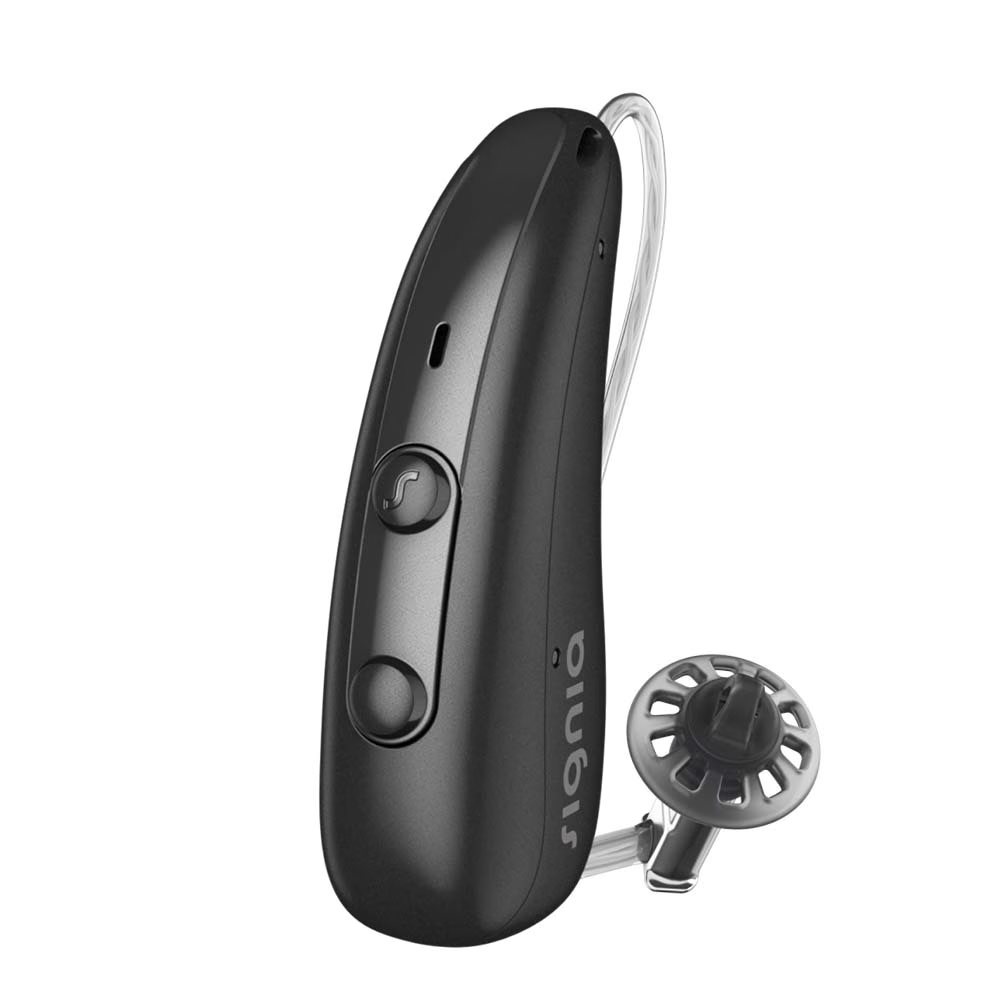
As we look towards 2026, the leading hearing aids in the UK offer much more than basic sound amplification. Key factors that distinguish these devices include battery longevity, quality of Bluetooth streaming, discreet design, and compatibility with Auracast for advanced public audio streaming. Well-respected brands such as Signia, Rexton, Widex, Oticon, and Starkey are at the forefront, offering premium models that are rechargeable and utilise AI technology. Recent reviews from audiology professionals in the UK highlight the growing popularity of Auracast-compatible devices and the emergence of virtually invisible rechargeable in-ear options.

1. Top Choice in Hearing Aids

– Signia Pure Charge&Go IX

The Signia IX platform stands out as a premium choice in the UK market. It excels in speech clarity even in noisy environments, offers robust Bluetooth streaming, boasts impressive battery life, and features top-notch app controls. The Integrated Xperience platform particularly benefits individuals who frequently navigate between conversations.

2. Leading Invisible Hearing Aid

– Signia Silk IX Charge&Go

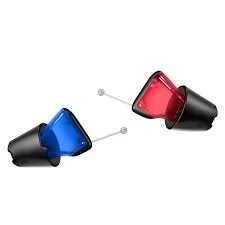
This model represents one of the smallest rechargeable in-ear hearing aids equipped with Bluetooth technology, offering an exceptionally discreet fit.

It is among the few truly invisible rechargeable CIC-style hearing aids available in the UK, perfect for users seeking nearly undetectable hearing support without compromising on modern streaming capabilities and rechargeability.

3. Best Hearing Aid for Natural Sound Quality

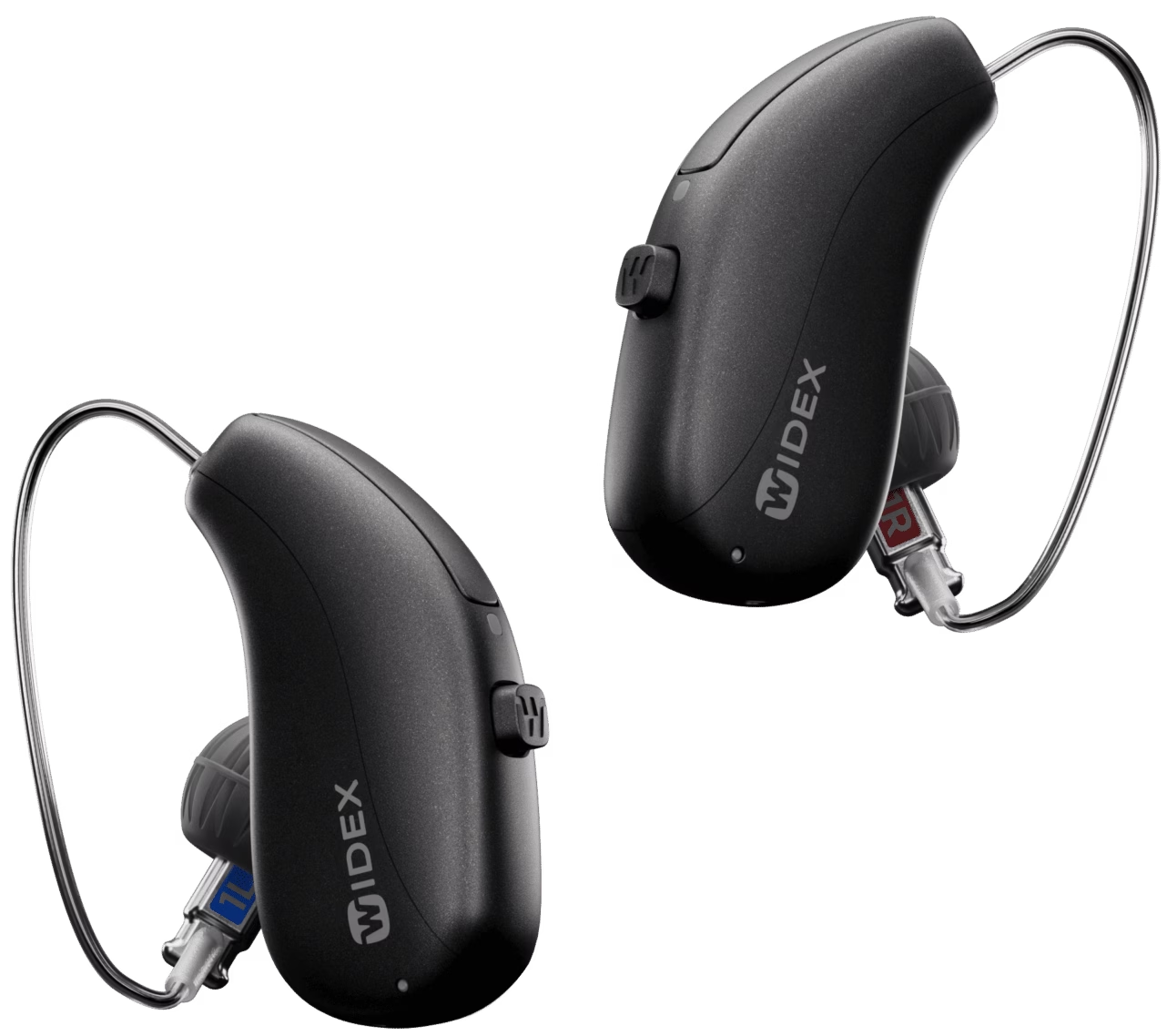
– Widex Allure 440

This premium rechargeable hearing aid is renowned for delivering exceptionally natural sound quality and minimal processing delay.

Widex has a strong following among music enthusiasts and those who are sensitive to artificial sound processing. The SmartRIC redesign enhances both microphone positioning and battery efficiency.

4. Optimal Choice for Auracast Compatibility

– Starkey Omega AI 24

The Omega AI 24 represents Starkey’s pinnacle in hearing aid technology. It features exclusive DNN 360 directionality, providing exceptional speech comprehension in challenging environments, along with advanced spatial awareness and superior automatic sound optimisation. This model is particularly beneficial for active users frequenting restaurants, social events, and bustling public spaces.

5. Leading Choice for Brain-Led AI Processing

– Oticon Intent 1

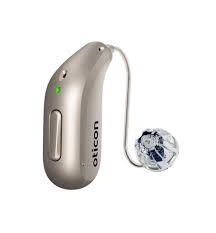
The Oticon Intent is recognised as one of the most advanced hearing aids available, equipped with 4D sensors that adapt to movement, listening intent, and the dynamics of conversation in real-time. UK reviewers consistently rank it among the top premium hearing aids of 2026.

Signia Pure Charge and Go IX Signia Silk Charge & Go IX Widex Allure RIC 440 Starkey Omega AI 24 Oticon Intent 1
Style RIC (Receiver-in-Canal) CIC / Invisible-in-ear RIC Custom rechargeable miniRITE
Rechargeable Yes Yes Yes Yes Yes
Bluetooth Streaming Excellent Limited vs RIC models Excellent Excellent Excellent
Auracast / LE Audio LE Audio-ready Limited future support Expected future support Strong early support LE Audio capable
Best Strength Group conversations Discreet design Natural sound quality AI + smart features Adaptive listening
Speech in Noise Excellent Very good Good–Very Good Excellent Excellent
Music Quality Very Good Good Excellent Very Good Very Good
Visibility Low-profile Nearly invisible Moderate Invisible/custom Moderate
Battery Life Up to full day+ Full day Full day Excellent Excellent
App Experience Excellent Signia app Signia app Widex app Starkey app with wellness tools Oticon Companion
Best For Busy social environments Users wanting invisible aids Music lovers & natural sound Tech-focused users Dynamic listening environments
Hearing Loss Range Mild–Profound Mild–Moderate Mild–Profound Mild–Severe Mild–Profound
Key Differentiator RealTime Conversation Enhancement Smallest rechargeable Signia style Widex PureSound processing AI health + environmental features 4D user-intent sensors

For most users in the UK seeking a well-rounded hearing aid, the Signia Pure Charge&Go IX is likely the best option, particularly for those prioritising speech clarity in social settings such as restaurants and meetings. The Widex Allure 440 excels in music quality and natural sound reproduction, while the Signia Silk IX is the go-to choice for those prioritising cosmetic invisibility. The Starkey Omega AI 24 is ideal for users interested in AI-driven wellness features and future-proof connectivity, while the Oticon Intent 1 excels with its adaptive processing capabilities that utilise motion and conversation sensors.

The post Top 5 Hearing Aids by Feature – Bluetooth, AuraCast, and More appeared first on The Microsuction Ear Wax Removal Network.

Categories
Hearing Aids Technology & Innovation

Starkey Muse Launches in the UK Market

Starkey Muse from Hearing First introduces a new generation of power and precision for hearing aid users, enhancing conversation clarity in noisy settings and providing a more natural music experience.

Starkey Muse from Hearing First

Discover the Launch of Starkey Muse Hearing Aids in the UK

Starkey has proudly unveiled its latest Muse range of hearing aids, designed to meet the diverse needs of users. These devices are available in various styles, including the powerful yet discreet CIC (completely in the canal), ITC, and ITE custom options, as well as the microRIC 312, miniBTE, and the microRIC 312 AP, all offering up to 70dB of feedback-free amplification. For those prioritising discretion, Starkey now introduces the Soundlens Synergy, the world’s first wireless true IIC (invisible in the canal) hearing aid.

The Muse range is offered in three advanced technology levels: i2400, i2000, and i1600. Each device is powered by Starkey’s innovative Synergy technology platform, featuring a quad-core architecture that supports up to 24 channels and twin compressors for enhanced performance.

All models in the Muse range come equipped with Starkey’s patent-pending Multiflex Tinnitus technology. This cutting-edge feature combines personalisation and flexibility, providing much-needed relief for wearers experiencing tinnitus.

The Muse range, featuring Starkey’s groundbreaking Synergy platform, stands out as the only solution with quad-core twin compressor technology. It excels in delivering unparalleled precision for sound audibility and optimises listening enjoyment to the highest degree. The Synergy platform, alongside the new Acuity OS, Starkey’s high-definition operating system, processes speech and sounds, such as music, in a unique manner for the first time. This advancement significantly enhances speech audibility and enriches the listening experience in various environments.

Synergy integrates 900sync Technology, a wireless solution preferred by patients. This technology provides an exceptional audio experience, particularly beneficial for those with unilateral hearing loss through the new Muse CROS System. It also enhances phone conversations with the innovative ear-to-ear phone streaming feature.

To explore the Starkey Muse range further, visit the links below:

Learn about Starkey Muse i2400

Discover Starkey Muse i2000

Categories
Health & Wellness Hearing Devices

Starkey Muse i2400: Affordable Hearing Aids for All Styles

Starkey Muse i2400 £1595 from Hearing First offers an innovative solution for hearing aid users, enhancing clarity in challenging environments and providing a more natural sound for music.

Starkey Muse i2400 £1595 from Hearing First

Discover the Starkey Muse i2400 for £1595

Starkey has unveiled its latest Muse range of hearing aids, now available at the unbeatable price of £1595 exclusively from Hearing First. This range offers a variety of styles, including the discreet yet powerful Completely In Canal (CIC), In The Canal (ITC), and In The Ear (ITE) custom options, as well as the Micro Receiver In Canal (microRIC) 312, Mini Behind The Ear (miniBTE), and the microRIC 312 AP, which boasts an impressive amplification of up to 70dB without feedback. For those prioritising discretion, Starkey’s Soundlens Synergy presents the world’s first wireless true Invisible In Canal (iIC) hearing aid.

The Muse series is available in three technology levels: i2400, i2000, and i1600. Each hearing aid is powered by Starkey’s groundbreaking Synergy technology platform, featuring a quad-core architecture that supports up to 24 channels and twin compressors.

Every model in the Muse range is equipped with Starkey’s innovative, patent-pending Multiflex Tinnitus technology, designed to provide personalised relief for individuals experiencing tinnitus.

Key Technologies of the Starkey Muse i2400

The i2400 model is packed with advanced features, including:

  • 24 channels and 24 bands for precise sound control
  • Extended bandwidth reaching up to 10kHz
  • Acuity OS for improved auditory processing
  • 900sync Wireless Technology for seamless connectivity
  • Wireless Spatial Streaming for enhanced listening
  • Acuity Speech Optimisation for clearer conversations
  • Music Enhancement features, which include:
    • Music Adaptation – Level 4 for customised sound
    • Music Memory for personalised music experiences
    • E2E Music Adaptation – Maximum for superior audio quality
  • Ear-to-Ear Acuity Binaural Imaging, with:
    • E2E Machine Noise Adaptation – Level 4 for optimal performance in various environments
    • E2E Wind Noise Management – Level 4 for clear sound in breezy conditions
    • E2E Directionality for enhanced spatial awareness
    • E2E Phone Streaming for effortless phone conversations
  • Environment Manager – Acuity Lifescape Analyser, featuring:
    • Music – Level 4 for tailored listening experiences
    • Speech – Level 4 for enhanced clarity in conversations
    • Speech and Noise – Level 4 for balanced sound in challenging settings
    • Machine Noise – Level 4 to minimise distractions
    • Wind – Level 4 for uninterrupted enjoyment
    • Noise – Level 4 for a comfortable auditory environment
    • Quiet – Level 4 for serene listening
  • Directional Processing – Acuity Directionality, comprising:
    • Channels: 24 for comprehensive sound coverage
    • Dynamic – Maximum for responsive adjustment
    • Directional – Maximum for focused listening
    • Adaptive – Maximum for changing environments
  • Noise Control – Acuity Voice, which includes:
    • Noise Reduction Strength – Level 4 for a quieter listening experience
  • Whistlefree Feedback Cancellation to eliminate unwanted sounds
  • Speech Shift Frequency Lowering for clearer speech perception
  • Multiflex Tinnitus Technology for tailored tinnitus relief
  • SurfLink Wireless Accessories for enhanced connectivity

The Muse, powered by Starkey’s revolutionary Synergy platform, stands out as the only system featuring quad-core twin compressor technology. This innovation ensures exceptional precision for audibility and the highest optimisation for listening pleasure. The Synergy platform, in conjunction with Acuity OS, Starkey’s new high-definition operating system, processes speech and music in a unique manner, significantly enhancing clarity and enjoyment in all settings.

Synergy includes 900sync Technology, favoured by patients, which delivers an unparalleled audio experience. This technology is particularly beneficial for those with unilateral hearing loss, thanks to the new Muse CROS System, and enhances phone conversations with the cutting-edge ear-to-ear phone streaming.

Categories
Health & Wellness Hearing Devices

Starkey Muse i2000 Hearing Aids: CIC, ITC, ITE, RIC, BTE Options

Starkey Muse i2000 £1295 from Hearing First delivers exceptional clarity and comfort for hearing aid users, enhancing conversations in noisy settings and providing a natural sound experience for music.

Starkey Muse i2000 £1295 from Hearing First

Discover the Starkey Muse i2000 for £1295

When searching for the best price in the UK for the Starkey Muse i2000, look no further than Hearing First.

The Starkey Muse i2000 introduces an innovative standard in ear-to-ear communication. Its Acuity Binaural Imaging technology delivers ultra high-definition audio, creating a seamless ear-to-ear experience for users. This advanced feature allows for collaborative decision-making, ensuring that speech is audible while maintaining comfort throughout the listening experience.

Today’s users desire an enjoyable listening experience in a variety of environments. The Acuity Lifescape Analyzer serves this need with its comprehensive environmental detection capabilities. This sophisticated system categorises sound into seven distinct classes, effectively managing various surroundings and providing the most precise and adaptive sound classification to date.

To enhance speech recognition in challenging listening situations, Acuity Directionality is designed to be both intelligent and personalised. It continuously adjusts across all channels, prioritising conversations with up to 6dB of speech enhancement, allowing users to hear and engage in discussions from multiple directions effortlessly.

Acuity Voice works in tandem with the Acuity Lifescape Analyzer to optimise speech audibility. This dual-algorithm approach employs dynamic voice recognition alongside spectral noise control, ensuring appropriate gain is applied on a per-channel basis. This results in exceptional sound quality, making listening easier and enhancing speech clarity in noisy environments.

Our cutting-edge wireless system, 900sync, offers seamless streaming of a caller’s voice to both ears through the innovative Ear-to-Ear Phone Streaming feature, simplifying phone conversations significantly.

Advanced Technology Features of the Starkey Muse i2000

The i2000 model is equipped with an impressive array of features, including:

  • 20 channels and 20 bands for precise sound control
  • Extended bandwidth capabilities up to 10kHz
  • Acuity OS for enhanced performance
  • 900sync Wireless Technology for seamless connectivity
  • Wireless Spatial Streaming for an immersive audio experience
  • Acuity Speech Optimisation – Medium for tailored speech clarity
  • Music Enhancement, featuring
    • Music Adaptation – Level 2 for personalising sound
    • Music Memory for recalling preferred settings
    • E2E Music Adaptation – Medium for improved music listening
  • Ear 2 Ear Acuity Binaural Imaging, which includes
    • E2E Machine Noise Adaptation – Level 2 for reducing distractions
    • E2E Wind Noise Management – Level 2 for clearer listening
    • E2E Directionality for focused sound
    • E2E Phone Streaming for enhanced call quality
  • Environment Manager – Acuity Lifescape Analyser, featuring
    • Music – Level 2 for balanced musical experiences
    • Speech – Level 2 for clear communication
    • Speech and Noise – Level 2 for effective sound management
    • Machine Noise – Level 2 for reducing mechanical distractions
    • Wind – Level 2 for clearer outdoor listening
    • Noise – Level 2 for effective sound control
    • Quiet – Level 2 for serene listening environments
  • Directional Processing – Acuity Directionality, featuring
    • Channels: 20 for expert sound tuning
    • Dynamic – Medium for responsive audio
    • Directional – Medium for focused listening
    • Adaptive – Medium for personalisation
  • Noise Control – Acuity Voice
    • Noise Reduction Strength – Level 2 for minimising background noise
  • Whistle-free Feedback Cancellation for uninterrupted listening
  • Speech Shift Frequency Lowering for enhanced clarity
  • Multiflex Tinnitus Technology for comfort and relief
  • SurfLink Wireless Accessories for additional connectivity options

The Starkey Muse, powered by the revolutionary Synergy platform, stands out as the only system featuring quad core twin compressor technology. This ensures unmatched precision for audibility and optimises enjoyment in listening experiences. The Synergy platform, paired with Acuity OS, Starkey’s new high-definition operating system, allows for unique processing of speech and music sounds, significantly enhancing clarity and enjoyment across various environments.

Synergy integrates 900sync Technology, our highly regarded wireless solution that offers a superior audio experience. This technology supports users with unilateral hearing loss through the innovative Muse CROS System and enhances phone call clarity via the advanced ear-to-ear phone streaming feature.

Categories
Health & Wellness Hearing Aids

Starkey Soundlens Synergy i2400 for £2195 Today

Discover the Starkey Soundlens Synergy i2400 Hearing Aids

Starkey Soundlens Synergy From Hearing First - the world's smallest truly invisible in the canal hearing aid - now available with wireless technology.

Starkey Soundlens Synergy From Hearing First

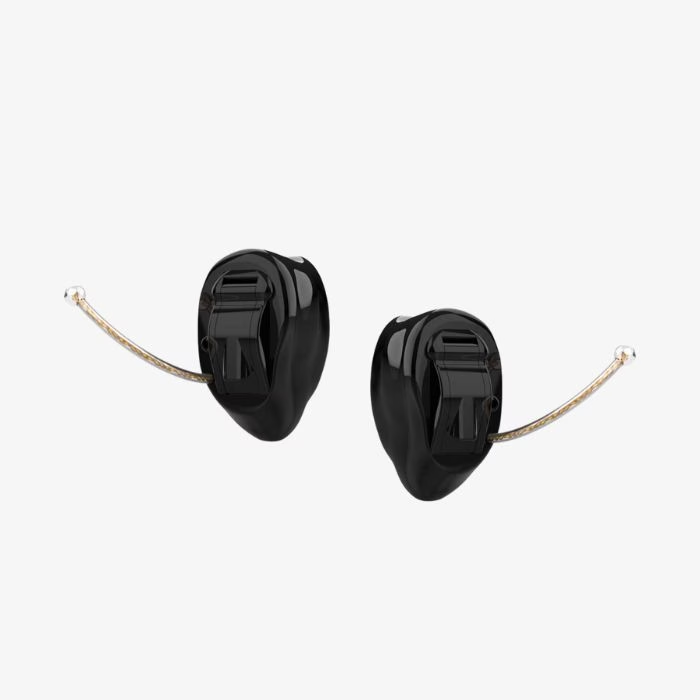
The Starkey SoundLens Synergy i2400, available through Hearing First, represents the pinnacle of invisible hearing aid technology. Meticulously crafted to match your individual requirements and the unique contours of your ear canal, these devices nestle comfortably deep within your ear, ensuring only you are aware of their presence. Despite their minuscule size, the SoundLens Synergy is packed with advanced features, making them the first choice for custom-fit Invisible-in-the-Canal (IIC) hearing aids.

  • Experience Unseen Comfort with Custom Fit

    These hearing aids are designed to sit deeply within your ear canal, personalised for your comfort throughout the day.

    Starkey has long been renowned for producing the smallest, genuinely invisible in-the-canal hearing aids. With the introduction of wireless technology and an innovative platform, these models offer unparalleled advancements in discreet hearing solutions.

  • How Do You Easily Adjust to New Sounds?

    This innovative feature facilitates your adjustment to hearing aids by gradually modifying settings, helping your brain acclimatise to new auditory experiences.

  • Why Choose Enhanced Wireless Streaming?

    Enjoy consistent wireless performance when streaming television shows, music, and other media through SurfLink®Mobile 2 and various SurfLink accessories.

  • How to Achieve a Tailored Listening Experience?

    Sound comfort technology delivers distortion-free listening for loud sounds while ensuring that soft sounds remain crystal clear, creating an enjoyable auditory experience.

  • What Makes Buzzing and Whistling a Thing of the Past?

    Our industry-leading feedback cancellation system ensures a feedback-free listening experience, providing comfort all day long.

  • How to Experience Music as it Was Meant to Be Heard?

    These hearing aids are engineered to let you enjoy music in a revolutionary way, allowing you to perceive every note as the artist intended, with exceptional sound clarity.

  • What Custom Tinnitus Relief Options Are Available?

    Integrated Multiflex Tinnitus Technology offers tailored relief for individuals dealing with the discomfort of tinnitus, or ringing in the ears.

Key Technological Features of the Starkey Soundlens Synergy i2400

The i2400 model is equipped with a range of advanced features, including:

  • 24 channels and 24 bands for precise sound adjustment
  • Extended bandwidth that reaches up to 10kHz
  • Acuity OS for enhanced auditory processing
  • 900sync Wireless Technology for seamless connectivity
  • Wireless Spatial Streaming capabilities
  • Acuity Speech Optimisation for clearer conversation
  • Music Enhancement features, including:
    • Music Adaptation – Level 4 for personalised listening
    • Music Memory for familiar sound profiles
    • E2E Music Adaptation – Maximum for optimal audio experience
  • Ear 2 Ear Acuity Binaural Imaging, featuring:
    • E2E Machine Noise Adaptation – Level 4 for noise control
    • E2E Wind Noise Management – Level 4 for outdoor clarity
    • E2E Directionality for improved sound localisation
    • E2E Phone Streaming for direct audio from devices
  • Environment Manager – Acuity Lifescape Analyser, including:
    • Music – Level 4 for enhanced musical experiences
    • Speech – Level 4 for clearer dialogue
    • Speech and Noise – Level 4 for balanced listening
    • Machine Noise – Level 4 for reduced disturbances
    • Wind – Level 4 for outdoor listening
    • Noise – Level 4 for overall sound management
    • Quiet – Level 4 for peaceful moments
  • Noise Control – Acuity Voice with:
    • Noise Reduction Strength – Level 4 for a quieter environment
  • Whistlefree Feedback Cancellation for uninterrupted audio
  • Speech Shift Frequency Lowering for enhanced speech clarity
  • Multiflex Tinnitus Technology for effective relief
  • Compatibility with SurfLink Wireless Accessories for extended functionality

Categories
Health & Wellness Healthcare Technology

Healthcare Tech Upgrades: Effective NHS Implementation Strategies

Thorough Assessment of NHS Technological Infrastructure

Executing Detailed Technology Audits

Performing meticulous evaluations of the current NHS technology systems is essential for pinpointing obsolete equipment and the inefficiencies affecting hospitals and clinics across the United Kingdom. These thorough audits must assess the operational capability of the technology in use, ensuring compliance with national standards and alignment with the priorities of patient care. By interacting with the technology that facilitates healthcare delivery, stakeholders can acquire a clearer understanding of what requires upgrading. Special emphasis should be placed on the age of equipment, the latest software versions, and whether current systems can accommodate modern interoperability needs.

Audits should include an evaluation of existing performance metrics, which can uncover critical deficiencies in service delivery and patient outcomes. Identifying these shortcomings lays the foundation for prioritising upgrades that promise the most significant improvements in patient care. For example, if a hospital’s electronic health record (EHR) system lacks connectivity with diagnostic tools, this may result in treatment delays. Tackling such issues is vital for streamlining operations and enhancing clinical efficiency.

Assessing Staff Preparedness for Technology Integration

Evaluating the readiness of NHS teams to adopt new tools is crucial for ensuring a successful technology upgrade. Insights gathered from various trusts throughout the United Kingdom suggest that levels of readiness can vary greatly, influenced by factors such as previous experiences with technology, existing skill sets, and the nature of training received in the past. Identifying training gaps is essential; if staff members lack the skills necessary to operate new systems effectively, the entire upgrade initiative may not achieve its aims.

Regular evaluations can help determine the comfort levels and proficiency of staff with current technologies. For instance, using surveys or focus groups can yield valuable insights directly from the frontline users of these systems. This engagement nurtures a culture of continuous learning and development, empowering staff to play an active role in the upgrade process. Focusing on targeted training initiatives tailored to identified deficiencies will bolster staff confidence and ensure smoother transitions to new technologies.

Anticipating Integration Challenges Prior to Upgrades

Integrating new technologies into the existing NHS framework can pose various challenges, particularly when dealing with legacy databases and electronic patient records (EPRs). Early identification of key integration points is vital during the upgrade process to mitigate potential complications. The challenges can be itemised as follows:

  • Compatibility with legacy systems
  • Data migration complexities
  • Interoperability with third-party applications
  • User interface discrepancies
  • Access control and data security protocols
  • Training requirements for staff on new systems
  • Regulatory compliance across different regions
  • Continual support during the transition phase

By prioritising these integration challenges, NHS trusts can develop strategic solutions that ensure new systems complement and enhance existing workflows. A well-planned integration strategy is crucial to avoiding disruptions in patient care and maintaining workflow efficiency.

How Does Stakeholder Engagement Enhance Technology Upgrades?

Identifying and Involving Key NHS Stakeholders

Mapping the diverse stakeholders within NHS organisations is vital for aligning technology upgrade objectives with the actual needs and operational realities faced by clinicians, administrators, and IT leaders. Frontline staff provide invaluable insights into the daily challenges that technology can effectively address. Engaging these individuals from the beginning ensures that the solutions implemented are not only suitable but also embraced by those who will ultimately use them.

Stakeholders may include a wide range of individuals, such as department heads, IT specialists, and clinical personnel. Each group brings a unique perspective that can significantly inform the upgrade process. Regular meetings and discussions with these stakeholders foster a collaborative environment where every opinion is valued. Understanding their priorities allows for a more customised approach to technology integration, ultimately leading to improved outcomes for both patients and staff.

Creating Collaborative Frameworks for Stakeholder Input

Establishing regular forums to gather input from both patients and staff is essential for refining implementation plans within NHS organisations. Collaboration can take various forms, including focus groups and surveys, ensuring that all voices are heard throughout the upgrade process. These forums provide stakeholders with a platform to express their concerns and share innovative ideas, fostering a sense of ownership over the new technologies being introduced.

Collaborative frameworks can help identify potential barriers to adoption early on. By promoting open communication, NHS trusts can proactively address issues that may arise. This approach enhances the likelihood of successful technology implementation and builds trust between management and staff, which is fundamental for long-term success. As technology advances, the methods employed to engage with those affected must evolve, ensuring that NHS organisations remain responsive to stakeholder needs.

Evaluating Engagement Outcomes for Ongoing Improvement

To effectively monitor the success of stakeholder engagement during healthcare technology initiatives, it is crucial to establish appropriate metrics. These metrics may encompass participation rates in consultations, feedback scores from surveys, and levels of staff involvement in training sessions. Such indicators provide a measurable understanding of how engaged stakeholders are with the upgrade process.

Engagement measurement can also extend to patient interactions. For instance, tracking patient satisfaction ratings before and after upgrades can offer insights into whether technological changes have positively impacted care delivery. Establishing these metrics enables NHS trusts to assess the effectiveness of their engagement strategies and make necessary adjustments to enhance buy-in from all parties involved.

Addressing Barriers to Effective Implementation

Identifying and resolving potential obstacles such as budget constraints and staff scepticism is essential for ensuring successful technology upgrades within the NHS. Building trust and clearly demonstrating the benefits to all stakeholders can help alleviate resistance to change. Open discussions about the anticipated improvements in patient care and operational efficiencies can reduce apprehensions related to new technologies.

Sharing case studies or examples of successful technology implementations within similar NHS settings can serve as motivational factors for hesitant staff. Presenting evidence-based outcomes reinforces the message that upgrades are advantageous and necessary for improving healthcare delivery. Strategies to mitigate the impact of budget constraints might include phased implementations or exploring alternative funding sources, such as public-private partnerships, to facilitate the transition.

Insights from Experts on Effective Healthcare Technology Upgrades

Learning from NHS Pilot Programmes

Investigating successful technology rollouts within NHS trusts reveals invaluable lessons that can promote scalable adoption across the healthcare sector. Recent pilot programmes, such as the introduction of digital triage systems in emergency departments, showcase the potential for technology to significantly improve patient experience and operational efficiency. In these cases, meticulous planning and strong stakeholder engagement were crucial in navigating integration challenges while ensuring staff received adequate training.

These pilot studies often highlight the importance of a phased approach to implementation, allowing for adjustments based on real-time user feedback. When scaling these technologies, maintaining open communication with all stakeholders is essential, as their insights can inform further developments. Reviewing such case studies can provide a roadmap for NHS organisations looking to implement similar upgrades, ensuring they learn from both the successes and challenges experienced by their peers.

Confronting Common Barriers to Technology Adoption

Frequent barriers to technology upgrades in NHS environments include funding limitations and resistance to change among staff. Actionable steps to overcome these challenges begin with clear communication regarding the advantages that upgrades will yield. Involving staff early in the process can also help reduce resistance; when employees comprehend how technology can alleviate their burdens, they are more likely to embrace changes.

Developing a solid financial plan that outlines the costs of implementation and ongoing maintenance can assist in securing necessary funding. Presenting a comprehensive view of the return on investment for technology upgrades is likely to resonate with decision-makers and stakeholders. This thorough approach ensures that both financial and operational aspects of upgrades are carefully considered, leading to more successful outcomes.

Aligning Technology Upgrades with National Objectives

Technology upgrades must align with the objectives set out in the NHS Long Term Plan to ensure they contribute effectively to overarching goals within the health service. Understanding how technology fits into these national policies helps NHS organisations prioritise initiatives that will not only benefit their own operations but also contribute positively to the broader healthcare landscape across the UK.

For example, many initiatives under the Long Term Plan focus on improving patient access to services through technology. This alignment guarantees that upgrades are meaningful and contribute to achieving national targets, facilitating a more coordinated approach to health service delivery. aligning with national policies aids in securing funding, as projects that reflect governmental priorities are more likely to receive support.

What Funding Options Are Available for Technology Upgrades?

Investigating Government Grants for NHS Technological Enhancements

NHS-specific funding streams dedicated to technology improvements are crucial in facilitating upgrades across public health services in the United Kingdom. Understanding the eligibility criteria for these grants can unlock significant resources for NHS organisations seeking to implement new technologies. Various government initiatives, such as the Digital First programme, aim to support NHS trusts in enhancing their technological capabilities.

Applying for these grants requires a comprehensive understanding of both the project goals and the expected outcomes. NHS organisations must present clear proposals that detail how the requested funds will be utilised to improve patient outcomes and operational efficiency. By proactively pursuing these funding opportunities, NHS trusts can alleviate some of the financial burdens associated with technology upgrades.

Utilising Public-Private Partnerships for Expedited Upgrades

Public-private partnerships (PPPs) can significantly accelerate technology upgrades within NHS trusts by combining resources and expertise from both sectors. These collaborations enable NHS organisations to share the financial burden of technology implementation while benefiting from the innovative solutions offered by private companies. Such partnerships can foster a spirit of innovation and efficiency, allowing quicker access to the latest technologies.

Successful instances of PPPs in the NHS include collaborations for telehealth services and digital health solutions. These partnerships not only enhance service delivery but also create a competitive marketplace where best practices can thrive. By leveraging the strengths of both sectors, NHS trusts can navigate the complexities surrounding technology implementation more effectively.

Planning for Sustainable Ongoing Expenses

Considering ongoing costs is vital for the sustainability of NHS tech systems following implementation. A thorough budgeting process should encompass various recurring expenses, which can be summarised as follows:

  • Software licensing fees
  • Maintenance and support services
  • Training and development for staff
  • Data storage and management
  • System upgrades and updates
  • Cybersecurity measures
  • Integration with other systems
  • Patient support and engagement tools

Incorporating these costs during the planning phase ensures that NHS trusts maintain financial viability and can continue to support their enhanced technology infrastructure. This foresight is critical for ensuring that technology upgrades deliver lasting benefits for patient care and operational performance.

Research-Supported Advantages of Implementing Healthcare Technology Upgrades

Quantifying Efficiency Gains from Technological Implementation

Providing expert analysis on time savings and error reductions observed in the United Kingdom NHS implementations significantly highlights the benefits of technology upgrades. For instance, the introduction of automated scheduling systems in outpatient clinics has led to noticeable decreases in administrative time, allowing staff to focus more on patient care. Such efficiency gains not only boost productivity but also enhance patient experiences.

Quantifying these improvements can be achieved through data analysis, comparing pre- and post-implementation metrics. By presenting concrete figures to stakeholders, NHS organisations can clearly demonstrate the tangible benefits of investing in technology. Efficiency is essential for delivering high-quality care, and showcasing these gains reinforces the necessity for ongoing investment in healthcare technology.

Enhancing Patient Outcomes Through Technology Adoption

Real-world examples of improved care quality from recent NHS technology adoptions illustrate the significant impact of tech upgrades on patient outcomes. For instance, deploying electronic prescribing systems has markedly reduced medication errors, ensuring patient safety and enhancing overall care delivery. These systems enable clinicians to access up-to-date patient information promptly, facilitating more informed decision-making.

Improved data sharing between departments leads to more coordinated care pathways. Patients benefit from streamlined processes, reduced wait times, and ultimately better health outcomes. Demonstrating these real-world applications not only validates the need for technology upgrades but also fosters a culture of continuous improvement within NHS trusts.

Maximising Data Utilisation for Informed Decision Making

Research indicates that upgraded systems in healthcare settings can enhance decision-making through improved data utilisation. When NHS organisations leverage advanced analytics tools, they gain deeper insights into patient populations, treatment efficacy, and resource allocation. This shift towards data-driven decision-making enables healthcare providers to tailor services to the specific needs of their communities.

Enhanced data utilisation can facilitate proactive health management, identifying trends and addressing issues before they escalate. By harnessing the power of data analytics, NHS organisations can improve service delivery and drive continuous improvement in patient care. This strategic approach positions technology upgrades as essential components of modern healthcare provision.

What Measures Can Ensure Data Security During Upgrades?

Implementing Strong Encryption to Safeguard Patient Data

Complying with UK data protection regulations is vital for protecting patient information throughout NHS technology transitions. Implementing strong encryption methods not only secures sensitive data but also builds trust with patients concerned about their privacy. Effective encryption protocols ensure that even in the event of data breaches, the information remains secure and inaccessible.

NHS organisations must stay informed about evolving data protection laws and best practices, adapting their security measures accordingly. This proactive approach to data security is critical for maintaining compliance and safeguarding patient confidentiality. By prioritising encryption and data protection, NHS trusts can create a secure environment for both staff and patients during technology upgrades.

Conducting Regular Risk Assessments for Vulnerability Management

NHS organisations should carry out regular risk assessments to thoroughly evaluate vulnerabilities during upgrade phases. These assessments must be comprehensive, covering both technological and human factors that could compromise data security. Establishing a consistent schedule for these evaluations ensures that potential risks are identified and mitigated proactively.

Risk assessments should also involve staff training to ensure that all personnel are aware of security protocols and their responsibilities in maintaining data integrity. By fostering a culture of security awareness, NHS organisations can significantly reduce the likelihood of breaches during technology transitions. This continuous vigilance is essential for protecting patient information and instilling trust in the healthcare system.

Training Staff on Cybersecurity Best Practices

Equipping staff with the necessary skills to uphold security standards in United Kingdom healthcare facilities is not just a regulatory obligation; it is fundamental to creating a secure environment during technology upgrades. Comprehensive training programmes should cover best practices for data protection, recognising phishing attempts, and effective incident response strategies.

Regular workshops and refresher courses can help reinforce these skills, ensuring that staff remain informed about evolving cybersecurity threats. A well-trained workforce acts as the first line of defence against potential breaches, enhancing the overall security posture of NHS organisations. By prioritising cybersecurity training, NHS trusts not only protect patient data but also cultivate a culture of responsibility and vigilance among all employees.

Monitoring and Evaluating Performance Following Upgrades

Establishing Clear Performance Indicators for Success Assessment

Defining success criteria aligned with NHS objectives, such as reduced wait times and improved diagnostics, is vital for monitoring the effectiveness of technology upgrades. Establishing clear performance indicators allows NHS organisations to assess the impact of new technologies on both operational efficiency and patient care.

These indicators may include metrics such as patient throughput, error rates, and staff productivity levels. By regularly reviewing these performance indicators, NHS trusts can identify areas for improvement and make data-driven decisions to optimise their healthcare delivery. A structured approach to performance evaluation ensures that technology upgrades deliver the expected outcomes and contribute to ongoing enhancements in service quality.

Implementing Effective Feedback Mechanisms for Continuous Improvement

Creating effective feedback mechanisms to collect input from patients and providers within the United Kingdom is essential for evaluating the success of technology upgrades. A bullet list of potential survey methods includes:

  • Patient satisfaction surveys post-visit
  • Focus groups with clinical staff
  • Online feedback forms
  • Real-time feedback tools integrated into patient management systems
  • Regular check-ins with stakeholders during the upgrade process
  • Post-implementation reviews with key personnel
  • Anonymous suggestion boxes for staff
  • Patient experience interviews

These feedback mechanisms enable NHS organisations to gather insights that inform ongoing refinements to technology implementations. By nurturing a culture of open communication, NHS trusts can create a continuous improvement loop that enhances both staff and patient experiences.

Adjusting Strategies Based on Performance Findings

Ongoing refinements are vital for the long-term success of technology upgrades within NHS contexts. When performance indicators and feedback mechanisms highlight areas needing improvement, NHS organisations must remain responsive in their actions. Developing a framework for adjusting strategies based on results can facilitate prompt responses, ensuring that technologies continue to meet the evolving needs of patients and healthcare providers.

For instance, if feedback indicates that a new EHR system is causing delays in patient processing, NHS trusts should investigate the underlying issues and implement necessary changes swiftly. This proactive approach to identifying and addressing challenges enhances the overall effectiveness of technology upgrades and fosters a culture of continuous improvement.

Benchmarking Against Comparable Healthcare Systems for Best Practices

Conducting thorough benchmarking exercises by comparing the upgraded system’s key performance indicators with those of leading healthcare organisations across the United Kingdom and Europe can help identify gaps and opportunities for further enhancements in service delivery. Benchmarking provides valuable insights into best practices and highlights areas where NHS organisations can improve or innovate.

By assessing performance against similar systems, NHS trusts can uncover successful strategies that may be adapted to their contexts. This process not only drives improvement but also instils a sense of accountability as organisations strive to meet or exceed industry standards. Benchmarking should be an ongoing process that informs future technology upgrades, ensuring that NHS organisations stay at the forefront of healthcare delivery.

Frequently Asked Questions About NHS Technology Upgrades

What Are Healthcare Technology Upgrades?

Healthcare technology upgrades refer to the implementation of new technologies or enhancements to existing systems aimed at improving patient care and operational efficiency within healthcare settings.

How Can NHS Organisations Begin Technology Audits?

NHS organisations can initiate technology audits by conducting thorough reviews of current systems, assessing equipment age, software effectiveness, and compliance with national standards.

What Role Do Stakeholders Have in Technology Upgrades?

Stakeholders, including clinicians and IT leads, provide critical insights into practical needs and operational realities, helping to shape technology upgrades that align with frontline requirements.

What Are the Common Barriers to Healthcare Technology Upgrades?

Common barriers include budget constraints, resistance to change among staff, and integration challenges with existing systems, all of which can hinder successful implementations.

How Can Funding for Technology Upgrades Be Obtained?

Funding can be secured through government grants, public-private partnerships, and careful budgeting that outlines the expected return on investment for technology upgrades.

What Are the Advantages of Technology Adoption in Healthcare?

Benefits include increased efficiency, improved patient outcomes, enhanced data utilisation, and the facilitation of better decision-making within healthcare settings.

How Is Data Security Maintained During Upgrades?

Data security is maintained through robust encryption, regular risk assessments, and training staff on cybersecurity protocols to safeguard patient information.

What Performance Indicators Should NHS Organisations Monitor Post-Upgrade?

NHS organisations should track performance indicators such as patient throughput, error rates, staff productivity, and patient satisfaction to evaluate the effectiveness of technology upgrades.

How Can Feedback from Staff and Patients Be Effectively Collected?

Feedback can be gathered through surveys, focus groups, real-time feedback tools, and anonymous suggestion boxes to ensure diverse perspectives are captured.

Why Is Benchmarking Important for NHS Technology Upgrades?

Benchmarking against comparable healthcare systems helps identify gaps, opportunities for improvement, and best practices that can enhance service delivery and patient care.

The post Healthcare Tech Upgrades: Strategies for NHS Implementation appeared first on Healthcare Marketing Service.

Categories
Health & Wellness Hearing Devices

Same Day Hearing Aids: AudioService Quixx 16 G2 Unveiled

Audio Service Quix from Hearing First - same day testing and fitting of invisible hearing aids

Same Day Invisible Hearing Aids from Hearing First

Experience the Convenience of Same Day Invisible Hearing Aids

Discover the Advanced Technology of Invisible Hearing Aids

The Audio Service quiX 16 G2 is a compact hearing aid that delivers exceptional performance. Designed as a modular system, it is practically invisible when placed in the ear canal. Unlike many other invisible-in-canal (IIC) hearing aids that require custom moulds, the quiX offers a versatile fitting with various sizes of open and closed domes tailored to your hearing needs and ear canal size.

Effortless Fitting on the Same Day

Thanks to the innovative design of the quiX, there is no need for an ear impression, enabling a quick fitting process. As long as you have a suitably sized ear canal—something that applies to 99% of individuals—you won’t have to endure a lengthy wait for your new high-tech invisible hearing aids. You can complete your hearing assessment and receive your hearing aids all in one visit.

Invisible Design with Hassle-Free Operation

The quiX 16 G2’s discreet size ensures it remains virtually undetectable in your ear. It operates automatically without any manual adjustments needed. Your audiologist will configure the device based on your hearing test results, allowing you to simply insert the aids and enjoy clear sound without fuss. These state-of-the-art hearing aids feature 36 channels and provide up to 40dB of amplification, catering to a wide range of hearing loss. They can automatically adapt to five different listening environments—quiet speech, speech in noise, music, general noise, and driving—ensuring you hear exactly what you want without needing to make any adjustments yourself.

Unveiling the quiX 16 G2 by Audio Service

The quiX 16 G2 represents a straightforward hearing solution designed for immediate use. Its compact design sits comfortably within the auditory canal, making it almost invisible when worn. This positioning is particularly beneficial for individuals who wear spectacles.

The form of the hearing aid mirrors the natural contours of the ear canal and concludes with the Clic Ball, which securely connects the quiX G2 to the Dome. The system operates entirely automatically, which makes it user-friendly for everyone.

Same Day Invisible Hearing Aids From Hearing First. No need for custom impressions and weeks of waiting. With Hearing First's quiX 16 G2, you can have your hearing test and get your hearing aids on the same day!

Same Day Invisible Hearing Aids From Hearing First – quiX 16 G2

Key Features of the quiX 16 G2

  • Completely in-canal (CIC) design with size 10 battery and standard shell
  • Minimised component size for enhanced comfort
  • 36 signal processing channels and 18 frequency channels
  • Single hearing programme
  • Data logging capabilities
  • G2 anti-feedback system
  • Noise management system, including impulse suppression
  • High-fidelity audio functionality
  • Fully automatic operation
  • Receiver featuring dual-chamber technology
  • Level-dependent signal tones for low battery alerts

Advanced Signal Processing Capabilities

  • G2 anti-feedback system
  • Noise management system
    • Adaptive noise reduction technology
    • Wiener filter implementation
    • Impulse suppression feature
    • Automatic situational adaptation
  • Frequency and dynamics concept
    • TRC S framework
    • Selective frequency compression
    • High-fidelity audio functionality

Innovative Automatic Functions

  • Intelligent acclimatisation feature
  • Comformatic adjustment system
Categories
Health & Wellness Scam Awareness

Hearing Aid Scams: Top Tips for Your Protection

Last Updated on 26/04/2025 by Admin

Identify and Protect Yourself from Common Hearing Aid Scams

Understanding the Different Types of Hearing Aid Scams

The alarming increase in fraudulent schemes related to hearing aids has raised significant concerns, especially as scammers exploit the vulnerabilities of individuals seeking assistance for their audiological health. One frequent type of scam involves counterfeit products that attempt to replicate genuine hearing aids but provide no tangible benefits. These deceptive practices often rely on flashy advertisements claiming revolutionary technology at unfeasibly low prices. The enticing promises of advanced features can mislead consumers, leading to wasted money on ineffective devices that do not meet their needs or expectations.

Another prevalent scam revolves around the deceptive marketing of hearing aid services. Fraudsters may promote “free trials” or “risk-free” purchasing options, which typically entrap customers in a web of hidden fees and obligations. A growing trend involves online platforms that appear reputable but serve merely as fronts to extract personal and financial information, exposing consumers to identity theft and significant financial loss.

While hearing aids can dramatically enhance one’s quality of life, it is crucial to purchase them from trustworthy sources. Recognising and identifying these scams is a vital first step in protecting both your auditory health and financial security, ensuring that your investment goes towards devices that genuinely improve your hearing experience.

Key Warning Signs to Spot Hearing Aid Scams

Staying informed is your most effective defence against scams. Unsolicited offers are significant red flags; if you receive promotions via email, phone calls, or social media from an unfamiliar company, exercise utmost caution. Scammers often use pressure tactics, insisting that you must act quickly to secure a deal. Reputable sellers, on the other hand, provide you with ample time to consider your purchase, while scammers create a false sense of urgency to rush your decisions.

Offers that appear too good to be true should immediately raise suspicions. If a hearing aid claims to provide premium features at a fraction of the standard price, it is likely a scam. Always compare prices with industry standards, conducting thorough research on what similar devices typically cost to avoid falling victim to fraudulent offers.

By remaining vigilant and recognising these warning signs, you can significantly decrease your chances of becoming a victim of fraudulent schemes, ensuring that your investments in hearing aids genuinely meet your legitimate hearing requirements.

Understanding the Tactics Used by Scammers

Scammers employ a range of sophisticated tactics to ensnare unsuspecting individuals. Phishing emails, often disguised as communications from legitimate companies, can deceive consumers into clicking on harmful links or revealing personal information. These emails frequently create a false sense of urgency, prompting immediate responses that can lead to serious consequences.

Another common tactic involves creating fraudulent websites that closely mimic those of reputable brands. These sites typically showcase testimonials and reviews that appear genuine but are, in fact, fabricated to build trust. Scammers may also deploy targeted ads on social media platforms, honing in on specific demographics to increase their chances of ensnaring potential victims.

In-person sales pitches remain prevalent, especially in areas where individuals may lack awareness of the latest hearing aid technology. Sales representatives can be highly persuasive, promoting products that lack scientific validation or regulatory approval. Understanding these methods empowers you to recognise when something seems off, enabling you to sidestep potential scams and safeguard your interests.

Proactive Strategies to Shield Yourself from Scams

Person using multiple screens to research hearing aid sellers, focusing on reviews and secure payment methods.

Taking proactive measures and conducting thorough research are essential for safeguarding yourself against hearing aid scams. Begin by verifying the credentials of sellers through comprehensive reviews and consumer reports. Focus on testimonials from verified purchasers, particularly on platforms that encourage users to share their experiences openly and honestly.

Utilising secure payment methods is another critical strategy in your defence against fraud. Opt for credit cards or reputable online payment services that offer robust buyer protection. Avoid payment methods such as wire transfers, which typically provide limited recourse should the transaction turn problematic.

Reporting any suspicious activities to the relevant authorities can help protect others from similar pitfalls. Always remain vigilant and share your experiences; knowledge and awareness are fundamental to preventing scams within the hearing aid market, fostering a safer environment for all consumers.

Conduct Comprehensive Assessments of Seller Credibility

Undertaking Thorough Research on Hearing Aid Sellers

Conducting meticulous research on any hearing aid seller is vital to significantly reduce your risk of falling victim to scams. The digital age provides consumers with unprecedented access to information, enabling extensive comparison and analysis. Start by checking online reviews and ratings across multiple platforms, such as Trustpilot and the Better Business Bureau.

Pay careful attention to the overall sentiment expressed in the reviews; a pattern of negative feedback should raise immediate concerns. Scams often accumulate numerous complaints, indicating a history of dishonest practices. It is crucial not to rely on a single source; instead, corroborate your findings across various platforms to obtain a comprehensive view of the seller’s credibility and reputation in the market.

Explore discussions in community forums or social media groups focused on hearing health. Real users frequently share their experiences and insights, providing a wealth of knowledge that can guide potential buyers in their decision-making process. Conducting this research is a pivotal step in ensuring you engage with legitimate sellers, thereby protecting your investment and well-being.

Verifying Certifications and Affiliations

Certificates from ASHA and IHS displayed in an office, symbolising credibility and ethics.

Verifying that a seller possesses the appropriate certifications is crucial in establishing their credibility. Look for affiliations with reputable hearing health organisations, such as the American Speech-Language-Hearing Association or the International Hearing Society. Certified sellers not only adhere to industry standards but also commit to ethical business practices, enhancing consumer trust.

A legitimate seller should readily provide details about their certifications and affiliations. If they hesitate or give vague responses, this may indicate a lack of transparency and potential dishonesty, raising further questions about their legitimacy.

In addition to certifications, check if the seller has received any awards or recognitions from respected industry bodies. Such accolades often underscore a commitment to quality and customer satisfaction, offering further assurance that you are dealing with a credible source that values its customers.

Engaging in Direct Communication with Sellers

Interacting directly with the seller can foster trust and provide clarity regarding their operations and offerings. Reach out through the contact options available on their website—whether it be a phone number or email. A legitimate business should respond promptly and professionally to your inquiries, demonstrating their commitment to customer service and satisfaction.

Prepare specific questions about their products, warranties, and any service commitments they may offer. If the seller is evasive or fails to provide clear answers to your inquiries, consider this a warning sign. Trustworthy sellers should be open and willing to share comprehensive information about their hearing aids, including user guides and demonstration options, ensuring that you have all necessary information to make an informed decision.

Establishing direct communication not only verifies credibility but also allows you to assess the quality of the seller’s customer service. A responsive and helpful seller can significantly enhance your overall experience, ensuring you have a reliable support system for all your hearing needs.

Assess the Authenticity of Hearing Aid Products

Carefully Verifying Product Details

Ensuring the authenticity of hearing aids is critical when making a purchase, as counterfeit products can cause serious issues for users. Start by examining essential product details, such as model numbers, features, and warranty information. Each model should have specific identifiers that you can cross-reference with the manufacturer’s official website to confirm its legitimacy.

Look for supporting documentation, including manuals or certification papers accompanying the product. Authentic hearing aids typically come with legitimate warranties that offer assurance of quality and performance. Be sceptical of products that lack proper documentation or appear poorly constructed, as these are often indicators of counterfeit items.

Familiarise yourself with the standard features of legitimate hearing aids. Many users fall victim to scams due to a lack of knowledge about what a quality device should offer. Researching the features will help you identify authenticity while ensuring you select a device that meets your specific hearing needs and preferences.

Cross-Referencing with Official Sources

Cross-referencing product information against official manufacturer websites or authorised dealers is a powerful tool in detecting counterfeit products. Official sources typically provide comprehensive details about their offerings, including specifications, pricing, and lists of authorised retailers.

When you encounter a hearing aid that seems appealing, resist the temptation to make an impulsive decision. Instead, verify whether the product is listed on the manufacturer’s website. If you cannot find it or if the prices differ significantly, this discrepancy may indicate a scam or counterfeit product.

Engaging with the manufacturer’s customer service can clarify any uncertainties you may have. They can provide valuable information about authorised sellers, ensuring that you make a purchase from a reputable source. Taking this simple yet effective step can save you time, money, and hassle in the long run, providing peace of mind in your buying decision.

Effective Strategies for Preventing Counterfeit Hearing Aid Products

The market is flooded with products that seem legitimate but are, in reality, counterfeit. To avoid falling victim to these scams, it is essential to remain vigilant with your purchases. Suspiciously low prices should immediately raise doubts; if a deal seems too good to be true, it likely is.

Only purchase hearing aids through verified and authorised channels—whether that involves visiting an authorised retailer or directly accessing the manufacturer’s website. Counterfeit products are often sold through unauthorised online platforms or dubious storefronts where buyer protection is minimal or non-existent.

Always request proof of authenticity when making a purchase. Legitimate sellers should be more than willing to provide documentation that confirms their products are genuine and meet industry standards. The stakes are high concerning your hearing health; do not compromise on quality merely to save a few pounds. Prioritising authenticity is crucial for ensuring effective auditory support.

Understanding Pricing Structures and Promotional Offers

Evaluating Price Points in the Hearing Aid Market

Gaining an understanding of pricing in the hearing aid market equips consumers with the knowledge needed to identify reasonable costs and avoid scams. Begin by researching the average price of various hearing aid models. This information is typically available on manufacturer websites or reliable consumer health resources that provide insights into the market landscape.

Once you have established a baseline price, start comparing costs across multiple vendors. If a seller offers a price substantially lower than the average, proceed with caution. Scammers often lure customers with unrealistic pricing, so it is essential to scrutinise any discrepancies and question the reasons behind such low offers.

Your price analysis should also take into account the features and quality of the product. A higher price does not always correlate with better quality, but abnormally low prices usually signify something amiss. If you find yourself in doubt, do not hesitate to seek clarifications or guidance from an audiologist, who can provide expert insights into fair pricing for hearing aids.

Scrutinising Promotional Offers with Caution

Promotional offers can be enticing, yet they often conceal hidden risks. When assessing these promotions, be wary of aggressive sales tactics that pressure you into making quick decisions. Legitimate sellers will allow you ample time to consider any offers, while scammers frequently create an artificial sense of urgency to compel hasty decisions.

Always read the fine print associated with promotional offers. Look for details regarding terms, conditions, and any obligations tied to the offer. If a deal sounds overly generous without clear stipulations, it is likely a scam designed to extract more money from you later through hidden fees or unexpected costs.

Careful evaluation of promotional offers can save you from incurring significant financial losses. Ensure that any promotional claims are substantiated with clear evidence and that they align with your research into standard pricing and product offerings in the market.

Identifying Deals That Appear Too Good to Be True

In the realm of hearing aids, offers promising substantial discounts or free trials often come with hidden strings attached. These promotions may lack transparency regarding costs or product quality, making them risky propositions for consumers.

Always scrutinise the terms and conditions associated with these deals. Scammers frequently employ enticing offers to lure unsuspecting consumers, only to impose additional fees once the consumer is committed to the purchase. If essential details about the offer are not readily available or clearly stated, it serves as a warning sign of potential fraud.

Be cautious of promotions that require personal information upfront. Legitimate companies will not demand sensitive data for simple promotional offers. Stay informed and prioritise your safety over potential savings, as the consequences of falling for scams can be dire and far-reaching.

Assessing Value for Money in Hearing Aids

Evaluating whether a hearing aid provides good value for money extends beyond merely comparing prices. Consider the product’s features, quality, and how well they align with your specific hearing needs. A comprehensive assessment of your requirements can help you recognise the importance of investing in quality over quantity when it comes to hearing aids.

Compare the product with similar options available in the market. If you notice a specific brand consistently receives praise for its durability and effectiveness, it may justify a premium price. Conversely, if a cheaper alternative has a history of complaints and limited functionality, it may not be worth the initial savings, potentially leading to greater expenses down the line.

Ultimately, the best hearing aid is one that not only fits within your budget but also enhances your quality of life. Investing in a reliable, effective product can make a significant difference, ensuring you receive the auditory support you need while avoiding unnecessary pitfalls associated with subpar devices.

Utilise Secure Payment Methods for Transactions

Selecting Reliable Payment Options for Hearing Aid Purchases

Choosing secure payment methods can significantly protect you from fraud when purchasing hearing aids. Opting for payment options that offer buyer protection—such as credit cards or reputable online payment platforms—provides an additional layer of security in your transactions.

Credit cards typically offer chargeback protections, allowing you to dispute unauthorised transactions. This means that if something goes wrong with your purchase, you can take appropriate steps to recover your funds, granting you peace of mind during your buying journey.

Reputable online payment services, such as PayPal, provide buyer protection and monitoring features that can alert you to suspicious activity. Always prioritise your payment choices to minimise potential losses and enhance your overall purchasing experience while ensuring your financial security.

Avoiding Risky Payment Methods

Utilising risky payment methods can leave you vulnerable to scams, making it crucial to steer clear of options like wire transfers or cryptocurrencies. These alternatives typically offer limited recourse if something goes wrong, and scammers often prefer these methods due to the anonymity they provide.

Wire transfers, once completed, cannot be reversed, meaning that once you send money to a fraudulent seller, it becomes nearly impossible to recover your funds. Cryptocurrencies operate similarly, often leaving consumers with little to no protection if they fall victim to scams or fraud.

To ensure a safe transaction, stick to payment methods that offer definitive protections and robust support systems. Your financial security should be a top priority, particularly in a landscape rife with potential scams and fraudulent activities targeting vulnerable consumers.

Regularly Monitoring Your Transactions for Safety

Maintaining vigilance in monitoring your transactions is vital for quickly detecting unauthorised charges. Regularly reviewing your payment statements allows you to catch any dubious activity early on, enabling you to take prompt action if necessary.

Consider setting up alerts for your transactions, which can provide immediate notifications regarding purchases made with your account. This proactive approach helps you identify any unauthorised activities quickly, allowing for timely responses before issues escalate.

Taking the time to monitor your transactions not only safeguards your finances but also fosters a habit of awareness regarding your spending and online activity. Remaining proactive in your financial management is crucial for protecting yourself against potential scams in the hearing aid market and beyond.

Implementing Two-Factor Authentication for Enhanced Security

Two-factor authentication (2FA) significantly strengthens your account’s security by adding an extra layer of verification. By requiring a second form of identification—such as a text message code or an authentication app—2FA makes it much more difficult for scammers to gain unauthorised access to your accounts and sensitive information.

Enabling this feature across your payment accounts is a straightforward yet effective strategy for bolstering your security. Many platforms now integrate 2FA as a standard feature, providing you with the tools necessary to protect your sensitive information from potential threats and breaches.

Investing the time to set up 2FA not only safeguards your financial data but also reinforces your overall cybersecurity, ensuring that only you can access your accounts. This additional layer of defence is crucial in today’s digital landscape, where threats are continually evolving, and protecting your personal information is paramount.

Regularly Updating Your Payment Information for Security

Keeping your payment information secure is an ongoing commitment that requires diligence. Regularly updating your card details and passwords can significantly reduce the risk of fraud. Change your passwords every few months and ensure they are complex, combining uppercase letters, lowercase letters, numbers, and symbols for enhanced security.

When updating your payment information, apply the same rigour you would when creating your password. Ensure that any site where you update your information is secure and reputable, providing peace of mind during your online transactions.

Establishing these habits not only protects you from fraud but also fosters a culture of security in your online interactions. Take the initiative to safeguard your financial information, remaining proactive in your approach to secure your personal data and purchasing activities.

Protecting Your Personal Information Online

Strategies for Safeguarding Your Data

In an era where personal information can be easily exploited, safeguarding your data is of utmost importance. Only share personal details with verified and trusted sources, particularly when making purchases. If a seller requests information that seems unnecessary for the transaction, it should serve as a potential red flag, warranting further investigation.

Utilise encrypted websites for all transactions, ensuring that your data is protected during transmission. Look for “https://” in the web address, as this indicates a secure connection, providing a layer of protection against data breaches and unauthorised access.

Being cautious about sharing your personal information not only protects you but also sets a precedent for how you engage with online vendors. Prioritising your privacy and security mitigates risks associated with scams and fraudulent activities in the hearing aid market and beyond.

Effectively Identifying Phishing Attempts

Phishing attempts have become increasingly sophisticated, making it essential to learn how to identify these fraudulent emails or calls that attempt to trick you into revealing personal or financial information. Common signs of phishing include poor grammar, generic greetings, and unexpected attachments or links that seem suspicious.

If you receive unsolicited communication, do not respond, click on links, or download attachments. Instead, verify the sender by contacting the company directly through official channels. This simple yet effective action can save you from inadvertently exposing your sensitive information to scams and fraud.

Staying informed about evolving phishing tactics is crucial in today’s digital landscape. Equip yourself with knowledge to recognise and respond effectively to these attempts, thereby protecting your personal information from unscrupulous actors looking to exploit vulnerabilities.

Wisely Utilising Privacy Settings

Adjusting privacy settings on your devices and online accounts is a proactive measure to limit exposure of your personal information. Familiarise yourself with the privacy options available on social media platforms and various online services, ensuring that you maintain control over who can access your data.

Enable settings that restrict location sharing and limit how much of your personal information is publicly visible. This can significantly reduce the chances of your data being exploited by scammers who may seek to target individuals based on publicly available information.

Regularly reviewing and updating your privacy settings fosters a protective environment for your online interactions. Empower yourself to take charge of your data security, actively safeguarding your personal information from potential threats and vulnerabilities.

Seeking Professional Guidance in the Hearing Aid Market

Consulting Licensed Audiologists for Expert Recommendations

Seeking professional advice is essential when navigating the complex hearing aid market. Licensed audiologists can provide invaluable insights, recommending reputable sellers and products that meet your specific hearing needs. They possess the expertise to evaluate your hearing requirements and guide you towards devices that offer optimal performance and benefits tailored to your lifestyle.

Scheduling an appointment to discuss your options is highly beneficial; audiologists often remain informed about the latest advancements in hearing technology. They can offer valuable tips on what features to look for in a hearing aid, empowering you in your purchasing decisions and ensuring you make informed choices.

Consulting an audiologist not only enhances your understanding of hearing aids but also connects you with trusted resources that prioritise your health and well-being. This professional guidance can be pivotal in avoiding scams and ensuring that you invest in a product that genuinely supports your auditory health and lifestyle needs.

Valuing Second Opinions for Informed Decisions

In the realm of hearing aids, seeking multiple professional opinions is crucial for ensuring you make well-informed decisions. Engaging with different audiologists can provide valuable perspectives on suitable devices and their effectiveness, helping you navigate the options available in the market.

Second opinions can help confirm or challenge initial assessments, ensuring you consider all angles before making a purchase. Comparing suggestions on brands, features, and pricing enables you to weigh the pros and cons of each recommendation, leading to a more informed choice.

By valuing multiple perspectives, you enhance your understanding of your options and reduce the likelihood of falling prey to scams or misleading offers. Being well-informed is your strongest asset in making sound decisions about hearing aids that genuinely meet your needs.

Visiting Specialized Hearing Clinics for Tailored Advice

Scheduling appointments at specialised hearing clinics can provide personalised advice suited to your specific hearing needs. These clinics often employ trained professionals who can conduct comprehensive assessments, recommend products that align with your lifestyle, and educate you about the latest technologies available.

During your visit, take full advantage of the opportunity to ask questions about various hearing aid models, features, and potential scams that may exist in the market. Many clinics offer fittings, allowing you to test devices before making a purchase, ensuring comfort and suitability.

Engaging with experts in hearing clinics not only guarantees you receive well-informed recommendations but also creates a supportive environment as you navigate your auditory health journey. This personalised approach fosters confidence in your purchasing decisions and enhances your overall experience.

Participating in Support Groups for Shared Insights

Joining local or online support groups can offer invaluable insights and recommendations from individuals facing similar hearing challenges. These communities often share personal experiences with different hearing aids and sellers, providing a wealth of knowledge that can guide your purchasing decisions.

Support groups serve as platforms for discussion, allowing members to exchange tips on avoiding scams and identifying trustworthy brands. Engaging in these conversations fosters a sense of belonging and community, making the journey of dealing with hearing loss less daunting and more manageable.

Connecting with others who understand your experiences can empower you to make informed choices regarding hearing aids. The shared wisdom within these groups serves as a powerful resource in navigating the complexities of the hearing aid market, ensuring that you are well-equipped to make sound decisions.

Frequently Asked Questions About Hearing Aids and Scams

What are the most common hearing aid scams?

Common scams include counterfeit products, misleading promotions, and online phishing schemes. Scammers frequently employ aggressive sales tactics or overly attractive offers that seem too good to be true, luring individuals into traps that jeopardise their financial security.

How can I verify a hearing aid seller’s credibility?

Research the seller’s online reviews, check for certifications from reputable organisations, and contact them directly to ask specific questions about their products and services. This thorough investigation can help confirm their legitimacy and trustworthiness.

What should I check to confirm product authenticity?

Examine product details like model numbers, warranty information, and compare specifications with official manufacturer sources to verify the product’s authenticity. Ensuring that all necessary documentation accompanies the product is also crucial.

What payment methods are the safest for purchasing hearing aids?

Utilising credit cards or reputable online payment services offers buyer protection, making them safer options for transactions. Avoid risky methods like wire transfers or cryptocurrencies that leave you vulnerable to potential fraud.

How can I protect my personal information when purchasing online?

Share personal information only with trusted and verified sellers, and ensure that payments are made through secure, encrypted websites to safeguard your data during transactions.

What is two-factor authentication, and why should I implement it?

Two-factor authentication adds an extra layer of security by requiring a second form of verification. It helps protect your accounts from unauthorised access, enhancing your overall cybersecurity.

How can I avoid falling victim to phishing scams?

Recognise red flags like poor grammar or unsolicited offers, and always verify the identity of the sender before clicking on links or providing personal information to avoid falling prey to these schemes.

Why should I consult an audiologist before buying a hearing aid?

Audiologists can provide expert advice tailored to your specific needs, recommending reputable products and helping you avoid scams in the hearing aid market, ensuring you make informed choices.

What should I do if I suspect I have been scammed?

Report the incident to relevant authorities, such as consumer protection agencies, and monitor your financial accounts for unauthorised transactions to mitigate risks associated with fraudulent activities.

How can support groups assist me in my hearing aid journey?

Support groups enable you to connect with others who share your experiences, offering insights and recommendations for navigating the hearing aid market effectively while providing emotional support.

Explore our world at X!

The post Avoid Hearing Aid Scams: Key Tips for Protection appeared first on The Microsuction Ear Wax Removal Network.


Originally posted 2025-04-27 03:10:13.

The post Hearing Aid Scams: Essential Tips to Safeguard Yourself appeared first on Healthcare Marketing Service.