Categories
Health & Wellness Hearing Disorders

Conductive vs Sensorineural Hearing Loss: Key Distinctions

Last Updated on 25/11/2025 by Admin

Ultimate Resource for Understanding Conductive Hearing Loss

Discovering the Primary Causes Behind Conductive Hearing Loss

Conductive hearing loss arises when sound waves struggle to travel efficiently through the outer ear canal to the eardrum and the tiny bones in the middle ear. Key contributors to this condition include earwax buildup, which can create obstructions in the ear canal, and the presence of fluid in the middle ear, often resulting from allergies or infections. Additionally, damaged eardrums can hinder sound transmission, as can conditions like ossicular chain discontinuity, where the tiny bones in the middle ear do not function correctly. Other factors may include malformations of the outer or middle ear and tumours obstructing sound pathways. Identifying these causes is essential for effective treatment, as many can be resolved with medical interventions or surgical procedures.

Prolonged exposure to untreated conductive hearing loss can have significant repercussions for individuals, often resulting in social withdrawal and communication challenges that ultimately reduce their quality of life. Gaining a comprehensive understanding of the underlying causes is vital for enacting both preventative and responsive healthcare strategies. For instance, those experiencing ear pain or pressure, particularly if they notice temporary hearing loss, should seek immediate medical evaluation to identify any potential fluid accumulation or blockages present.

Spotting the Symptoms of Conductive Hearing Loss

Recognising the symptoms of conductive hearing loss early can greatly improve the management and treatment outcomes for those affected. Common symptoms include muffled hearing, where sounds may appear soft or indistinct, and a sensation of fullness or pressure in the ear, which can be uncomfortable. Patients may also experience ear pain, often linked to infections that contribute to conductive loss. Furthermore, individuals may notice a reduced ability to hear faint sounds or an overall decline in hearing thresholds, making it difficult to follow conversations, particularly in noisy settings.

Timely detection of these symptoms can lead to interventions that significantly restore hearing function. For example, promptly addressing earwax accumulation or treating ear infections often results in notable hearing improvements. Since conductive hearing loss can sometimes be confused with other conditions, individuals should remain vigilant in monitoring their ear health. Awareness of the symptoms empowers patients to proactively seek medical advice, thereby reducing the long-term ramifications of the condition.

Investigating Treatment Possibilities for Conductive Hearing Loss

The treatment options available for conductive hearing loss are diverse and typically depend on the specific underlying cause of the issue. For cases involving earwax buildup, straightforward procedures like ear irrigation or manual removal by a healthcare professional can swiftly restore hearing capabilities. In situations where fluid accumulation is at fault, healthcare providers may prescribe antibiotics or suggest decongestants to alleviate symptoms and resolve the problem. For chronic cases, especially those involving recurrent ear infections, tympanostomy tubes may be necessary to ventilate the middle ear and effectively prevent fluid accumulation.

When the eardrum is perforated or the ossicular chain is disrupted, surgical intervention may become essential. For some patients, the use of hearing aids designed to amplify sound can effectively manage the condition, especially when physical blockages remain uncorrectable through surgery. It is crucial for patients to engage in open discussions with their healthcare providers regarding these options, as treatment paths can vary based on individual circumstances and specific medical histories. Understanding these treatment modalities fosters improved patient compliance and satisfaction in managing their hearing health.

Thorough Examination of Sensorineural Hearing Loss

Delving into the Causes of Sensorineural Hearing Loss

Sensorineural hearing loss primarily stems from damage to the inner ear or the auditory nerve, significantly impacting how sound signals are transmitted to the brain. Common causes include aging, known as presbycusis, where the delicate hair cells in the cochlea deteriorate over time. Additionally, noise exposure, particularly in high-decibel environments, can cause irreversible damage. Certain diseases, such as meningitis or Meniere’s disease, can affect inner ear functionality, while ototoxic medications may inflict lasting harm to the auditory system.

In many cases, pinpointing the exact cause of sensorineural hearing loss can be challenging, but factors like genetic predisposition play a significant role in susceptibility. Understanding these causes is essential for devising effective prevention and management strategies, including public health initiatives aimed at reducing noise exposure in urban settings or workplaces. As awareness grows, individuals become more empowered to take proactive measures to safeguard their hearing health throughout their lives.

Identifying the Symptoms of Sensorineural Hearing Loss

The symptoms of sensorineural hearing loss can be particularly difficult to detect, as they often develop gradually, leading individuals to overlook their significance initially. Common indicators include difficulty understanding speech, especially against background noise, which creates frustrating communication barriers. Many individuals also report experiencing tinnitus, or ringing in the ears, which can vary in intensity and frequency, further complicating the hearing experience. Additionally, patients may feel a fullness in the ear, akin to that experienced with conductive hearing loss, but with differing underlying reasons.

Recognising these symptoms early is crucial, as timely intervention can significantly influence management and potential recovery. Hearing loss can range from mild to profound severity, and understanding these variations helps individuals seek appropriate evaluations and treatments tailored to their specific needs. Being aware of these symptoms empowers patients to actively engage in their healthcare, fostering dialogues that lead to enhanced support and treatment outcomes.

Assessing Treatment Options for Sensorineural Hearing Loss

Managing sensorineural hearing loss often necessitates a multifaceted approach, which may include the use of hearing aids or cochlear implants, particularly in cases of profound loss. Hearing aids amplify sounds to assist those with mild to moderate hearing loss, while cochlear implants can directly stimulate the auditory nerve in more severe situations. The appropriate choice of treatment depends on the degree of hearing loss, the patient’s lifestyle, and their specific auditory needs.

Furthermore, certain medications may aid in treating underlying conditions contributing to hearing loss, such as corticosteroids for sudden sensorineural hearing loss. Regular consultations with audiologists and otolaryngologists are essential for monitoring and adjusting treatment plans based on patient progress and satisfaction. Educational resources and support groups also significantly assist patients in adapting to their conditions, providing strategies and emotional support for individuals and families affected by hearing loss.

Exploring the Impact of Sensorineural Hearing Loss on Daily Life

Sensorineural hearing loss can profoundly affect various aspects of daily life, particularly in communication and social interactions. Individuals may struggle to engage in conversations, leading to feelings of isolation and frustration. The emotional toll can manifest as anxiety or depression, creating a cycle where individuals withdraw from social situations, exacerbating their sense of loneliness. Moreover, the cognitive effects of untreated hearing loss are well-documented, revealing connections between auditory impairment and cognitive decline.

Recognising the broader implications of sensorineural hearing loss underscores the importance of early detection and intervention. Supportive environments, whether at home, in social settings, or workplaces, can enhance communication abilities and improve overall quality of life. Implementing strategies such as clear speech, maintaining eye contact during conversations, and utilising assistive listening devices can facilitate more effective interactions. Establishing comprehensive support systems for individuals experiencing hearing loss fosters resilience and a sense of community, ultimately benefiting their overall well-being.

What Are the Key Differences Between Conductive and Sensorineural Hearing Loss?

Understanding the Differences in Causes

The differences in the causes of conductive and sensorineural hearing loss are fundamental to understanding the nature of each condition. Conductive hearing loss primarily affects the outer or middle ear, where issues such as earwax blockage or fluid accumulation inhibit sound transmission. In contrast, sensorineural hearing loss involves the inner ear or auditory nerve, where damage may arise from factors such as aging, exposure to loud noises, or specific diseases.

Recognising these differences can aid in accurate diagnosis and treatment. Common causes of conductive hearing loss include:

  • Earwax buildup
  • Fluid in the middle ear
  • Perforated eardrum
  • Ossicular chain dysfunction

On the other hand, the causes of sensorineural hearing loss typically encompass:

  • Aging (presbycusis)
  • Noise-induced damage
  • Ototoxic medications
  • Certain genetic conditions

Understanding these distinctions not only informs treatment strategies but also educates individuals about their hearing health and the significance of timely medical evaluations.

Distinguishing Differences in Symptoms

The symptoms of conductive versus sensorineural hearing loss manifest differently, providing key insights for diagnosis. Conductive hearing loss often leads to muffled hearing, where sounds are perceived as unclear or soft. Patients may also experience sensations of ear fullness and pain, typically linked to physical blockages. In contrast, sensorineural hearing loss tends to produce more complex symptoms, including difficulty understanding speech, especially in noisy environments, and the presence of tinnitus, which intensifies the perception of hearing difficulties.

By recognising these symptom differences, healthcare professionals can distinguish between the two types of hearing loss more effectively. This differentiation is crucial, as it guides the diagnostic and treatment approaches needed for each condition. For example, a patient presenting with muffled hearing and ear pain may require evaluation for conductive issues, whereas someone struggling to follow conversations may need an assessment for sensorineural impairment. Understanding these symptoms helps patients articulate their experiences more effectively, improving their likelihood of receiving appropriate care.

Assessing Differences in Treatment Approaches

Treatment methodologies for conductive and sensorineural hearing loss diverge significantly based on the nature of each condition. For conductive hearing loss, the focus often revolves around removing physical obstructions. This might involve ear cleaning procedures for wax buildup, medication to treat infections, or surgical interventions for structural issues. Hearing aids can also be effective when conductive loss is persistent and results in significant hearing impairment.

In contrast, sensorineural hearing loss usually requires a more nuanced approach, often involving amplification devices such as hearing aids or, in severe cases, cochlear implants that bypass damaged areas to stimulate the auditory nerve directly. Moreover, treatment for sensorineural loss may incorporate therapies aimed at enhancing communication strategies and overall auditory processing skills.

Tailoring treatment options to the specific type of hearing loss is critical for optimising patient outcomes. Healthcare providers must engage in thorough discussions with patients about their options, ensuring that they are informed and empowered to make decisions that best suit their unique situations. This personalised approach enhances care quality and fosters trust in the patient-provider relationship.

Expert Insights on the Key Differences Between Conductive and Sensorineural Hearing Loss

Expert Analysis of Causes

Real-world examples illustrate how various causes lead to either conductive or sensorineural hearing loss. For instance, a child who frequently suffers from ear infections may develop conductive hearing loss due to fluid accumulation in the middle ear. Conversely, an elderly individual might experience sensorineural hearing loss resulting from years of exposure to loud environments, such as construction sites or concerts.

Understanding these examples can provide deeper insight into the nature of each type of hearing loss. Common causes for each type include:

Conductive hearing loss causes:

  • Earwax buildup
  • Fluid in the middle ear
  • Perforated eardrum
  • Ossicular chain dysfunction

Sensorineural hearing loss causes:

  • Aging (presbycusis)
  • Noise-induced damage
  • Ototoxic medications
  • Certain genetic conditions

Recognising the variations in causes informs prevention strategies and emphasises the need for tailored interventions based on individual circumstances.

Expert Analysis of Symptoms

Expert analysis indicates that the symptoms of conductive and sensorineural hearing loss manifest distinctly. Conductive hearing loss often presents with muffled sounds and a sensation of pressure, making it challenging for individuals to hear softer noises or engage in conversations effectively. In contrast, sensorineural hearing loss typically results in more complex auditory difficulties, such as trouble understanding spoken language and experiencing tinnitus, which can heighten feelings of frustration and isolation.

Discerning these symptom differences is vital for accurate diagnosis and effective treatment planning. Healthcare providers specialising in audiology can utilise specific assessment tools and evaluate patient history to differentiate between the two types. By recognising the unique symptom profiles, professionals can better tailor management strategies that address the patient’s specific needs, leading to improved communication and social engagement.

Expert Analysis of Treatment Approaches

Actionable steps for treating conductive and sensorineural hearing loss vary based on their underlying causes. For conductive hearing loss, the initial step often includes regular ear examinations to identify issues such as wax buildup or infections. Following diagnosis, patients may benefit from ear irrigation or tympanostomy tubes, especially in recurrent cases of fluid accumulation.

For sensorineural hearing loss, healthcare providers may recommend personalised hearing aids or cochlear implants based on the severity of the loss. Regular follow-ups to adjust devices and monitor hearing progress are essential to maximise benefits.

Understanding these treatment pathways not only guides patients toward the most effective solutions but also reinforces the importance of ongoing communication with healthcare providers. Emphasising education and shared decision-making enhances adherence to treatment and fosters a proactive approach to hearing health.

What Are the Diagnostic Methods for Each Type of Hearing Loss?

Essential Diagnostic Tools for Conductive Hearing Loss

Various diagnostic tools are employed to effectively assess conductive hearing loss. These include otoscopy, which enables practitioners to visually inspect the ear canal and eardrum for blockages or signs of infections. Tympanometry is another crucial tool, measuring eardrum mobility in response to pressure changes, helping to identify fluid presence or dysfunction in the eustachian tube. Audiometry, which evaluates hearing sensitivity through controlled sound stimuli, can provide further insights into the type and extent of hearing impairment.

In conjunction with these tests, healthcare providers may employ additional assessments to gain a comprehensive picture of the patient’s auditory health. Key diagnostic tools for conductive hearing loss include:

  • Otoscopy
  • Tympanometry
  • Audiometry
  • Middle ear analysis

Understanding these tools is crucial for both providers and patients, as they ensure accurate diagnosis and the development of appropriate treatment strategies.

Key Diagnostic Tools for Sensorineural Hearing Loss

For diagnosing sensorineural hearing loss, audiometry remains the gold standard, providing comprehensive data on hearing thresholds across various frequencies. Specialized diagnostic tests, such as otoacoustic emissions testing, evaluate cochlear function by measuring sound waves produced in the inner ear. Additionally, auditory brainstem response tests assess the neural pathways from the inner ear to the brainstem, offering insights into the integrity of the auditory nerve.

These diagnostic procedures are vital for determining the specific nature and extent of sensorineural hearing loss, enabling healthcare providers to tailor interventions accordingly. Key diagnostic tools used for sensorineural hearing loss include:

  • Audiometry
  • Otoacoustic emissions testing
  • Auditory brainstem response tests
  • Imaging studies (e.g., MRI, CT scans)

Utilising these diagnostic methods ensures comprehensive evaluations and fosters effective management strategies tailored to individual patient needs.

How Do Diagnostic Methods Differ Between the Two Types of Hearing Loss?

The diagnostic methods for conductive and sensorineural hearing loss differ significantly based on the specific parts of the ear being examined. Conductive hearing loss diagnostics primarily focus on the outer and middle ear, utilising tools like otoscopy and tympanometry to assess physical obstructions or eardrum function. In contrast, sensorineural hearing loss diagnostics emphasise the assessment of the inner ear and auditory pathways, employing techniques such as audiometry and otoacoustic emissions testing.

Understanding these differences is key to accurate diagnosis and effective treatment. For example, a patient experiencing muffled hearing accompanied by ear pain may undergo tympanometry to evaluate the middle ear’s status. In contrast, someone reporting difficulty understanding speech amidst background noise would likely require extensive audiometric testing and potentially auditory brainstem response tests. These tailored approaches optimise patient care and ensure that interventions are appropriately targeted.

Diagnostic Tools for Mixed Hearing Loss

Mixed hearing loss, which encompasses both conductive and sensorineural components, necessitates a multi-faceted diagnostic approach. Audiometry serves as a foundational tool, allowing providers to identify the degree of hearing loss across the frequency spectrum. Furthermore, tympanometry is critical, helping to determine if any conductive issues are present alongside sensorineural deficiencies. Combining results from these assessments offers a comprehensive understanding of the patient’s hearing capabilities.

Utilising these tools facilitates an accurate diagnosis of mixed hearing loss, ensuring that healthcare providers can devise effective treatment strategies tailored to address both components. Key diagnostic tools for mixed hearing loss include:

  • Audiometry
  • Tympanometry
  • Otoacoustic emissions testing
  • Comprehensive patient history evaluation

Employing these diagnostic methods helps bridge the gap between identifying the specific types of hearing loss and delivering holistic management strategies that encompass all aspects of the individual’s auditory health.

What Are the Long-Term Impacts of Each Type of Hearing Loss?

Examining Long-Term Effects of Conductive Hearing Loss

If left untreated, conductive hearing loss can lead to various long-term consequences that affect both social and cognitive domains. One significant impact is social isolation, as individuals may withdraw from conversations due to difficulty hearing, resulting in a decline in social engagement. Furthermore, communication difficulties can strain personal relationships and hinder professional interactions, ultimately affecting overall quality of life.

Over time, untreated conductive hearing loss can exacerbate feelings of frustration and may lead to mental health challenges such as anxiety and depression. Individuals may increasingly rely on visual cues and body language to communicate effectively, leading to misunderstandings and further isolation. Addressing these effects proactively through treatment can help mitigate long-term consequences, underscoring the importance of regular hearing assessments and timely interventions.

Assessing Long-Term Effects of Sensorineural Hearing Loss

Sensorineural hearing loss presents its own set of long-term challenges, with potentially permanent effects on auditory function. One of the most concerning impacts is the risk of permanent hearing damage as the condition progresses, which may impede the ability to engage in everyday conversations and enjoy social activities. Furthermore, studies indicate that untreated sensorineural hearing loss may correlate with cognitive decline, leading to difficulties in concentration and memory retention.

The emotional ramifications of sensorineural hearing loss can also be significant, with individuals facing increased risks of depression and anxiety due to challenges in communication and social interaction. Therefore, effective management and timely interventions are crucial for maintaining not only hearing health but also overall well-being. Engaging in proactive measures such as utilising hearing aids or cochlear implants, as well as participating in auditory training, can notably enhance quality of life and prolong social engagement.

Comparing the Long-Term Impacts of Both Types

Comparing the long-term impacts of conductive and sensorineural hearing loss reveals essential differences that can influence treatment and care planning. Conductive hearing loss primarily affects the individual’s ability to hear softer sounds and may lead to social withdrawal due to communication challenges. In contrast, sensorineural hearing loss often results in more profound, permanent impairments, potentially affecting cognitive functions and leading to a greater risk of mental health issues.

Understanding these differences can aid healthcare providers in developing targeted interventions that address the unique challenges posed by each type of hearing loss. For instance, patients with conductive hearing loss may benefit from timely medical interventions or surgeries aimed at resolving physical blockages. Meanwhile, those with sensorineural loss may require ongoing audiological support and rehabilitation to adapt to their hearing challenges. By recognising the long-term implications, healthcare providers can foster comprehensive care plans that promote healthy ageing and social engagement.

Effective Prevention Strategies for Conductive and Sensorineural Hearing Loss

Implementing Strategies to Prevent Conductive Hearing Loss

Preventive measures for conductive hearing loss focus on minimising risk factors and maintaining overall ear health. Regular ear cleanings can help prevent earwax buildup, which is a common cause of conductive hearing loss. Additionally, avoiding exposure to loud noises and using hearing protection in high-decibel environments can significantly reduce the risk of auditory damage. Prompt treatment of ear infections is also crucial, as unresolved issues can lead to fluid accumulation and subsequent hearing impairment.

Education plays a critical role in prevention, particularly in communities where awareness of hearing health may be limited. Incorporating public health initiatives to promote ear care and the importance of regular check-ups can enhance community awareness and empower individuals to take charge of their auditory health. Collectively, these strategies can significantly reduce the incidence of conductive hearing loss and improve overall ear health.

Strategies to Prevent Sensorineural Hearing Loss

Preventive strategies for sensorineural hearing loss are equally crucial, focusing on safeguarding the inner ear from potential harm. Utilising ear protection in noisy environments, such as concerts or construction sites, can help mitigate the risk of damage to auditory structures. Furthermore, avoiding ototoxic medications—particularly those known to adversely affect hearing—can be vital for preserving auditory health.

Maintaining overall health through regular exercise, a balanced diet, and managing chronic conditions such as diabetes or hypertension can also support ear health. Educating individuals about the significance of hearing screenings as they age promotes proactive engagement in hearing health management. By emphasising these preventive measures, individuals can significantly lower their risk of sensorineural hearing loss and enjoy better auditory health throughout their lives.

General Tips for Maintaining Hearing Health

Maintaining good hearing health involves a holistic approach that incorporates daily habits and lifestyle choices. Regular hearing check-ups with healthcare providers are essential for early detection of potential issues. A balanced diet, rich in vitamins and minerals, supports overall health, including auditory function. Additionally, being mindful of noise exposure—limiting time spent in loud environments or using ear protection—plays a significant role in prevention.

Other helpful tips include:

  • Avoiding prolonged exposure to loud sounds
  • Practising good ear hygiene
  • Staying hydrated to support overall health
  • Engaging in regular physical activity

By following these guidelines, individuals can promote better hearing health and minimise the risk of developing both types of hearing loss.

Highlighting the Importance of Early Detection and Intervention

The significance of early detection and intervention cannot be overstated when it comes to both conductive and sensorineural hearing loss. Regular hearing screenings play a pivotal role in identifying issues before they progress, allowing for timely interventions that can mitigate long-term impacts. Proactive engagement in hearing health enables individuals to seek support at the first signs of hearing difficulties, enhancing the likelihood of successful treatment outcomes.

Healthcare providers must emphasise the importance of early detection during patient interactions, encouraging individuals to take charge of their auditory health by scheduling regular check-ups. Timely interventions—whether through medical treatment, hearing aids, or cochlear implants—can significantly enhance communication abilities and quality of life. By prioritising early detection, individuals can maintain optimal hearing health and ensure more positive social and emotional outcomes throughout their lives.

Frequently Asked Questions

What is the primary difference between conductive and sensorineural hearing loss?

The primary difference lies in their causes: conductive hearing loss results from issues in the outer or middle ear, while sensorineural hearing loss originates from damage to the inner ear or auditory nerve.

Can conductive hearing loss be reversed?

Yes, conductive hearing loss can often be reversed through medical treatments, such as earwax removal, medication for infections, or surgical interventions.

What are common symptoms of sensorineural hearing loss?

Common symptoms include difficulty understanding speech, especially in noisy environments, and tinnitus—ringing or buzzing in the ears.

How is hearing loss diagnosed?

Hearing loss is diagnosed through audiometry tests, tympanometry, and other specialised assessments to evaluate the functionality of the auditory system.

Can hearing aids help with sensorineural hearing loss?

Yes, hearing aids are effective for many individuals with sensorineural hearing loss, as they amplify sounds and enhance auditory perception.

What lifestyle changes can prevent hearing loss?

Preventive measures include avoiding loud noises, using ear protection, maintaining a healthy diet, and scheduling regular hearing check-ups.

Is tinnitus always associated with hearing loss?

Not always, but tinnitus is commonly linked to hearing loss, particularly sensorineural types, and can indicate underlying auditory issues.

Are there any medications to treat sensorineural hearing loss?

While there are no specific medications to cure sensorineural hearing loss, some conditions may be treated with corticosteroids or other therapies to manage symptoms.

What role does aging play in hearing loss?

Aging is a significant risk factor for hearing loss, particularly sensorineural types, as the inner ear structures can deteriorate over time.

How often should I have my hearing checked?

It is recommended that adults have their hearing checked every 3 to 5 years, or more frequently if they notice changes in their hearing ability.

Explore our journey on X!

The post Conductive vs Sensorineural Hearing Loss: Essential Differences appeared first on The Microsuction Ear Wax Removal Network.

Categories
Health & Wellness Hearing Disorders

Bone Disorders and Their Effect on Hearing Loss: An Overview

Last Updated on 09/11/2025 by Admin

Understanding the Impact of Bone Disorders on Hearing Health

What Are the Most Prevalent Bone Disorders That Affect Hearing?

Bone disorders encompass a variety of conditions that can significantly compromise bone health, potentially leading to serious issues related to hearing. Among the most prevalent disorders are osteoporosis, which causes bones to become fragile and prone to fractures, and Paget’s disease, characterised by irregular and excessive bone growth. Below is a detailed overview of common bone disorders known to have detrimental effects on hearing:

  • Osteoporosis
  • Paget’s Disease
  • Osteogenesis Imperfecta
  • Bone Metastases
  • Hyperparathyroidism
  • Bone Dysplasia
  • Fibrous Dysplasia
  • Rickets and Osteomalacia

These disorders can severely undermine the structural integrity of bones, as well as their functional capacity in sound transmission, emphasising the necessity of understanding their implications for hearing health.

How Do Bone Disorders Compromise Ear Function and Hearing Ability?

Bone disorders may disrupt the complex structures of the ear, leading to a type of hearing loss termed conductive hearing loss. This specific form of hearing loss arises when the bones responsible for transmitting sound vibrations are unable to operate effectively, often due to alterations in bone density or structural integrity. Key components of the ear that may be adversely affected by these conditions include:

  • The ossicles (malleus, incus, stapes)
  • The cochlea
  • The eustachian tube
  • The temporal bone

Each of these elements is vital for the auditory process; any impairment can lead to significant hearing challenges, highlighting the importance of awareness and timely intervention.

The Critical Role of Bone Density in Ensuring Optimal Hearing Function

Bone density is a crucial factor in ensuring effective sound transmission. As bone density diminishes, commonly due to conditions like osteoporosis, the efficiency of sound conduction can experience a noticeable decline. When bones lose density, their ability to vibrate and transmit sound waves diminishes considerably. Factors that influence bone density encompass:

Recognising these factors is vital for both preventing bone disorders and mitigating associated hearing loss, showcasing the interconnectedness between bone health and auditory function.

Can Effective Treatment of Bone Disorders Improve Hearing Ability?

In certain instances, treatment options for bone disorders can lead to enhancements in hearing, particularly when the underlying condition is addressed effectively. Potential treatments aimed at improving hearing capabilities include:

  • Medications (for instance, bisphosphonates for osteoporosis)
  • Surgical interventions (such as stapedectomy)
  • Hearing aids
  • Cochlear implants
  • Physical therapy
  • Lifestyle modifications (focusing on nutrition and fitness)
  • Regular monitoring and follow-up care
  • Bone density-enhancing supplements

Exploring these treatment options can significantly improve hearing outcomes for individuals affected by bone disorders, making it essential to have discussions with healthcare professionals regarding available options.

Key Strategies for Safeguarding Bone Health and Hearing

Maintaining optimal bone health is imperative for preventing hearing loss associated with various bone disorders. Effective preventive measures focus on lifestyle choices that promote robust bones and optimal auditory function. Essential strategies include:

  • A balanced diet abundant in calcium and vitamin D
  • Engaging in regular weight-bearing exercise
  • Avoiding smoking and excessive alcohol consumption
  • Participating in routine health screenings
  • Maintaining a healthy weight
  • Effectively managing chronic health conditions
  • Staying hydrated
  • Ensuring adequate sun exposure for natural vitamin D synthesis

Implementing these preventive strategies can significantly reduce the risk of developing bone disorders and their consequent impact on hearing health, thus promoting overall well-being.

Delving into the Mechanisms of Hearing Loss Associated with Bone Disorders

How Does Bone Conduction Facilitate Effective Sound Transmission?

Bone conduction is a natural process that allows sound to travel through the bones of the skull directly to the inner ear, bypassing the outer and middle ear structures. Typically, this mechanism involves the vibration of sound waves that stimulate the cochlea in the inner ear. However, when bone disorders compromise the integrity of these bones, the efficiency of this transmission can decline, resulting in hearing loss. Understanding how this process operates is crucial for accurately diagnosing and treating hearing issues that arise due to bone disorders.

What Are the Consequences of Bone Degradation Within the Ear?

As bones in the ear degrade, particularly due to conditions such as osteoporosis or Paget’s disease, their ability to vibrate and effectively transmit sound waves becomes significantly compromised. This degradation can directly impact the ossicles, a trio of tiny bones essential for sound conduction, as well as the cochlea, which converts sound vibrations into electrical signals for the auditory nerve. As these bones lose their structural integrity, symptoms of hearing loss may emerge, including difficulty hearing soft sounds and the sensation of fullness in the ears, significantly affecting daily life.

The Influence of Bone Remodeling on Auditory Function

Bone remodeling is an ongoing biological process involving the resorption of old bone and the formation of new bone tissue. While this process is vital for maintaining healthy bone structure, disorders can disrupt normal remodeling, leading to either excessive bone growth or bone loss. Such alterations can negatively affect the architecture of the ear, including the ossicles and cochlea, thereby impairing hearing. Understanding the balance of bone remodeling is essential for guiding interventions aimed at preserving auditory function in individuals suffering from bone disorders.

How Do Bone Disorders Affect Cochlea Functionality?

Bone disorders can induce structural changes in the cochlea, significantly impacting its capacity to convert sound vibrations into electrical impulses for the auditory nerve. Alterations such as bone overgrowth, often observed in Paget’s disease, can inhibit cochlea functionality, ultimately leading to hearing loss. Recognising these specific changes is vital for effectively diagnosing and managing hearing impairments, allowing for targeted therapeutic strategies to restore auditory function and enhance quality of life.

Insights from Experts on the Relationship Between Bone Disorders and Hearing Loss

How Do Healthcare Professionals Diagnose Hearing Loss Linked to Bone Disorders?

Diagnosing hearing loss associated with bone disorders requires a comprehensive evaluation using various diagnostic methods. Audiometry tests can quantify hearing sensitivity, while imaging techniques such as X-rays and CT scans provide critical insights into bone structures, aiding in the identification of any abnormalities. These assessments yield valuable information regarding the connection between bone health and auditory function. For example, a patient experiencing hearing difficulties may undergo a series of audiometric evaluations alongside imaging studies to assess the extent of ossicular degradation and its impact on hearing.

What Are the Most Effective Treatments for Hearing Loss Induced by Bone Disorders?

The effectiveness of treatments for bone-related hearing loss largely depends on the specific bone disorder and its severity. Medications, such as bisphosphonates for osteoporosis, can enhance bone density and potentially improve auditory function. Surgical interventions, including stapedectomy or ossiculoplasty, can restore sound conduction by correcting mechanical issues within the ear. Early intervention is crucial, prompting individuals facing hearing loss to seek consultation with healthcare professionals for prompt assessment and treatment.

How Can Individuals Implement Effective Prevention Strategies for Hearing Loss?

Preventive strategies aimed at promoting bone health and preventing hearing loss are multifaceted and can be seamlessly integrated into daily routines. Maintaining a balanced diet rich in calcium and vitamin D, participating in regular exercise, and avoiding tobacco use are all proven methods. Healthcare professionals recommend routine screenings for both bone density and hearing acuity, especially for those at heightened risk for bone disorders. Adopting a proactive approach can significantly decrease the likelihood of hearing loss associated with compromised bone health.

Investigating the Various Types of Hearing Loss Associated with Bone Disorders

Understanding Conductive Hearing Loss and Its Relation to Bone Disorders

Conductive hearing loss arises when sound waves are not transmitted efficiently through the outer or middle ear, often related to bone disorders affecting these structures. Symptoms may include difficulty in hearing soft sounds, a sensation of fullness in the ears, and an increased susceptibility to ear infections. This type of hearing loss can often be effectively managed through medical or surgical interventions designed to restore normal sound conduction pathways, thereby enhancing the auditory experience for those affected.

Sensorineural Hearing Loss: Exploring Its Connection with Bone Health

Sensorineural hearing loss is associated with bone disorders that impact the inner ear or the auditory nerve, disrupting the transmission of sound signals to the brain. Conditions such as osteoporosis can induce changes in the inner ear structures, adversely affecting auditory signal processing. Recognising this relationship is vital for developing targeted treatments that address both bone health and hearing function, ensuring comprehensive care for affected individuals.

Mixed Hearing Loss: Addressing the Challenges of Dual Hearing Loss Types

Mixed hearing loss presents a dual challenge, encompassing both conductive and sensorineural components. This complexity frequently arises in cases where multiple areas of the ear are affected by various bone disorders. Treatment options for mixed hearing loss may include a combination of medical management, surgical interventions, and the use of assistive listening devices, emphasising a holistic approach to address the multifaceted nature of this condition and improve overall auditory health.

Examining the Relationship Between Osteoporosis and Hearing Loss

How Does Osteoporosis Specifically Influence Ear Function?

Osteoporosis contributes to bone loss in the ear, particularly affecting the ossicles, which are vital for sound conduction. This condition is more prevalent in older adults, leading to a heightened risk of hearing loss. Risk factors for osteoporosis-related hearing loss encompass advancing age, female gender, family history, and lifestyle choices such as insufficient physical activity or inadequate nutrition. Individuals at risk should prioritise awareness and preventive measures to mitigate potential auditory impacts.

What Preventive Measures Can Mitigate Osteoporosis-Related Hearing Loss?

Preventing osteoporosis through adequate intake of calcium and vitamin D, engaging in weight-bearing exercises, and maintaining a healthy lifestyle can significantly help preserve ear health and stave off hearing loss. Dietary adjustments, such as incorporating dairy products, leafy greens, and fatty fish, can provide essential nutrients necessary for strong bones. Furthermore, routine check-ups to monitor bone density are crucial in reducing the risk of hearing impairments, ensuring proactive management of bone health.

What Treatment Options Exist for Osteoporosis and Hearing Loss?

Treatment options for osteoporosis, including bisphosphonates, can offer benefits for hearing by enhancing bone density in the ear. Additionally, calcium and vitamin D supplements may further support both bone health and auditory function, providing a comprehensive approach to management. Collaboration between medical specialists, such as audiologists and endocrinologists, can optimise the overall treatment of patients dealing with both osteoporosis and hearing loss, promoting a multidisciplinary approach to care.

Understanding Paget’s Disease and Its Implications for Hearing

What Is Paget’s Disease and How Does It Affect Bone Growth?

Paget’s disease is a chronic bone disorder characterised by abnormal bone growth, often impacting the skull and bones of the ear. This condition can lead to hearing loss due to the deformation and dysfunction of the bones involved in sound transmission. Early signs may include localised pain, swelling, and changes in the shape of the affected bones, underscoring the importance of monitoring auditory health in individuals diagnosed with this condition.

How Does Paget’s Disease Contribute to Hearing Loss?

Paget’s disease can deform the bones within the ear, disrupting sound transmission and resulting in both conductive and sensorineural hearing loss. The ossicles may become misaligned or obstructed, hindering their ability to effectively transmit sound. Awareness of specific ear bones affected by Paget’s disease, such as the stapes or malleus, can aid healthcare providers in accurately diagnosing the extent of hearing loss and developing appropriate treatment strategies.

Strategies for Managing Hearing Loss Linked to Paget’s Disease

Effectively managing hearing loss in individuals with Paget’s disease necessitates addressing the underlying condition while utilising assistive devices such as hearing aids. Audiologists can recommend tailored solutions to enhance auditory perception, while treatments aimed at controlling bone overgrowth can help stabilise hearing function. Long-term management strategies should incorporate regular monitoring of both bone health and hearing acuity, fostering proactive care and improved outcomes for patients.

How Is Paget’s Disease Diagnosed in Relation to Hearing Loss?

Diagnosing Paget’s disease requires imaging tests such as X-rays and CT scans, in conjunction with hearing assessments to evaluate the degree of hearing impairment. These diagnostic procedures are critical for establishing a comprehensive understanding of the relationship between Paget’s disease and its effects on auditory function. Early diagnosis can facilitate timely treatment interventions, ultimately enhancing patients’ quality of life by addressing both bone health and hearing concerns.

What Is the Impact of Paget’s Disease on Quality of Life?

Paget’s disease can profoundly affect quality of life, particularly through hearing difficulties that result in communication challenges and social isolation. Individuals experiencing hearing loss may face barriers in engaging with others, leading to feelings of frustration and withdrawal from social interactions. Addressing the auditory implications of Paget’s disease is essential for enhancing overall well-being and fostering meaningful social connections.

Research Insights into the Links Between Bone Disorders and Hearing Loss

What Does Recent Research Reveal About Bone Disorders and Hearing Health?

Recent studies have established a strong correlation between bone disorders and hearing loss, providing valuable insights into prevention and treatment strategies. Research indicates that individuals suffering from osteoporosis are at a heightened risk of developing hearing impairments, emphasising the importance of awareness and proactive management of bone health. Real-world examples illustrate how targeted interventions can help mitigate these risks and improve patient outcomes, reinforcing the need for ongoing research in this domain.

How Does Early Detection Enhance Management of Hearing Loss?

Early detection of bone disorders plays a critical role in improving the management of hearing loss. By identifying conditions such as osteoporosis or Paget’s disease at their onset, healthcare professionals can implement timely treatment strategies to avert further deterioration. Actionable steps for early detection include regular screenings and assessments, particularly for high-risk populations, ensuring optimal auditory health and proactive management of potential complications.

The Importance of a Multidisciplinary Approach to Treatment

A multidisciplinary approach involving audiologists, otolaryngologists, and bone health specialists can significantly improve treatment outcomes for hearing loss caused by bone disorders. Collaborative care ensures comprehensive management, addressing both auditory function and the underlying bone health issues. Expert analysis supports the notion that integrating various specialties can lead to tailored interventions, enhancing patient experiences and overall outcomes in managing hearing loss.

Lifestyle Choices That Influence Bone Health and Hearing Function

How Does Diet Impact Bone Health and Hearing Function?

Diet plays a pivotal role in sustaining bone health, which in turn can influence hearing function. A diet rich in calcium and vitamin D is essential for maintaining bone strength, while specific nutrients can support auditory function. Foods such as dairy products, leafy greens, fatty fish, nuts, and fortified cereals should form the basis of a bone-healthy diet. By ensuring adequate nutrient intake, individuals can proactively support both bone and ear health, ultimately helping to prevent hearing loss.

The Role of Exercise in Preserving Bone Density and Hearing

Engaging in regular weight-bearing exercise is vital for maintaining bone density and reducing the risk of disorders that may lead to hearing loss. Activities such as walking, running, or strength training can stimulate bone formation and fortify bone structure. Incorporating a diverse range of exercises into one’s routine not only benefits bone health but also enhances overall physical fitness, which is crucial for preserving auditory function and overall well-being.

Understanding the Detrimental Effects of Smoking on Bone and Hearing Health

Smoking adversely affects both bone health and hearing abilities, significantly increasing the likelihood of developing disorders that can lead to hearing loss. The harmful substances found in tobacco can disrupt bone remodeling and density while simultaneously damaging the auditory system. Quitting smoking can yield immediate benefits for bone health, thereby improving the chances of maintaining good hearing over time and contributing to overall health improvements.

Technological Advancements for Treating Hearing Loss Related to Bone Disorders

How Have Hearing Aids Evolved for Individuals with Bone Disorders?

Contemporary hearing aids have undergone remarkable advancements to cater to the specific challenges posed by bone disorders, offering enhanced sound quality and comfort. Features such as noise reduction, directional microphones, and sophisticated acoustics facilitate improved adaptation to the unique hearing profiles of individuals experiencing bone-related hearing impairments. Customisation options further ensure that these devices meet the individual needs of users, enhancing their overall auditory experience.

The Role of Cochlear Implants in Addressing Severe Hearing Loss

Cochlear implants represent a viable solution for severe hearing loss associated with bone disorders, as they bypass damaged components of the ear and directly stimulate the auditory nerve. These devices can be particularly beneficial for individuals who have not achieved satisfactory results with conventional hearing aids. Understanding the functionality of cochlear implants and their ability to restore auditory perception is essential for patients considering this treatment option.

Exploring Innovative Technologies for Bone Health and Hearing Restoration

Emerging technologies, including advanced bone conduction devices and pioneering gene therapies, offer promising new possibilities for managing hearing loss linked to bone disorders. Bone conduction devices effectively transmit sound through the bones of the skull, while ongoing research into gene therapies holds potential for addressing the root causes of bone disorders that affect hearing. Staying informed about these cutting-edge treatments can empower individuals to explore advanced solutions for their auditory health concerns.

Frequently Asked Questions About the Intersection of Bone Disorders and Hearing

What Are the Primary Bone Disorders That Influence Hearing?

Common bone disorders impacting hearing include osteoporosis and Paget’s disease, both of which can undermine bone integrity and auditory function.

How Can Bone Disorders Lead to Hearing Impairment?

Bone disorders disrupt the structural integrity of the ear, particularly the ossicles, resulting in conductive hearing loss by hindering sound transmission.

Can Treating Bone Disorders Enhance Hearing Capabilities?

Yes, effectively addressing bone disorders through medications, surgical procedures, or lifestyle modifications can improve hearing by restoring the structural integrity of the ear.

What Preventive Measures Can Be Taken to Ensure Bone Health?

Preventive measures include a balanced diet rich in calcium and vitamin D, regular exercise, and avoiding smoking to maintain both bone and auditory health.

What Is Conductive Hearing Loss, and How Does It Relate to Bone Disorders?

Conductive hearing loss occurs when sound waves are not efficiently transmitted through the outer or middle ear, often due to bone disorders affecting these regions.

In What Ways Can Osteoporosis Specifically Affect Hearing?

Osteoporosis results in bone loss in the ear, particularly impacting the ossicles, which are essential for sound conduction, ultimately leading to hearing loss.

What Are the Implications of Paget’s Disease on Hearing Function?

Paget’s disease can cause abnormal bone growth in the skull and ear, leading to hearing loss due to the deformation of bones responsible for sound transmission.

What Treatment Options Are Available for Hearing Loss Due to Bone Disorders?

Treatment options may include medications, surgical procedures, hearing aids, and lifestyle changes, depending on the severity of the condition.

How Can Diet Influence Overall Hearing Health?

A diet abundant in calcium and vitamin D supports bone health, which is crucial for maintaining hearing, as strong bones are vital for sound transmission.

What Role Do Cochlear Implants Play in Treating Bone-Related Hearing Loss?

Cochlear implants can bypass damaged parts of the ear in severe cases of hearing loss linked to bone disorders, directly stimulating the auditory nerve to restore hearing function.

Explore our world on X!

The post Bone Disorders and Their Impact on Hearing Loss: A Guide appeared first on The Microsuction Ear Wax Removal Network.

The post Bone Disorders and Their Impact on Hearing Loss: A Guide appeared first on Healthcare Marketing Service.

Categories
Health & Wellness Hearing Disorders

Genetics of Hearing Loss: A Comprehensive Overview

Uncovering the Intricate Link Between Genetics and Hearing Loss

Understanding the Varied Types of Genetic Hearing Loss

A genetic map illustrating syndromic hearing loss connections to Usher and Pendred syndromes and their impacts.

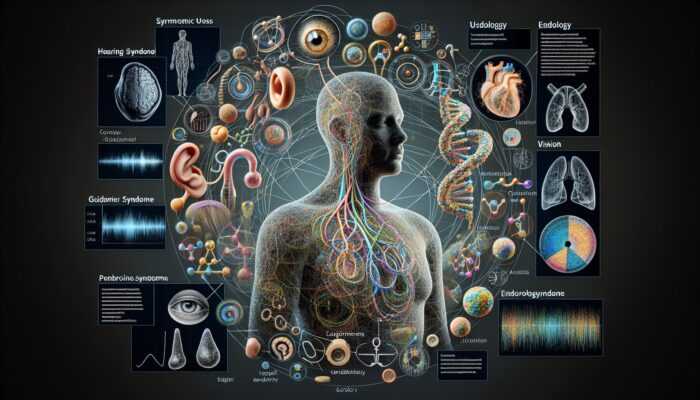
Genetic hearing loss can be categorised into two main types: syndromic hearing loss and non-syndromic hearing loss. Syndromic hearing loss occurs in conjunction with other medical conditions, demonstrating complex interactions among various genetic factors. Notable syndromes include Usher syndrome, which affects both hearing and vision, and Pendred syndrome, associated with thyroid issues alongside hearing loss. These syndromic disorders underline the intricate nature of genetics in hearing loss, often complicating diagnostic and therapeutic approaches.

Conversely, non-syndromic hearing loss occurs independently, primarily as a result of genetic factors without accompanying symptoms. This form accounts for approximately 70% of all genetic hearing loss cases. Identifying these categories is critical for healthcare professionals, enabling them to develop tailored treatment plans that meet each patient’s unique needs. Engaging in genetic testing can clarify whether an individual’s hearing loss falls into the syndromic or non-syndromic category, facilitating informed decisions about management and family planning.

Many genes are implicated in these types of hearing loss, with GJB2 mutations being a leading cause of non-syndromic hearing loss globally. This highlights the significance of understanding individual genetic profiles. By leveraging advancements in genetic research, healthcare providers can offer personalised insights and interventions, ultimately enhancing patient support and outcomes.

Deciphering the Inheritance Patterns of Hearing Loss

The inheritance patterns of genetic hearing loss hold significant implications for family dynamics and medical decision-making. Common inheritance patterns include autosomal dominant, autosomal recessive, and X-linked traits. In autosomal dominant inheritance, a single mutated gene copy can lead to the expression of the trait, heightening the risk of passing hearing loss to offspring. This pattern often leads to quicker identification of the condition within families.

In contrast, autosomal recessive inheritance requires two mutated gene copies for the trait to manifest. Individuals with only one mutated copy might remain unaware of their genetic status until they or their children exhibit hearing loss, often later in life. This less apparent inheritance pattern can result in underdiagnosis or delayed treatment, complicating the management of the condition.

X-linked inheritance predominantly affects males, who possess only one X chromosome. Males with mutations on their single X chromosome are at a greater risk of experiencing hearing loss, while females may be carriers without showing any symptoms. Families with a history of X-linked hearing loss often face unique challenges during genetic counselling and planning, as the associated risks and implications can differ greatly between genders.

Therefore, a thorough understanding of these inheritance patterns is essential for anticipating potential outcomes and preparing for future family planning. By increasing awareness of these patterns, healthcare providers can better inform patients and families about the risks associated with genetics and hearing loss.

Investigating the Global Prevalence of Genetic Hearing Loss

The prevalence of genetic hearing loss varies significantly across different populations and geographical regions. Approximately 1 in 1,000 infants are born with hearing loss attributed to genetic factors. In certain communities, particularly those with high rates of consanguinity, this prevalence can be considerably higher. For instance, studies demonstrate that in various Middle Eastern countries, the incidence of genetic hearing loss may rise to as high as 1 in 200 live births due to an increased likelihood of inheriting recessive genetic mutations.

Research has highlighted that non-syndromic genetic hearing loss is particularly common among East Asian populations, primarily due to specific genetic mutations, such as those within the GJB2 gene. Conversely, other regions may report a higher prevalence of syndromic forms of hearing loss, emphasising the necessity of understanding local genetic backgrounds when assessing risks.

Globally, healthcare systems are increasingly implementing universal newborn hearing screening programmes aimed at early identification of hearing loss, thereby promoting timely intervention. These initiatives are particularly crucial in low-resource settings, where delayed diagnosis can lead to significant educational and social challenges for affected individuals. Heightening awareness about the prevalence of genetic hearing loss can drive efforts to improve screening programmes, ultimately enhancing the quality of life for those impacted.

Examining Genetic Mutations Related to Hearing Loss

Close-up of DNA strand with highlighted mutations, medical diagrams, and hearing loss symbols in a research lab.

Identifying Key Genetic Mutations Associated with Hearing Loss

The realm of genetic hearing loss is significantly shaped by various genetic mutations. Among the most common mutations are those in the GJB2 gene, which encodes a protein crucial for the proper functioning of auditory hair cells in the inner ear. This mutation accounts for a substantial proportion of autosomal recessive non-syndromic hearing loss worldwide, affecting diverse populations.

Another prominent mutation is found in the MYO15A gene, essential for the development and functionality of hair cells vital for hearing. Mutations in this gene can lead to severe hearing loss, often noticeable at birth or during early childhood. Identifying these prevalent genetic variations enables researchers and healthcare providers to focus on targeted genetic testing, expediting diagnosis and intervention.

Moreover, the SLC26A4 gene is associated with Pendred syndrome and non-syndromic enlarged vestibular aqueduct, illustrating how certain mutations can result in hearing loss alongside other health complications. The multifaceted role of this gene underscores the complex nature of genetic hearing loss, necessitating comprehensive genetic counselling and testing to fully comprehend the implications of these mutations on an individual’s health.

Understanding these common mutations provides invaluable insight into the biological mechanisms underlying hearing loss, paving the way for personalised treatment strategies and improved patient outcomes. As genetic testing and research continue to advance, ongoing exploration into rare mutations and their potential effects on auditory health remains crucial.

Examining the Effects of Mutations on Hearing

The influence of genetic mutations on hearing loss can vary considerably, depending on the specific genes involved and the nature of the mutation. Some mutations may cause mild hearing loss, while others can lead to profound deafness. For example, mutations in the GJB2 gene typically present as non-syndromic sensorineural hearing loss, which can range from mild to severe. This variability complicates the clinical landscape, as individuals with identical mutations may experience vastly different auditory outcomes.

Mutations also affect the age of onset, progression, and effectiveness of interventions. Early-onset mutations, often identified through newborn screening, allow for timely interventions that can significantly improve language development and social integration. In contrast, late-onset mutations may manifest later in life, introducing unexpected challenges and necessitating lifestyle adjustments.

The mechanisms through which genetic mutations impact hearing can include disruptions in cochlear structural integrity, impairments in hair cell functionality, or interruptions in the pathways that transmit auditory signals to the brain. For instance, defects in the MYO15A gene can impede hair cell function, limiting the ability to accurately process sound signals. Understanding these mechanisms clarifies why specific interventions, such as hearing aids or cochlear implants, may yield better results for some individuals than for others.

As research advances, scientists are examining how specific mutations can inform treatment strategies. Customising interventions based on an individual’s genetic profile holds promise for enhancing therapeutic effectiveness and improving overall quality of life.

Recent Innovations in Mutation Detection Techniques

Advanced sequencing machines analyzing DNA for hearing loss mutations, scientists observing results on screens.

Recent advancements in mutation detection have revolutionised the diagnostic landscape for genetic hearing loss. Next-generation sequencing (NGS) technologies enable comprehensive genomic analyses, allowing the identification of multiple genetic mutations in a single test. This advancement is groundbreaking, as traditional methods often focused on a limited number of genes, potentially overlooking critical mutations that could influence treatment pathways.

The use of whole exome sequencing (WES) has gained traction, providing a broader perspective by capturing all coding regions of the genome. This approach is particularly beneficial for uncovering rare mutations associated with syndromic hearing loss that might otherwise stay hidden. By revealing the full array of genetic alterations, healthcare providers can craft personalised management plans.

Additionally, the integration of AI and machine learning algorithms into genetic testing processes is enhancing the speed and precision of mutation detection. These advanced technologies analyse vast datasets, uncovering patterns that human analysts might overlook. Consequently, genetic testing is becoming more efficient, reducing wait times for results and enabling timely interventions that can significantly influence patient outcomes.

Education and awareness regarding these advancements are essential. Professionals in the hearing loss community must remain informed about the latest technologies and their implications. This ensures that individuals and families affected by genetic hearing loss receive optimal care based on cutting-edge insights into the genetic factors influencing their condition.

The Vital Importance of Genetic Counselling in Managing Hearing Loss

Recognising the Role of Genetic Counselling

Genetic counselling is a cornerstone in managing hearing loss, particularly when genetic factors are involved. It serves as a crucial bridge between complex genetic information and practical insights for families grappling with hearing challenges. Qualified genetic counsellors elucidate the implications of genetic testing results, assisting families in grasping their risks and available options.

Counselling empowers families to make informed decisions about reproductive choices and medical interventions. For instance, understanding the probability of transmitting genetic mutations can guide parents in their family planning decisions. This facet of genetic counselling is particularly impactful in communities with heightened rates of specific genetic disorders, where the emotional and social consequences of hearing loss can be significant.

Furthermore, genetic counsellors support patients in navigating the emotional complexities linked to a hearing loss diagnosis. This assistance can mitigate feelings of anxiety and uncertainty, fostering a secure environment for individuals and families to voice their concerns, fears, and aspirations. By addressing these emotional needs alongside medical considerations, counsellors can promote resilience and proactive coping strategies among affected families.

In summary, the significance of genetic counselling cannot be overstated. As the field of genetics evolves, the demand for robust counselling frameworks to support individuals and families in effectively understanding and managing genetic hearing loss becomes increasingly critical.

Guiding Families through the Genetic Counselling Process

The genetic counselling process commences with a comprehensive assessment of the family’s medical history, focusing on any instances of hearing loss or related conditions. This initial evaluation aids counsellors in identifying potential genetic risks that may affect the family. Collecting this information is essential, as it provides context for comprehending the genetic landscape within the family unit.

Next, genetic counsellors outline the available types of genetic tests, their purposes, and the potential outcomes. Families often appreciate having a clear understanding of what to expect from genetic testing, including the emotional ramifications of receiving both positive and negative results. This transparency builds trust and ensures that families are adequately prepared to navigate the testing process.

After testing is completed, counsellors play a pivotal role in interpreting the results. They assist families in understanding the implications of various genetic findings, discussing the likelihood of hearing loss, related health conditions, and available interventions. This step is vital; it transforms abstract genetic information into actionable steps, whether that entails pursuing further medical evaluations, consulting with hearing specialists, or considering assistive technologies.

Ongoing support is equally essential. Families may have additional questions or require further resources after receiving their results. Genetic counsellors provide continuous support, connecting families to appropriate resources such as community support groups, educational materials, and specialists in hearing loss. This holistic approach ensures that families feel equipped to effectively manage the complexities of genetic hearing loss.

Ethical Dimensions in Genetic Counselling for Hearing Loss

The ethical aspects of genetic counselling for hearing loss are significant and warrant careful consideration. A primary concern revolves around informed consent, ensuring that individuals and families fully comprehend the implications of genetic testing before proceeding. Genetic counsellors must guarantee that patients understand the potential risks and benefits of testing, especially regarding family planning and future health decisions.

Confidentiality is another ethical cornerstone in genetic counselling. Patients often disclose deeply personal information concerning their health and family histories, making the safeguarding of this confidentiality crucial for establishing trust. Genetic counsellors must navigate legal and ethical frameworks to protect patient information, particularly in an era where genetic data is increasingly vulnerable to breaches and misuse.

Additionally, the potential for discrimination based on genetic information raises significant ethical concerns. Families may fear that revealing genetic predispositions could lead to stigma or discrimination, particularly in employment or insurance contexts. Counselors must address these worries by discussing relevant laws and protections that exist in their regions, offering reassurance that privacy safeguards are in place.

Lastly, the role of genetic counselling extends into social ethics. Counselors need to be sensitive to cultural beliefs and values that may shape how families perceive hearing loss and genetic testing. A culturally competent approach ensures that counselling is respectful of diverse perspectives, ultimately fostering a more supportive environment for families navigating these challenges.

The Critical Role of Genetic Testing in Understanding Hearing Loss

Genetic testing has emerged as an essential tool for diagnosing and comprehending hearing loss. By analysing an individual’s DNA, healthcare providers can identify specific genetic mutations that may contribute to hearing impairments. Various types of genetic tests are available, each serving distinct functions within the diagnostic framework.

Targeted mutation analysis concentrates on specific genes linked to known hearing loss syndromes. This method is particularly valuable when there is a family history of hearing loss or clear clinical indicators. For more comprehensive evaluations, next-generation sequencing (NGS) allows for simultaneous testing of multiple genes, providing a holistic view of the genetic factors involved.

The implications of genetic testing for hearing loss are substantial. Positive results can lead to early interventions, such as cochlear implants or hearing aids, which can significantly improve language development and social integration. Conversely, negative results may offer reassurance and clarity for families, alleviating concerns about potential hereditary risks.

However, it is crucial to acknowledge the limitations and uncertainties associated with genetic testing. Not all genetic mutations have established correlations with hearing loss, and negative results do not eliminate the possibility of developing hearing issues in the future. Therefore, genetic counselling is vital for contextualising these findings, assisting families in navigating the complexities of genetic testing.

As genetic research continues to progress, the potential for enhancements in testing methodologies remains promising, offering hope for more accurate, efficient, and accessible diagnostics for hearing loss. While the landscape of genetic testing is likely to evolve, the foundational role of genetic counselling will persist as a cornerstone for families confronting these challenges.

Innovative Approaches to Treatment and Management of Hearing Loss

Exploring Effective Treatment Options for Hearing Loss

When addressing genetic hearing loss, multiple effective treatment options are currently available. One of the most prevalent interventions is the use of hearing aids, which amplify sound and facilitate communication for affected individuals. These devices can be tailored to meet each patient’s specific needs, significantly enhancing the quality of life for those experiencing mild to moderate hearing loss.

For individuals with profound hearing loss, cochlear implants provide a groundbreaking alternative. These surgically implanted devices bypass damaged hair cells within the cochlea, directly stimulating the auditory nerve. Cochlear implants have transformed the lives of many, allowing those with severe hearing impairments to perceive sounds and engage more fully with their environment. Research indicates that early implantation can lead to improved language outcomes, underscoring the importance of timely intervention.

Moreover, assistive listening devices, such as FM systems, are beneficial for patients in educational settings or public environments. These devices enhance sound quality and clarity, enabling individuals with hearing loss to participate more effectively in conversations and classroom discussions. The growing recognition of these technologies highlights the necessity of a comprehensive approach to managing genetic hearing loss.

Integrating these treatment options into a holistic management plan requires collaboration among audiologists, speech therapists, and genetic counsellors. By customising interventions to each patient’s unique profile, healthcare providers can maximise treatment effectiveness, enhancing communication abilities and overall well-being.

Investigating Emerging Therapies for Genetic Hearing Loss

Innovation in the treatment of genetic hearing loss is advancing rapidly. Researchers are exploring a variety of emerging therapies aimed at addressing the underlying genetic causes of hearing impairment. One promising avenue of investigation focuses on gene therapy, which seeks to repair or replace defective genes responsible for hearing loss.

Recent breakthroughs in gene therapy have demonstrated potential in preclinical models, with early-stage clinical trials already underway. These therapies aim to deliver functional copies of genes directly to the inner ear, potentially reversing the effects of genetic mutations. The excitement surrounding these advancements is palpable, as successful gene therapies could revolutionise the standard of care for individuals confronting genetic hearing loss.

Another research avenue involves the application of stem cell therapy to regenerate damaged hair cells within the cochlea. Scientists are investigating the capacity of stem cells to replace lost or dysfunctional cells, potentially restoring hearing function. Although still in experimental stages, the implications of these therapies are vast, providing hope for individuals suffering from hearing loss due to genetic factors.

Furthermore, advancements in pharmacological treatments are also on the horizon. Researchers are examining medications targeting specific pathways involved in hearing loss, aiming to protect auditory cells from damage or promote their regeneration. These emerging therapies could complement existing interventions, creating a multi-faceted approach to managing genetic hearing loss.

As the treatment landscape continues to evolve, it is essential for healthcare providers to stay informed about emerging therapies. This dynamic field holds the promise of more effective and targeted interventions, ultimately improving outcomes for individuals affected by genetic hearing loss.

Strategies for Managing Hearing Loss in Children

Managing hearing loss in children presents unique challenges and opportunities. Early diagnosis and intervention are crucial for optimising language development and social skills. Newborn screening programmes play a vital role in promptly identifying hearing loss, enabling timely interventions through hearing aids or cochlear implants.

Upon diagnosing a child with genetic hearing loss, tailored management plans must be developed. Such plans may include speech and language therapy to enhance communication skills and foster social interactions. Engaging trained speech-language pathologists who specialise in hearing loss is essential for providing targeted support as children navigate their communication journey.

Family involvement is equally important in the management process. Educating families about the nature of genetic hearing loss and available interventions empowers them to advocate for their child’s needs. Support groups can be invaluable, offering families opportunities to share experiences and strategies for tackling the daily challenges of hearing loss.

Educational institutions must also be equipped to support children with hearing loss. Collaborating with schools to implement accommodations such as preferential seating, assistive listening devices, and individualised education plans (IEPs) can facilitate academic success. By nurturing an inclusive environment, schools can help children with genetic hearing loss thrive both academically and socially.

Ultimately, the goal is to provide a comprehensive support system that addresses the unique challenges faced by children with genetic hearing loss. By leveraging early intervention strategies, educational support, and family engagement, we can significantly enhance the quality of life for these children and empower them to reach their full potential.

Research Developments and Future Directions in Hearing Loss

Current Research Initiatives in Genetics

The field of genetic hearing loss research is rapidly advancing, with numerous ongoing studies investigating the genetic underpinnings of auditory impairments. Researchers are exploring a wide array of genetic factors linked to both syndromic and non-syndromic hearing loss. This includes identifying novel mutations and comprehending how these genetic changes affect the structure and function of the auditory system.

International collaborations are becoming increasingly vital, as scientists pool resources and expertise to tackle the complexities surrounding genetic hearing loss. Large-scale genomic studies, such as genome-wide association studies (GWAS), are clarifying the intricate relationships between various genetic variants and hearing impairment. These collaborative efforts hold the potential to accelerate discoveries and lead to breakthroughs that could reshape our understanding of genetic hearing loss.

Innovative methodologies, including CRISPR-Cas9 gene editing technology, are also being explored within research environments. This powerful tool allows for precise editing of DNA sequences, enabling scientists to investigate the effects of specific mutations on hearing. By unveiling the mechanisms underlying genetic hearing loss, researchers can pave the way for targeted therapies that address the root causes.

As research continues to progress, integrating findings into clinical practice will be crucial. Translating research discoveries into practical applications can enhance the diagnosis, treatment, and management of genetic hearing loss, ultimately improving outcomes for those affected and their families.

Exploring the Potential of Gene Therapy

The potential for gene therapy to revolutionise the treatment of genetic hearing loss is immense. As researchers identify the specific genetic mutations responsible for various forms of hearing impairment, the feasibility of targeted therapies becomes increasingly realistic. By delivering functional copies of genes directly into the inner ear, gene therapy could restore or enhance auditory functions in individuals with genetic hearing loss.

Recent preclinical studies have shown promising results, indicating that gene therapy can yield substantial improvements in hearing in animal models with genetic mutations. These findings highlight the possibility of translating these therapies into clinical settings, offering hope for individuals facing profound hearing loss due to genetic factors.

Nevertheless, several challenges must be addressed before gene therapy can become a standard treatment option. Ensuring the safety and efficacy of these therapies requires extensive clinical trials and rigorous regulatory oversight. Additionally, determining the optimal timing for intervention is crucial; early administration of gene therapy may produce better outcomes compared to later-stage interventions.

The future of gene therapy in hearing loss treatment appears promising, with several ongoing clinical trials investigating various approaches. As scientists refine these techniques and confront the associated challenges, the vision of restoring hearing through targeted genetic interventions may soon become a reality for countless individuals worldwide.

Fostering Collaborative Research Efforts

Collaborative research initiatives are essential in advancing the field of genetic hearing loss. By fostering partnerships among universities, hospitals, and research institutions, scientists can share resources, expertise, and data to address complex questions related to genetic hearing loss. These collaborations enhance the potential for groundbreaking discoveries that can lead to improved diagnoses and treatments.

International consortia, such as the Global Hearing Loss Consortium, aim to unify researchers across borders to investigate genetic hearing loss. By pooling data from diverse populations, these initiatives can identify genetic variations that may differ regionally and understand their influence on hearing loss. This global perspective is invaluable, as it can yield more comprehensive insights into the genetic factors that impact auditory impairment.

Additionally, collaborative efforts promote the sharing of best practices in genetic counselling and hearing loss management. By exchanging knowledge and strategies, healthcare providers can enhance their approaches to supporting patients and families affected by genetic hearing loss. This emphasis on collaboration not only enriches the research landscape but also improves the overall quality of care for individuals facing hearing challenges.

As the field continues to evolve, fostering a culture of collaboration will be vital in maximising the potential of genetic research. By working together, researchers, clinicians, and families can drive advancements that lead to meaningful improvements in the lives of those affected by genetic hearing loss.

Advancements in Diagnostic Tools for Hearing Loss

Recent breakthroughs in diagnostic tools for genetic hearing loss are reshaping the landscape of auditory health. Techniques such as next-generation sequencing (NGS) and whole exome sequencing (WES) have significantly enhanced the ability to identify genetic mutations associated with hearing loss. These sophisticated tools facilitate comprehensive genetic analyses, yielding a clearer understanding of the underlying causes of hearing impairment.

Moreover, the development of multiplex testing panels allows for simultaneous analysis of multiple genes linked to hearing loss. This efficiency accelerates diagnosis and informs targeted treatment strategies. As genetic testing becomes more accessible and affordable, healthcare providers can seamlessly incorporate these tools into clinical practice, ultimately enhancing patient outcomes.

Additionally, integrating digital technologies into diagnostic processes is broadening the possibilities for early detection of hearing loss. Mobile applications and telemedicine platforms are emerging as valuable tools for facilitating genetic counselling and monitoring. By leveraging technology, healthcare providers can enhance communication and support for families, ensuring they have access to the resources they require.

The impact of these advancements on early detection and intervention is monumental. As diagnostic tools become increasingly sophisticated, the potential for timely identification of genetic hearing loss will consistently improve. This, in turn, will lead to more effective management strategies and an enhanced quality of life for individuals affected by genetic hearing loss.

Ethical Considerations in Genetic Research for Hearing Loss

The ethical considerations surrounding genetic research related to hearing loss are intricate and multifaceted. Issues concerning privacy and consent are paramount, as researchers must navigate the ethical implications of collecting and storing genetic data. Ensuring that participants fully understand the research’s objectives, potential risks, and their rights is essential for fostering trust and transparency in the research process.

Informed consent is a critical aspect of ethical research practices. Participants must be fully aware of how their genetic information will be utilised and the potential implications of their involvement. This is particularly crucial within the context of genetic research, where findings may hold significant consequences not only for individuals but also for their families and future generations.

Discrimination based on genetic information is another ethical concern. Individuals possessing genetic predispositions to hearing loss may fear potential stigmatization in various aspects of life, including employment and insurance. Researchers must advocate for policies that safeguard individuals from discrimination based on genetic information, ensuring that progress in genetic research does not inadvertently lead to negative societal consequences.

Furthermore, cultural sensitivities and beliefs must be considered in genetic research related to hearing loss. Researchers should strive to engage with diverse communities in a manner that respects their values and perspectives. Culturally competent research practices can help mitigate misunderstandings and foster trust between researchers and participants, ultimately contributing to the success of genetic research initiatives.

As the field of genetic research continues to develop, addressing these ethical considerations will be crucial to ensuring that advancements in our understanding of hearing loss benefit all individuals and communities. Balancing the pursuit of knowledge with respect for individual rights and cultural values is vital for cultivating a responsible and inclusive research environment.

Evaluating the Impact of Hearing Loss on Quality of Life

Understanding the Social and Emotional Consequences of Hearing Loss

The social and emotional repercussions of genetic hearing loss can be profound and far-reaching. Individuals with hearing loss frequently encounter unique challenges in social interactions, leading to feelings of isolation and frustration. Communication difficulties can hinder relationships, making it arduous to engage in conversations, participate in group activities, or forge connections with peers.

The emotional strain of living with genetic hearing loss may also manifest in various ways. Anxiety and depression are prevalent among those striving to navigate a world that can often feel disconnected. Individuals may grapple with self-esteem issues, particularly when their hearing loss impacts their ability to fully participate in social situations. Acknowledging these emotional effects is crucial for providing comprehensive support to those impacted.

Support systems are vital in addressing the social and emotional needs of individuals with genetic hearing loss. Family, friends, and community support networks foster a sense of belonging and understanding. Participation in support groups specifically tailored for individuals with hearing loss can also provide an avenue for sharing experiences and coping strategies, ultimately alleviating feelings of isolation.

Healthcare providers must recognise the significance of addressing the emotional aspects of genetic hearing loss. Integrating psychological support into treatment plans can empower individuals to cope with the challenges they face, enhancing their overall quality of life. By fostering an environment that values emotional well-being, we can assist those affected by genetic hearing loss in leading fulfilling lives.

Identifying Educational Barriers Associated with Hearing Loss

Educational challenges stemming from genetic hearing loss can significantly impact a child’s development and future opportunities. Children with hearing loss may struggle to acquire language skills, participate in classroom discussions, and engage with peers, all of which are essential for academic success. Early intervention is key to mitigating these challenges, underscoring the importance of timely diagnosis and support.

Schools must be prepared to accommodate the needs of children with genetic hearing loss. This includes implementing individualised education plans (IEPs) that outline specific accommodations, such as preferential seating, the use of assistive listening devices, and additional support from specialised educators. Teachers trained in working with students with hearing loss can significantly contribute to creating an inclusive learning environment.

Furthermore, raising awareness among educators and peers about genetic hearing loss is paramount. By fostering a culture of understanding and acceptance, schools can help diminish stigma and promote positive interactions among students. Peer support programmes can also encourage social integration and friendship-building, enhancing the overall educational experience for children with hearing loss.

Parental involvement is crucial in advocating for a child’s educational needs. Parents can collaborate with educators to ensure their child receives the necessary support and resources to thrive in the classroom. By working together, families and schools can create an environment where children with genetic hearing loss can achieve their full potential.

Establishing Support Systems and Resources for Individuals with Hearing Loss

Support systems and resources are essential for individuals and families navigating the complexities of genetic hearing loss. Various organisations and community groups offer information, advocacy, and emotional support, helping families connect with others facing similar challenges. These networks empower individuals to effectively leverage available resources and advocate for their rights.

National and international organisations, such as the Hearing Loss Association of America (HLAA) and the World Health Organization (WHO), provide valuable educational materials, workshops, and conferences aimed at raising awareness and providing assistance for those affected by hearing loss. These resources can help families understand the implications of genetic hearing loss, available treatment options, and coping strategies.

Local support groups also play a significant role in fostering community and connection. These groups offer a platform for individuals and families to share experiences, discuss challenges, and provide mutual support. Whether in-person or online, support networks can greatly alleviate feelings of isolation, helping individuals feel heard and understood.

Healthcare providers should actively engage in connecting patients with these support systems. By providing information about local and national resources, providers can enhance the overall care experience, empowering families to take proactive steps in managing their hearing loss journey.

Ultimately, establishing strong support systems and utilising available resources is crucial for improving the quality of life for those affected by genetic hearing loss. By fostering connections and providing access to information, we can create a more supportive environment for individuals navigating this complex condition.

Assessing Career Opportunities and Employment for Individuals with Hearing Loss

The impact of genetic hearing loss on employment and career advancement can be significant. Individuals with hearing loss often face unique challenges in the workplace, including communication barriers and potential misconceptions about their capabilities. These challenges can impede job opportunities and restrict career progression.

Employers play a pivotal role in fostering an inclusive work environment. Implementing reasonable accommodations, such as providing assistive listening devices, ensuring accessible communication methods, and cultivating a supportive culture can empower employees with hearing loss to excel in their roles. Training for managers and colleagues on effective communication strategies can also help dismantle barriers and foster understanding.

Despite the challenges, individuals with genetic hearing loss can achieve professional success and fulfilment. Many organisations actively seek to promote diversity and inclusion, recognising the valuable perspectives and skills that individuals with hearing loss contribute to the workplace. Networking with organisations focused on disability inclusion can provide invaluable resources and opportunities for career advancement.

Advocacy for workplace accommodations is essential. Individuals with hearing loss should feel empowered to articulate their needs and advocate for themselves in professional settings. By fostering a dialogue about the importance of inclusivity, we can work towards creating workplaces that embrace diversity and offer equitable opportunities for all employees, regardless of their hearing abilities.

Recognising the Importance of Mental Health and Well-being

The effects of genetic hearing loss on mental health and well-being are significant and often overlooked. Individuals with hearing loss may experience feelings of isolation, anxiety, and depression, particularly if they struggle to communicate effectively in social contexts. Addressing these mental health concerns is vital for ensuring overall well-being.

Access to mental health support is critical for individuals navigating the challenges of hearing loss. Therapeutic interventions, such as counselling or cognitive-behavioural therapy, can provide valuable coping strategies and emotional support. Mental health professionals with expertise in working with individuals who have hearing loss can help address specific concerns and promote resilience.

In addition to professional support, fostering strong social connections can enhance mental well-being. Support groups and community networks create opportunities for individuals with hearing loss to connect with others who understand their experiences. These connections can alleviate feelings of isolation and foster a sense of belonging.

Moreover, raising awareness about the mental health implications of genetic hearing loss is crucial. By promoting understanding and reducing stigma, we can create a supportive environment that encourages individuals to seek help and prioritise their mental well-being. Ultimately, addressing the mental health needs of individuals with genetic hearing loss is an essential component of holistic care.

Strategies for Prevention and Raising Awareness

Implementing Comprehensive Prevention Strategies

Preventing or mitigating the impact of genetic hearing loss necessitates a multi-faceted approach centred on awareness, early detection, and education. One of the most effective strategies involves implementing comprehensive newborn hearing screening programmes. These initiatives facilitate the early identification of hearing loss, enabling prompt intervention that can significantly enhance language and social development.

Educating families about the risks associated with genetic hearing loss is equally crucial. Genetic counselling can equip families with the knowledge they need to comprehend their genetic risks and make informed decisions regarding family planning. By raising awareness about genetic testing options and the implications of genetic mutations, families can take proactive measures to address potential hearing loss in future generations.

Community awareness campaigns can significantly contribute to prevention efforts. By educating the public about the signs of hearing loss and the importance of early intervention, we can cultivate a society that prioritises auditory health. Collaborating with healthcare providers, schools, and community organisations can amplify these messages and reach a broader audience.

Additionally, promoting healthy auditory habits is vital for preventing acquired hearing loss, particularly among individuals with a genetic predisposition. Encouraging the use of hearing protection in noisy environments and raising awareness about the dangers of exposure to loud sounds can help preserve hearing health for those at risk. By adopting a comprehensive approach to prevention, we can work towards reducing the incidence of genetic hearing loss and enhancing overall auditory health.

Strategies for Raising Public Awareness

Increasing public awareness about genetic hearing loss is essential for fostering understanding, acceptance, and support for those affected. Community outreach programmes, educational workshops, and social media campaigns can effectively disseminate information regarding the complexities of genetic hearing loss and the importance of early detection.

Engaging with advocacy organisations can amplify awareness efforts. Collaborating with groups focused on hearing loss can provide valuable platforms for sharing stories, resources, and information. These organisations often have established networks that can facilitate outreach to diverse communities, ensuring that awareness messages reach those who need them most.

Moreover, integrating hearing loss education into school curricula can promote understanding among younger generations. By educating students about the impact of hearing loss and the value of inclusivity, schools can foster a culture of empathy and support for individuals with hearing impairments.

Additionally, media representation of genetic hearing loss is vital. Highlighting personal stories through documentaries, podcasts, and articles can humanise the experience and encourage dialogue around the topic. By sharing the narratives of individuals living with genetic hearing loss, we can foster a deeper understanding of the challenges they face and the importance of inclusive practices in society.

Ultimately, raising awareness about genetic hearing loss is a shared responsibility. By fostering understanding, advocating for inclusivity, and providing resources, we can create a more supportive environment for individuals and families affected by this condition.

Understanding the Role of Public Health in Hearing Loss

Public health policies play a crucial role in addressing the issue of genetic hearing loss. Governments and health organisations must prioritise the implementation of universal newborn hearing screening programmes to ensure early identification and intervention. These screening initiatives are essential for detecting hearing loss in infants, allowing for timely access to treatment and support.

Additionally, public health campaigns focusing on genetics and hearing loss can educate communities about the significance of genetic counselling and testing. By fostering awareness of the risks associated with genetic hearing loss, these campaigns can empower families to make informed decisions regarding their health and reproductive choices.

Collaboration between public health agencies, healthcare providers, and advocacy organisations is crucial for developing comprehensive strategies to address genetic hearing loss. By leveraging resources and expertise, stakeholders can create initiatives that promote education, screening, and support for affected individuals and families.

Furthermore, public health policies must prioritise accessibility in healthcare. Ensuring that genetic testing and counselling services are available to all individuals, regardless of socioeconomic status, is vital for reducing disparities in care. By emphasising equal access to resources, we can work towards improving outcomes for individuals facing genetic hearing loss.

In conclusion, the role of public health in addressing genetic hearing loss is multifaceted. By prioritising prevention, education, and access to care, we can create a comprehensive approach that supports individuals and families navigating this complex condition.

Engaging the Community in Awareness and Prevention Initiatives

Community engagement is essential in supporting awareness and prevention initiatives related to genetic hearing loss. Establishing robust partnerships between healthcare providers, advocacy organisations, and community members can enhance awareness and support efforts. Collaborative initiatives can foster a sense of ownership within communities, empowering individuals to take an active role in promoting auditory health.

Organising community events focused on hearing health can serve as an effective platform for educating the public about genetic hearing loss and available resources. Workshops, health fairs, and informational sessions can provide valuable opportunities for individuals and families to learn about genetic testing, counselling, and early intervention options.

Involving individuals with hearing loss in community discussions can amplify their voices and experiences. By sharing personal stories and insights, individuals with genetic hearing loss can help humanise the issue and foster empathy among community members. This engagement can also promote understanding and acceptance, breaking down stereotypes associated with hearing loss.

Collaboration with local schools and educational institutions can further enhance community engagement. By incorporating hearing health education into school curricula, we can nurture a culture of awareness among younger generations. Encouraging students to participate in advocacy efforts can empower them to become champions for inclusivity and support for individuals with hearing loss.

Ultimately, community engagement is a vital component of promoting awareness and prevention efforts for genetic hearing loss. By working together, we can create a more supportive environment for individuals and families navigating the challenges of genetic hearing loss.

Frequently Asked Questions about Genetic Hearing Loss

What are the primary causes of genetic hearing loss?

The primary causes of genetic hearing loss include mutations in specific genes, which can be classified as syndromic or non-syndromic. Syndromic hearing loss occurs alongside other medical conditions, while non-syndromic hearing loss is isolated to auditory issues.

How is genetic hearing loss inherited?

Genetic hearing loss can be inherited in several ways, including autosomal dominant, autosomal recessive, and X-linked patterns. Each pattern has different implications for the likelihood of passing the condition to offspring.

What role does genetic counselling play in managing hearing loss?

Genetic counselling helps individuals and families understand the implications of genetic testing, assess risks, and make informed decisions about family planning and treatment options for hearing loss.

Are there effective treatments for genetic hearing loss?

Yes, effective treatments for genetic hearing loss include hearing aids, cochlear implants, and assistive listening devices. Emerging therapies, such as gene therapy and stem cell treatments, are also under investigation.

What are common genetic mutations associated with hearing loss?

Common mutations associated with hearing loss include those in the GJB2, MYO15A, and SLC26A4 genes. These mutations can lead to varying degrees of hearing impairment.

How can families support children with genetic hearing loss?

Families can support children with genetic hearing loss by engaging in early intervention programmes, advocating for educational accommodations, and fostering open communication about their experiences.

What is the prevalence of genetic hearing loss worldwide?

The prevalence of genetic hearing loss varies globally, with approximately 1 in 1,000 infants being born with it. Rates may be higher in regions with consanguinity or specific genetic backgrounds.

How can communities raise awareness about genetic hearing loss?

Communities can raise awareness by organising educational workshops, collaborating with advocacy organisations, and promoting understanding of genetic hearing loss through social media campaigns and public events.

What ethical considerations are involved in genetic research related to hearing loss?

Ethical considerations in genetic research include informed consent, privacy protection, and addressing potential discrimination based on genetic information. Researchers must navigate these issues carefully to uphold ethical standards.

What resources are available for individuals with genetic hearing loss?

Resources for individuals with genetic hearing loss include support groups, educational materials from organisations like the Hearing Loss Association of America, and access to healthcare providers specialising in auditory health.

Explore our world on X!

The post Genetics in Hearing Loss: An In-Depth Exploration appeared first on The Microsuction Ear Wax Removal Network.

The post Genetics in Hearing Loss: An In-Depth Exploration appeared first on Healthcare Marketing Service.