Categories
Child Development Health & Wellness

Hearing Aids for Kids: Expert Tips to Choose Wisely

Last Updated on 06/01/2026 by Admin

Ultimate Resource for Selecting Hearing Aids Tailored for Children

What Are the Fundamental Components of Hearing Aids for Kids?

Hearing aids specifically engineered for children consist of several essential components that work together to significantly improve their hearing experience. Key components include microphones, which collect sounds from the environment, <a href="https://www.earwaxremoval.net/hearing-aids-vs-amplifiers-key-differences-explained/">amplifiers</a> that enhance sound levels, and receivers that transmit the amplified audio directly into the ear. For instance, during a playful outing at a bustling park, the microphone captures the delightful sounds of laughter, chirping birds, and the rustling of leaves. The amplifier then boosts these sounds, allowing the child to hear their friends more clearly, even with the background noise. Understanding these components is crucial for parents, as it sheds light on how hearing aids function in everyday life and underscores their vital role in supporting effective communication.

How Do Hearing Aids Enhance Children’s Daily Activities?

Integrating hearing aids into a child’s daily life is paramount for their overall development and well-being. These devices empower children to engage fully in play and educational activities, which is essential for their growth. For example, during collaborative tasks in a classroom, hearing aids enable children to comprehend instructions and actively participate in discussions with ease. To foster consistent usage, it is beneficial for parents to encourage their children to wear their hearing aids regularly, practice using them in diverse environments, and maintain open lines of communication regarding their experiences with these devices. This proactive approach not only nurtures independence but also builds self-confidence, ultimately enriching their social interactions and educational experiences.

What Are the Key Considerations for Different Age Groups When Choosing Hearing Aids?

When selecting hearing aids, it is essential to take into account the child’s age and developmental stage. Younger children often require models that prioritise comfort and safety, accommodating their growth as they develop. As children mature, their auditory needs may shift, necessitating modifications in their hearing aids. For instance, toddlers might benefit from lightweight designs made of soft materials that reduce discomfort, while older children may seek advanced features that align with their active lifestyles. Expert advice emphasises that regular assessments and adjustments are crucial for aligning hearing aids with a child’s evolving auditory requirements, ensuring they receive the most effective support throughout their development.

Professional Insights for Selecting the Most Suitable Hearing Aids for Children

How to Effectively Evaluate Sound Quality for Hearing Aids?

The sound quality of a hearing aid is paramount for enabling clear communication. Key audio features that enhance clarity include noise reduction, frequency response, and feedback cancellation. Parents should prioritise these characteristics when selecting a hearing aid. Evaluating sound quality can involve testing the device in various settings, such as quiet rooms and noisy playgrounds, to determine its performance. Important features to assess include:

  • Noise reduction abilities
  • Directional microphones that focus on specific sounds
  • Feedback cancellation to reduce whistling sounds
  • Frequency response range that captures both high and low sounds

Collaborating with <a href=”https://www.earwaxremoval.net/audiologists-and-their-role-in-choosing-hearing-aids/”>audiologists</a> during this evaluation phase can provide invaluable insights, ensuring the selected hearing aids align with the child’s unique auditory preferences.

How to Assess Durability and Design for Children with Active Lifestyles?

Durability plays a crucial role when choosing hearing aids for active children, who require resilient devices capable of withstanding the rigours of daily life. Parents should seek hearing aids constructed from materials engineered to resist moisture, dirt, and impacts. Additionally, ease of use is a fundamental consideration, as children need to manage and maintain their devices independently. Parents can take practical steps by exploring various models that offer features like rubberized casings or sweatproof designs, ensuring that the chosen aids seamlessly integrate with their child’s active lifestyle.

Why is Personalisation Vital When Selecting Hearing Aids?

Personalisation is critical in achieving optimal performance with hearing aids. Tailored fittings ensure a snug, comfortable fit that enhances sound quality while minimising feedback. Expert recommendations frequently involve customising the device to the unique shape of the child’s ear and programming it to meet their specific auditory needs. Common fitting techniques involve using moulds created from the child’s ear impression, which can help deliver a personalised experience that not only boosts comfort but also encourages consistent wear, ultimately leading to improved auditory outcomes.

How to Determine the Best Type of Hearing Aid for Your Child?

What Are the Common Styles of Hearing Aids Available for Children?

When considering hearing aids for children, two primary styles are typically available: behind-the-ear (BTE) and in-the-ear (ITE) models. BTE models are generally more robust, making them suitable for younger children, as they are less susceptible to damage during play. Conversely, ITE aids are often smaller and more discreet, appealing to older children who may prefer a less visible option. Each style comes with its own advantages and disadvantages; for instance, while BTEs are easier to manage, ITEs may offer a more natural sound quality. Understanding these options empowers parents to make informed decisions that best align with their child’s auditory needs.

How Does Technology Level Influence the Selection of Hearing Aids?

The technology level in hearing aids significantly impacts the selection process. Basic models may provide essential amplification, whereas advanced devices offer features such as Bluetooth connectivity and real-time sound adjustments. When evaluating technology levels, parents should consider several compatibility factors, including:

  • Connectivity with smartphones and tablets
  • Integration with classroom sound systems
  • Compatibility with assistive listening devices
  • Adaptability to different listening environments

Understanding these features enables parents to select devices that effectively meet their child’s unique auditory requirements, ensuring they receive the necessary support in a variety of settings.

What Considerations Should Be Made for Wireless Connectivity?

Wireless connectivity significantly enhances the functionality of hearing aids, allowing for improved integration with various devices. Features such as Bluetooth connectivity enable children to connect their hearing aids to smartphones, tablets, and television systems, facilitating easier access to sound in diverse environments. Tips for adopting these technologies include confirming compatibility before purchase and exploring the range of assistive devices available. Consulting with an audiologist can also provide tailored advice on optimising wireless features for seamless connectivity, ensuring children can fully benefit from their hearing aids.

Research-Backed Advantages of Choosing Hearing Aids for Children

What Communication Skill Improvements Can Be Anticipated?

Consistent usage of hearing aids leads to substantial enhancements in children’s communication skills. Regularly wearing hearing aids can foster improved speech development, enabling children to interact more effectively with both peers and adults. Parents can monitor their child’s progress by observing conversational skills and noting advancements in vocabulary and clarity. Encouraging children to engage in discussions and activities that challenge their communication abilities can further strengthen these gains, creating a positive feedback loop that boosts their confidence and enhances their capacity to express themselves.

How Do Hearing Aids Contribute to Educational Success?

The impact of hearing aids on a child’s ability to learn is profound, as they improve auditory access in educational settings. Enhanced hearing leads to better comprehension of spoken language, which translates into academic benefits. Extensive research indicates that children who utilise hearing aids often display improved cognitive skills and heightened engagement in classroom activities. Expert analysis suggests that parents should advocate for their children’s needs with educators, ensuring that suitable accommodations are implemented to support their learning experiences. Collaborative efforts can greatly enrich the overall educational environment.

What Long-Term Health Benefits Are Associated with Hearing Aids?

The advantages of early intervention with hearing aids extend beyond communication, significantly contributing to children’s overall health and well-being. Early use of hearing aids can prevent potential developmental delays and social isolation. Real-world examples illustrate that children who consistently wear hearing aids frequently enjoy better peer relationships and improved emotional health as they grow older. Regular consultations with audiologists are essential to ensure that hearing aids are appropriately adjusted, allowing children to thrive socially and academically while laying a strong foundation for future success.

What Factors Shape the Hearing Aid Selection Journey?

Is Comfort the Most Important Factor When Choosing Hearing Aids?

Comfort is paramount when selecting hearing aids for active children. Finding a device that fits well and is comfortable during extended wear is critical for ensuring children are willing to use them regularly. Universal ergonomic designs focus on creating moulds that conform to the unique contours of a child’s ear, reducing discomfort and irritation. Parents should prioritise materials that are soft and hypoallergenic, minimising the risk of skin reactions and promoting a positive wearing experience that encourages consistent use of hearing aids.

How Significant Are Battery Life and Maintenance in Hearing Aids?

Battery life and maintenance are vital considerations when selecting hearing aids. Efficient power sources enhance the overall user experience, allowing children to use their devices throughout the day without interruptions. Parents should explore various battery options and consider rechargeable models for added convenience. Additionally, establishing regular maintenance routines, such as cleaning and battery checks, ensures optimal performance over time. Expert analysis indicates that families prioritising maintenance often encounter fewer issues, leading to a more reliable auditory experience, thus emphasising the importance of consistent care for hearing aids.

What Role Does Cost Play in the Selection of Hearing Aids?

Cost is a significant factor in the selection of hearing aids, as families must balance budget constraints with the necessity for effective auditory solutions. While high-quality options may require a larger investment, there are affordable alternatives that provide essential features. To enhance accessibility, parents can explore cost-saving strategies such as:

  • Inquiring about insurance coverage for hearing aids
  • Seeking financial assistance programmes
  • Considering refurbished models from reputable sources
  • Researching government grants available for children

Understanding these options empowers families to make informed decisions without compromising quality, ensuring that children receive the support they require.

Proven Tactics for Selecting the Right Hearing Aids

What Testing Methods Guarantee a Proper Fit for Hearing Aids?

To ensure a proper fit for hearing aids, effective testing methods are crucial. Evaluation techniques may involve in-office fittings and auditory assessments to determine how well the device meets the child’s auditory needs. Parents can facilitate this process by encouraging their children to express their comfort levels during trials. Actionable steps include scheduling follow-up appointments for adjustments and ensuring that the device is comfortable and functions correctly across various environments, ultimately leading to a more satisfactory auditory experience.

How to Compare Different Hearing Aid Brands for Quality?

When comparing various hearing aid brands, examining features across different options aids in making objective decisions. Key indicators of quality include sound performance, durability, and user-friendly designs. Parents can benefit from consulting with audiologists, who can provide insights into brand reputations and product reviews. Understanding the advantages and disadvantages of each option empowers families to select devices that best meet their child’s unique auditory needs, ensuring a tailored solution to their hearing challenges.

What Key Steps Should Be Followed for Final Decision-Making?

Final decision-making involves prioritising a child’s specific needs while considering insights gathered throughout the selection process. Expert-recommended approaches include discussing options with the child to gauge their preferences and comfort levels. Real-world examples can illustrate effective selection processes, such as parents creating a pros and cons list for each hearing aid option. Encouraging children to participate in the decision-making process fosters confidence and ownership over their hearing journey, enhancing their willingness to wear and use their devices.

Why is Consulting with Hearing Specialists Crucial?

Consulting with hearing specialists, particularly audiologists, can significantly enrich the selection process. These professionals provide personalised recommendations based on thorough evaluations and expertise. Parents should prepare key questions for consultations, such as inquiries regarding device compatibility, maintenance requirements, and the latest technological advancements. Choosing qualified experts ensures families receive tailored guidance, leading to optimal outcomes for their child’s hearing needs and ensuring they are equipped with the best hearing solutions available.

How to Evaluate Long-Term Maintenance Needs for Hearing Aids?

Assessing the long-term maintenance needs of hearing aids is essential for ensuring their durability and effectiveness. Key areas to consider include battery life, cleaning routines, and general upkeep requirements. Parents can integrate maintenance into daily life by establishing a cleaning schedule and routinely checking the device for any issues. Practical advice includes teaching children how to care for their hearing aids, fostering a sense of responsibility, and ensuring sustained performance over time, ultimately benefiting both the child and their auditory health.

Why is Professional Fitting Indispensable for Hearing Aids?

What Makes Initial Adjustments Essential for Hearing Aids?

Initial adjustments during the fitting process are crucial for optimising hearing aid performance. Accurate calibration tailored to the child’s unique auditory profile minimises discomfort and enhances sound quality. When devices are properly fitted, children are more likely to adapt quickly, ensuring they receive the maximum benefits from their hearing aids. The right adjustments bolster their confidence and encourage consistent use, ultimately facilitating better communication experiences and positive social interactions.

How Does Follow-Up Support Improve Hearing Aid Effectiveness?

Follow-up support is vital for maintaining the optimal performance of hearing aids. Ongoing adjustments, such as sound level refinements and comfort assessments, ensure the devices continue to meet the child’s evolving needs. Expert analysis emphasises the importance of regular check-ins with audiologists to monitor effectiveness and address any concerns that arise. This proactive care results in an improved auditory experience, fostering greater engagement in daily activities and enhancing the overall quality of life for the child.

What Potential Challenges Should Parents Be Aware Of?

Common challenges that children may encounter while using hearing aids include feedback issues, discomfort, or difficulty adjusting to new sounds. To address these challenges, parents can provide actionable troubleshooting steps, such as ensuring proper insertion, cleaning the devices regularly, and consulting with audiologists for necessary adjustments. Encouraging open communication about any discomfort allows for timely interventions, ensuring that children remain comfortable and confident while using their hearing aids, ultimately enhancing their auditory experience.

Why is Investing in Professional Fitting a Wise Choice?

Investing in professional fitting services for hearing aids proves to be cost-effective in the long run. Expert fittings lead to superior performance and comfort, reducing the likelihood of repairs and related health issues. Customised solutions address individual needs more effectively than off-the-shelf models, ensuring children receive the best possible auditory experience. This investment pays off, yielding long-term benefits and improving the quality of life for users, making it a prudent choice for families.

How Does Professional Fitting Enhance Overall User Satisfaction?

Professional fittings greatly enhance the overall user experience by tailoring hearing aids to meet individual preferences and needs. Notable improvements in comfort, confidence, and performance are common outcomes when specialists make adjustments. This personalised approach addresses both psychological and physical benefits, allowing children to engage comfortably in social situations and enhancing their quality of life. Parents can maximise these advantages by encouraging regular consultations and open discussions about their child’s experiences with the devices, ensuring their hearing journey remains positive and effective.

Critical Maintenance Tips for Hearing Aids

Daily Cleaning Routines for Optimal Care Explained

Implementing daily cleaning routines is essential for prolonging the lifespan of hearing aids. Simple hygiene practices can prevent the accumulation of dirt and earwax, ensuring optimal functionality. Parents should establish cleaning protocols, such as using soft brushes to remove debris and antibacterial wipes for surface cleaning. Consistent maintenance not only promotes longevity but also enhances the overall auditory experience, allowing children to enjoy crystal-clear sound quality. This routine care underscores the importance of cleanliness for effective hearing aid performance.

How to Ensure Proper Storage of Hearing Aids?

Proper storage of hearing aids is crucial for protecting them from damage. Keeping devices in a dry, secure location when not in use helps maintain their functionality and extends their lifespan. Parents should consider using designated storage cases that prevent exposure to moisture and extreme temperatures. Routine care tips include ensuring that the storage area is free from dust and ensuring devices are charged or equipped with fresh batteries before being stored. This proactive approach facilitates longevity and ensures the devices are ready for daily use.

When Should Hearing Aids Be Replaced?

Replacements for hearing aids should be considered when signs of wear become noticeable. Indicators such as diminished sound quality, difficulty connecting to devices, or visible physical damage suggest it might be time for an upgrade. Parents should monitor usage patterns and assess the child’s auditory needs to determine the appropriate timing for replacements. Regular consultations with audiologists can provide clarity on when it’s suitable to transition to newer models, ensuring continued accessibility and effectiveness for their child’s hearing solutions.

Battery Maintenance Tips to Ensure Consistent Performance

Proper battery maintenance is critical for ensuring uninterrupted use of hearing aids. Selecting the appropriate battery types and adhering to safe insertion and replacement methods are essential practices. Parents should educate their children on recognising signs of failing batteries, such as distorted sound or sudden volume drops. Encouraging consistent checks and timely replacements helps maintain device efficiency, ensuring children can rely on their hearing aids throughout the day without any interruptions, ultimately fostering a better auditory experience.

Troubleshooting Common Hearing Aid Issues

Identifying and resolving common issues such as feedback, poor sound quality, and connectivity problems can significantly enhance the user experience. Parents can take proactive steps to troubleshoot these frequent problems by checking for proper insertion, cleaning the microphones, and ensuring that the devices are charged or have fresh batteries. User-friendly advice on basic repairs can minimise the need for immediate professional intervention, allowing children to maintain consistent use and enjoy their hearing aids without disruption, thereby promoting a positive auditory journey.

Long-Term Advantages of Using Hearing Aids for Children

What Social Benefits Can Children Expect Over Time?

Over time, children who use hearing aids often experience significant social advantages. Improved interaction skills lead to stronger relationships with peers, fostering a sense of belonging and engagement. These social gains contribute to a child’s emotional resilience and confidence, enabling them to navigate social settings more effectively. Parents can encourage these developments by facilitating playdates and group activities, reinforcing positive social interactions that stem from improved hearing, ultimately promoting a fulfilling social life for their children.

How Do Hearing Aids Influence Emotional Growth in Children?

Hearing aids play a crucial role in fostering emotional growth through enhanced communication abilities. As children become more capable of engaging with their peers, their confidence in social situations often flourishes. Expert analysis suggests that children with effective hearing are less likely to experience feelings of isolation, resulting in improved emotional resilience and self-esteem. Parents can support this growth by celebrating their children’s successes in communication and fostering open dialogues about their feelings and experiences, contributing to a healthier emotional landscape.

What Future Adaptability Considerations Should Parents Bear in Mind?

As children grow, their auditory needs may evolve, making future adaptability a crucial factor in hearing aid selection. Parents should consider devices that allow for upgrades or adjustments to accommodate changing requirements. Actionable steps may involve regular consultations with audiologists to evaluate the child’s evolving needs and ensuring that selected models can adapt to future technological advancements. This proactive approach enables children to maintain effective auditory access throughout various stages of their lives, ensuring they receive the ongoing support they need.

FAQs About Hearing Aids for Children

What is the ideal age for a child to receive hearing aids?

There is no specific age, but early intervention is highly recommended. Children can benefit from hearing aids as early as six months, as early usage supports optimal speech and language development.

How can I assist my child in adjusting to wearing hearing aids?

Gradually introducing hearing aids during daily activities can facilitate adaptation. Encourage your child to wear them for short periods initially, and celebrate their successes to help build their confidence.

Are there programmes available for financial assistance with hearing aids?

Yes, numerous organisations and government programmes provide financial assistance for hearing aids. Researching local resources and consulting with audiologists can reveal options tailored to your situation.

How frequently should hearing aids be serviced by professionals?

Regular servicing is advised at least once a year. This ensures optimal performance and allows for necessary adjustments to accommodate your child’s changing needs.

What should I do if my child experiences discomfort with their hearing aids?

If your child reports discomfort, consult with an audiologist to assess the fit and make necessary adjustments. Ensuring comfort is crucial for consistent use.

How can I monitor my child’s progress with their hearing aids?

Maintaining a journal of your child’s experiences and communication improvements can be beneficial. Regular discussions about their feelings and any challenges can also provide valuable insights.

Can hearing aids be used during sports and outdoor activities?

Yes, many hearing aids are designed for durability and comfort during physical activities. Look for models that offer sweat resistance and secure fittings to ensure they stay in place.

What if my child loses or damages their hearing aids?

It’s important to have a plan in place for potential loss or damage. Consult with your audiologist about replacement options and ensure your child understands the importance of keeping their devices safe.

Are there specific hearing aids designed for children with additional needs?

Yes, there are specialised hearing aids designed to accommodate children with additional needs. Consulting with an audiologist can help identify the best options based on individual circumstances.

Can children outgrow their hearing aids?

Yes, as children grow, their ear shape and auditory needs change. Regular evaluations ensure the hearing aids remain effective and suitable for their changing requirements.

Discover our world on X today!

The post Choosing Hearing Aids for Kids: Essential Expert Tips appeared first on The Microsuction Ear Wax Removal Network.

The post Choosing Hearing Aids for Kids: Essential Expert Tips appeared first on Healthcare Marketing Service.

Categories
Child Development Health & Wellness

Pediatric Hearing Aids: Enhancing Kids’ Communication Skills

Last Updated on 02/01/2026 by Admin

Unlock the Vital Features of Pediatric Hearing Aids for Enhanced Communication in Children

What Are the Essential Features That Elevate These Devices’ Functionality?

Pediatric hearing aids for kids are expertly designed instruments that cater specifically to the needs of children experiencing hearing loss. These indispensable devices amplify sounds effectively, thus allowing children to engage more fully in everyday activities while significantly enhancing their speech and language development. By offering customizable fittings and advanced technological features, these hearing aids ensure that children experience maximum comfort and effectiveness throughout their daily routines. The design usually incorporates robust materials that can endure a child’s active lifestyle while remaining lightweight enough for extended wear without discomfort.

Many models of pediatric hearing aids are furnished with state-of-the-art features such as noise reduction, directional microphones, and seamless wireless connectivity. These additional capabilities allow children to adapt effortlessly to various auditory environments, whether in bustling classrooms or tranquil home settings, thus providing a seamless listening experience. Furthermore, numerous models permit remote adjustments, empowering parents and audiologists to fine-tune settings without removing the device from the child’s ear. This adaptability is especially crucial for growing children, whose hearing requirements may change over time.

What Are the Advantages of Early Hearing Support Intervention for Children?

Beginning the use of pediatric hearing aids for kids at an early age can profoundly enhance children’s language acquisition and social interaction abilities. Early intervention is vital as it lays a solid foundation for effective communication, enabling children to excel academically and socially. Promptly addressing auditory needs not only aids in speech development but also fosters overall cognitive growth, allowing children to keep pace with their peers in educational settings.

When children wear hearing aids from a young age, they are more likely to develop normal speech patterns and actively engage in conversations with family and friends. This early engagement helps mitigate the risk of social isolation, nurturing stronger emotional and social development. Additionally, gaining access to sound through hearing aids boosts vocabulary and comprehension skills, which are essential for success in both educational and social contexts. This proactive approach empowers children to build confidence and establish a sense of belonging among their peers.

How Can You Effectively Maintain Hearing Aids for Optimal Performance?

Proper maintenance of pediatric hearing aids is crucial for ensuring their effectiveness and extending their lifespan. Regular cleaning and scheduled professional check-ups are vital practices that keep these devices functioning at their best. Adequate upkeep helps prevent common issues such as feedback noise and damage that can diminish the user experience and cause frustration. Parents and caregivers should actively participate in maintaining these devices to ensure their child benefits from a seamless auditory experience.

  • Clean the hearing aids daily using a soft, dry cloth to remove dirt and moisture.
  • Regularly inspect the ear molds for signs of wear and tear, replacing them as needed.
  • Frequently check the batteries and replace them when they run low to prevent sudden device failures.
  • Schedule periodic professional check-ups to ensure proper fitting and functionality.
  • Store the hearing aids in a safe, dry location when they are not in use.
  • Avoid exposing the devices to excessive moisture or extreme temperatures.

By adhering to these maintenance guidelines, parents can help ensure that their child enjoys consistent and reliable sound quality from their hearing aids, thereby supporting their auditory development over the long term. Proactive care is essential for user satisfaction and contributes significantly to the longevity of the devices.

What Common Challenges Do Children Encounter with Hearing Aids and How Can They Be Addressed?

Children who use pediatric hearing aids for kids may face several challenges, including discomfort, feedback noise, and social stigma. These issues can hinder the overall effectiveness of the devices and affect children’s willingness to wear them. However, there are effective strategies that parents and caregivers can implement to tackle these challenges, enhancing the overall experience for both the child and their family.

Ensuring a proper fit is crucial to prevent discomfort; audiologists should conduct fitting sessions tailored to accommodate the child’s unique ear structure. Additionally, behavioural therapy can assist children in managing feelings of self-consciousness or stigma related to wearing hearing aids. Parental involvement is equally important; fostering open discussions about hearing aids can normalise their use and help children feel more comfortable in social situations. By addressing these common challenges, children can utilize their hearing aids more effectively, leading to improved development and social engagement.

How Do Pediatric Hearing Aids Significantly Benefit Children?

What Role Do Hearing Aids Play in Supporting Speech and Language Development?

The integration of pediatric hearing aids for kids plays a pivotal role in significantly enhancing children’s speech and language development. By effectively amplifying sounds and facilitating proper sound processing, hearing aids greatly improve vocabulary acquisition and communication skills. This is particularly crucial for children, as these skills form the foundation for academic success and social integration from an early age.

Hearing aids assist children in distinguishing between various sounds and phonetic elements, thereby aiding in better understanding and pronunciation of language. When children can hear sounds clearly, they are more likely to engage in conversations and participate actively in group activities. This increased involvement not only promotes language development but also boosts confidence in social settings. The positive impact of improved speech and language skills often extends beyond the classroom, enhancing children’s ability to forge friendships and build meaningful relationships.

How Do Hearing Aids Enhance Social Interactions and Play Among Children?

Utilising pediatric hearing aids for kids significantly improves children’s engagement in social interactions and play. These devices empower children to participate fully in group activities, reducing feelings of isolation that may accompany hearing loss. Enhanced hearing in various environments—such as playgrounds, classrooms, and social gatherings—fosters confidence and encourages children to engage more with their peers.

As children become more socially active, they experience improvements in emotional well-being. The ability to communicate effectively with peers enables them to form friendships and collaborate in play, both of which are essential for comprehensive development. Moreover, hearing aids allow children to grasp social cues, partake in games, and engage in conversations, all contributing to better emotional regulation and resilience. Over time, these positive interactions establish a strong foundation for self-esteem and social competence, equipping children with the necessary skills for future relationships.

What Factors Influence the Daily Effectiveness of Hearing Aids for Children?

To ensure that pediatric hearing aids for kids provide maximum benefits throughout the day, several factors must be considered. Adjustments tailored to a child’s daily routine are crucial for optimizing the effectiveness of these devices. Individual lifestyles, including varying noise levels in different environments and specific activities, impact how well hearing aids perform.

For instance, children may require different settings for quieter tasks like reading compared to noisier environments such as classrooms or playgrounds. Customising the hearing aids to adapt to these varying soundscapes can enhance the overall experience and efficacy of the devices. Ongoing communication among parents, audiologists, and children is essential for implementing necessary adjustments. By considering these factors, parents can help ensure that their child receives consistent auditory support tailored to their daily needs.

Insights from Experts on the Impact of Pediatric Hearing Aids for Kids

What Are the Latest Innovations in Hearing Aid Technology?

Modern pediatric hearing aids for kids showcase a variety of technological advancements that significantly enhance usability and overall effectiveness. Features such as wireless connectivity enable seamless integration with smartphones and tablets, allowing children to stream audio directly to their hearing aids. This connectivity not only improves access to educational content but also enriches entertainment experiences, making technology an invaluable asset in a child’s daily life.

Recent innovations also include miniaturised components that reduce the overall size of the devices while enhancing sound processing capabilities. Many models now incorporate superior sound quality along with noise-detection systems that adapt to different environments. For example, hearing aids can automatically adjust settings in response to background noise, providing children with a clearer auditory experience. These advancements not only improve accessibility but also enrich the overall user experience, ensuring that children can thrive in both educational and social settings.

What Strategies Ensure Successful Fitting and Adjustment of Hearing Aids for Children?

Achieving an optimal fit for pediatric hearing aids for kids is critical for ensuring their effectiveness. Expert analysis indicates that customising aids to meet each child’s unique needs is paramount, taking into account factors such as ear shape and specific auditory requirements. Professional guidance from audiologists can assist parents in navigating the fitting process to achieve the best outcomes for their children’s hearing health.

The fitting process should involve multiple sessions, allowing for adjustments as children grow and their hearing needs evolve. It is essential for audiologists to educate parents on identifying signs of discomfort or improper fit, as well as how to troubleshoot common issues. Moreover, encouraging children to communicate their feelings about the fit and functionality of their hearing aids can greatly contribute to a successful adjustment period. By focusing on these strategies, parents and professionals can collaborate to optimise hearing health for children.

What Are the Long-Term Outcomes from Professional Hearing Aid Use?

Ongoing monitoring by hearing specialists is crucial for tracking progress and ensuring long-term benefits for children using pediatric hearing aids for kids. Regular assessments enable audiologists to make necessary adjustments based on a child’s evolving needs, leading to sustained improvements in learning and social interactions. Research indicates that children who receive consistent follow-up care are more likely to achieve positive outcomes throughout their educational journey.

Parents can support their child’s journey with hearing aids by implementing actionable steps, such as maintaining open communication with audiologists, encouraging consistent usage, and monitoring the child’s progress at home. Keeping a journal of the child’s experiences can help identify patterns and areas for improvement, allowing for proactive adjustments. By fostering a collaborative relationship with hearing professionals, parents can ensure that their child continues to thrive academically and socially.

What Are the Psychological Benefits and Challenges for Children Using Hearing Aids?

The psychological implications of using pediatric hearing aids for kids are profound and multifaceted. While these devices can significantly enhance cognitive and emotional development by alleviating feelings of isolation, they may also introduce challenges such as self-consciousness. Children might struggle with navigating their differences in social settings, leading to anxiety or reluctance to wear their aids.

Experts recommend implementing strategies such as counselling and peer support to help children build resilience and cope with any psychological challenges they may encounter. Encouraging open discussions about hearing loss and normalising the use of hearing aids can further mitigate feelings of self-doubt. Schools also play a pivotal role in fostering an inclusive environment, promoting understanding among peers, and reducing stigma. By addressing the psychological aspects associated with hearing aids, we can empower children to embrace their devices and thrive both socially and emotionally.

Research-Backed Advantages of Pediatric Hearing Aids for Children

What Evidence Exists Regarding Cognitive and Educational Gains from Hearing Aid Use?

Research consistently demonstrates that pediatric hearing aids for kids contribute significantly to cognitive and educational advancements. Children who utilise these devices exhibit improved memory retention and learning capabilities, leading to enhanced academic performance. Effectively addressing hearing deficits from an early age allows children to engage more fully in classroom activities, facilitating superior academic outcomes.

Studies indicate that early intervention with hearing aids correlates with improved grades as well as increased participation in classroom discussions and group projects. This heightened engagement is crucial for developing critical thinking skills and collaborative abilities. By ensuring that children have the auditory tools necessary for success, families and educators can work together to nurture a child’s potential and academic aspirations.

What Potential Drawbacks Exist, and How Can They Be Mitigated Effectively?

While pediatric hearing aids for kids provide numerous benefits, potential drawbacks such as discomfort may arise. These issues often stem from improper sizing or inadequate fitting. However, through effective management strategies, these challenges can be mitigated to ensure that children wear their aids consistently without experiencing discomfort.

Regular consultations with audiologists are essential for addressing sizing issues and making necessary adjustments. Education is also crucial—parents should be informed about how to assist their children in acclimating to their devices. Encouraging children to voice their discomfort can lead to timely solutions and adaptations. By remaining vigilant and proactive, families can help children navigate any challenges associated with hearing aids, ensuring continuous use and enjoyment of the benefits they provide.

Why Is Professional Guidance Crucial for the Optimal Use of Hearing Aids?

Professional guidance is paramount when it comes to maximising the effectiveness of pediatric hearing aids for kids. Hearing specialists play a vital role in helping families select the appropriate devices while offering ongoing support and education. Research highlights the significance of these professionals in enhancing auditory processing and overall user experience.

  • Conduct thorough hearing assessments to determine specific needs.
  • Provide tailored recommendations based on the child’s lifestyle and preferences.
  • Offer training for both parents and children on device usage and maintenance.
  • Monitor progress regularly to adjust settings and ensure optimal performance.

By establishing a collaborative relationship with hearing specialists, families can maximise the benefits of hearing aids and enhance their child’s quality of life. Continuous professional support empowers parents to make informed decisions, ultimately leading to better outcomes for children.

What Impact Do Hearing Aids Have on Social and Emotional Development?

Research indicates that pediatric hearing aids for kids significantly improve children’s social interactions and emotional well-being. These devices enhance communication abilities, leading to stronger friendships and a reduction in feelings of isolation. As children develop their language skills and become more adept at understanding others, their self-esteem often flourishes.

The ability to communicate effectively fosters a sense of belonging, which is crucial for emotional development. Children who can hear and engage in conversations are less likely to feel excluded from social groups. Studies in child psychology and audiology suggest that this improved communication enhances self-confidence, enabling children to navigate social dynamics more effectively. As they build relationships and engage with peers, children enjoy a richer, more fulfilling childhood, contributing significantly to their overall emotional health.

What Are the Long-Term Health and Developmental Outcomes of Using Hearing Aids?

Long-term studies reveal that early intervention with pediatric hearing aids for kids promotes better language acquisition, cognitive growth, and ultimately healthier adult lives. Timely addressing of hearing needs can prevent secondary issues, such as speech delays, which often arise when children cannot hear clearly during formative years.

Children who receive prompt auditory support are more likely to achieve developmental milestones in sync with their peers, creating a positive feedback loop that reinforces their learning and social skills. Ongoing research emphasises the importance of sustained hearing aid use, showing that children who consistently wear their aids experience fewer challenges in education and emotional well-being as they transition into adulthood. This evidence underscores the critical nature of early and effective support in establishing a foundation for long-term success.

What Challenges Do Kids Encounter When Using Hearing Aids?

How Do Children Adjust to New Hearing Devices in Their Daily Routines?

Initially, children may struggle to adapt to pediatric hearing aids for kids, facing challenges such as discomfort, difficulty adjusting to new sensations, or societal stigma. A gradual introduction is key—allowing children to wear their devices for short periods initially can help them acclimate and embrace these essential tools for better hearing.

Incorporating hearing aids into daily life can be facilitated through supportive routines. For instance, involving children in the process of selecting their hearing aids can foster a sense of ownership and pride. Encouragement from family and friends can also alleviate feelings of self-consciousness, promoting a positive attitude towards their devices. By addressing these challenges with empathy and patience, families can help children embrace their hearing aids as a natural and beneficial part of their lives.

How Do External Factors Influence the Performance of Hearing Aids?

Environmental conditions significantly influence the performance of pediatric hearing aids for kids. Factors such as background noise and varying acoustic settings can interfere with the functionality of these devices, potentially leading to frustration for the user. Selecting models equipped with advanced noise-filtering technology can help mitigate these challenges, ensuring clearer sound in different settings.

Children spending time in loud environments, such as restaurants or classrooms, may benefit from hearing aids designed to prioritise speech sounds while minimising distractions. Moreover, parents should proactively educate their children about their devices, enabling them to understand how adjustments can be made for various settings. By being mindful of external factors and selecting the right devices, families can enhance the overall auditory experience for children.

What Solutions Are Available for Common User Issues with Hearing Aids?

Ongoing support is crucial for ensuring that children enjoy a positive experience with pediatric hearing aids for kids. Common user issues, such as feedback noise or connectivity problems, can often be resolved through regular updates and the use of accessories designed to enhance performance. Ensuring that devices are cleaned and checked regularly can prevent many of these issues from arising.

Parents can also play an active role by maintaining open communication with their children about any challenges they may encounter. Encouraging kids to express their concerns can lead to timely solutions and adjustments, thereby minimising frustration. By fostering a supportive environment and remaining proactive about troubleshooting, families can help ensure reliable use of hearing aids, allowing children to consistently enjoy the benefits they provide.

What Psychological and Emotional Challenges Do Children Face When Using Hearing Aids?

Children who use pediatric hearing aids for kids may encounter various psychological challenges, including feelings of anxiety or self-doubt resulting from bullying or social stigma. These emotional difficulties can affect their social interactions and overall confidence. However, with the right support systems in place, children can build resilience and thrive despite these challenges.

Engaging in professional counselling can provide children with coping strategies to tackle feelings of insecurity. Additionally, fostering a supportive family environment where children feel comfortable discussing their experiences can significantly enhance their emotional well-being. Schools can contribute by implementing programs that promote inclusivity and understanding regarding hearing loss. By proactively addressing these psychological and emotional challenges, families and educators can empower children to embrace their hearing aids and cultivate fulfilling social lives.

How to Select the Right Pediatric Hearing Aids for Kids?

What Are the Key Considerations for Choosing the Right Hearing Devices?

Choosing the appropriate pediatric hearing aids for kids involves several critical considerations tailored to a child’s specific needs. Factors such as size, battery life, sound quality, and compatibility with other devices should guide the selection process. It is vital that the hearing aids align with the child’s unique hearing profile and accommodate their lifestyle requirements.

For example, active children may necessitate robust models that can withstand daily wear and tear, while those in quieter settings might benefit from devices with superior sound fidelity. Involving audiologists in the selection process can assist parents in navigating these choices effectively, ensuring that the devices chosen meet the child’s auditory needs while also providing a comfortable fit. By prioritising these considerations, families can make informed decisions that enhance their child’s hearing experience.

Is Customisation Essential for Longevity and Effectiveness of Hearing Aids?

Customisation plays a vital role in ensuring the longevity and effectiveness of pediatric hearing aids for kids. Tailoring aids to accommodate growth and developmental changes is essential, as children’s ears and hearing needs evolve over time. Devices that can be adjusted or upgraded as children grow will provide sustained auditory health and support adaptability in changing environments.

Regular fittings and adjustments by audiologists are necessary to ensure that devices remain comfortable and effective as children grow. Customisation not only enhances the user experience but also promotes consistent usage, which is vital for long-term success. By prioritising customisation, families can support their child’s auditory needs throughout different stages of growth.

How to Integrate Hearing Aids with Other Therapies for Optimised Outcomes?

Combining pediatric hearing aids for kids with other therapeutic interventions, such as speech therapy, can significantly enhance overall developmental outcomes. This integrated approach addresses the multifaceted needs of children experiencing hearing loss and promotes comprehensive growth across various areas.

For instance, pairing hearing aids with speech therapy allows children to practice language skills in real-world contexts, reinforcing what they learn in therapy sessions. This holistic strategy ensures that all aspects of a child’s development are addressed, enhancing their language acquisition and social skills. By collaborating with professionals across different fields, families can provide children with the support they need to thrive.

Frequently Asked Questions about Pediatric Hearing Aids

What is the appropriate age for children to start using hearing aids?

Most children can begin using hearing aids as early as a few months old, depending on the severity of their hearing loss. Early intervention is crucial for optimal language and social development.

Are there different types of pediatric hearing aids available?

Yes, there are various types of pediatric hearing aids, including behind-the-ear (BTE), in-the-ear (ITE), and receiver-in-canal (RIC) models. The choice depends on the child’s specific needs and preferences.

How often should hearing aids be checked by a professional?

Hearing aids should be checked by a professional at least once a year, though more frequent visits may be necessary for adjustments and to ensure optimal performance as the child grows.

Can children wear hearing aids while participating in sports?

Yes, children can wear hearing aids during sports activities, but it’s essential to use protective cases or sweat-resistant models to prevent damage during physical exertion.

How can parents assist their child in adjusting to wearing hearing aids?

Parents can support their child by gradually introducing the hearing aids, encouraging usage during enjoyable activities, and normalising the experience through open conversations about hearing loss.

What should be done if the hearing aids cause discomfort?

If hearing aids cause discomfort, parents should consult the audiologist for a fitting adjustment. It is crucial to address the issue promptly to ensure consistent use.

Do hearing aids contribute to improved academic performance?

Yes, studies indicate that children who use hearing aids tend to perform better academically, as they can engage more fully in learning environments and enhance their communication skills.

Are there any side effects associated with using hearing aids?

Common side effects may include discomfort or ear irritation, but these issues can usually be managed with proper fitting and regular maintenance.

How can schools support children with hearing aids?

Schools can support children with hearing aids by fostering an inclusive environment, providing necessary accommodations, and educating peers about hearing loss to reduce stigma.

Is it likely for hearing aids to break easily?

While hearing aids are designed to be durable, they can be prone to damage if not adequately cared for. Regular maintenance and the use of protective cases can help extend their lifespan.

Join the Conversation on X!

The post Pediatric Hearing Aids: Boosting Communication for Kids appeared first on The Microsuction Ear Wax Removal Network.

The post Pediatric Hearing Aids: Boosting Communication for Kids appeared first on Healthcare Marketing Service.

Categories
Child Development Health & Wellness

Hearing Loss in Children: Insights into Its Unique Impact

Last Updated on 22/06/2025 by Admin

Recognising and Addressing the Communication Barriers Caused by Hearing Loss in Children

Strategies for Promoting Speech Development Among Children Experiencing Hearing Loss

A young child with hearing loss surrounded by speech bubbles and letters, struggling with phonological awareness and literacy.

The effect of hearing loss on a child’s speech development is substantial and can severely obstruct their ability to articulate sounds and form words accurately. Children typically acquire communication skills by mimicking the sounds they hear in their environment. However, when their auditory input is limited, this critical learning process encounters considerable barriers. For instance, toddlers who have undiagnosed hearing loss may struggle to produce particular consonant sounds or fail to acquire essential phonological awareness, which is vital for literacy and reading skills. The absence of these foundational abilities can lead to persistent challenges in both communication and literacy, ultimately affecting their educational prospects in the long run.

Extensive studies reveal that children with hearing loss often show significant delays in reaching important speech milestones compared to their hearing peers. Research indicates that these children frequently face challenges with phonetic production and language structure, both of which are crucial for effective communication. While speech therapy can offer considerable advantages, its efficacy heavily depends on early detection and intervention. Unfortunately, many children do not receive the vital support they require until they are well into their developmental phases, resulting in serious long-term educational and social repercussions.

Beyond the technical aspects of speech development, the emotional consequences of hearing loss must also be considered. Children who struggle with effective communication may experience feelings of frustration and inadequacy, leading to a decline in their confidence regarding their speaking abilities. Over time, these challenges can contribute to a negative self-image, complicating their social interactions and overall personal development. Addressing these emotional aspects is crucial in fostering a healthier self-perception and enhancing their social skills.

Breaking Down Social Interaction Barriers for Children with Hearing Loss

Navigating social interactions can pose significant difficulties for children experiencing hearing loss. The challenges they face in understanding spoken language can lead to substantial social isolation, as they may find it hard to engage fully in conversations with their peers. This issue becomes particularly pronounced in noisy environments, such as classrooms or playgrounds, where background noise can obscure vital speech signals. Consequently, children with hearing loss may retreat from social situations, fearing embarrassment or frustration when they cannot contribute to discussions or respond adequately.

Research indicates that children with hearing impairments often display underdeveloped social skills. They may overlook crucial non-verbal signals, such as facial expressions and tone of voice, which are essential for effective communication. This lack of understanding can create obstacles to forming friendships, resulting in feelings of loneliness and exclusion. The profound effects of social isolation can be significant; studies have demonstrated that children who struggle to establish peer relationships are more likely to exhibit higher levels of anxiety and depression.

To tackle these social challenges effectively, parents and educators can play a pivotal role in creating inclusive environments where children with hearing loss feel understood and supported. Actively encouraging participation in group activities specifically tailored to meet their needs can help bridge the gap between hearing and non-hearing peers, ultimately facilitating more meaningful social interactions that promote a sense of inclusion and belonging.

Transforming Family Interactions Impacted by Hearing Loss

The presence of hearing loss in a child can fundamentally alter family dynamics, introducing unique communication challenges that may lead to frustration and misunderstandings. Families often encounter obstacles in sharing daily experiences or discussing significant events due to these barriers. Parents may find it difficult to engage their children in conversations, leading to feelings of distance or disconnection within the family unit.

Effective communication within the family is vital for emotional bonding. Hearing loss can disrupt the natural flow of dialogue, resulting in isolation for both the child and the parents. For example, a child may not fully grasp family discussions, leading to misinterpretations or feelings of exclusion from family activities. Furthermore, parents may experience guilt or frustration when they struggle to communicate effectively with their child, which can adversely affect their emotional well-being.

To alleviate these challenges, families can explore various communication techniques tailored to their specific situation, such as learning sign language or utilising visual aids. Strengthening family communication not only enhances emotional bonds but also supports the child’s overall development. Research indicates that families who actively engage in adaptive communication strategies foster more resilient relationships, ultimately nurturing the child’s emotional health and social skills.

The Educational Challenges Presented by Hearing Loss in Children

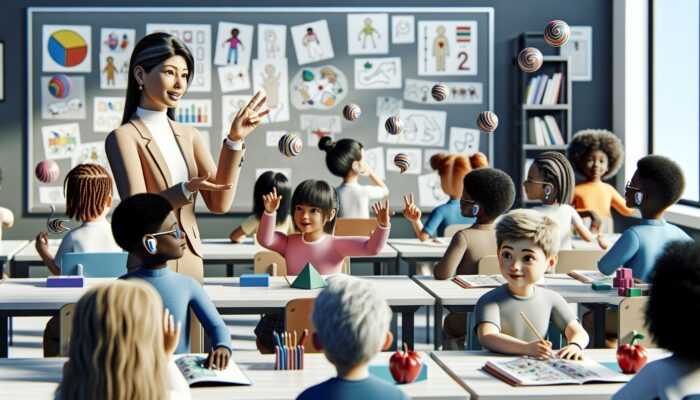
Children in a classroom, some with hearing aids, learning with a teacher using visual aids and sign language.

Addressing Learning Challenges Faced by Children with Hearing Loss

The educational environment poses considerable challenges for children with hearing loss. In conventional classroom settings, auditory information often serves as the primary medium of instruction, making it exceedingly difficult for hearing-impaired children to grasp fundamental concepts. Research highlights that these children frequently encounter significant knowledge gaps compared to their hearing peers, particularly in subjects that rely heavily on verbal instruction, such as language arts and social studies.

When lessons primarily depend on auditory input, children with hearing loss may struggle to keep pace, resulting in lower academic performance and heightened frustration. This difficulty can create a cycle of disengagement, where children feel overwhelmed and choose to withdraw from classroom participation. For instance, a child who cannot comprehend a teacher’s instructions may hesitate to contribute to classroom discussions, thereby missing crucial learning opportunities and widening the academic divide between themselves and their peers.

To combat these learning challenges, many educational institutions are now implementing inclusive teaching strategies, such as differentiated instruction and integrating technology. Schools can employ assistive listening devices that amplify the teacher’s voice while minimising background noise, thereby enabling better comprehension. Additionally, customised learning plans can help ensure that children with hearing loss receive the tailored support they require to thrive academically and fully engage in their learning experiences.

Encouraging Active Classroom Participation for Children with Hearing Loss

Active participation in the classroom is essential for enriching a child’s educational experience; however, children with hearing loss often find it challenging to engage in discussions and group activities. The auditory difficulties they face can lead to feelings of inadequacy, causing them to hesitate in expressing their thoughts or asking questions. This reluctance can further diminish their learning and social engagement, creating barriers to their academic success.

Research indicates that children with hearing loss are less likely to raise their hands or volunteer in class due to fears of misunderstanding or being misunderstood by their peers and teachers. This lack of participation negatively impacts not only their academic performance but also their self-esteem and confidence. Moreover, their hesitance to engage can create a feedback loop, where they miss opportunities to practise their communication skills, further hindering their ability to connect with others and participate socially.

Educators can play a pivotal role in fostering an inclusive environment by employing strategies that encourage participation from all students. Providing visual aids, clear instructions, and opportunities for small group discussions can help children with hearing loss feel more at ease when sharing their ideas. Empowering these children to actively engage in their learning journey is vital for enhancing their educational experience and emotional well-being.

Special Educational Needs for Children with Hearing Loss

A teacher using sign language and visual aids with hearing-impaired children in a small group, hands-on learning setting.

Children with hearing loss often require specialised educational support to meet their unique learning needs effectively. Special education programmes can provide a variety of resources, including sign language instruction, assistive listening devices, and individualised education plans (IEPs). These adaptations are crucial for ensuring that children receive the necessary assistance to achieve academic success.

In specific circumstances, children may benefit from one-on-one instruction or small group settings that cater to their particular learning requirements. For example, teaching methods that incorporate visual learning and hands-on activities can significantly enhance understanding and retention among hearing-impaired students. Furthermore, schools may offer specialised training for teachers to equip them with effective communication strategies to support students with hearing loss.

Research suggests that early intervention and targeted support can lead to improved academic outcomes for children with hearing loss. When educational institutions prioritise inclusivity and provide the required resources, children are more likely to thrive both academically and socially. By recognising and addressing the unique challenges faced by these students, educators can establish a more equitable learning environment that fosters success.

Providing Comprehensive Academic Support Services for Children with Hearing Loss

The importance of academic support services for children with hearing loss cannot be overstated. Numerous schools offer specialised tutoring, note-taking assistance, and academic counselling to help these students overcome the challenges posed by their hearing impairments. These services are integral in bridging the educational gap that often exists for hearing-impaired students, ensuring they receive a well-rounded education.

For instance, specialised tutoring can target critical areas where a child may be struggling, providing focused assistance that aligns with their individual learning style. Note-taking assistance can be especially beneficial, ensuring that students capture essential information during lectures, which is crucial for later studying and retention. Schools may also implement peer support programmes where hearing peers can help facilitate communication and engagement in group activities, enhancing the overall learning experience.

Research shows that children who receive adequate academic support are better equipped to succeed in their studies. By fostering a collaborative learning environment and providing tailored resources, schools can enhance the educational experiences of children with hearing loss. Ultimately, these academic support services play a vital role in helping these children build the skills and confidence necessary for lifelong learning and success.

Investigating the Emotional and Psychological Effects of Hearing Loss on Children

Tackling Self-Esteem Challenges in Children Experiencing Hearing Loss

The emotional repercussions of hearing loss can run deep, with many children grappling with issues surrounding self-esteem. When communication barriers arise, children may internalise feelings of inadequacy, leading them to question their ability to express themselves and connect with others effectively. This internal conflict can result in a significantly diminished sense of self-worth, profoundly impacting their overall emotional well-being.

Children with hearing loss are often acutely aware of their differences and may feel increasingly isolated from their peers, exacerbating feelings of low self-esteem. This sense of disconnection can manifest in various ways, such as reluctance to participate in social activities or avoidance of group settings. Studies indicate that children with hearing impairments face an increased risk of developing negative self-images, which can hinder their ability to form friendships and integrate into social networks.

To combat these self-esteem challenges, it is essential for parents and educators to provide consistent encouragement and positive reinforcement. Creating environments where children feel accepted and understood can significantly bolster their self-esteem. Engaging in activities that highlight individual strengths and talents can provide children with opportunities to excel, fostering a more positive self-image and enhancing their confidence in social situations.

Managing Anxiety and Stress in Children Facing Hearing Loss

For children with hearing loss, the ongoing challenges associated with communication can lead to increased levels of anxiety and stress. The fear of misunderstanding others or being misunderstood can create a pervasive atmosphere of tension. These emotional burdens can have far-reaching implications for a child’s mental health and overall quality of life.

Research indicates that anxiety stemming from communication challenges can interfere with a child’s ability to engage in everyday situations, such as participating in school activities or forming friendships. The pressure to ‘keep up’ with peers can exacerbate feelings of stress, especially in social settings where auditory input is crucial for interaction. This ongoing struggle may lead to a cycle of avoidance, further isolating children from fulfilling social interactions and experiences.

Parental support plays a critical role in alleviating anxiety and stress. Open communication about feelings, encouraging children to articulate their concerns, and providing coping strategies can significantly enhance their emotional resilience. Additionally, mindfulness techniques and social skills training can empower children to navigate their challenges with greater confidence, reducing anxiety and fostering a sense of belonging within their social circles.

Developing Effective Coping Strategies for Children with Hearing Loss

Establishing effective coping mechanisms is essential for children with hearing loss as they navigate the complexities of communication and social interaction. These strategies can vary from utilising assistive technology to implementing social skills training that enhances their ability to engage with peers. Children often develop unique coping strategies based on their individual experiences and the support they receive from family and educators.

For example, some children may rely on visual cues, such as lip-reading or gestures, to facilitate communication. Others may leverage technology, like hearing aids or speech-to-text applications, to bridge the gap between themselves and their hearing peers. These adaptive strategies not only promote effective communication but also foster a sense of autonomy, empowering children to take charge of their interactions and foster independence.

Research underscores the importance of teaching coping mechanisms from an early age. By equipping children with the tools to manage their hearing loss effectively, parents and educators can help mitigate feelings of frustration and isolation. Encouraging participation in support groups or social activities tailored for children with hearing loss can enhance their skill sets while simultaneously providing a sense of community and belonging.

Combatting Social Isolation in Children with Hearing Loss

Social isolation is a prevalent issue for children with hearing loss, often stemming from communication difficulties and their inability to fully participate in social interactions. This isolation can lead to severe emotional consequences, including feelings of loneliness and a sense of disconnection from peers. The challenges of navigating group dynamics without adequate communication can leave children feeling excluded, further exacerbating their emotional distress and sense of isolation.

Research shows that children with hearing impairments are at a heightened risk for developing mental health issues, such as anxiety and depression, due to their feelings of isolation. The struggle to connect with peers can result in a reluctance to engage in social settings, reinforcing feelings of loneliness. In some cases, this isolation can extend into adulthood, affecting their ability to form and maintain relationships later in life.

To combat social isolation, it is crucial to foster inclusive environments both at home and in educational settings. Encouraging friendships with understanding peers and facilitating opportunities for social interaction can significantly enhance a child’s emotional health. Additionally, promoting awareness and understanding of hearing loss among peers can help create a supportive social network, enabling children to feel valued and included within their communities.

Understanding Depression in Children with Hearing Loss

The long-term emotional challenges associated with hearing loss can culminate in significant mental health issues, including depression. The persistent struggles with communication, social interaction, and self-worth can weigh heavily on a child’s psyche, leading to feelings of sadness and hopelessness. Research has shown that children with hearing impairments are at a greater risk of experiencing depression compared to their hearing peers.

The impact of depression extends beyond emotional well-being, adversely affecting a child’s academic performance and social relationships. When children feel overwhelmed by their circumstances, they may withdraw from activities and friendships, exacerbating their feelings of isolation and despair. This downward spiral can lead to lasting repercussions, influencing their overall quality of life and emotional stability.

To effectively address depression, early intervention is crucial. Parents and educators should remain vigilant for signs of emotional distress and provide appropriate support. Counseling services, peer support groups, and open communication can help children navigate their feelings and build resilience. By fostering an environment of understanding and compassion, families and schools can play a vital role in supporting children’s mental health and overall well-being.

Examining Developmental Delays Associated with Hearing Loss in Children

Supporting Cognitive Development in Children with Hearing Loss

Cognitive development is intricately linked to auditory input, making children with hearing loss particularly vulnerable to delays in this critical area. When auditory stimuli are limited, it can impede a child’s ability to process information effectively. This limitation may hinder their learning capacity, impacting essential skills such as critical thinking, problem-solving, and memory retention.

Research indicates that children with hearing impairments often experience slower cognitive development compared to their hearing peers. The absence of rich auditory experiences can restrict exposure to language and concepts vital for cognitive growth. For instance, auditory learning plays a crucial role in understanding abstract concepts, which may be challenging for children who cannot fully engage with verbal instructions.

To support cognitive development, early intervention and tailored educational strategies are essential. Utilising visual aids, hands-on activities, and interactive learning techniques can promote cognitive engagement among children with hearing loss. Additionally, fostering a language-rich environment at home can enhance cognitive development, providing children with the necessary tools to succeed academically and socially.

Facilitating Language Acquisition in Children with Hearing Loss

Language acquisition is one of the areas most significantly affected for children with hearing loss. The ability to develop language skills often hinges on exposure to auditory stimuli, which may be limited for children with hearing impairments. This limitation can lead to considerable delays in language development, impacting their overall communication abilities and academic success.

Research shows that children with hearing loss frequently struggle with vocabulary acquisition, grammar, and sentence structure. Early intervention programmes that focus on language development can be instrumental in addressing these challenges. Techniques such as sign language instruction, speech therapy, and interactive reading can provide the essential support children need during their critical language development years.

Moreover, parental involvement plays a crucial role in enhancing language acquisition. Engaging children in conversations, reading together, and incorporating language-rich activities at home can facilitate language development. By creating an enriching linguistic environment, families can empower children with hearing loss to build strong communication skills that will serve them throughout their lives.

Supporting Motor Skills Development in Children with Hearing Loss

Motor skill development is another area that can be affected by hearing loss, as children often rely on auditory feedback to refine their physical abilities. The connection between auditory input and motor coordination is significant, especially in early childhood, where play and exploration are critical for developing fine and gross motor skills.

Children with hearing impairments may experience delays in motor skill development due to limited auditory feedback during play interactions. For example, a child may not hear the sounds associated with specific movements, such as clapping or running, which can hinder their ability to replicate those actions effectively. This lack of auditory cues can lead to challenges in both physical activities and social play, further complicating their overall development.

Creating opportunities for children to engage in physical activities, such as sports or dance, can help bolster their motor skills. Encouraging play that emphasises visual and tactile feedback can also support their physical development. Research suggests that children with hearing loss who participate in inclusive physical activities tend to experience enhanced motor skills, social engagement, and overall well-being.

Enhancing Social and Emotional Development in Children with Hearing Loss

The interplay between hearing loss and social-emotional development is complex, as communication barriers can significantly impact a child’s ability to engage socially and develop emotional intelligence. Limited communication skills can lead to difficulties in forming friendships and understanding social cues, which are essential for emotional growth and development.

Research indicates that children with hearing impairments may experience delays in social-emotional development, as they often struggle to interpret the emotions and intentions of their peers effectively. This inability to connect with others can lead to feelings of isolation and hinder the development of empathy and social skills. Additionally, the emotional challenges associated with hearing loss can exacerbate these delays, creating a cycle of difficulties in social interactions.

To foster social-emotional development, it is essential to create inclusive environments that support interaction and communication among peers. Encouraging collaborative play, promoting social skills training, and facilitating open conversations about emotions can help children with hearing loss build strong social connections. By prioritising social-emotional growth, families and educators can empower these children to navigate their world with confidence and resilience.

Promoting Social and Cultural Integration for Children with Hearing Loss

Building Meaningful Peer Relationships for Children with Hearing Loss

Establishing and maintaining peer relationships can pose significant challenges for children with hearing loss. Communication barriers often prevent them from fully engaging in conversations, which is crucial for forming friendships. This limitation can lead to feelings of exclusion and loneliness, as children may struggle to connect with their hearing peers, impacting their social development.

Research indicates that children with hearing impairments often find it more challenging to develop social connections compared to their hearing counterparts. The inability to participate in spontaneous conversations or understand social nuances can hinder the development of friendships, leaving these children feeling isolated. This social disconnection can contribute to a sense of low self-esteem and emotional distress.

To foster peer relationships, it is essential for parents and educators to create inclusive environments that promote understanding and acceptance. Encouraging group activities that focus on collaboration and teamwork can help children with hearing loss connect with their peers. Additionally, promoting awareness and empathy among hearing children can facilitate more meaningful interactions, allowing for stronger social bonds and connections.

Enhancing Cultural Participation for Children with Hearing Loss

Cultural participation is another critical aspect often impacted by hearing loss. Many cultural activities, such as music, theatre, and community events, rely heavily on auditory input, which can leave children with hearing impairments feeling excluded. This exclusion can limit their exposure to diverse cultural experiences, which are vital for personal growth and social integration.

Research suggests that children with hearing loss may miss out on cultural traditions and celebrations that involve auditory elements, leading to a disconnection from their communities and heritage. This lack of participation can further exacerbate feelings of isolation and hinder their understanding of cultural norms and values.

To enhance cultural participation for children with hearing loss, it is essential to promote inclusivity in community events. Providing accommodations, such as sign language interpretation or visual aids, can enable these children to engage fully in cultural activities. By fostering an inclusive cultural environment, communities can help children with hearing loss feel valued and connected to their heritage, enhancing their sense of belonging.

Encouraging Community Involvement for Children with Hearing Loss

Participating in community events and activities can be particularly challenging for children with hearing loss. The communication barriers they face can lead to a sense of exclusion, preventing them from fully participating in communal life. This disconnection can foster feelings of isolation and diminish their sense of belonging within their communities.

Research indicates that children with hearing impairments often miss out on valuable opportunities for community involvement, which are crucial for social development. The inability to engage in discussions or activities can limit their exposure to diverse perspectives and experiences, further isolating them from their peers and community.

To promote community involvement, it is vital for organisations and community leaders to prioritise inclusivity. Creating accessible programmes and ensuring that community events cater to the needs of children with hearing loss can significantly enhance their participation. Collaborating with local deaf organisations can also create opportunities for meaningful engagement, allowing children to feel connected to their communities and fostering a sense of belonging.

Strengthening Family Dynamics in the Context of Hearing Loss

Family dynamics can be significantly impacted by hearing loss, introducing unique challenges in communication that may lead to misunderstandings and emotional distance. Children with hearing impairments may struggle to communicate their needs and feelings effectively, creating tension and frustration within the family unit.

Research highlights that families of children with hearing loss often experience increased stress and emotional challenges due to these communication barriers. Parents may feel overwhelmed trying to understand their child’s needs, while children may feel isolated and misunderstood. This dynamic can create a cycle of emotional distress that affects the family’s overall well-being.

To strengthen family dynamics, it is essential to prioritise open communication and understanding. Families can explore adaptive communication strategies, such as learning sign language or incorporating visual aids, to enhance interactions. Engaging in family activities that promote inclusion and understanding can also foster stronger emotional bonds, ultimately supporting the child’s overall development and emotional health.

Understanding the Long-Term Consequences of Hearing Loss in Children

Exploring Career Opportunities Available for Individuals with Hearing Loss

The impact of hearing loss can extend far beyond childhood, significantly influencing career opportunities later in life. Many professions require strong communication skills, and children with hearing impairments may find themselves at a disadvantage when navigating the job market. This limitation can result in fewer career options and potentially lower earning potential compared to their hearing peers.

Research indicates that individuals with hearing loss often encounter barriers to employment, particularly in fields that rely heavily on verbal communication. The inability to effectively articulate ideas or engage in discussions can limit professional advancement and career growth. Moreover, societal perceptions of hearing loss can perpetuate stigma, making it even more challenging for individuals to secure desirable positions in competitive job markets.

To mitigate these long-term consequences, it is essential to provide children with hearing loss the necessary support and resources to develop strong communication skills. Encouraging involvement in diverse extracurricular activities and vocational training programmes can help equip them with the skills needed for future success. By fostering a culture of understanding and acceptance within professional settings, society can work to remove barriers to employment for individuals with hearing loss, enabling them to thrive in their careers.

Promoting Independence Among Children with Hearing Loss

Achieving independence can be particularly challenging for children with hearing loss as they transition into adulthood. The communication barriers they face may hinder their ability to navigate social and professional situations independently. This challenge can lead to feelings of insecurity and dependency on others, negatively impacting their overall quality of life.

Research suggests that individuals with hearing impairments often require additional support in developing essential life skills, such as effective communication, decision-making, and problem-solving. These skills are crucial for achieving independence and self-sufficiency. Without adequate support, children with hearing loss may struggle to transition into adulthood successfully, affecting their ability to live independently and pursue their goals.

To promote independence, it is essential to provide young individuals with hearing loss the tools and resources they need to succeed. Programmes focusing on life skills training, social communication, and self-advocacy can empower these individuals to navigate their world with confidence. Additionally, fostering a supportive network of peers and mentors can help create an inclusive environment that encourages independence and self-reliance.

Improving Quality of Life for Individuals Experiencing Hearing Loss

The cumulative effects of hearing loss can significantly impact an individual’s overall quality of life. The challenges associated with communication, social interaction, and emotional well-being can lead to feelings of isolation, frustration, and unhappiness. Children with hearing impairments may struggle to form meaningful connections and engage in fulfilling relationships, ultimately affecting their life satisfaction and overall happiness.

Research indicates that individuals with hearing loss often report lower overall quality of life compared to their hearing peers. This disparity can stem from difficulties in social engagement, academic performance, and emotional health. Without proper support and intervention, the long-term consequences of hearing loss can reverberate throughout an individual’s life, affecting their mental, emotional, and social well-being.

To enhance the quality of life for individuals with hearing loss, it is essential to prioritise early intervention and ongoing support. Providing access to resources such as counselling, social skills training, and community engagement can empower individuals to lead fulfilling lives. By fostering a culture of acceptance and understanding, society can help mitigate the challenges faced by individuals with hearing loss, ultimately improving their overall quality of life and emotional health.

Frequently Asked Questions Regarding Hearing Loss in Children

In what ways does hearing loss affect the speech development of children?

Hearing loss can delay speech development in children, making it more challenging for them to articulate sounds and construct words. Limited auditory input hampers their ability to learn through imitation, leading to difficulties in phonetic production and language structure.

What social challenges do children with hearing loss typically encounter?

Children with hearing loss often experience social isolation due to difficulties in comprehending spoken language. This can hinder their ability to engage in conversations, build friendships, and participate in group activities, resulting in feelings of loneliness.

How does hearing loss affect a child’s academic performance?

Hearing loss can lead to learning challenges, as children may struggle to follow lessons and engage in class discussions. This can result in educational gaps and lower academic performance compared to their hearing peers.

What emotional effects can arise from hearing loss in children?

Children with hearing loss may experience low self-esteem, anxiety, stress, and depression due to communication challenges and social isolation. These emotional burdens can significantly impact their mental health and overall well-being.

Can hearing loss impede a child’s cognitive development?

Yes, hearing loss can hinder cognitive development, affecting a child’s ability to process and retain information. Limited auditory input can restrict exposure to language and concepts essential for cognitive growth, leading to learning delays.

What strategies can aid children with hearing loss in developing social skills?

Encouraging participation in inclusive group activities, promoting social skills training, and facilitating open conversations about emotions can help children with hearing loss build strong social connections and enhance their social skills.

How does hearing loss impact family dynamics?

Hearing loss can create communication barriers within families, leading to misunderstandings and emotional distance. This can affect the overall emotional bond between parents and children, increasing stress within the family unit and impacting family relationships.

What long-term consequences can hearing loss have on career opportunities?

Hearing loss can limit future job prospects, particularly in fields that require strong communication skills. Individuals with hearing impairments may face barriers to employment and experience lower earning potential, affecting their career trajectory.

How can parents support children with hearing loss in achieving independence?

Parents can support their children by providing life skills training, encouraging self-advocacy, and fostering a supportive network. Empowering children with the necessary tools can enhance their ability to navigate the world independently and confidently.

What can improve the quality of life for individuals with hearing loss?

Access to early intervention, ongoing support, and resources such as counselling and social skills training can significantly enhance the quality of life for individuals with hearing loss, helping them lead fulfilling and engaged lives.

Explore our journey on X!

The post Hearing Loss in Children: Understanding Its Unique Effects appeared first on The Microsuction Ear Wax Removal Network.