Categories
Health & Wellness Hearing Health

Poor Circulation’s Effect on Hearing Health

Last Updated on 26/12/2025 by Admin

Uncovering the Vital Link Between Blood Circulation and Auditory Health

Examining the Impact of Blood Flow on Ear Functionality

The flow of blood is fundamental for sustaining the health of the auditory system, as it delivers essential nutrients and oxygen to the ears. The inner ear, which houses the cochlea along with other critical components essential for hearing, relies on an adequate blood supply to function optimally. Should circulation be disrupted, the delicate structures within the inner ear may fail to receive the required nourishment, which could potentially result in hearing loss.

The repercussions of inadequate circulation can become evident in various ways, often beginning subtly before escalating into more significant issues. Initial symptoms might include a sensation of fullness in the ears or minor fluctuations in hearing ability. If these warning signs go unnoticed, they could evolve into more pronounced auditory challenges. The importance of maintaining proper blood flow cannot be overstated, as it is directly correlated with auditory health and the preservation of hearing functionality.

The relationship between blood flow and ear function is a physiological reality that affects millions across the globe. By gaining insight into how lifestyle choices and underlying health conditions influence circulatory health, individuals can better understand how these factors impact their hearing. By prioritising vascular health, proactive steps can be taken to protect hearing and promote overall auditory well-being.

The Crucial Role of Vascular Health in Enhancing Auditory Function

Vascular health is essential for the proper operation of the auditory system. A complex network of blood vessels must remain unobstructed and disease-free to ensure optimal functionality of the ears. A deterioration in vascular health significantly raises the risk of hearing impairment. Conditions such as atherosclerosis, characterised by the narrowing of arteries due to plaque build-up, can inhibit blood flow to the ears and potentially damage auditory structures.

The auditory system is intricately linked with the vascular system. For instance, the cochlea, which is tasked with converting sound vibrations into neural signals, requires a steady blood supply for effective operation. Poor vascular health can jeopardise this supply, thus impairing hearing abilities. Additionally, conditions such as hypertension can alter blood vessel structure, further compromising auditory function.

To maintain optimal auditory health, it is imperative to cultivate healthy vascular habits. Engaging in regular cardiovascular exercise, adhering to a balanced diet rich in antioxidants and healthy fats, and avoiding smoking are proactive measures that can safeguard vascular health. By understanding the connection between vascular health and hearing capabilities, individuals can take definitive steps to enhance their auditory well-being.

Delving into the Mechanisms of Hearing Loss Associated with Circulatory Issues

When circulation is compromised, the pathways leading to hearing loss can be complex and gradual. The inner ear, which requires a consistent supply of oxygen and nutrients, is especially susceptible to variations in blood flow. An insufficient blood supply can result in the degeneration of hair cells situated within the cochlea, hampering their ability to transmit sound signals to the brain. This degeneration often unfolds slowly, frequently remaining unnoticed until substantial hearing impairment has occurred.

One mechanism through which poor circulation can lead to hearing loss is via oxidative stress. Reduced blood flow can elevate the risk of oxidative damage within auditory structures. Over time, this damage may culminate in progressive hearing loss, underscoring the critical need for early intervention to preserve auditory function. Furthermore, compromised blood vessels may incite inflammation, which can further damage the sensitive tissues of the inner ear.

It is vital for individuals to be aware of the signs indicating potential hearing loss related to circulatory issues. Regular hearing assessments and a heightened awareness of how circulatory health impacts auditory function can foster a proactive approach to managing hearing health. By understanding the underlying mechanisms, patients can collaborate with healthcare providers to implement preventive measures aimed at preserving their hearing as they age.

Proven Strategies to Boost Circulation for Enhanced Hearing

Improving circulation is a proactive strategy for enhancing hearing health. Numerous lifestyle modifications can lead to improved blood flow, which ultimately benefits auditory function. Consistent physical activity is one of the most effective ways to promote circulation. Engaging in aerobic exercises such as brisk walking, cycling, or swimming can significantly bolster heart health and improve blood flow throughout the body, including the ears.

A well-rounded diet is equally crucial. Incorporating foods rich in omega-3 fatty acids, antioxidants, and vitamins can enhance vascular health and improve blood flow. By including leafy greens, berries, fish, and nuts in one’s diet, individuals can supply essential nutrients that support healthy circulation.

Staying hydrated is also essential for maintaining good circulation. Drinking sufficient amounts of water ensures that blood remains fluid and capable of flowing smoothly through the vessels. Dehydration can lead to thicker blood, which increases the risk of circulation problems.

Moreover, regular health check-ups are vital for monitoring vascular health and addressing potential issues early. By adopting a comprehensive approach to enhance circulation, individuals can foster a healthier auditory system.

  • Engage in regular aerobic exercises.
  • Consume a diet rich in omega-3 fatty acids.
  • Stay well-hydrated with ample water intake.
  • Limit the consumption of processed foods and sugars.
  • Practice stress-relief techniques like yoga or meditation.
  • Quit smoking and reduce alcohol intake.
  • Schedule regular health check-ups to monitor vascular health.
  • Consider supplements after consulting a healthcare professional.

Thorough Diagnostic Tests for Identifying Hearing Issues Related to Circulation

Identifying hearing issues linked to circulation necessitates a thorough approach, which includes various diagnostic tests. One primary method is audiometry, a test that measures an individual’s hearing sensitivity across multiple frequencies. This evaluation can help ascertain the extent of hearing loss and determine whether it correlates with potential circulation problems.

Another valuable diagnostic tool is tympanometry. This assessment evaluates the movement of the eardrum in response to changes in air pressure. It can reveal issues within the middle ear, such as fluid build-up, which may suggest underlying circulatory problems. If abnormalities are detected, further vascular imaging techniques such as Doppler ultrasound or angiography may be required to assess blood flow to the ears.

Timely diagnosis is crucial for effective intervention. By promptly identifying circulation-related hearing issues, healthcare providers can develop personalised treatment plans that address both auditory and vascular health. It is essential for patients to take charge of their health by seeking timely evaluations when they notice changes in their hearing, as proactive measures can significantly improve outcomes.

Professional Perspectives on the Consequences of Poor Circulation for Hearing

What Symptoms Indicate Circulation Issues in the Ears?

Recognising the symptoms of poor circulation in the ears is vital for early intervention. Signs of compromised auditory circulation may include tinnitus—a persistent ringing or buzzing in the ears—hearing loss, and episodes of dizziness. These symptoms can serve as critical indicators that circulatory issues could be adversely affecting auditory health.

Additional common symptoms may encompass:

  • Challenges in understanding speech in noisy environments.
  • A sensation of fullness or pressure in the ears.
  • Sudden changes in hearing ability.
  • Frequent ear infections or fluid build-up.
  • Chronic headaches that may accompany auditory symptoms.
  • Heightened sensitivity to loud sounds.
  • Balance difficulties or unsteadiness.
  • Altered perceptions of sound quality.

Being able to identify these symptoms early can lead to better management of circulatory health, potentially preventing further hearing loss. Awareness of these warning signs empowers individuals to seek professional assistance and address underlying issues before they escalate.

How Can Specialists Accurately Diagnose Circulation-Related Hearing Loss?

Specialists utilise a variety of diagnostic tools to accurately diagnose hearing loss associated with poor circulation. Audiograms are among the most common tests, measuring an individual’s ability to perceive sound across various frequencies and identifying patterns of hearing loss that may indicate underlying circulatory issues.

In addition to hearing assessments, healthcare professionals may conduct blood flow evaluations to gauge vascular health. Tests such as Doppler ultrasound provide imaging of blood flow in arteries and veins, helping to identify any blockages or irregularities that could be impacting hearing.

Early diagnosis is essential for effective treatment; thus, specialists are trained to recognise specific patterns in hearing tests that may suggest poor circulation. By integrating audiometric data with vascular assessments, healthcare providers can gain a comprehensive understanding of the patient’s condition, informing targeted treatment strategies.

It is crucial for individuals experiencing hearing difficulties to seek specialised care. Proactive engagement with healthcare providers not only facilitates the diagnosis of current issues but also establishes a foundation for ongoing monitoring of auditory and vascular health.

What Expert Recommendations Exist for Enhancing Circulation?

Experts advocate for a variety of interventions aimed at boosting circulation and, in turn, preserving or restoring hearing. Lifestyle modifications typically represent the first line of defence. Engaging in regular physical activity is universally recommended, as it strengthens the cardiovascular system and promotes improved blood flow to all organs, including the ears.

In addition to exercise, dietary changes can yield substantial benefits. A diet abundant in fruits, vegetables, whole grains, lean proteins, and healthy fats can bolster vascular health and enhance circulation. Omega-3 fatty acids, found in fish such as salmon, have been shown to provide benefits for blood flow and overall cardiovascular health.

For some individuals, medications may be necessary to manage underlying conditions affecting circulation. Antihypertensives, anticoagulants, and lipid-lowering agents may be prescribed to promote better blood flow and mitigate the risk of hearing loss. In more severe cases, surgical interventions may be considered, particularly if significant blockages affect blood supply.

Incorporating stress management strategies, such as mindfulness practices and meditation, can also improve overall vascular health. These techniques help reduce the stress-induced hormonal effects that may constrict blood vessels, thus enhancing circulation. Overall, a comprehensive approach to improving circulation is imperative for preserving hearing health.

Choices in Lifestyle That Affect Circulation and Auditory Health

The Impact of Nutrition on Blood Flow and Hearing Function

Diet plays a pivotal role in maintaining healthy circulation, which is directly linked to hearing health. Embracing a balanced diet rich in essential nutrients can enhance blood flow and thus support improved auditory function. Foods high in antioxidants, omega-3 fatty acids, and vitamins are known to promote vascular health and protect hearing abilities.

Avoiding diets high in saturated fats and sugars is critical to preventing circulatory problems. High-fat diets can lead to atherosclerosis, which narrows blood vessels and reduces blood flow to the ears. Conversely, incorporating heart-healthy foods like avocados, nuts, and leafy greens can enhance circulation and improve auditory function.

Certain nutrients, including <a href="https://healthcaremarketingservice.com/diets-impact-on-ear-health-a-comprehensive-guide/">magnesium</a> and potassium, also play a role in maintaining healthy blood vessels. Foods such as bananas, spinach, and beans are excellent sources of these vital minerals, promoting better blood flow. Staying adequately hydrated is equally important, as sufficient fluid intake optimises blood viscosity, further encouraging circulation.

By recognising the connection between diet and circulation, individuals can make informed choices that bolster their hearing health. Prioritising a nutrient-dense diet not only enhances circulation but also improves overall well-being, forging a powerful synergy between dietary habits and auditory health.

What Influence Does Exercise Have on Circulation and Hearing Health?

Regular physical activity serves as a cornerstone for maintaining healthy circulation, which directly affects hearing health. Engaging in exercise enhances cardiovascular fitness, ensuring efficient blood flow throughout the body, including to the ears. Improved circulation facilitates the delivery of oxygen and nutrients to auditory structures, thus contributing to optimal hearing function.

Aerobic exercises such as running, cycling, and swimming are particularly effective for boosting cardiovascular health. These activities elevate heart rate and stimulate blood flow, enhancing vascular efficiency. Additionally, strength training exercises can improve metabolic health, further supporting circulation and overall bodily functions.

Incorporating specific exercises can yield additional benefits for hearing health. Activities that improve balance and coordination, such as yoga or tai chi, can help counteract age-related auditory decline. These practices not only enhance physical fitness but also promote a strong mind-body connection, contributing to overall well-being.

To maintain an active lifestyle, individuals should aim for a minimum of 150 minutes of moderate-intensity aerobic exercise weekly. By establishing a consistent exercise routine and including activities that stimulate circulation, individuals can substantially benefit their auditory health as well as their overall quality of life.

  • Brisk walking
  • Cycling
  • Swimming
  • Dancing
  • Yoga
  • Strength training
  • Tai chi
  • Jogging

The Impact of Smoking and Alcohol on Circulation and Hearing

Both smoking and excessive alcohol consumption can severely compromise circulation, leading to potential hearing complications. The harmful chemicals present in tobacco can damage blood vessels, resulting in reduced blood flow to various body parts, including the ears. This diminished circulation can contribute to hearing loss and other auditory issues.

Moreover, smoking is associated with increased inflammation throughout the body, which can exacerbate circulatory problems and lead to further auditory decline. Quitting smoking not only enhances overall health but also significantly improves circulation and auditory function.

Excessive alcohol intake can also negatively affect blood flow. Chronic alcohol use may contribute to hypertension and other cardiovascular issues, increasing the risk of hearing loss. Moderating alcohol consumption is essential for maintaining healthy circulation and protecting hearing capabilities.

Individuals aiming to enhance their auditory health should consider eliminating smoking and moderating alcohol consumption as integral components of a broader health strategy. By addressing these lifestyle factors, significant progress can be made towards improving circulation and safeguarding auditory health.

Medical Conditions Associated with Poor Circulation and Hearing Loss

What Common Illnesses Impact Circulation and Hearing?

Numerous medical conditions can adversely affect circulation, potentially leading to hearing impairment. Common diseases associated with poor circulation include diabetes, hypertension, and cardiovascular diseases. Each of these conditions can compromise blood flow to the ears, resulting in auditory impairments.

For example, diabetes can gradually damage blood vessels, leading to circulatory issues that affect not only extremities but also the auditory system. Individuals with diabetes face an increased risk of hearing loss due to the vascular complications that often accompany the disease.

Hypertension, or high blood pressure, can also be detrimental to circulation. Elevated blood pressure may lead to structural changes in blood vessels, limiting their ability to supply adequate blood flow to the ears. This impairment can contribute to progressive hearing loss if not managed effectively.

Cardiovascular diseases, such as atherosclerosis and heart disease, can further obstruct blood flow due to blocked vessels. These conditions can significantly impact auditory function, highlighting the need to manage underlying health issues to preserve hearing.

By being aware of these common diseases and their effects on circulation, individuals can implement proactive measures to manage their health and reduce the risk of hearing loss. Regular health screenings and lifestyle modifications can significantly improve both vascular and auditory health.

How Do Medications Influence Circulation and Hearing Health?

Medications can have a significant impact on both circulation and hearing. Certain drugs can improve blood flow, while others may lead to circulatory complications or even cause hearing loss. It is essential for patients to understand the potential side effects of their medications and communicate any concerns with their healthcare providers.

For instance, medications like blood thinners can enhance circulation by preventing clot formation. However, these medications may increase bleeding risks, necessitating careful monitoring. Conversely, some common medications, particularly certain antibiotics and diuretics, are associated with ototoxicity, which can result in hearing loss.

Additionally, hypertension medications, while crucial for managing blood pressure, can sometimes induce circulatory changes that affect hearing. It is vital for individuals to work closely with their healthcare providers to find the right medication balance that supports both circulatory health and auditory function.

Patients should never discontinue or alter their medications without consulting a healthcare professional. By maintaining open lines of communication and undergoing regular evaluations, individuals can navigate potential medication-related risks and protect their hearing health.

Understanding the Link Between Age-Related Changes and Circulation

As individuals age, various physiological changes occur within the body, including alterations in circulation that can impact hearing. Age-related changes in blood vessel elasticity and functionality may result in decreased blood flow to the ears, contributing to hearing deterioration over time.

This reduction in circulation may exacerbate age-related auditory conditions, such as presbycusis, a prevalent form of hearing loss associated with aging. Diminished blood flow can impair the functionality of the cochlea and other auditory structures, leading to a gradual decline in hearing capacity.

Furthermore, age-related diseases like hypertension and atherosclerosis can complicate circulatory issues. Understanding these age-related changes is essential for the proactive management of hearing health. Regular health check-ups and monitoring can help identify circulatory problems early, allowing for timely interventions to preserve auditory function.

Adopting a healthy lifestyle that includes a balanced diet, regular exercise, and stress management can mitigate some of the adverse effects of aging on circulation and hearing. By focusing on both vascular and auditory health, individuals can enjoy a better quality of life as they age.

Research-Driven Insights on the Relationship Between Circulation and Hearing

What Do Scientific Studies Indicate About Circulation and Hearing Health?

Research consistently illustrates a strong correlation between circulation and hearing health, with numerous studies demonstrating how improvements in circulation can positively affect auditory function. For example, findings indicate that individuals who participate in regular aerobic exercise tend to experience better hearing outcomes, as increased blood flow enhances nutrient delivery to the ears.

Clinical studies have shown that patients with circulatory problems exhibit higher rates of hearing loss compared to those with healthy vascular function. This connection underscores the significance of maintaining good circulation to preserve hearing abilities. Real-world initiatives, such as community-based exercise programs, have yielded notable improvements in both circulatory health and auditory function among participants.

Additionally, research has explored the effects of dietary interventions on circulation and hearing health. Studies suggest that diets rich in omega-3 fatty acids can improve blood flow and enhance hearing capabilities. These findings reinforce the notion that lifestyle changes can serve as effective strategies for preserving auditory health.

By understanding the research-backed benefits of circulation on hearing, individuals can be inspired to adopt lifestyle changes that support both their vascular and auditory well-being. Emphasising the importance of regular health check-ups and healthy habits can lead to improved overall health outcomes.

How Does Enhanced Circulation Improve Hearing Abilities?

Improved circulation can facilitate better delivery of nutrients and oxygen to the ears, potentially enhancing hearing abilities. When blood flow is optimal, the delicate structures of the inner ear receive the essential nourishment they need for effective functioning. This improved blood supply can be especially beneficial for individuals experiencing early signs of hearing loss.

By promoting vascular health through exercise and nutrition, individuals can create an environment conducive to maintaining auditory function. Enhanced circulation not only supports the structural integrity of the inner ear but also improves the efficiency of auditory processing, resulting in clearer sound perception and overall improved hearing abilities.

Moreover, enhanced circulation can help mitigate the risk of oxidative damage, which may contribute to hearing deterioration over time. Adequate blood flow aids in reducing inflammation and promoting repair processes within the auditory system, ultimately leading to better hearing outcomes.

In summary, prioritising circulation is essential for maintaining and enhancing hearing abilities. By adopting healthy lifestyle practices, individuals can significantly benefit their auditory health and overall quality of life.

The Role of Clinical Trials in Understanding Circulation and Hearing Relations

Clinical trials are crucial in deepening our understanding of how circulation impacts hearing. These studies provide valuable insights into the relationship between vascular health and auditory function, guiding clinical practices and treatment strategies. By examining various interventions, researchers can assess the effectiveness of approaches aimed at improving circulation and, consequently, hearing health.

Clinical trials often investigate the effects of lifestyle changes, medications, and surgical procedures on both circulatory and auditory health. For instance, studies assessing the impact of exercise on hearing have demonstrated beneficial results, highlighting the advantages of enhanced circulation for auditory function. Such findings contribute to an expanding body of evidence supporting the significance of vascular health in hearing preservation.

Furthermore, clinical trials can identify potential risks associated with different treatments, enabling healthcare providers to make informed recommendations for patients. By participating in these studies, individuals can access cutting-edge interventions that may enhance their auditory health and overall well-being.

In conclusion, clinical trials are invaluable in advancing our understanding of the intricate relationship between circulation and hearing. The data generated from these studies can lead to more effective treatment options and ultimately improve quality of life for those affected by hearing loss.

The Long-Term Consequences of Poor Circulation on Hearing Loss

Chronic poor circulation can lead to progressive hearing loss, as sustained inadequate blood flow to the ears exacerbates auditory decline over time. Research shows that individuals with prolonged circulatory issues face a greater risk of developing significant hearing impairments compared to those with healthy circulation.

The long-term effects of poor circulation on hearing loss often develop gradually, making early detection and intervention critical. As blood flow diminishes, the delicate structures within the inner ear may suffer from oxidative damage and inflammation, leading to irreversible hearing loss if not properly addressed.

Additionally, chronic circulatory problems can exacerbate age-related hearing decline, compounding the effects of natural aging processes. Individuals with poor vascular health may experience accelerated hearing loss, highlighting the importance of proactive measures to enhance circulation throughout their lives.

To alleviate the long-term effects of poor circulation on hearing, individuals should prioritise their vascular health through lifestyle changes, regular check-ups, and timely interventions. By understanding the potential consequences of chronic circulatory issues, individuals can take empowered steps to protect their hearing health.

Preventive Measures for Sustaining Optimal Circulation and Hearing

What Daily Habits Can Improve Circulation and Hearing Health?

Incorporating healthy daily habits can significantly enhance both circulation and hearing health. Regular physical activity, a balanced diet, and effective stress management techniques can create a positive impact on vascular and auditory function.

Engaging in aerobic exercises, even in short bursts, promotes blood flow and strengthens the cardiovascular system. Simple activities such as walking or cycling can easily be integrated into daily routines, making it more feasible to remain active.

A nutritious diet that emphasises whole foods, such as fruits, vegetables, lean proteins, and healthy fats, supports vascular health and boosts circulation. Foods high in antioxidants can combat oxidative stress, further protecting hearing abilities.

Stress management is equally important, as chronic stress can negatively influence circulation. Techniques such as deep breathing, meditation, and yoga can effectively lower stress levels.

Additional daily habits to consider include:

  • Staying hydrated with sufficient water intake.
  • Avoiding excessive caffeine and alcohol consumption.
  • Limiting salt intake to manage blood pressure.
  • Incorporating short breaks and stretching during prolonged periods of inactivity.
  • Practising good posture to support circulation.
  • Getting adequate sleep to foster overall health.
  • Utilising ear protection in loud environments.
  • Maintaining a healthy weight to alleviate strain on the cardiovascular system.

By adopting these daily habits, individuals can establish a solid foundation for improved circulation and hearing health, leading to enhanced overall well-being.

The Importance of Regular Health Assessments

Routine health assessments are essential for monitoring circulation and hearing health, facilitating early intervention when issues arise. Regular screenings can help identify risk factors related to circulatory diseases and hearing impairments, enabling individuals to take proactive measures to protect their overall well-being.

Healthcare providers can evaluate an individual’s vascular health through routine blood pressure checks, cholesterol screenings, and other relevant tests. By tracking these metrics over time, patients and providers can collaborate to develop targeted strategies for enhancing circulatory health.

Moreover, regular audiometric evaluations can assist in detecting early signs of hearing loss. These assessments yield valuable data on an individual’s hearing abilities and can reveal patterns that might indicate circulation-related issues.

By prioritising regular health assessments, individuals can stay informed about their health status and address potential problems before they escalate. This proactive approach fosters a greater understanding of the interconnectedness between circulation and hearing, ultimately leading to better health outcomes.

How Does Stress Management Affect Circulation and Hearing Health?

Stress can significantly impact circulation, which in turn can influence hearing. Chronic stress often triggers the release of hormones like cortisol and adrenaline, which constrict blood vessels and restrict blood flow. This reduction in circulation may hinder the delivery of oxygen and nutrients to the ears, exacerbating auditory issues over time.

Implementing effective stress management techniques is essential for maintaining healthy circulation and preserving hearing health. Incorporating practices such as mindfulness, meditation, and physical activity can help alleviate stress levels and support vascular function.

Engaging in regular exercise not only reduces stress but also enhances blood flow, creating a beneficial cycle for both circulation and auditory health. Establishing a strong support network and practising relaxation techniques can further improve an individual’s capacity to manage stress effectively.

By recognising the connection between stress and circulation, individuals can adopt stress-reducing strategies that promote overall health, including the preservation of hearing. Prioritising mental well-being is integral to sustaining both circulatory and auditory function.

Technological Advancements in Addressing Circulation-Related Hearing Issues

What Innovative Technologies Assist in Diagnosing Circulation Problems?

Technological advancements have revolutionised the diagnosis of circulation issues related to hearing. Innovative imaging and diagnostic tools empower healthcare providers to accurately assess vascular health. For example, Doppler ultrasound technology enables clinicians to visualise blood flow in real-time, identifying potential blockages or irregularities that may affect circulation.

Furthermore, advanced audiometric testing equipment provides heightened sensitivity in detecting subtle changes in hearing abilities. These tools allow specialists to establish more precise associations between circulatory health and auditory function, resulting in more personalised treatment plans for patients.

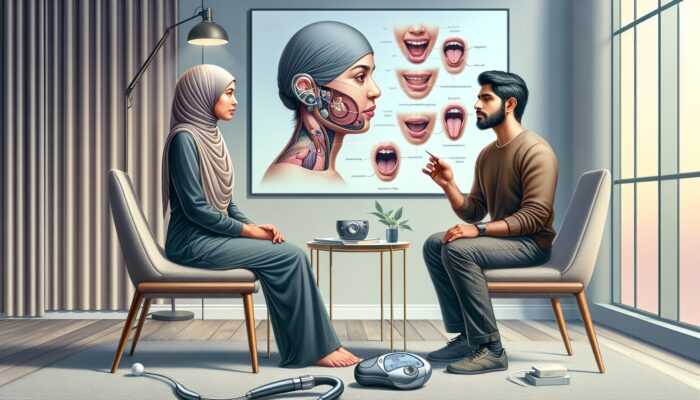
The integration of telemedicine into audiology and vascular evaluations has expanded access to specialised care. Patients can receive consultations and follow-up assessments remotely, making it easier to monitor their health and address any emerging issues promptly.

These technological advancements are crucial for the early detection and intervention of circulation-related hearing problems, ultimately enhancing patient outcomes and fostering a better understanding of the connection between circulation and hearing health.

Innovative Treatments for Improving Circulation and Hearing Health

Recent innovations in treatment strategies for circulation and hearing health offer promising solutions for individuals grappling with these interconnected challenges. New medications designed to enhance vascular function and improve blood flow are emerging, providing hope for those with circulatory problems contributing to hearing loss.

Moreover, minimally invasive surgical techniques can restore proper blood flow in individuals facing significant blockages that affect their auditory health. These procedures generally entail lower risk and quicker recovery times compared to traditional surgeries, making them a viable option for many patients.

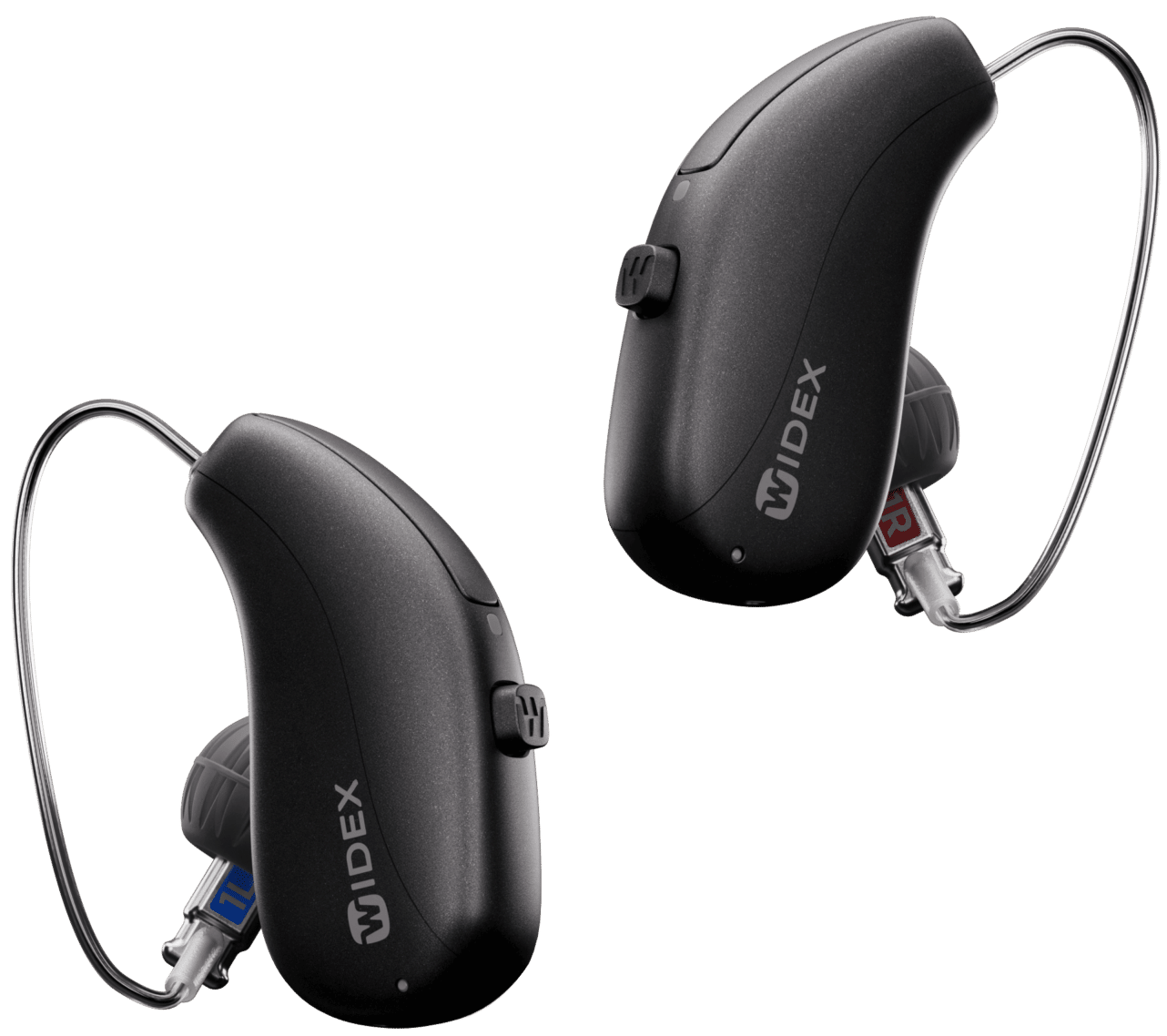
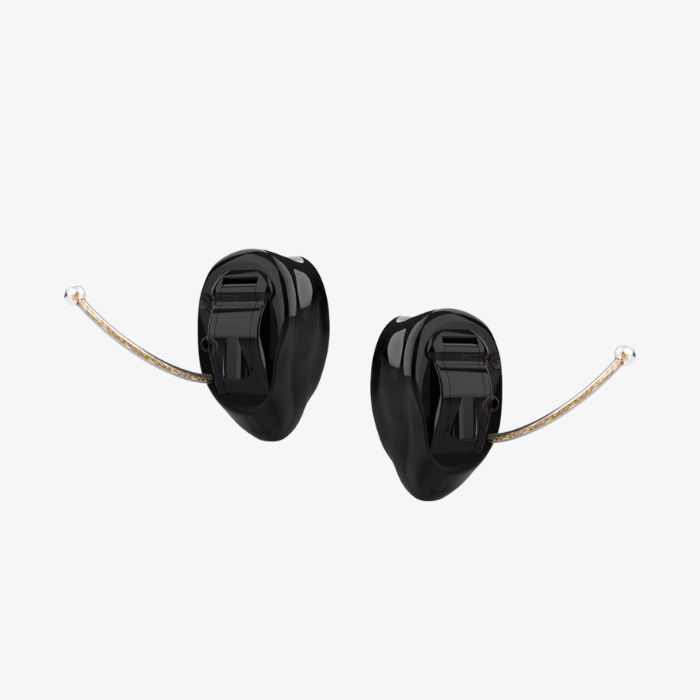
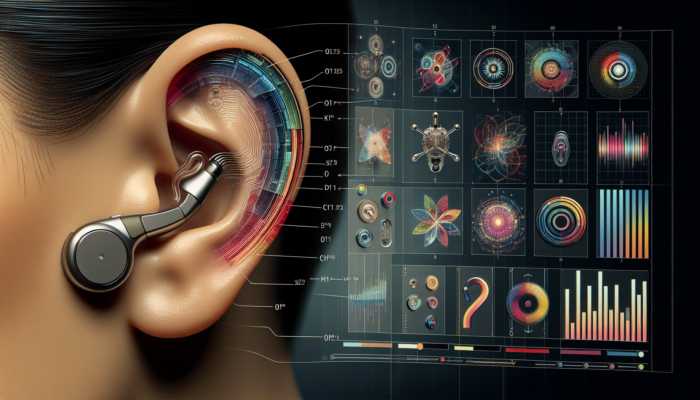
In the auditory health sphere, advancements in hearing aid technology are noteworthy. Modern hearing aids now come equipped with features that not only enhance sound quality but may also incorporate elements aimed at promoting improved circulation. This dual functionality could lead to better auditory outcomes while addressing underlying vascular concerns.

By staying informed about new treatment options and advancements in both circulation and hearing health, individuals can make empowered decisions regarding their care and explore innovative strategies that support their overall well-being.

The Future of Hearing Aids and Their Role in Enhancing Circulation

The future of hearing aids is filled with exciting potential for enhancing both auditory and circulatory health. Technological innovations may lead to the development of hearing aids that include features designed to promote better blood flow and vascular function. This dual-purpose approach could revolutionise the treatment of hearing loss, particularly for individuals facing underlying circulatory issues.

Emerging technologies such as smart hearing aids may monitor real-time physiological data, including indicators of vascular health. This capability could provide valuable insights into an individual’s circulatory status and help guide interventions aimed at preserving both hearing and vascular function.

Furthermore, advancements in artificial intelligence and machine learning may enable hearing aids to dynamically adapt to an individual’s environment, optimising sound quality while taking into account the user’s overall health needs. This integration of health monitoring with auditory assistance represents a significant leap towards a more holistic approach to hearing care.

By keeping abreast of these advancements, individuals can benefit from enhanced hearing aids that not only improve auditory experiences but also contribute to better overall health outcomes, fostering a more interconnected perspective on hearing and circulation.

Emerging Non-Invasive Technologies for Circulation Improvement

Innovative technologies are being developed to enhance blood flow non-invasively, presenting exciting prospects for individuals facing circulation-related hearing issues. Techniques such as transcutaneous electrical nerve stimulation (TENS) and low-level laser therapy (LLLT) are being explored for their potential to improve circulation without the need for invasive procedures.

TENS utilises electrical impulses to stimulate nerves, promoting vasodilation and enhancing blood flow to targeted areas. Similarly, LLLT employs specific wavelengths of light to stimulate cellular activities, which may improve circulation and promote healing in tissues affected by poor blood flow.

These non-invasive therapies can be particularly beneficial for individuals seeking alternatives to traditional treatments for circulatory issues, including those affecting hearing health. By prioritising safety and comfort, these technologies offer accessible options for those looking to enhance their vascular health.

As research continues to progress in this area, individuals can stay informed about new developments and consider incorporating these innovative practices into their health management strategies. Non-invasive options for improving circulation can complement existing approaches to preserving hearing health.

The Role of Wearable Technology in Monitoring Circulation and Hearing

Wearable technology is transforming the way individuals monitor their circulation and hearing health. Devices such as smartwatches and fitness trackers can provide real-time data on heart rate, activity levels, and even sleep patterns, empowering users to take a proactive approach to their health.

These wearables may also incorporate features that monitor vascular health, such as blood oxygen levels and blood pressure, offering valuable insights into overall circulatory function. By leveraging this data, individuals can identify patterns or changes that may indicate potential circulatory issues affecting their hearing.

The integration of hearing monitoring capabilities into wearable technology is also on the rise. Some devices can track sound exposure levels and alert users to potentially harmful environments, helping to protect against noise-induced hearing loss.

By utilising wearable technology, individuals can take charge of their health, making informed decisions to enhance both circulation and auditory function. The continuous feedback provided by these devices encourages a more engaged approach to managing overall health, ultimately leading to better outcomes for hearing and circulation-related concerns.

Frequently Asked Questions

What is the correlation between poor circulation and hearing loss?

Poor circulation can diminish blood flow to the ears, resulting in damage to the delicate structures essential for hearing. If left unaddressed, this can lead to gradual hearing loss over time.

How can I determine if I have circulation-related hearing problems?

Symptoms may include tinnitus, difficulties in understanding speech, dizziness, and sudden changes in hearing abilities. If you experience these symptoms, consult a healthcare professional.

What lifestyle changes can enhance circulation and hearing health?

Regular exercise, a nutrient-rich balanced diet, hydration, and effective stress management techniques can significantly improve circulation and support hearing health.

Can medications impact my hearing?

Yes, certain medications may have side effects that influence blood flow or hearing capabilities. It is essential to discuss any concerns with your healthcare provider to find suitable alternatives.

What diagnostic tests are used to identify circulation-related hearing loss?

Common tests include audiometry, tympanometry, and blood flow assessments. These evaluations help determine the extent of hearing loss and its correlation with circulatory issues.

How does aging affect circulation and hearing?

As individuals age, changes in blood vessel elasticity and function can reduce blood flow to the ears, increasing the risk of hearing loss and age-related auditory conditions.

What dietary choices promote circulation and hearing health?

A diet abundant in fruits, vegetables, whole grains, and healthy fats, especially omega-3 fatty acids, can enhance circulation and improve auditory function.

Are there non-invasive treatments for circulation-related hearing issues?

Emerging technologies such as transcutaneous electrical nerve stimulation (TENS) and low-level laser therapy (LLLT) are being explored as non-invasive methods to enhance circulation and support hearing health.

How can I monitor my circulation and hearing health?

Wearable technology, including smartwatches and fitness trackers, can provide real-time data on heart rate, activity levels, and even sound exposure, helping you stay informed about your health.

What role does stress play in circulation and hearing health?

Chronic stress can constrict blood vessels and impair blood flow, negatively affecting both circulation and hearing. Stress management techniques are essential for maintaining overall health.

Explore our world on X!

The post Poor Circulation and Its Impact on Hearing Health appeared first on The Microsuction Ear Wax Removal Network.

The post Poor Circulation and Its Impact on Hearing Health appeared first on Healthcare Marketing Service.
Categories
Health & Wellness Hearing Loss

Poor Circulation’s Effect on Hearing Health

Last Updated on 26/12/2025 by Admin

Understanding the Link Between Blood Circulation and Hearing Health

How Blood Flow Influences Ear Functionality and Hearing

The circulation of blood is essential for the vitality of the auditory system, as it delivers vital nutrients and oxygen to the ears. The inner ear, which comprises the cochlea and other critical structures necessary for sound perception, relies on a robust blood supply to function optimally. When circulation is compromised, the intricate components within the inner ear may fail to receive the necessary nourishment, potentially culminating in hearing loss.

The repercussions of inadequate circulation can present in various forms, often starting with subtle symptoms that can escalate into more severe complications. Initial indications may include a sensation of fullness in the ears or slight fluctuations in auditory capability. If these signs are disregarded, they could progress into more substantial auditory difficulties. The importance of sustaining adequate blood flow cannot be overstated, as it is intrinsically linked to auditory health and the preservation of hearing functions.

The relationship between blood flow and ear functionality represents a physiological reality that affects millions worldwide. By comprehending how lifestyle choices and underlying health conditions impact circulatory health, individuals can gain insight into how these factors influence their hearing. By prioritising vascular health, proactive steps can be taken to safeguard hearing and uphold overall auditory wellness.

The Critical Role of Vascular Health in Optimising Auditory Function

Maintaining optimal vascular health is crucial for the effective functioning of the auditory system. A comprehensive network of blood vessels must remain free from blockages and diseases to ensure the ears operate at their best. A deterioration in vascular health significantly heightens the risk of hearing impairment. Conditions such as atherosclerosis, characterised by the narrowing of arteries due to plaque deposits, can result in insufficient blood flow to the ears, thereby jeopardising the auditory structures.

The auditory system is intricately linked with the vascular system. For instance, the cochlea, which is responsible for converting sound vibrations into neural signals, requires a consistent blood supply for optimal performance. Diminished vascular health can jeopardise this supply, subsequently impairing hearing abilities. Furthermore, conditions like hypertension can induce alterations in blood vessels, further compromising auditory function.

To promote optimal auditory health, it is imperative to cultivate healthy vascular habits. Engaging in regular cardiovascular exercise, adhering to a balanced diet rich in antioxidants and healthy fats, and avoiding smoking are proactive strategies to protect vascular health. By understanding the correlation between vascular health and hearing capabilities, individuals can take concrete actions to enhance their auditory wellness.

What Are the Mechanisms of Hearing Loss Associated with Circulatory Issues?

When blood circulation becomes compromised, the mechanisms leading to hearing loss can be complex and gradual. The inner ear, which requires a steady influx of oxygen and nutrients, is particularly susceptible to fluctuations in blood flow. Insufficient blood supply can lead to the degeneration of hair cells within the cochlea, impairing their ability to transmit sound signals to the brain. This degeneration often occurs slowly, typically going unnoticed until significant hearing impairment has developed.

One pathway through which poor circulation can lead to hearing loss is through oxidative stress. Reduced blood flow can increase the risk of oxidative damage within auditory structures. Over time, this damage may manifest as progressive hearing loss, underscoring the necessity for early intervention to preserve auditory function. Additionally, compromised blood vessels can provoke inflammation, further damaging the sensitive tissues of the inner ear.

It is crucial for individuals to recognise the signs of potential hearing loss linked to circulatory problems. Regular hearing assessments and a heightened awareness of how circulatory health affects auditory function can encourage a proactive approach to managing hearing health. By understanding the underlying mechanisms, patients can collaborate with healthcare professionals to devise preventive strategies to protect their hearing as they age.

Proven Strategies for Enhancing Blood Circulation to Improve Hearing

Enhancing circulation stands as a proactive strategy for bolstering hearing health. Numerous lifestyle adjustments can lead to improved blood flow, ultimately benefiting auditory function. Regular physical activity emerges as one of the most effective means to promote circulation. Engaging in aerobic exercises such as brisk walking, cycling, or swimming can significantly strengthen the heart and enhance blood flow throughout the body, including the ears.

A well-balanced diet is equally vital for promoting healthy circulation. Incorporating foods abundant in omega-3 fatty acids, antioxidants, and essential vitamins can bolster vascular health and improve blood flow. By integrating leafy greens, berries, fish, and nuts into one’s diet, individuals can provide essential nutrients that facilitate healthy circulation.

Maintaining proper hydration is also critical for ensuring optimal circulation. Consuming adequate water keeps the blood fluid and capable of flowing freely through the vessels. Dehydration can lead to thicker blood, increasing the risk of circulatory problems.

Moreover, regular health check-ups are crucial for monitoring vascular health and addressing possible issues early. By adopting a holistic approach to improving circulation, individuals can nurture a healthier auditory system.

  • Engage in consistent aerobic exercises.
  • Consume a diet rich in omega-3 fatty acids.
  • Stay well-hydrated with ample water intake.
  • Limit the consumption of processed foods and sugars.
  • Practice stress-relief techniques like yoga or meditation.
  • Quit smoking and reduce alcohol intake.
  • Schedule regular health check-ups to monitor vascular health.
  • Consider supplements after consulting a healthcare professional.

What Diagnostic Tests Are Essential for Identifying Hearing Issues Related to Circulation?

Identifying circulation-related hearing issues requires a comprehensive approach that employs a variety of diagnostic tests. A primary method is audiometry, which measures an individual’s hearing sensitivity across multiple frequencies. This test can help ascertain the degree of hearing loss and determine whether it correlates with potential circulation issues.

Another valuable diagnostic tool is tympanometry. This test evaluates the movement of the eardrum in response to changes in air pressure. It can uncover problems within the middle ear, such as fluid accumulation, which may suggest underlying circulatory issues. If abnormalities are identified, further vascular imaging techniques such as Doppler ultrasound or angiography may be necessary to assess blood flow to the ears.

Timely diagnosis is vital for effective intervention. By promptly identifying circulation-related hearing issues, healthcare providers can formulate customised treatment plans that address both auditory and vascular health. It is essential for patients to advocate for their health by seeking timely evaluations when they notice changes in their hearing, as proactive measures can significantly improve outcomes.

Expert Perspectives on the Impact of Poor Circulation on Hearing Health

What Symptoms Indicate Poor Circulation in the Ears?

Recognising the symptoms of poor circulation in the ears is crucial for early intervention. Signs of compromised auditory circulation may include tinnitus—a persistent ringing or buzzing sound in the ears—hearing loss, and episodes of dizziness. These symptoms can serve as significant warnings that circulatory issues could be impacting auditory health.

Additional common symptoms may encompass:

  • Challenges in understanding speech in noisy surroundings.
  • A feeling of fullness or pressure in the ears.
  • Sudden shifts in hearing abilities.
  • Frequent ear infections or fluid accumulation.
  • Chronic headaches that may accompany auditory symptoms.
  • Heightened sensitivity to loud sounds.
  • Balance difficulties or unsteadiness.
  • Altered perceptions of sound quality.

Being able to recognise these symptoms early can lead to better management of circulatory health and potentially prevent further hearing loss. Awareness of these early warning signs empowers individuals to seek professional assistance and address underlying issues before they escalate.

How Do Specialists Diagnose Circulation-Related Hearing Loss Effectively?

Specialists employ a variety of diagnostic tools to accurately diagnose hearing loss linked to poor circulation. Audiograms are among the most prevalent tests, measuring an individual’s ability to hear across various frequencies and identifying patterns of hearing loss that may indicate underlying circulatory issues.

In addition to hearing assessments, healthcare professionals may conduct blood flow evaluations to assess vascular health. Tests such as Doppler ultrasound provide imaging of blood flow in arteries and veins, assisting in identifying any blockages or irregularities affecting hearing.

Early diagnosis is critical for effective treatment; thus, specialists are trained to identify specific patterns in hearing tests that may suggest poor circulation. By combining audiometric data with vascular assessments, healthcare providers can gain a comprehensive understanding of the patient’s condition, informing targeted treatment strategies.

It is imperative for individuals facing hearing difficulties to seek specialised care. Proactive engagement with healthcare providers facilitates the diagnosis of current issues and establishes a foundation for ongoing monitoring of auditory and vascular health.

What Recommendations Do Experts Offer for Improving Circulation?

Experts advocate for a range of interventions aimed at enhancing circulation and, consequently, preserving or restoring hearing. Lifestyle modifications often represent the first line of defence. Regular physical activity is universally recommended, as it strengthens the cardiovascular system and promotes improved blood flow to all organs, including the ears.

In addition to exercise, dietary changes can yield significant benefits. A diet abundant in fruits, vegetables, whole grains, lean proteins, and healthy fats can bolster vascular health and improve circulation. Omega-3 fatty acids, found in fish like salmon, have demonstrated benefits for blood flow and overall cardiovascular health.

For some individuals, medications may be necessary to manage underlying conditions affecting circulation. Antihypertensives, anticoagulants, and lipid-lowering agents may be prescribed to enhance blood flow and reduce the risk of hearing loss. In more severe cases, surgical interventions may be considered, particularly if significant blockages impact blood supply.

Incorporating stress management strategies, such as mindfulness practices and meditation, can also improve overall vascular health. These techniques help mitigate stress-induced hormonal effects that may constrict blood vessels, thus improving circulation. Overall, a comprehensive approach to enhancing circulation is essential for preserving hearing health.

Lifestyle Factors That Impact Circulation and Hearing Health

How Does Diet Play a Role in Enhancing Blood Flow and Hearing Function?

Diet plays a fundamental role in maintaining healthy circulation, which directly affects hearing health. Adopting a balanced diet rich in essential nutrients can enhance blood flow, thereby supporting better auditory function. Foods high in antioxidants, omega-3 fatty acids, and vitamins are known to promote vascular health and safeguard hearing abilities.

Avoiding diets high in saturated fats and sugars is essential to prevent circulatory problems. Diets rich in fats can lead to atherosclerosis, which narrows blood vessels and diminishes blood flow to the ears. Conversely, incorporating heart-healthy foods such as avocados, nuts, and leafy greens can enhance circulation and improve auditory function.

Certain nutrients, including magnesium and potassium, also contribute to maintaining healthy blood vessels. Foods such as bananas, spinach, and beans are excellent sources of these essential minerals, promoting better blood flow. Staying adequately hydrated is equally important, as sufficient fluid intake optimises blood viscosity, further encouraging circulation.

By recognising the connection between diet and circulation, individuals can make informed choices that bolster their hearing health. Prioritising a nutrient-dense diet not only enhances circulation but also improves overall well-being, creating a powerful synergy between dietary habits and auditory health.

What Impact Does Regular Exercise Have on Circulation and Hearing Health?

Regular physical activity is a cornerstone of maintaining healthy circulation, which directly influences hearing health. Engaging in exercise enhances cardiovascular fitness, ensuring efficient blood flow throughout the body, including the ears. Improved circulation facilitates the delivery of oxygen and nutrients to auditory structures, contributing to optimal hearing function.

Aerobic exercises such as running, cycling, and swimming are particularly effective for enhancing cardiovascular health. These activities elevate heart rate and stimulate blood flow, improving vascular efficiency. Additionally, strength training exercises can enhance metabolic health, further supporting circulation and overall bodily functions.

Incorporating specific exercises can yield additional benefits for hearing health. Activities that enhance balance and coordination, such as yoga or tai chi, can help counteract age-related auditory decline. These practices not only boost physical fitness but also foster a mind-body connection, enhancing overall well-being.

To remain active, individuals should aim for at least 150 minutes of moderate-intensity aerobic exercise weekly. By establishing a regular exercise routine and including activities that promote circulation, individuals can significantly benefit their auditory health and overall quality of life.

  • Brisk walking
  • Cycling
  • Swimming
  • Dancing
  • Yoga
  • Strength training
  • Tai chi
  • Jogging

What Are the Effects of Smoking and Alcohol on Circulation and Hearing?

Both smoking and excessive alcohol consumption can severely undermine circulation, leading to potential hearing issues. The harmful chemicals present in tobacco can damage blood vessels, resulting in diminished blood flow to various body parts, including the ears. This reduced circulation can contribute to hearing loss and other auditory complications.

Moreover, smoking is associated with increased inflammation throughout the body, which can exacerbate circulatory problems and lead to further auditory deterioration. Quitting smoking not only enhances overall health but also significantly improves circulation and auditory function.

Excessive alcohol consumption can also adversely affect blood flow. Chronic alcohol use may lead to hypertension and other cardiovascular issues, heightening the risk of hearing loss. Moderating alcohol intake is essential for maintaining healthy circulation and protecting hearing abilities.

Individuals aiming to enhance their hearing health should consider eliminating smoking and moderating alcohol consumption as part of a broader health strategy. By addressing these lifestyle factors, significant strides can be made toward improving circulation and safeguarding auditory health.

Medical Conditions Linked to Poor Circulation and Hearing Impairment

What Common Diseases Are Associated with Circulation and Hearing Problems?

Several medical conditions can adversely affect circulation, potentially leading to hearing loss. Common diseases linked to poor circulation include diabetes, hypertension, and cardiovascular diseases. Each of these conditions can compromise blood flow to the ears, resulting in auditory impairments.

For instance, diabetes can gradually damage blood vessels, resulting in circulatory issues that impact not only extremities but also the auditory system. Individuals with diabetes face a heightened risk of hearing loss due to the vascular complications that often accompany the disease.

Hypertension, or high blood pressure, can also be detrimental to circulation. Elevated blood pressure may lead to structural changes in blood vessels, hindering their ability to supply adequate blood flow to the ears. This impairment can contribute to progressive hearing loss if not effectively managed.

Cardiovascular diseases, such as atherosclerosis and heart disease, can further restrict blood flow due to blocked vessels. These conditions can significantly affect auditory function, emphasising the need for managing underlying health issues to preserve hearing.

By being aware of these common diseases and their impact on circulation, individuals can implement proactive measures to manage their health and mitigate the risk of hearing loss. Regular health screenings and lifestyle modifications can significantly enhance both vascular and auditory health.

How Do Medications Impact Circulation and Hearing Health?

Medications can significantly influence both circulation and hearing. Certain drugs may enhance blood flow, while others can lead to circulatory complications or even cause hearing loss. It is crucial for patients to understand the potential side effects of their medications and communicate any concerns with their healthcare providers.

For example, medications like blood thinners can improve circulation by preventing clot formation. However, these drugs may increase bleeding risks, necessitating careful monitoring. Conversely, some common medications, particularly certain antibiotics and diuretics, are associated with ototoxicity, which can lead to hearing loss.

Additionally, hypertension medications, while critical for controlling blood pressure, can sometimes induce circulatory changes that impact hearing. It is vital for individuals to collaborate closely with their healthcare providers to find the right medication balance that supports both circulatory health and auditory function.

Patients should never discontinue or alter their medications without consulting a healthcare professional. By maintaining open communication and undergoing regular check-ups, individuals can navigate potential medication-related risks and safeguard their hearing health.

Understanding the Connection Between Age-Related Changes and Circulation

As individuals age, various physiological changes occur in the body, including alterations in circulation that can affect hearing. Age-related modifications in blood vessel elasticity and functionality can result in decreased blood flow to the ears, contributing to hearing deterioration over time.

This reduction in circulation may exacerbate age-related auditory conditions, such as presbycusis, a common form of hearing loss associated with aging. Reduced blood flow can impair the functioning of the cochlea and other auditory structures, leading to a gradual decline in hearing capacity.

Furthermore, age-related diseases like hypertension and atherosclerosis can complicate circulatory issues. Understanding these age-related changes is vital for proactive management of hearing health. Regular health check-ups and monitoring can help identify circulatory problems early, allowing for timely interventions to preserve auditory function.

Embracing a healthy lifestyle that includes a proper diet, regular exercise, and stress management can mitigate some of the adverse effects of aging on circulation and hearing. By focusing on both vascular and auditory health, individuals can enjoy a better quality of life as they age.

Research Findings on the Relationship Between Circulation and Hearing

What Do Studies Indicate About Circulation and Hearing Health?

Research consistently highlights a strong correlation between circulation and hearing health, with numerous studies demonstrating how improvements in circulation can positively influence auditory function. For instance, findings indicate that individuals who engage in regular aerobic exercise tend to experience better hearing outcomes, as increased blood flow enhances nutrient delivery to the ears.

Clinical research has shown that patients with circulatory problems exhibit higher rates of hearing loss compared to those with healthy vascular function. This correlation underscores the importance of maintaining good circulation to preserve hearing abilities. Real-world initiatives, such as community-based exercise programmes, have yielded significant enhancements in both circulatory health and auditory function among participants.

Moreover, studies have investigated the effects of dietary interventions on circulation and hearing health. Research suggests that diets rich in omega-3 fatty acids can enhance blood flow and improve hearing capabilities. These findings reinforce the notion that lifestyle changes can serve as effective strategies for preserving auditory health.

By comprehending the research-backed advantages of circulation on hearing, individuals can be motivated to adopt lifestyle changes that support both their vascular and auditory well-being. Emphasising the importance of regular health check-ups and healthy habits can lead to improved overall health outcomes.

How Does Enhanced Circulation Improve Hearing Abilities?

Optimised circulation can facilitate better nutrient and oxygen delivery to the ears, potentially boosting hearing abilities. When blood flow is optimal, the delicate structures of the inner ear receive the essential nourishment necessary for effective functioning. This improved blood supply can be particularly advantageous for individuals experiencing early signs of hearing loss.

By promoting vascular health through exercise and diet, individuals can cultivate an environment conducive to maintaining auditory function. Improved circulation not only supports the structural integrity of the inner ear but also enhances the efficiency of auditory processing, leading to clearer sound perception and overall better hearing abilities.

Moreover, enhanced circulation can mitigate the risk of oxidative damage, which may contribute to hearing deterioration over time. Adequate blood flow helps alleviate inflammation and promotes repair processes within the auditory system, ultimately resulting in improved hearing outcomes.

Prioritising circulation is paramount for maintaining and enhancing hearing abilities. By adopting healthy lifestyle practices, individuals can significantly benefit their auditory health and overall quality of life.

What Role Do Clinical Trials Play in Understanding the Connection Between Circulation and Hearing?

Clinical trials are instrumental in deepening our understanding of how circulation affects hearing. These studies provide valuable insights into the relationship between vascular health and auditory function, guiding clinical practices and treatment strategies. By examining various interventions, researchers can assess the effectiveness of approaches aimed at improving circulation and, consequently, hearing health.

Clinical trials frequently evaluate the impact of lifestyle changes, medications, and surgical procedures on both circulatory and auditory health. For example, studies investigating the effects of exercise on hearing have demonstrated positive results, emphasising the benefits of enhanced circulation for auditory function. Such findings contribute to an expanding body of evidence supporting the significance of vascular health in hearing preservation.

Additionally, clinical trials can identify potential risks associated with various treatments, enabling healthcare providers to make informed recommendations for patients. By participating in these studies, individuals can access cutting-edge interventions that may enhance their auditory health and overall well-being.

In summary, clinical trials are invaluable for advancing our understanding of the intricate relationship between circulation and hearing. The data collected from these studies can lead to more effective treatment options, ultimately improving the quality of life for those affected by hearing loss.

What Are the Long-Term Effects of Poor Circulation on Hearing Loss?

Chronic poor circulation can result in progressive hearing loss, as sustained inadequate blood flow to the ears exacerbates auditory decline over time. Research indicates that individuals with prolonged circulatory issues face a greater risk of developing significant hearing impairments compared to those with healthy circulation.

The long-term ramifications of poor circulation on hearing loss often develop gradually, making early detection and intervention vital. As blood flow dwindles, the delicate structures within the inner ear may suffer from oxidative damage and inflammation, leading to irreversible hearing loss if not addressed.

Additionally, chronic circulatory issues can worsen age-related hearing decline, compounding the effects of natural aging processes. Individuals with poor vascular health may experience accelerated hearing loss, underscoring the importance of proactive measures to enhance circulation throughout life.

To mitigate the long-term effects of poor circulation on hearing, individuals should prioritise their vascular health through lifestyle changes, regular check-ups, and timely interventions. By understanding the potential consequences of chronic circulatory problems, individuals can take empowered steps to safeguard their hearing health.

Preventive Strategies for Maintaining Optimal Circulation and Hearing

What Daily Habits Can Boost Circulation and Hearing Health?

Integrating healthy daily habits can considerably enhance both circulation and hearing health. Regular physical activity, a balanced diet, and effective stress management techniques can create a positive impact on vascular and auditory function.

Engaging in aerobic exercises, even in brief intervals, promotes blood flow and strengthens the cardiovascular system. Simple activities like walking or cycling can easily fit into daily routines, making it more manageable to stay active.

A nutritious diet that prioritises whole foods, such as fruits, vegetables, lean proteins, and healthy fats, supports vascular health and enhances circulation. Foods rich in antioxidants can combat oxidative stress, further protecting hearing abilities.

Stress management is equally crucial, as chronic stress can negatively affect circulation. Techniques like deep breathing, meditation, and yoga can effectively lower stress levels.

Additional daily habits to consider include:

  • Staying hydrated with sufficient water intake.
  • Avoiding excessive caffeine and alcohol consumption.
  • Limiting salt intake to manage blood pressure.
  • Incorporating short breaks and stretching during prolonged periods of inactivity.
  • Practising good posture to support circulation.
  • Getting adequate sleep to promote overall health.
  • Using ear protection in loud environments.
  • Maintaining a healthy weight to reduce strain on the cardiovascular system.

By adopting these daily habits, individuals can establish a solid foundation for improved circulation and hearing health, leading to enhanced overall well-being.

Why Are Regular Health Check-Ups Important?

Routine health check-ups are essential for monitoring circulation and hearing health, facilitating early intervention when issues arise. Regular screenings can help identify risk factors related to circulatory diseases and hearing impairments, enabling individuals to take proactive measures to protect their overall well-being.

Healthcare providers can evaluate an individual’s vascular health through routine blood pressure checks, cholesterol screenings, and other pertinent tests. By tracking these metrics over time, patients and providers can collaborate to develop targeted strategies for improving circulatory health.

Moreover, regular audiometric evaluations can aid in detecting early signs of hearing loss. These assessments yield valuable data on an individual’s hearing abilities and can reveal patterns that might indicate circulation-related issues.

By prioritising regular health check-ups, individuals can stay informed about their health status and address potential problems before they escalate. This proactive approach fosters a greater understanding of the interconnectedness between circulation and hearing, ultimately leading to better health outcomes.

How Does Stress Management Impact Circulation and Hearing Health?

Stress can profoundly influence circulation, which in turn can affect hearing. Chronic stress often triggers the release of hormones like cortisol and adrenaline, which constrict blood vessels and inhibit blood flow. This reduction in circulation may hinder the supply of oxygen and nutrients to the ears, exacerbating auditory issues over time.

Implementing effective stress management techniques is crucial for maintaining healthy circulation and preserving hearing health. Incorporating practices such as mindfulness, meditation, and physical activity can help alleviate stress levels and support vascular function.

Engaging in regular exercise not only reduces stress but also enhances blood flow, creating a beneficial cycle for both circulation and auditory health. Establishing a strong support network and practising relaxation techniques can further improve an individual’s capacity to manage stress effectively.

By recognising the connection between stress and circulation, individuals can adopt stress-reducing strategies that foster overall health, including the preservation of hearing. Prioritising mental well-being is integral to maintaining both circulatory and auditory function.

Technological Innovations for Addressing Circulation-Related Hearing Issues

What New Technologies Assist in Diagnosing Circulation Problems?

Technological advancements have transformed the diagnosis of circulation issues related to hearing. Innovative imaging and diagnostic tools empower healthcare providers to accurately assess vascular health. For instance, Doppler ultrasound technology allows clinicians to visualise blood flow in real-time, identifying potential blockages or irregularities impacting circulation.

Furthermore, advanced audiometric testing equipment offers heightened sensitivity in detecting subtle changes in hearing abilities. These tools enable specialists to establish more precise correlations between circulatory health and auditory function, resulting in tailored treatment plans for patients.

The integration of telemedicine into audiology and vascular evaluations has expanded access to specialised care. Patients can receive consultations and follow-up assessments remotely, making it easier to monitor their health and address any emerging issues promptly.

These technological advancements are vital for the early detection and intervention of circulation-related hearing problems, ultimately enhancing patient outcomes and fostering a better understanding of the relationship between circulation and hearing health.

What Innovative Treatments Are Available for Enhancing Circulation and Hearing Health?

Recent innovations in treatment strategies for circulation and hearing health offer promising solutions for individuals facing these interconnected challenges. New medications designed to enhance vascular function and improve blood flow are emerging, providing hope for those with circulatory problems contributing to hearing loss.

Moreover, minimally invasive surgical techniques can restore proper blood flow in individuals with significant blockages affecting their auditory health. These procedures generally entail less risk and quicker recovery times compared to traditional surgeries, making them a viable option for many patients.

In the realm of auditory health, advancements in hearing aid technology are noteworthy. Modern hearing aids now come equipped with features that not only enhance sound quality but may also incorporate elements aimed at promoting better circulation. This dual functionality could lead to improved auditory outcomes while addressing underlying vascular concerns.

By staying informed about new treatment options and advancements in both circulation and hearing health, individuals can make empowered decisions regarding their care and explore innovative strategies that support their overall well-being.

What Does the Future Hold for Hearing Aids and Their Impact on Circulation?

The future of hearing aids is filled with exciting possibilities for enhancing both auditory and circulatory health. Technological innovations may lead to the creation of hearing aids that incorporate features designed to promote better blood flow and vascular function. This dual-purpose approach could revolutionise the treatment of hearing loss, particularly for individuals with underlying circulatory issues.

Emerging technologies such as smart hearing aids may monitor real-time physiological data, including indicators of vascular health. This capability could provide valuable insights into an individual’s circulatory status and help guide interventions aimed at preserving both hearing and vascular function.

Furthermore, advancements in artificial intelligence and machine learning may enable hearing aids to dynamically adapt to an individual’s environment, optimising sound quality while considering the user’s overall health needs. This integration of health monitoring with auditory assistance represents a significant leap toward a more holistic approach to hearing care.

By keeping abreast of these advancements, individuals can benefit from enhanced hearing aids that not only improve auditory experiences but also contribute to better overall health outcomes, fostering a more interconnected perspective on hearing and circulation.

What Are the Emerging Technologies for Non-Invasive Circulation Improvement?

Innovative technologies are being developed to enhance blood flow non-invasively, presenting exciting prospects for individuals with circulation-related hearing issues. Techniques such as transcutaneous electrical nerve stimulation (TENS) and low-level laser therapy (LLLT) are being explored for their potential to improve circulation without the need for invasive procedures.

TENS employs electrical impulses to stimulate nerves, promoting vasodilation and enhancing blood flow to targeted areas. Similarly, LLLT utilises specific wavelengths of light to stimulate cellular activities, which may improve circulation and promote healing in tissues affected by poor blood flow.

These non-invasive therapies can be particularly beneficial for individuals seeking alternatives to traditional treatments for circulatory issues, including those impacting hearing health. By prioritising safety and comfort, these technologies offer accessible options for those looking to enhance their vascular health.

As research continues to progress in this area, individuals can stay informed about new developments and consider incorporating these innovative practices into their health management strategies. Non-invasive options for improving circulation can complement existing approaches to preserving hearing health.

How Is Wearable Technology Transforming the Monitoring of Circulation and Hearing?

Wearable technology is revolutionising the way individuals monitor their circulation and hearing health. Devices such as smartwatches and fitness trackers can provide real-time data on heart rate, activity levels, and even sleep patterns, empowering users to take a proactive stance in their health.

These wearables can also incorporate features that monitor vascular health, such as blood oxygen levels and blood pressure, providing valuable insights into overall circulatory function. By leveraging this data, individuals can identify patterns or changes that may indicate potential circulatory issues affecting their hearing.

The integration of hearing monitoring features into wearable technology is also on the rise. Some devices can track sound exposure levels and alert users to potentially harmful environments, helping to protect against noise-induced hearing loss.

By utilising wearable technology, individuals can take charge of their health, making informed decisions to enhance both circulation and auditory function. The continuous feedback provided by these devices encourages a more engaged approach to managing overall health, ultimately leading to better outcomes for hearing and circulation-related issues.

Frequently Asked Questions About Circulation and Hearing Health

What Is the Connection Between Poor Circulation and Hearing Loss?

Poor circulation can reduce blood flow to the ears, causing damage to the delicate structures essential for hearing. If not addressed, this can result in gradual hearing loss over time.

How Can I Tell If I Have Circulation-Related Hearing Issues?

Symptoms may include tinnitus, challenges in understanding speech, dizziness, and sudden changes in hearing abilities. If you experience these symptoms, consult a healthcare professional.

What Lifestyle Changes Can Improve Circulation and Hearing Health?

Regular exercise, a nutrient-rich balanced diet, hydration, and effective stress management techniques can significantly enhance circulation and support hearing health.

Can Medications Affect My Hearing?

Yes, certain medications may have side effects that influence blood flow or hearing capabilities. It is essential to discuss any concerns with your healthcare provider to find suitable alternatives.

What Tests Are Used to Diagnose Circulation-Related Hearing Loss?

Common tests include audiometry, tympanometry, and blood flow assessments. These evaluations help determine the extent of hearing loss and its correlation with circulatory issues.

How Does Aging Affect Circulation and Hearing?

As individuals age, changes in blood vessel elasticity and function can lead to decreased blood flow to the ears, increasing the risk of hearing loss and age-related auditory conditions.

What Dietary Choices Support Circulation and Hearing Health?

A diet rich in fruits, vegetables, whole grains, and healthy fats, particularly omega-3 fatty acids, can promote good circulation and enhance auditory function.

Are There Non-Invasive Treatments for Circulation Issues Affecting Hearing?

Emerging technologies like transcutaneous electrical nerve stimulation (TENS) and low-level laser therapy (LLLT) are being explored as non-invasive methods to enhance circulation and support hearing health.

How Can I Monitor My Circulation and Hearing Health?

Wearable technology, such as smartwatches and fitness trackers, can provide real-time data on heart rate, activity levels, and even sound exposure, helping you stay informed about your health.

What Role Does Stress Play in Circulation and Hearing Health?

Chronic stress can constrict blood vessels and impair blood flow, negatively impacting both circulation and hearing. Stress management techniques are essential for maintaining overall health.

Explore our world on X!

The post Poor Circulation and Its Impact on Hearing Health appeared first on The Microsuction Ear Wax Removal Network.

Categories
Health & Wellness Hearing Health

Ear Infections and Their Link to Hearing Loss Explained

Last Updated on 25/12/2025 by Admin

Delving into the Intricate Anatomy of the Ear and Its Susceptibility to Infections

Unpacking the Essential Functions of the Ear

The ear is an extraordinarily complex organ, systematically divided into three main sections: the outer ear, middle ear, and inner ear. Each segment plays an indispensable role in the auditory process, contributing to our ability to hear and interpret sounds. The outer ear, which includes the pinna and ear canal, is responsible for capturing sound waves and directing them towards the eardrum. Upon contact with the eardrum, these sound waves induce vibrations that travel to the middle ear. This area houses three tiny bones known as the ossicles: the malleus, incus, and stapes, which amplify the vibrations before they reach the inner ear, allowing us to perceive a broad spectrum of sounds.

Infections have the potential to disrupt this delicate auditory process at any point. For instance, otitis media, a prevalent infection affecting the middle ear, can cause fluid accumulation that hinders the ossicles from effectively transmitting sound. As a result, this blockage can lead to temporary or, in some cases, permanent hearing loss. Therefore, comprehending the ear’s anatomy and functionality is vital for recognising how infections can adversely affect hearing.

Classifying the Various Types of Ear Infections

Ear infections can be classified into three primary categories: otitis externa, otitis media, and otitis interna. Otitis externa, commonly known as swimmer’s ear, targets the outer ear canal and is typically triggered by prolonged exposure to water, resulting in inflammation and discomfort. While this type of infection may not directly cause hearing loss, it can lead to temporary auditory issues that disrupt daily activities and overall quality of life.

On the other hand, otitis media is more frequently encountered and occurs in the middle ear, often following upper respiratory infections. This condition can result in fluid build-up, causing significant hearing impairment. Symptoms frequently manifest as ear pain, fever, and irritability, particularly in children. If left untreated, otitis media can pave the way for chronic inflammation, leading to long-term hearing difficulties. Otitis interna, also referred to as labyrinthitis, affects the inner ear and is less common. It can lead to sensorineural hearing loss by damaging the cochlea. Such infections may stem from either viral or bacterial sources, underscoring the importance of prevention and early detection in maintaining both auditory health and overall wellness.

Mapping the Sound Pathway in the Ear

Sound waves traverse through a specific pathway within the ear. They first penetrate the ear canal and make contact with the eardrum, setting off vibrations. These vibrations are subsequently conveyed to the ossicles in the middle ear, where they are amplified before heading to the inner ear. The cochlea, a coiled structure found in the inner ear, transforms these vibrations into electrical signals that travel to the brain, enabling us to perceive sound and appreciate the nuances of auditory experiences.

However, infections can disrupt this pathway by causing fluid accumulation or inflammation. For example, an otitis media infection may obstruct the eustachian tube, inhibiting pressure equalisation in the middle ear. This blockage can distort sound transmission, resulting in muffled hearing or discomfort during pressure changes, such as when flying. Grasping the sound pathway is essential to understanding how infections can lead to hearing loss, highlighting the need for timely intervention to preserve auditory function and enhance quality of life.

Investigating the Mechanisms through Which Infections Cause Hearing Loss

How Do Infections Affect the Eardrum and Hearing Capability?

Infections can profoundly affect the eardrum, leading to a range of complications that may compromise hearing. When an infection arises, the eardrum may become inflamed or, in severe circumstances, perforated. A perforated eardrum can lead to a direct decline in sound transmission efficiency, resulting in temporary or permanent hearing loss. Common symptoms associated with eardrum damage encompass pain and discomfort in the ear, fluid drainage from the ear canal, hearing loss or muffled sounds, and the presence of tinnitus, which manifests as ringing in the ear.

Furthermore, inflammation can cause the eardrum to thicken and lose its flexibility, negatively impacting its ability to vibrate. An inflamed eardrum is less responsive to sound waves, resulting in reduced auditory perception. The severity of these symptoms can differ; for some individuals, the effects may be temporary, while others may suffer from lasting hearing difficulties if the infection is not addressed promptly. Acknowledging these implications underscores the importance of swiftly managing ear infections to safeguard hearing health.

What Changes Occur in the Middle Ear During an Infection?

During an ear infection, particularly otitis media, the middle ear can become engorged with fluid. This fluid accumulation generates pressure and prevents the ossicles from vibrating properly, which is crucial for effective sound transmission. The presence of this fluid alters the natural motion of these tiny bones, leading to a significant decline in hearing ability and overall auditory function.

Moreover, the build-up of fluid can foster an environment conducive to further infections and inflammation. As the infection advances, the risk of chronic otitis media escalates, potentially resulting in long-term complications and ongoing auditory challenges. If left untreated, the pressure from the fluid may also lead to the rupture of the eardrum. Therefore, preventing fluid accumulation and treating middle ear infections are vital for protecting hearing health and ensuring an unobstructed auditory pathway.

Understanding the Inner Ear’s Contribution to Hearing Loss

The inner ear is instrumental in converting sound vibrations into electrical signals that the brain interprets. The cochlea, a crucial component of the inner ear, is particularly vulnerable to damage from infections, especially in severe or chronic cases. Damage to the cochlea can lead to sensorineural hearing loss, which is often characterised by a permanent reduction in hearing ability that can greatly hinder an individual’s quality of life.

Infections can incite inflammation and other structural alterations within the cochlea, impairing sound processing. If the hair cells located within the cochlea sustain damage, they may not regenerate, resulting in lasting hearing loss. This situation highlights the necessity of addressing infections promptly and effectively before they jeopardise the delicate structures of the inner ear, ultimately preserving auditory health.

Insights on the Relationship Between Ear Infections and Hearing Loss

How Can Early Detection Mitigate Hearing Loss Risks?

Early detection of ear infections is indispensable in minimising the risk of hearing loss. Swift medical intervention can facilitate effective treatment, thereby reducing the likelihood of complications associated with untreated infections. For instance, children are particularly vulnerable to ear infections, and parents who identify symptoms early can seek medical guidance before the infection deteriorates and leads to more serious issues.

Real-world examples provide compelling evidence for the benefits of early intervention. A paediatric study revealed that children diagnosed with otitis media and treated promptly exhibited significantly lower rates of subsequent hearing loss compared to those whose infections remained untreated. This underscores the necessity of vigilance in monitoring for signs of ear infections. Early detection can encompass regular check-ups, especially for children with recurrent issues, ensuring that problems are addressed before they escalate into more significant health concerns.

What Are the Potential Long-Term Consequences of Untreated Infections?

Neglected ear infections can culminate in chronic conditions that result in long-term hearing loss and other complications. Over time, recurrent infections can inflict damage on the structures of the ear, particularly the eardrum and ossicles, triggering a cascade of problems that may be irreversible and significantly impair auditory perception.

Understanding the potential long-term effects is crucial for prevention. Chronic otitis media can lead to persistent fluid in the middle ear, which may not only affect hearing but also contribute to speech delays in children. Furthermore, untreated infections can substantially heighten the risk of developing conditions such as cholesteatoma, a destructive skin growth in the middle ear that can erode bones and further impair hearing. Awareness of these risks can inspire proactive measures for treatment and management, alleviating the burden of hearing loss and its associated challenges.

Can Antibiotics Be Effective in Preventing Hearing Loss?

Antibiotics can be beneficial in treating bacterial ear infections, potentially preventing subsequent hearing loss. When appropriately utilised, antibiotics can eliminate the infection, diminish inflammation, and facilitate recovery. However, the misuse of antibiotics carries significant risks, including antibiotic resistance, which can render treatments ineffective and complicate future care.

To ensure the responsible use of antibiotics, several actionable steps should be followed. First, always consult a healthcare professional before commencing antibiotic treatment. Second, complete the prescribed course, even if symptoms improve. Third, avoid employing antibiotics for viral infections, as they are ineffective against such pathogens. By adhering to these guidelines, patients can help maintain the efficacy of antibiotics and mitigate the risk of complications associated with ear infections.

How Does Inflammation Contribute to Hearing Loss?

Inflammation plays a crucial role in the damage inflicted by ear infections. When the body reacts to an infection, it elicits an inflammatory response that can lead to swelling and irritation within the ear. This inflammation can harm delicate structures within the ear, including the eardrum, ossicles, and cochlea, resulting in various auditory complications.

Understanding this process is vital for managing ear infections and preventing hearing loss. For example, chronic inflammation may lead to scarring of the eardrum, which can hinder its ability to vibrate effectively. Additionally, the inflammatory response can compromise blood flow to the inner ear, exacerbating the risk of irreversible damage. Effectively managing inflammation, through both medical intervention and lifestyle adjustments, can significantly improve outcomes for individuals at risk of hearing loss and enhance overall ear health.

Recognising Symptoms and Diagnosing Ear Infections

How to Identify the Common Symptoms of an Ear Infection

Recognising the signs of an ear infection is critical for timely treatment. Common symptoms typically include ear pain, fever, and difficulty hearing. In children, irritability can also serve as an important indicator, as they may struggle to articulate their discomfort and feelings effectively.

Additional symptoms may include a sensation of fullness in the ear, fluid drainage, and occasional balance issues. Given that ear infections can manifest differently among individuals, understanding these signs can aid in securing prompt medical attention. For instance, parents who observe their child frequently tugging at their ear may be witnessing a distress signal that necessitates a visit to a healthcare provider. Early recognition of these symptoms can lead to quicker interventions, significantly reducing the risk of long-term hearing issues and promoting healthier outcomes.

What Is the Process Healthcare Providers Use to Diagnose Ear Infections?

Diagnosing ear infections typically involves a comprehensive physical examination by a healthcare provider. Otoscopy is a widely used method for inspecting the ear canal and eardrum for signs of inflammation or fluid accumulation. This examination enables the doctor to ascertain the presence of an infection based on visual indicators, ensuring a precise diagnosis.

Additional diagnostic tools may encompass <a href="https://www.earwaxremoval.net/ear-adaptation-in-loud-environments-a-comprehensive-guide/">tympanometry</a>, which evaluates the movement of the eardrum and the function of the middle ear. This test aids in quantifying the extent of fluid accumulation or pressure changes within the ear. Accurate diagnosis is crucial for effective treatment, as it steers the choice of interventions, whether they involve antibiotics, pain management, or further assessment. Proper diagnosis is a pivotal step in ensuring that patients receive the most effective and appropriate care for their ear health.

What Risks Are Associated with Misdiagnosis of Ear Infections?

Misdiagnosis of ear infections poses considerable risks, potentially resulting in inappropriate treatment and exacerbation of the condition. For example, a healthcare provider may misinterpret the symptoms of an ear infection as allergies or another unrelated issue, leading to a lack of necessary treatment and a deterioration of the patient’s condition.

Potential scenarios of misdiagnosis include:

  • Confusing symptoms of ear infections with sinusitis
  • Attributing pain to dental issues rather than an ear infection
  • Overlooking associated symptoms, resulting in an incorrect diagnosis
  • Failing to recognise complications, such as mastoiditis, linked to untreated infections

These scenarios emphasise the necessity of thorough evaluations and follow-ups. Ensuring that patients receive accurate diagnoses can prevent the worsening of infections and safeguard hearing health, ultimately leading to better outcomes for individuals experiencing ear problems.

Examining Treatment Options and Their Effects on Hearing

How Do Medications Effectively Address Ear Infections?

Medications play a central role in the treatment of ear infections. Antibiotics are the conventional treatment for bacterial infections, assisting in the elimination of pathogens and the reduction of inflammation. In addition to antibiotics, pain relievers can help alleviate the discomfort associated with ear infections, contributing to overall well-being during recovery and enhancing the quality of life for those impacted.

The timely administration of these medications can significantly preserve hearing. For instance, promptly treating an ear infection can prevent fluid accumulation in the middle ear, thereby maintaining the functionality of the ossicles and eardrum. Consequently, effective medication management can not only address current infections but also positively influence long-term auditory health, reducing the risk of complications and preserving hearing abilities.

What Role Do Ear Tubes Play in the Management of Recurring Infections?

Ear tubes represent a viable treatment strategy for children experiencing recurrent ear infections. These small tubes are inserted into the eardrum to facilitate the drainage of fluid from the middle ear, alleviating pressure and promoting healing. The presence of ear tubes can markedly enhance hearing in children with chronic infections, supporting better auditory development and overall quality of life.

By creating an outlet for fluid to escape, ear tubes help prevent complications that can lead to hearing loss. They also reduce the frequency of infections by providing ongoing ventilation to the middle ear. Parents contemplating this option often find it beneficial in managing their child’s ear health, especially if traditional treatments have proven inadequate for addressing recurring ear issues.

Can Surgical Intervention Be Necessary for Severe Ear Infections?

In severe instances of ear infections, surgical intervention may become essential. Procedures like tympanostomy, which involves the placement of ear tubes, or even tympanoplasty, aimed at repairing the eardrum, may be crucial when standard treatments fail. These surgical options can be imperative for restoring hearing functionality and preventing further complications, particularly in cases where chronic infections have caused significant damage.

Surgical interventions can provide immediate relief from persistent fluid accumulation and infection. In many situations, these procedures lead to improved hearing outcomes, especially in children who are particularly susceptible to the ramifications of ear infections. The decision to pursue surgery is generally made after careful evaluation of the patient’s history, frequency of infections, and current level of hearing impairment, ensuring the best possible outcome.

How Does Hearing Aid Technology Assist Individuals with Hearing Loss?

Hearing aids can serve as a valuable resource for individuals experiencing hearing loss due to untreated ear infections or other causes. These devices amplify sound, facilitating easier communication and engagement in daily activities. For those who have encountered significant hearing degradation, hearing aids can markedly enhance quality of life by enabling improved communication and social interactions.

The technology behind modern hearing aids has advanced considerably, offering features like noise cancellation, Bluetooth connectivity, and customisable settings tailored to individual hearing profiles. This adaptability empowers users to discover solutions that cater to their specific needs, enabling them to navigate social and professional environments with greater confidence and ease.

What Are the Advantages of Speech Therapy in Recovery from Hearing Loss?

Speech therapy can play an integral role in the recovery journey for individuals dealing with hearing loss. For those who have experienced prolonged issues stemming from ear infections, speech therapy can enhance communication skills, fostering better expression and comprehension. This therapy typically focuses on articulation, language development, and auditory training, which are essential for individuals who may struggle due to hearing impairments.

Moreover, speech therapy can help bridge gaps in social interactions and educational opportunities for children with hearing loss. By providing strategies to support communication, speech therapy contributes to the overall development and confidence of individuals facing auditory challenges, ensuring they can fully participate in their environments.

Research-Driven Strategies for Understanding Ear Infections and Hearing Loss

What Insights Does Current Research Provide on Prevention Strategies?

Research indicates that implementing preventive measures can substantially reduce the incidence of ear infections, thereby decreasing the risk of hearing loss. For example, vaccinations against pathogens such as influenza and pneumococcus have proven effective in lowering ear infection rates, particularly in children who are at increased risk.

Additionally, promoting good hygiene practices can help curtail the spread of illnesses that lead to ear infections. Community awareness campaigns centred on these preventive strategies are vital for alleviating the global burden of ear infections. Education about the significance of handwashing, avoiding exposure to smoke, and encouraging breastfeeding can also bolster overall ear health and prevent infections, contributing to healthier communities.

How Effective Are Current Treatments for Ear Infections?

While treatments for ear infections are generally effective, outcomes can vary based on various factors, including the type of infection and the promptness of intervention. Studies indicate that early and appropriate treatment can lead to successful resolution of infections and the preservation of hearing abilities.

However, treatment efficacy can be undermined by issues such as antibiotic resistance and misdiagnosis. Ongoing research continues to explore optimal practices for managing ear infections, underscoring the necessity for personalised care plans that take into account patient history and specific infection types. Effective management strategies are essential for ensuring long-term auditory health and enhancing patient outcomes.

The Crucial Importance of Follow-Up Care in Ear Health

Follow-up care is vital for monitoring recovery from ear infections. Regular check-ups enable healthcare providers to evaluate the effectiveness of treatment and identify any ongoing issues that may arise. For individuals, particularly children who are more prone to recurrent infections, follow-up care can prevent further complications and protect hearing health.

Timely follow-ups help ensure that any persistent concerns are addressed before they lead to lasting damage. This proactive approach fosters better outcomes and maintains the integrity of auditory functions. Parents and caregivers are encouraged to remain vigilant about scheduling these important appointments, as they are critical to preserving hearing health over time.

How Do Chronic Ear Infections Contribute to Hearing Loss Over Time?

Chronic ear infections can significantly contribute to hearing loss through mechanisms such as prolonged fluid accumulation and damage to the eardrum or ossicles. Recurrent infections can create a cycle of inflammation and damage, ultimately impairing sound transmission and auditory processing.

When fluid builds up in the middle ear, it can hinder the movement of the ossicles, resulting in diminished hearing. Over time, these infections can induce structural changes that bring about both temporary and permanent hearing loss. Understanding this progression underscores the importance of effective treatment and management strategies to prevent further damage and protect hearing abilities.

Assessing the Long-Term Impact on Hearing Health

The long-term consequences of repeated ear infections on hearing health can be profound. Children who undergo multiple infections may experience developmental delays in speech and language, while adults may face significant auditory challenges as a result of untreated infections. This situation can adversely affect communication, academic performance, and social interactions.

Continual monitoring and management are crucial for individuals with a history of ear infections. Regular hearing assessments and proactive care strategies can help mitigate long-term effects, ensuring that auditory function is preserved. Promoting awareness of the potential impacts of ear infections is essential for fostering better ear health across all age groups, paving the way for a healthier future for everyone.

Implementing Effective Prevention Strategies to Avert Hearing Loss

How Can Hygiene Practices Significantly Reduce the Risk of Ear Infections?

Maintaining good hygiene practices is fundamental in lowering the risk of ear infections. Simple actions such as regular handwashing can dramatically decrease the transmission of pathogens responsible for these infections. It is crucial for both children and adults to adopt effective hygiene habits to protect their ear health and overall well-being.

Some practical hygiene tips include:

  • Washing hands frequently with soap and water
  • Avoiding close contact with individuals who are unwell
  • Keeping the ear canal dry and clean
  • Minimising exposure to secondhand smoke

By implementing these practices, individuals can significantly diminish the likelihood of infections that lead to hearing loss. Public health initiatives promoting hygiene awareness can play a pivotal role in enhancing overall ear health and reducing the incidence of ear infections, fostering healthier environments for all.

The Role of Vaccinations in Preventing Ear Infections

Vaccinations are a crucial preventive tool against pathogens that cause ear infections. Vaccines for influenza, pneumococcal disease, and Haemophilus influenzae type b (Hib) have proven effective in reducing the incidence of ear infections, especially among children who are at increased risk.

By decreasing the likelihood of respiratory infections that can lead to otitis media, vaccinations play a crucial role in preserving hearing health. Public health campaigns that advocate for vaccination can significantly impact ear infection rates on a global scale. Parents are encouraged to stay informed about vaccination schedules to ensure their children receive the necessary immunisations for optimal health and protection against infections.

Lifestyle Factors That Impact Hearing Health

Lifestyle choices significantly influence ear health and the risk of developing infections. Avoiding exposure to tobacco smoke—whether through direct smoking or secondhand exposure—can lower the likelihood of ear infections. Maintaining a balanced diet rich in vitamins and minerals supports overall health, including the immune system, which is essential for preventing infections and promoting recovery.

Additionally, staying hydrated and managing allergies can further help reduce the risk of infections that may lead to hearing loss. Encouraging individuals to adopt healthier lifestyles can foster better ear health and diminish the prevalence of infections, ultimately supporting overall health and well-being.

The Significance of Ear Protection in Noisy Environments

In environments with high noise levels, ear protection is vital for preventing noise-induced hearing loss, a prevalent cause of auditory impairment. Individuals exposed to loud sounds—whether in occupational settings, concerts, or recreational activities—should utilise appropriate ear protection, such as earplugs or noise-canceling headphones, to safeguard their hearing.

By taking measures to protect against excessive noise exposure, individuals can greatly reduce their risk of hearing loss. Awareness campaigns that emphasise the importance of ear protection in loud environments can promote better auditory health and prevent cumulative noise damage over time, ensuring healthier hearing for future generations.

Regular Hearing Check-Ups for Timely Detection of Issues

Scheduling regular hearing check-ups is vital for the early detection of potential issues. These assessments enable healthcare providers to monitor auditory function and identify any changes that may indicate an underlying problem, such as an ear infection or hearing loss requiring intervention.

For children, consistent hearing evaluations are particularly crucial as they undergo significant auditory development. The early identification of hearing problems can facilitate timely interventions, ensuring individuals receive the necessary care to preserve their hearing health. Encouraging routine check-ups fosters a proactive approach to ear health, benefiting individuals of all ages and promoting long-term auditory wellness.

Frequently Asked Questions Regarding Ear Infections

What Are the Common Causes of Ear Infections?

Ear infections are frequently instigated by bacteria or viruses, often following upper respiratory infections. Allergies, sinus infections, and even anatomical factors can also contribute to the onset of ear infections, underscoring the importance of recognising potential triggers.

How Can I Determine If I Have an Ear Infection?

Common indicators of an ear infection encompass ear pain, fever, fluid drainage, and difficulty hearing. If you experience these symptoms, it is vital to consult a healthcare provider for diagnosis and treatment, ensuring timely care to avoid complications.

Are Ear Infections Common in Children?

Yes, ear infections are especially prevalent in children due to their developing immune systems and the anatomical structure of their eustachian tubes, which makes them more susceptible to blockages and infections that can impact their hearing.

Can Ear Infections Result in Permanent Hearing Loss?

Indeed, if left untreated or if recurrent, ear infections can lead to permanent hearing loss due to damage inflicted on the eardrum or the bones within the middle ear. Early intervention is crucial to preventing long-term complications and preserving auditory function.

What Is the Most Effective Treatment for Ear Infections?

The optimal treatment often depends on the type and severity of the infection. Antibiotics may be prescribed for bacterial infections, while pain relievers can alleviate associated symptoms. In chronic cases, surgical intervention may be necessary to restore normal ear function and hearing.

How Can I Prevent Ear Infections?

Preventive strategies encompass practising good hygiene, keeping vaccinations up to date, and avoiding exposure to smoke and allergens. Regular hearing check-ups can also help monitor risk factors, ensuring timely intervention when required.

When Should I Consult a Doctor Regarding an Ear Infection?

You should seek medical attention if you experience persistent ear pain, fever, drainage from the ear, or if symptoms do not improve within a few days. Prompt medical intervention can prevent complications and safeguard hearing health.

Can Adults Experience Ear Infections?

Yes, while ear infections are more commonly associated with children, adults can also develop them, particularly following upper respiratory infections or sinusitis that can lead to inflammation and blockage in the ear.

What Is the Role of Antibiotics in Treating Ear Infections?

Antibiotics are effective in managing bacterial ear infections, helping to eradicate the infection and reduce inflammation. However, they are ineffective against viral infections, which necessitate alternative management strategies.

How Frequently Should Children Undergo Hearing Tests?

Children should have hearing tests regularly, particularly if they are at risk for ear infections. Pediatricians typically recommend screenings at key developmental stages or if concerns about hearing arise, ensuring timely intervention.

Explore our world on X!

The post Ear Infections and Hearing Loss: Exploring the Connection appeared first on The Microsuction Ear Wax Removal Network.

Categories
Ear Health Health & Wellness

Ear Infections and Their Link to Hearing Loss Explained

Last Updated on 25/12/2025 by Admin

Explore the Intricate Anatomy of the Ear and Its Susceptibility to Infections

Unveiling the Functional Mechanisms of the Ear for Enhanced Understanding

The ear is an extraordinarily complex organ, intricately divided into three main sections: the outer, middle, and inner ear. Each part plays a critical role in the process of hearing. The outer ear, which consists of the pinna and the ear canal, is responsible for capturing sound waves and directing them towards the eardrum. When sound waves strike the eardrum, they induce vibrations. These vibrations are then transmitted to the middle ear, which houses three tiny bones referred to as the ossicles: the malleus, incus, and stapes. These bones act to amplify the sound vibrations before they progress into the inner ear, enabling us to perceive a diverse array of sounds.

Infections can interfere with this delicate mechanism at any point in the process. For instance, otitis media, a prevalent infection of the middle ear, can cause fluid accumulation that obstructs the ossicles’ capacity to effectively convey sound. This disruption may lead to temporary or, in some instances, permanent hearing loss. Gaining a comprehensive understanding of the ear’s anatomy and its functional dynamics is essential for realising the significant impact that infections can have on auditory capabilities.

Recognising the Various Types of Ear Infections

Ear infections can be classified into three primary categories: otitis externa, otitis media, and otitis interna. Otitis externa, commonly known as swimmer’s ear, affects the outer ear canal. It is frequently caused by exposure to water and results in inflammation and discomfort. While this type of infection may not directly result in hearing loss, it can induce discomfort and temporary auditory issues that disrupt daily activities.

On the other hand, otitis media is much more common and occurs within the middle ear, often following respiratory tract infections. This condition can lead to fluid build-up, which significantly impairs hearing abilities. Symptoms typically include ear pain, fever, and irritability in young children. If left untreated, otitis media can lead to chronic inflammation, which may affect hearing in the long term. Otitis interna, also known as labyrinthitis, affects the inner ear and is less frequently encountered. It can result in sensorineural hearing loss due to damage to the cochlea. Infections of this nature can originate from either viral or bacterial sources, making both prevention and early detection vital for maintaining auditory health and overall wellness.

Deciphering the Pathway of Sound Transmission in the Ear

Sound waves traverse a specific pathway within the ear. They initially enter the ear canal and strike the eardrum, causing it to resonate. This vibration is then conveyed to the ossicles in the middle ear, which amplify the sound before transmitting it to the inner ear. The cochlea, a spiral-shaped structure in the inner ear, transforms these vibrations into electrical signals that are sent to the brain, enabling us to perceive sound and appreciate the rich nuances of auditory experiences.

Infections can disrupt this pathway by inducing fluid build-up or inflammation. For example, an otitis media infection can obstruct the eustachian tube, hindering pressure equalisation in the middle ear. This blockage can distort sound transmission, resulting in muffled hearing or pain during pressure changes, such as while flying. Understanding the sound transmission pathway emphasises how infections can contribute to hearing loss and highlights the necessity for prompt treatment to maintain auditory function and overall quality of life.

Investigating the Mechanisms by Which Infections Induce Hearing Loss

How Do Infections Affect the Eardrum and Overall Hearing Capability?

Infections can have a profound impact on the eardrum, leading to various complications that may hinder hearing. When an infection occurs, the eardrum can become inflamed or, in severe cases, perforated. A perforated eardrum results in a direct reduction of sound transmission efficiency, which can lead to either temporary or permanent hearing loss. Symptoms associated with eardrum damage often include pain and discomfort in the ear, fluid discharge from the ear canal, hearing loss or muffled auditory perception, and tinnitus, commonly described as a ringing in the ear.

Inflammation may also cause the eardrum to thicken and become less pliable, affecting its ability to vibrate effectively. An inflamed eardrum is less responsive to sound waves, resulting in diminished auditory perception. The severity of these symptoms can vary; for some individuals, they may be temporary, while others might experience prolonged hearing issues if the infection is not addressed in a timely manner. Recognising these implications underscores the importance of swiftly addressing ear infections to mitigate their potential effects on hearing.

What Changes Occur in the Middle Ear During an Infection?

During an ear infection, particularly otitis media, the middle ear can become engorged with fluid. This fluid accumulation results in pressure build-up, obstructing the ossicles from vibrating effectively, which is essential for sound transmission. The presence of fluid alters the natural motion of these tiny bones, leading to a significant decrease in hearing capability and overall auditory function.

The accumulation of fluid can also create a breeding ground for additional infections and inflammation. As the infection advances, the risk of developing chronic otitis media increases, which can result in long-term complications and persistent auditory difficulties. If left unaddressed, the pressure from the fluid can ultimately lead to the rupture of the eardrum. Preventing fluid accumulation and treating middle ear infections promptly are critical steps in safeguarding hearing health and ensuring a clear auditory pathway.

Exploring the Inner Ear’s Contribution to Hearing Loss

The inner ear plays an essential function in converting sound vibrations into electrical signals that are interpreted by the brain. The cochlea, a vital component of the inner ear, is particularly vulnerable to damage from infections, especially in severe or chronic cases. Damage to the cochlea can result in sensorineural hearing loss, often characterised by a lasting reduction in hearing ability that can significantly affect quality of life.

Infections can incite inflammation and other structural alterations in the cochlea, leading to impaired sound processing. If the hair cells within the cochlea sustain damage, they may not regenerate, resulting in enduring hearing loss. This situation emphasizes the importance of addressing infections promptly and effectively before they compromise the sensitive structures of the inner ear, ultimately preserving auditory health.

Gaining Insights into the Relationship Between Ear Infections and Hearing Loss

How Can Early Detection Mitigate the Risks of Hearing Loss?

The early detection of ear infections is paramount in minimising the risk of hearing loss. Timely medical intervention can lead to effective treatment, thereby reducing the likelihood of complications associated with untreated infections. For instance, children are particularly vulnerable to ear infections, and parents who can identify symptoms early on can seek medical advice before the infection escalates into more serious issues.

Real-world evidence reinforces the effectiveness of early intervention. A paediatric study revealed that children diagnosed with otitis media and treated in a timely fashion experienced significantly lower rates of subsequent hearing loss compared to those whose infections remained untreated. This highlights the necessity for vigilance in monitoring for signs of ear infections. Early detection may include regular medical check-ups, especially for children with recurrent issues, ensuring that problems are addressed before they develop into more significant health concerns.

What Are the Potential Long-Term Consequences of Untreated Infections?

Untreated ear infections can lead to chronic conditions that result in long-term hearing loss and complications. Over time, recurrent infections can cause damage to the structures within the ear, particularly the eardrum and ossicles, creating a chain reaction of problems that may be irreversible and considerably affect auditory perception.

Understanding the possible long-term effects is vital for prevention. Chronic otitis media can lead to persistent fluid accumulation in the middle ear, which may not only impair hearing but also contribute to speech delays in children. Furthermore, untreated infections can significantly elevate the risk of developing conditions such as cholesteatoma, a destructive skin growth in the middle ear that can erode bone structures and further compromise hearing. Awareness of these risks can encourage proactive measures for treatment and management, thereby reducing the burden of hearing loss and its associated challenges.

Can Antibiotics Be Effective in Preventing Hearing Loss?

Antibiotics can effectively treat bacterial ear infections, potentially averting subsequent hearing loss. When used appropriately, antibiotics can eradicate the infection, diminish inflammation, and facilitate recovery. However, the misuse of antibiotics poses substantial risks, including antibiotic resistance, which can render treatments ineffective and complicate future care.

To ensure the appropriate use of antibiotics, it is critical to follow several actionable guidelines. First, always seek medical advice before commencing antibiotics. Second, complete the prescribed course, even if symptoms improve. Third, avoid using antibiotics for viral infections, as they do not affect such pathogens. By adhering to these recommendations, patients can help preserve the efficacy of antibiotics and diminish the risk of complications associated with ear infections.

How Does Inflammation Contribute to Hearing Loss?

Inflammation plays a pivotal role in the damage inflicted by ear infections. When the body responds to an infection, it triggers an inflammatory response that can result in swelling and irritation within the ear. This inflammation can harm delicate structures within the ear, including the eardrum, ossicles, and cochlea, leading to auditory complications.

Understanding this process is crucial for managing ear infections and preventing hearing loss. For instance, persistent inflammation can lead to scarring of the eardrum, which may compromise its ability to vibrate effectively. Additionally, the inflammatory response can impair blood flow to the inner ear, further exacerbating the risk of permanent damage. Effective management of inflammation, through both medical treatment and lifestyle modifications, can significantly improve outcomes for individuals at risk of hearing loss and enhance overall ear health.

Spotting Symptoms and Diagnosing Ear Infections

Recognising the Key Signs of an Ear Infection

Identifying the signs of an ear infection is essential for ensuring timely treatment. Common symptoms often include ear pain, fever, and hearing difficulties. In children, irritability may also serve as a warning sign, as they may struggle to articulate their discomfort and feelings effectively.

Additional symptoms can encompass a sensation of fullness in the ear, fluid drainage, and occasional balance issues. Because ear infections can manifest differently in individuals, recognising these signs can facilitate prompt medical attention. For instance, parents who observe their child frequently tugging at their ear may be witnessing a distress signal that necessitates a visit to a healthcare provider. Early recognition of these symptoms can lead to quicker interventions, significantly reducing the risk of long-term hearing complications and promoting healthier outcomes.

How Do Healthcare Providers Diagnose Ear Infections?

Diagnosing ear infections typically involves a comprehensive physical examination conducted by a healthcare provider. Otoscopy is a common method employed to inspect the ear canal and eardrum for signs of inflammation or fluid accumulation. This examination enables the doctor to ascertain the presence of an infection based on visual indicators, ensuring an accurate diagnosis.

Additional diagnostic tools may include tympanometry, which evaluates the movement of the eardrum and assesses middle ear function. This test can help quantify the extent of fluid accumulation or pressure variations within the ear. Accurate diagnosis is essential for effective treatment, as it guides the selection of appropriate interventions, whether they involve antibiotics, pain management, or further evaluation. Proper diagnosis acts as a critical step in ensuring that patients receive the most effective and suitable care for their ear health.

What Are the Risks Linked to Misdiagnosis of Ear Infections?

Misdiagnosis of ear infections carries significant risks, potentially leading to inappropriate treatment and exacerbation of the condition. For example, a healthcare provider might misinterpret the symptoms of an ear infection as allergies or another unrelated issue, resulting in a lack of necessary treatment and worsening of the patient’s condition.

Potential misdiagnosis scenarios may include:

  • Confusing symptoms of ear infections with sinusitis
  • Attributing pain to dental issues rather than an ear infection
  • Overlooking associated symptoms, leading to an incorrect diagnosis
  • Failing to recognise complications, such as mastoiditis, related to untreated infections

These scenarios underscore the importance of thorough evaluations and follow-ups. Ensuring that patients receive accurate diagnoses can prevent worsening infections and protect hearing health, ultimately leading to better outcomes for individuals experiencing ear problems.

Investigating Treatment Options and Their Impact on Hearing

How Do Medications Effectively Address Ear Infections?

Medications play a vital role in managing ear infections. Antibiotics serve as the standard treatment for bacterial infections, aiding in the elimination of pathogens and reduction of inflammation. In addition to antibiotics, pain relievers can alleviate discomfort associated with ear infections, contributing to overall well-being during recovery and enhancing the quality of life for those affected.

The timely administration of these medications can significantly safeguard hearing health. For example, promptly treating an ear infection can prevent fluid accumulation in the middle ear, thereby maintaining the function of the ossicles and eardrum. Consequently, effective medication management not only addresses existing infections but also positively impacts long-term auditory health, reducing the risk of complications and preserving hearing abilities.

What Role Do Ear Tubes Play in the Management of Recurrent Infections?

Ear tubes are an effective treatment option for children experiencing recurrent ear infections. These small tubes are inserted into the eardrum to facilitate the drainage of fluid from the middle ear, alleviating pressure and promoting healing. The presence of ear tubes can markedly enhance hearing for children who suffer from chronic infections, supporting better auditory development and overall quality of life.

By creating a pathway for fluid to escape, ear tubes prevent the types of complications that can lead to hearing loss. They also reduce the frequency of infections since they provide continuous ventilation to the middle ear. Parents contemplating this option often find it beneficial in managing their child’s ear health, particularly if traditional treatments have proven inadequate in addressing recurring ear issues.

Can Surgical Intervention Be Necessary for Severe Cases of Ear Infections?

In severe instances of ear infections, surgical intervention may become imperative. Procedures such as tympanostomy, which involves placing ear tubes, or even tympanoplasty, aimed at repairing the eardrum, can be essential when conventional treatments fail. These surgeries may be vital for restoring hearing functionality and preventing further complications, especially in situations where chronic infections have caused significant damage.

Surgical interventions can provide immediate relief from persistent fluid accumulation and infection. In many cases, these procedures lead to improved hearing outcomes, particularly for children who are especially vulnerable to the impacts of ear infections. The decision to pursue surgery is typically made after careful consideration of the patient’s history, frequency of infections, and current degree of hearing impairment, ensuring the best possible outcome.

How Does Hearing Aid Technology Assist Individuals with Hearing Loss?

Hearing aids can serve as a valuable resource for individuals who experience hearing loss due to untreated ear infections or other causes. These devices amplify sound, making it easier for users to engage in conversations and enjoy their daily activities. For those who have experienced significant hearing degradation, hearing aids can greatly enhance quality of life by facilitating improved communication and social interactions.

Modern hearing aid technology has advanced remarkably, offering various features such as noise cancellation, Bluetooth connectivity, and customizable settings tailored to individual hearing profiles. This adaptability enables users to find solutions that meet their specific needs, allowing them to navigate social and professional environments more effectively and with greater confidence.

What Are the Advantages of Speech Therapy for Hearing Loss Recovery?

Speech therapy can play an essential role in the recovery process for individuals experiencing hearing loss. For those who have encountered prolonged issues due to ear infections, speech therapy can enhance communication skills, aiding in better expression and comprehension. This therapy often emphasises articulation, language development, and auditory training, which is vital for individuals who may struggle due to hearing impairments.

Furthermore, speech therapy can help bridge gaps in social interactions and educational experiences for children with hearing loss. By providing strategies to support communication, speech therapy contributes to the overall development and confidence of individuals facing auditory challenges, ensuring they can fully participate in their environments.

Research-Backed Approaches to Understanding Ear Infections and Hearing Loss

What Does Contemporary Research Indicate About Prevention Strategies?

Research suggests that preventive measures can substantially decrease the incidence of ear infections and, consequently, the risk of hearing loss. For instance, vaccinations against pathogens such as influenza and pneumococcus have proven effective in lowering rates of ear infections, especially within paediatric populations who are at a higher risk.

Additionally, promoting good hygiene practices can help mitigate the transmission of illnesses that lead to ear infections. Community awareness campaigns focusing on these preventive measures are vital for reducing the burden of ear infections globally. Education about the significance of handwashing, avoidance of smoke exposure, and encouragement of breastfeeding can further enhance overall ear health and prevent infections, contributing to healthier communities.

How Effective Are Current Treatments for Ear Infections?

While treatments for ear infections are generally effective, outcomes can vary based on several factors, including the type of infection and the timeliness of intervention. Studies indicate that early and appropriate treatment can lead to successful resolution of infections and preservation of hearing abilities.

However, the effectiveness of treatment can be compromised by factors such as antibiotic resistance and misdiagnosis. Ongoing research continues to explore the best practices for managing ear infections, emphasising the necessity for personalised care plans that consider patient history and specific infection types. Effective management strategies are crucial for ensuring long-term auditory health and enhancing patient outcomes.

The Vital Importance of Follow-Up Care in Ear Health

Follow-up care is essential for monitoring recovery from ear infections. Regular check-ups enable healthcare providers to evaluate whether treatment has been effective and to identify any ongoing issues that may arise. For individuals, particularly children who are more prone to recurrent infections, follow-up care can prevent further complications and safeguard hearing health.

Timely follow-ups can ensure that any lingering issues are addressed before they result in long-term damage. This proactive approach fosters better outcomes and maintains the integrity of auditory functions. Parents and caregivers are encouraged to remain vigilant about scheduling these important appointments, as they are crucial for preserving hearing health over time.

How Do Chronic Ear Infections Contribute to Hearing Loss Over Time?

Chronic ear infections can significantly contribute to hearing loss through mechanisms such as prolonged fluid accumulation and damage to the eardrum or ossicles. Recurrent infections can establish a cycle of inflammation and damage, ultimately impairing sound transmission and auditory processing.

When fluid builds up in the middle ear, it can hinder the movement of the ossicles, resulting in reduced hearing. Over time, these infections can cause structural changes that lead to both temporary and permanent hearing loss. Recognising this progression underscores the importance of effective treatment and management strategies to avert further damage and protect hearing abilities.

Evaluating the Long-Term Impact on Hearing Health

The long-term consequences of repeated ear infections on hearing health can be significant. Children who experience multiple infections may face developmental delays in speech and language, while adults may encounter substantial auditory challenges due to untreated infections. This can adversely affect communication, academic performance, and social interactions.

Ongoing monitoring and management are crucial for individuals with a history of ear infections. Regular hearing evaluations and proactive care strategies can help mitigate long-term effects, ensuring that auditory function is preserved. Raising awareness of the potential impacts of ear infections is vital for fostering better ear health across all age groups, promoting a healthier future for everyone.

Implementing Effective Prevention Strategies to Avoid Hearing Loss

How Can Hygiene Practices Drastically Minimise the Risk of Ear Infections?

Good hygiene practices are fundamental in reducing the risk of ear infections. Simple actions such as regular handwashing can significantly diminish the transmission of pathogens that contribute to these infections. It is vital for both children and adults to adopt effective hygiene habits to protect their ear health and overall well-being.

Some hygiene recommendations include:

  • Washing hands frequently with soap and water
  • Avoiding close contact with individuals who are unwell
  • Keeping the ear canal clean and dry
  • Limiting exposure to secondhand smoke

These practices can greatly reduce the likelihood of infections that lead to hearing loss. By promoting hygiene awareness within communities, public health initiatives can play a pivotal role in enhancing overall ear health and decreasing the incidence of ear infections, fostering healthier environments for all.

The Role of Vaccinations in Preventing Ear Infections

Vaccinations are a crucial preventive measure against pathogens responsible for ear infections. Vaccines for influenza, pneumococcal disease, and Haemophilus influenzae type b (Hib) have proven effective in lowering the incidence of ear infections, particularly among children who are at a higher risk.

By reducing the risk of respiratory infections that can lead to otitis media, vaccinations significantly contribute to the preservation of hearing health. Public health campaigns that promote vaccination are essential for decreasing ear infection rates globally. Parents are encouraged to stay informed about vaccination schedules to ensure their children receive the necessary immunisations for optimal health and protection against infections.

How Lifestyle Choices Influence Hearing Health

Lifestyle choices have a considerable impact on ear health and the likelihood of developing infections. Avoiding exposure to tobacco smoke, whether through direct smoking or secondhand exposure, can lower the risk of ear infections. Maintaining a balanced diet rich in vitamins and minerals supports overall health, including the immune system, which plays a role in preventing infections and facilitating recovery.

Moreover, staying hydrated and managing allergies can further help reduce the risk of infections that may lead to hearing loss. Encouraging individuals to adopt healthier lifestyles can promote better ear health and decrease the incidence of infections, ultimately supporting overall health and well-being.

The Significance of Ear Protection in Noisy Environments

In noisy environments, ear protection is vital for preventing noise-induced hearing loss, a prevalent cause of auditory impairment. Individuals exposed to loud sounds—whether in occupational settings, concerts, or recreational activities—should utilise appropriate ear protection, such as earplugs or noise-canceling headphones, to safeguard their hearing.

By protecting against excessive noise exposure, individuals can reduce the risk of hearing loss. Awareness campaigns that emphasise the importance of ear protection in loud environments can enhance auditory health and prevent the cumulative effects of noise damage over time, ensuring healthier hearing for future generations.

Regular Hearing Assessments for Timely Detection of Issues

Scheduling regular hearing assessments is essential for the early detection of potential issues. These evaluations allow healthcare providers to monitor auditory function and identify any changes that may indicate an underlying problem, such as an ear infection or hearing loss requiring attention.

For children, consistent hearing evaluations are particularly crucial as they undergo significant auditory development. The early identification of hearing problems can lead to timely interventions, ensuring individuals receive the necessary care to preserve their hearing health. Encouraging routine assessments fosters a proactive approach to ear health, benefiting individuals of all ages and promoting long-term auditory wellness.

Frequently Asked Questions Regarding Ear Infections

What are the prevalent causes of ear infections?

Ear infections are frequently caused by bacteria or viruses, often following respiratory infections. Allergies, sinus infections, and even anatomical factors can contribute to the development of ear infections, highlighting the importance of understanding potential triggers.

How can I determine if I have an ear infection?

Common indications of an ear infection include ear pain, fever, fluid drainage, and hearing difficulties. If you experience these symptoms, it is imperative to consult a healthcare provider for diagnosis and treatment, ensuring prompt care to avoid complications.

Are ear infections prevalent among children?

Yes, ear infections are particularly common in children due to their developing immune systems and the anatomical structure of their eustachian tubes, which makes them more susceptible to blockages and infections that can affect their hearing.

Can ear infections result in permanent hearing loss?

Indeed, if left untreated or if recurrent, ear infections can lead to permanent hearing loss due to damage to the eardrum or middle ear bones. Early treatment is crucial to prevent long-term complications and preserve auditory function.

What is the most effective treatment for ear infections?

The optimal treatment often depends on the type and severity of the infection. Antibiotics may be prescribed for bacterial infections, while pain relievers can help alleviate symptoms. In chronic cases, surgical intervention may be necessary to restore normal ear function and hearing.

What preventive measures can I take against ear infections?

Preventive strategies include practising good hygiene, maintaining up-to-date vaccinations, and avoiding exposure to smoke and allergens. Regular hearing assessments can also help monitor risk factors, ensuring timely intervention when necessary.

When should I consult a doctor regarding an ear infection?

You should seek medical advice if you experience persistent ear pain, fever, fluid drainage from the ear, or if symptoms do not improve within a few days. Prompt medical attention can prevent complications and protect hearing health.

Can adults develop ear infections?

Yes, while ear infections are more prevalent in children, adults can also experience them, particularly following upper respiratory infections or sinusitis that can lead to inflammation and blockage in the ear.

What role do antibiotics play in treating ear infections?

Antibiotics are effective in treating bacterial ear infections, helping to eliminate the infection and reduce inflammation. However, they are not effective against viral infections, which require different management strategies.

How frequently should children undergo hearing tests?

Children should have hearing assessments regularly, particularly if they are at risk for ear infections. Pediatricians often recommend screenings at key developmental stages or if concerns about hearing arise, ensuring timely intervention.

Explore our world on X!

The post Ear Infections and Hearing Loss: Exploring the Connection appeared first on The Microsuction Ear Wax Removal Network.

The post Ear Infections and Hearing Loss: Exploring the Connection appeared first on Healthcare Marketing Service.
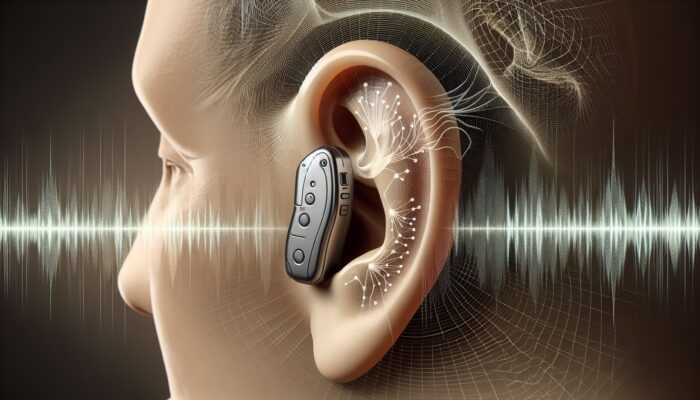
Categories
Hearing Devices Science & Technology

Nanotechnology in Hearing Aids: A Global Perspective

Last Updated on 24/12/2025 by Admin

Investigate the Revolutionary Influence of Nanotechnology on Hearing Aids

What Exactly is Nanotechnology and Its Significance?

Nanotechnology embodies a pioneering scientific discipline that manipulates matter on an atomic or molecular scale, specifically within the range of 1 to 100 nanometers. This groundbreaking field has instigated transformative changes across various sectors by significantly augmenting functionality and efficiency, facilitating innovations once deemed unattainable. For instance, in the medical arena, it enables precise targeted drug delivery systems; in the electronics domain, it supports the creation of faster, more compact devices. The typical applications of nanotechnology include:

  • Drug delivery systems for targeted treatments
  • Nanoparticles utilised in imaging and diagnostics
  • Enhanced materials applied in construction
  • Advanced energy storage solutions
  • Water purification technologies to ensure safe drinking
  • Advanced coatings and paints for durability
  • Food preservation techniques to extend shelf life
  • Cosmetic and skincare formulations with improved efficacy

How is Nanotechnology Revolutionising Hearing Devices?

The integration of nanotechnology into hearing devices marks a significant advancement in auditory technology. It greatly enhances performance by refining sound quality while concurrently minimising the size of hearing aids. This technological leap empowers manufacturers to embed sophisticated features within compact designs, rendering hearing aids not only more effective but also user-friendly. Key enhancements comprise:

How Does Nanotechnology Operate Within Hearing Aids?

The role of nanotechnology in hearing aids involves the utilisation of nanomaterials to optimise sound processing and boost energy efficiency. When engineered at such a minuscule scale, these materials can adeptly manipulate sound waves and electronic signals with exceptional precision, yielding clearer audio output. Furthermore, nanotechnology enriches the overall user experience by extending battery life and enhancing device performance. This innovation guarantees that users enjoy not only a superior auditory experience but also increased reliability in their devices. By facilitating the miniaturisation of components, nanotechnology enables hearing aids to remain discreet while offering advanced functionalities.

Expert Insights on the Advancements in Nanotechnology for Hearing Aids

What Cutting-Edge Innovations Are Transforming Hearing Aids?

Recent advancements in nanotechnology have heralded a new era for hearing aids, culminating in devices that are not only smaller but also deliver remarkably enhanced sound clarity and noise reduction capabilities. Companies such as Cochlear and Oticon have recently launched products that leverage nanotechnology to improve auditory function. Cochlear’s latest implant technology incorporates nanosensors that adapt to sound environments in real-time, significantly elevating user experience. Moreover, Oticon’s newest hearing aids utilise advanced digital signal processing driven by nanotechnology, enabling dynamic adjustments based on user preferences and surrounding noise levels. These innovations exemplify how nanotechnology is reshaping the auditory landscape.

How Do Experts Foresee the Future of Hearing Aids?

Experts predict that nanotechnology will persist in transforming hearing aid technology in the foreseeable future. Current trends indicate a movement towards devices that are not only significantly smaller but also more powerful, enhancing user functionality without compromising comfort. The integration of artificial intelligence with nanotechnology is set to create devices that learn from user behaviour, automatically adjusting settings for optimal performance. This evolution may lead to devices that are increasingly personalised and equipped with features such as health monitoring and connectivity to smart home systems, further enriching the user experience.

What Challenges Are Experts Facing in This Field?

Despite the tremendous potential of nanotechnology, experts encounter several obstacles in its integration into hearing aids. Technical challenges, including the complexities of nanomaterial synthesis and scalability, often hinder development. Additionally, cost-effectiveness poses a significant barrier, as advanced materials can inflate the price of hearing aids, making them less accessible to many users. To tackle these challenges, experts advocate for investments in collaborative research initiatives and innovation hubs that focus on developing scalable production methods. Furthermore, raising awareness about the long-term benefits of these advanced devices to consumers could help justify the initial costs.

Significant Advantages of Nanotechnology Utilised in Hearing Aids

How Does Nanotechnology Enhance Sound Quality?

The incorporation of nanotechnology in hearing aids has resulted in unparalleled improvements in sound quality. By enabling more sophisticated sound processing algorithms, users enjoy clearer and more natural audio. This enhancement is crucial for distinguishing speech from background noise, ensuring conversations remain comprehensible even in challenging environments. The primary advantages of improved sound quality encompass:

  • Enhanced clarity of auditory signals
  • Better separation of speech from surrounding noise
  • More accurate sound localisation for spatial awareness
  • Reduction in distortion during audio playback
  • Adaptive sound profiles customised for individual preferences
  • Improved feedback cancellation for a seamless experience
  • Smoother transitions between various sound environments
  • Dynamic range adjustment for diverse listening situations

What Role Does Nanotechnology Play in Increasing Durability?

Nanotechnology plays a vital role in significantly enhancing the durability of hearing aids. The incorporation of nanomaterials results in devices that demonstrate greater resistance to wear and tear, moisture, and dust, thereby extending their lifespan. This improved durability is particularly beneficial for users with active lifestyles who require their devices to withstand various conditions. Through nanotechnology, hearing aids can be manufactured with protective coatings that mitigate damage from environmental factors, ensuring consistent functionality and reliability over time.

What Are the User-Centric Benefits of Nanotechnology-Enhanced Hearing Aids?

The advantages for users of hearing aids enhanced by nanotechnology are profound and transformative. Users gain access to devices that are not only smaller and lighter but also engineered for superior performance. This technological advancement allows hearing aids to seamlessly integrate into users’ lives—rendering them less noticeable and more comfortable for prolonged wear. Furthermore, enhanced functionalities such as customizable settings and advanced connectivity options empower users to tailor their devices according to their individual preferences and lifestyle needs, maximising both utility and comfort.

In What Ways Does Nanotechnology Elevate Hearing Aid Functionality?

What Noise Reduction Capabilities Are Enhanced by Nanotechnology?

Nanotechnology has significantly improved the noise reduction capabilities of hearing aids, enabling users to hear more clearly in challenging auditory environments. Advanced signal processing techniques employ nanomaterials to effectively differentiate between desired sounds and background noise. This functionality is vital in social settings where background noise can easily overpower conversations. By isolating specific frequencies, hearing aids enhanced by nanotechnology can provide users with a remarkably improved auditory experience, facilitating smoother and more enjoyable everyday interactions.

How Does Nanotechnology Contribute to Energy Efficiency in Hearing Aids?

A substantial advantage of nanotechnology in hearing aids is the marked improvement in energy efficiency. The application of advanced nanomaterials has led to the creation of batteries that last longer between charges, which is particularly beneficial for users who depend on their devices throughout the day. By optimising power consumption through more efficient sound processing and electronics, users can relish extended wear times without the constant need for recharging. This enhancement not only boosts convenience but also ensures that users remain connected and engaged without interruptions.

What Key Functional Improvements Does Nanotechnology Offer to Hearing Aids?

Nanotechnology has enabled various critical functional improvements in hearing aids, enhancing their versatility and user-friendliness. These enhancements include improved sound localisation, allowing users to accurately determine the direction of sounds. Enhanced speech understanding is another significant advancement, enabling users to follow conversations more easily, even in noisy environments. Additionally, the capacity to connect with other devices, such as smartphones and smart home systems, offers increased functionality. These advancements ensure that hearing aids meet the demands of contemporary life while providing an exceptional auditory experience.

What Are the Benefits of Miniaturisation and Enhanced Comfort?

Nanotechnology facilitates the development of smaller and more comfortable hearing aids, leading to greater user satisfaction. The ability to compress advanced technology into compact devices means that wearers can enjoy powerful auditory experiences without the bulkiness traditionally associated with hearing aids. This miniaturisation results in devices that are more discreet, which is particularly important for individuals who may feel self-conscious about wearing hearing aids. The reduced size also enhances overall comfort, allowing users to wear their devices for extended periods without discomfort.

Research-Backed Insights on the Advantages of Nanotechnology in Hearing Aids

What Findings Does Current Research Reveal About Nanotechnology?

Research indicates that nanotechnology significantly enhances the performance of hearing aids, with studies demonstrating improved sound quality and increased user satisfaction. For instance, trials involving nanomaterial-enhanced hearing aids have shown substantially better sound clarity and fewer feedback issues compared to traditional models. These findings underscore the effectiveness of nanotechnology in addressing common challenges faced by users, affirming its value in modern hearing aid design.

How Does Nanotechnology Influence User Satisfaction Levels?

Users report heightened satisfaction levels with hearing aids that incorporate nanotechnology. The improvements in sound quality, coupled with enhanced comfort and convenience, contribute to a more positive overall experience. Many users express gratitude for the ability to hear more naturally and engage actively in conversations without the fatigue often associated with traditional devices. Expert analyses of user satisfaction trends suggest that as technology continues to advance, the gap between user needs and device capabilities will continue to narrow, leading to even greater levels of contentment.

What Are the Long-Term Advantages of Nanotechnology in Hearing Aids?

The long-term benefits of nanotechnology in hearing aids encompass sustained hearing improvement and a diminished need for frequent device replacements. As nanomaterials enhance durability and efficiency, users can expect their devices to perform optimally for extended periods. This longevity not only reduces costs associated with replacements but also promotes consistent auditory health, as users are encouraged to remain engaged with their hearing aids. Over time, this can lead to an improved overall quality of life for individuals experiencing hearing loss.

How Does Nanotechnology Refine Sound Quality in Hearing Aids?

Nanotechnology enhances sound quality in hearing aids by facilitating more accurate sound processing and amplification. Advanced materials enable greater fidelity in sound reproduction, resulting in clearer and more natural auditory experiences for users. This precision proves particularly beneficial in complex listening environments, where distinguishing between various sounds becomes crucial. The outcome is a more immersive and enjoyable listening experience, allowing users to engage more fully in their surroundings.

What Are the Cost Implications for Consumers Regarding Nanotechnology?

While the integration of nanotechnology can elevate the initial cost of hearing aids, the long-term savings associated with durability and reduced need for replacements often render them more cost-effective over time. Consumers may perceive the upfront price as a barrier; however, considering the enhanced performance and longevity, these devices can prove to be a prudent investment. As the technology becomes more widespread, increased competition may also drive prices down, making advanced hearing aids more accessible to a wider audience.

Technological Innovations in Nanotechnology for Hearing Aids

What Are the Latest Breakthroughs in Hearing Aid Technology?

Recent breakthroughs in nanotechnology have facilitated the creation of smaller, more powerful hearing aids equipped with state-of-the-art features. These devices often include wireless connectivity, allowing users to stream audio directly from smartphones or other devices, thereby enhancing usability. Furthermore, customizable sound settings enable users to tailor their auditory experience to specific environments or personal preferences. The ongoing refinement of these technologies highlights the dynamic nature of nanotechnology in shaping the future of hearing aids.

How Has Miniaturisation Advanced Over Time in Hearing Aids?

Miniaturisation has made significant strides, enabling the production of nearly invisible hearing aids that leverage the extraordinary properties of nanomaterials. This advancement allows essential components to be manufactured at much smaller scales without compromising performance or functionality. Consequently, users can benefit from discreet devices that do not attract attention, fostering a more natural experience in social situations. This evolution in miniaturisation represents a shift in how hearing aids are perceived and adopted in daily life.

What Are the Future Possibilities for Hearing Aid Technology?

Looking toward the future, the potential of nanotechnology in hearing aids is immense. Upcoming devices may become even smaller, equipped with advanced functionalities designed to monitor health indicators, such as heart rate or activity levels, thereby serving dual purposes. Additionally, ongoing advancements in artificial intelligence could lead to hearing aids that autonomously adjust to various acoustic environments, ensuring optimal performance at all times. As research in nanotechnology progresses, the integration of additional features is likely to revolutionise how users interact with and benefit from their hearing aids.

How Does Nanotechnology Enhance Battery Life in Hearing Aids?

Nanotechnology improves battery life in hearing aids by developing advanced nanomaterial-based batteries that demonstrate superior energy storage capabilities. These batteries can offer longer usage times between charges, which is essential for users who rely on their hearing aids throughout the day. Enhanced energy efficiency not only improves the overall user experience but also decreases the frequency with which devices need to be charged, making them more convenient for daily use.

What Role Does Nanotechnology Play in Sound Quality Enhancement?

Nanotechnology plays a critical role in enhancing sound quality in hearing aids by facilitating the production of more precise and efficient sound processing components. These advanced materials can manipulate sound waves more effectively, leading to improved fidelity and a more authentic listening experience. By incorporating nanotechnology into the core of hearing aids, manufacturers can deliver devices that cater to the diverse auditory needs of users, ensuring clarity and comfort across various listening environments.

User Experience and Nanotechnology in Hearing Aids

What Are the Comfort and Wearability Improvements Achieved?

The advancements in nanotechnology have greatly enhanced the comfort and wearability of hearing aids. The trend towards creating smaller, lighter devices means that wearers can enjoy prolonged use without discomfort. Enhanced ergonomic designs, resulting from the application of nanomaterials, enable devices to better conform to the contours of the ear, minimising their obtrusiveness. This focus on user-centric design has fundamentally reshaped the perception of hearing aids, encouraging more individuals to seek solutions for their hearing challenges.

How Does Nanotechnology Contribute to Overall Ease of Use?

Hearing aids utilising nanotechnology are often designed with user-friendliness at the forefront. Intuitive controls and seamless connectivity to smartphones and other devices significantly improve user interactions. This user-centric approach not only enhances the overall experience but also empowers users to customise their settings effortlessly, adapting their devices to suit varying environments. As technology evolves, the simplification of the user interface continues to be a priority, ensuring individuals can navigate their devices with confidence.

What Are the User Testimonials Regarding Nanotechnology in Hearing Aids?

Users have shared overwhelmingly positive experiences with hearing aids that integrate nanotechnology. Many express satisfaction with the enhanced sound quality and the discreet design of their devices. Testimonials frequently highlight the transformative impact of these advancements on their daily lives, enabling clearer communication and alleviating the frustration often associated with hearing loss. The positive feedback reinforces the notion that the integration of nanotechnology is not only beneficial but essential for improving the quality of life for individuals using hearing aids.

Frequently Asked Questions About Nanotechnology in Hearing Aids

What is the concept of nanotechnology?

Nanotechnology pertains to the manipulation of matter at an atomic or molecular scale, typically ranging from 1 to 100 nanometers, facilitating innovations across various fields, including hearing aids.

How does nanotechnology enhance hearing aids?

Nanotechnology improves hearing aids by enhancing sound quality, increasing durability, and enabling miniaturisation, culminating in more efficient and user-friendly devices.

What are the latest advancements in hearing aid technology?

Recent advancements encompass devices equipped with superior sound clarity, enhanced noise reduction capabilities, and integrated connectivity features, all driven by nanotechnology.

Will hearing aids become more affordable due to nanotechnology?

While nanotechnology may raise initial costs, the longevity and durability of these devices can lead to cost savings over time, making them a worthwhile investment.

How does nanotechnology influence user satisfaction?

Users of nanotech-enhanced hearing aids report heightened satisfaction due to clearer sound, improved comfort, and superior overall performance in diverse listening environments.

What challenges do manufacturers encounter with nanotechnology?

Challenges include technical difficulties in synthesising materials and the necessity for cost-effective solutions to make advanced hearing aids accessible to a broader audience.

What long-term benefits arise from nanotechnology in hearing aids?

Long-term benefits encompass improved hearing quality, reduced necessity for frequent replacements, and enhanced user satisfaction due to more durable and efficient devices.

How does nanotechnology enhance battery life in hearing aids?

Nanotechnology enhances battery life by creating advanced batteries that provide longer usage times and greater energy efficiency, minimising the need for frequent recharging.

What role does nanotechnology play in enhancing sound quality?

Nanotechnology significantly improves sound quality by enabling more precise sound processing, resulting in clearer and more natural auditory experiences for users.

Are there future possibilities for nanotechnology in hearing aids?

Future possibilities include even smaller devices with integrated health monitoring features and enhanced adaptive capabilities, further transforming the user experience.

Discover our journey on X!

The post Nanotechnology Enhances Hearing Aids: A Global View appeared first on The Microsuction Ear Wax Removal Network.

The post Nanotechnology Enhances Hearing Aids: A Global View appeared first on Healthcare Marketing Service.
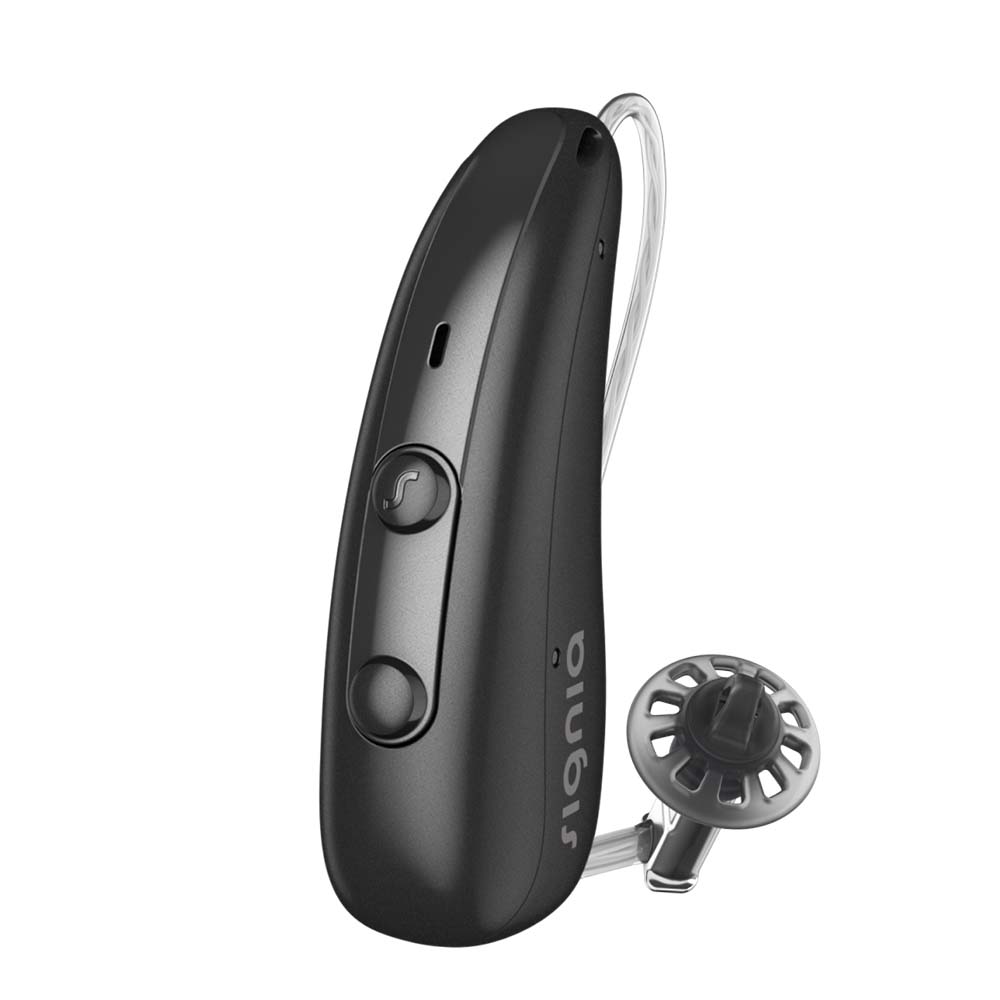
Categories
Hearing Devices Science & Technology

Nanotechnology in Hearing Aids: A Worldwide Perspective

Last Updated on 24/12/2025 by Admin

Discover the Transformative Effects of Nanotechnology on Hearing Aids

What is the Fundamental Principle Behind Nanotechnology?

Nano-technology encompasses the groundbreaking field of science that manipulates matter at an atomic or molecular scale, particularly focusing on dimensions ranging from 1 to 100 nanometers. This revolutionary discipline has catalysed significant advancements across multiple industries, substantially enhancing functionality and efficiency, resulting in innovations that were previously deemed unattainable. In the medical arena, for example, it paves the way for precise targeted drug delivery, while in electronics, it contributes to the development of more compact and faster devices. The spectrum of nanotechnology applications includes:

  • Drug delivery systems
  • Nanoparticles utilised in imaging and diagnostics
  • Enhanced materials employed in construction
  • Improved energy storage solutions
  • Water purification technologies
  • Advanced coatings and paints
  • Food preservation techniques
  • Cosmetic and skincare formulations

How is Nanotechnology Revolutionising Hearing Devices?

The integration of nanotechnology into hearing devices represents a monumental advancement in auditory technology. This innovation markedly enhances performance by improving sound quality while concurrently minimising the size of hearing aids. Such technological progress empowers manufacturers to embed sophisticated features within compact designs, thus making hearing aids not only more effective but also user-friendly. Noteworthy enhancements include:

How Does Nanotechnology Operate in Hearing Aids?

Within hearing aids, nanotechnology employs nanomaterials to optimise sound processing and enhance energy efficiency. These materials, when engineered at such a minuscule scale, possess the ability to manipulate sound waves and electronic signals with extraordinary accuracy, yielding clearer audio output. Furthermore, nanotechnology significantly enhances the overall user experience by prolonging battery life and boosting device performance. This advancement ensures users not only relish a superior auditory experience but also experience heightened reliability in their devices. By enabling the miniaturisation of components, nanotechnology allows hearing aids to remain unobtrusive while offering advanced features.

Expert Insights on the Innovations of Nanotechnology in Hearing Aids

What Are the Cutting-Edge Innovations in Hearing Aids?

Recent innovations in nanotechnology have ushered in a new era for hearing aids, resulting in devices that are not merely smaller but also deliver remarkably enhanced sound clarity and noise reduction capabilities. For instance, industry leaders such as Cochlear and Oticon have recently launched products harnessing nanotechnology to elevate auditory function. Cochlear’s latest implant technology incorporates nanosensors that adapt to sound environments in real-time, significantly enhancing the user experience. Likewise, Oticon’s newest hearing aids utilise advanced digital signal processing powered by nanotechnology, facilitating dynamic adjustments based on user preferences and surrounding noise levels. These innovations exemplify how nanotechnology is reshaping the auditory landscape.

How Do Experts Envision the Future of Hearing Aids?

Experts predict that nanotechnology will persist in transforming hearing aid technology in the upcoming years. The current trend indicates a movement towards devices that are not only considerably smaller but also more powerful, enhancing user functionality without compromising comfort. The fusion of artificial intelligence with nanotechnology is set to create devices that learn from user behaviour, automatically adjusting settings for optimal performance. This evolution could culminate in devices that are more personalised and equipped with features such as health monitoring and connectivity to smart home systems, further enriching the user experience.

What Challenges Do Experts Encounter in This Field?

Despite the vast potential of nanotechnology, experts face numerous challenges in its integration into hearing aids. Technical obstacles, such as the complexities of nanomaterial synthesis and scalability, often hinder development. Moreover, cost-effectiveness poses a significant barrier, as advanced materials can inflate the price of hearing aids, rendering them less accessible to many users. To tackle these challenges, experts advocate for increased investments in collaborative research initiatives and innovation hubs that focus on developing scalable production methods. Furthermore, raising awareness about the long-term benefits of these advanced devices to consumers could help justify the initial costs.

Significant Benefits of Nanotechnology in Hearing Aids

How Does Nanotechnology Enhance Sound Quality?

The advent of nanotechnology in hearing aids has resulted in unprecedented improvements in sound quality. By facilitating more sophisticated sound processing algorithms, users benefit from clearer and more natural audio experiences. This enhancement is particularly crucial for differentiating speech from background noise, ensuring that conversations remain intelligible even in challenging auditory environments. The primary advantages of improved sound quality encompass:

  • Enhanced clarity of sounds
  • Improved separation of speech from noise
  • More accurate sound localisation
  • Reduction in distortion during playback
  • Adaptive sound profiles tailored to individual preferences
  • Improved feedback cancellation
  • Smoother transitions between different sound environments
  • Dynamic range adjustment for varied listening situations

What Role Does Nanotechnology Play in Enhancing Durability?

Nanotechnology plays an essential role in significantly enhancing the durability of hearing aids. The incorporation of nanomaterials results in devices exhibiting greater resistance to wear and tear, moisture, and dust, thereby extending their lifespan. This increased durability is especially advantageous for users who lead active lifestyles and require their devices to endure diverse conditions. Through nanotechnology, hearing aids can be engineered with protective coatings that mitigate damage from environmental factors, ensuring consistent functionality and reliability over time.

What Are the User Benefits of Nanotechnology-Enhanced Hearing Aids?

The advantages for users of hearing aids improved through nanotechnology are profound and transformative. Users gain access to devices that are not only smaller and lighter but also meticulously crafted for superior performance. This technological advancement allows hearing aids to integrate seamlessly into users’ lives—rendering them less noticeable and more comfortable for extended wear. Additionally, enhanced functionality, such as customisable settings and advanced connectivity options, empowers users to tailor their devices to align with personal preferences and lifestyle needs, maximising both utility and comfort.

How Does Nanotechnology Elevate Hearing Aid Functionality?

What Are the Noise Reduction Capabilities Enhanced by Nanotechnology?

Nanotechnology has markedly enhanced the noise reduction capabilities of hearing aids, enabling users to hear more clearly in challenging auditory environments. Advanced signal processing techniques utilise nanomaterials to effectively differentiate between desired and undesired sounds. This functionality is particularly vital in social settings where background noise can easily overpower conversations. By isolating specific frequencies, hearing aids enhanced by nanotechnology can provide users with a substantially improved auditory experience, facilitating smoother and more enjoyable everyday interactions.

How Does Nanotechnology Contribute to Energy Efficiency?

Another significant advantage of nanotechnology in hearing aids is its role in improving energy efficiency. The utilisation of advanced nanomaterials has led to the development of batteries that last longer between charges, which benefits users who depend on their devices throughout the day. By optimising power consumption through more efficient sound processing and electronics, users can enjoy extended wear times without the constant need for recharging. This enhancement not only boosts convenience but also ensures that users can remain connected and engaged without interruptions.

What Key Functional Improvements Does Nanotechnology Offer?

Nanotechnology has facilitated numerous critical functional improvements in hearing aids, significantly enhancing their versatility and user-friendliness. These enhancements include improved sound localisation, allowing users to accurately identify the direction of sounds. Enhanced speech comprehension stands as another notable advancement, enabling users to follow conversations more easily, even amidst noisy environments. Furthermore, the capability to connect with other devices, such as smartphones and smart home systems, offers increased functionality. These advancements ensure that hearing aids meet the demands of contemporary life while providing an exceptional auditory experience.

What Are the Benefits of Miniaturisation and Comfort?

Nanotechnology enables the creation of smaller and more comfortable hearing aids, leading to heightened user satisfaction. The ability to compress advanced technology into compact devices means wearers can enjoy powerful auditory experiences without the bulkiness typically associated with hearing aids. This miniaturisation results in devices that are more discreet, which is particularly important for individuals who may feel self-conscious about wearing hearing aids. Moreover, the reduced size enhances overall comfort, allowing users to wear their devices for extended periods without discomfort.

Research-Backed Insights on the Benefits of Nanotechnology in Hearing Aids

What Findings Does Research Reveal?

Research indicates that nanotechnology significantly enhances the performance of hearing aids, with studies demonstrating improved sound quality and increased user satisfaction. For instance, trials involving nanomaterial-enhanced hearing aids have shown substantially better sound clarity and fewer feedback issues compared to traditional models. These findings underscore the effectiveness of nanotechnology in addressing common challenges faced by users, affirming its value in modern hearing aid design.

How Does Nanotechnology Impact User Satisfaction?

Users report heightened satisfaction levels with hearing aids that incorporate nanotechnology. The enhancements in sound quality, coupled with improved comfort and convenience, contribute to a more positive overall experience. Many users express appreciation for their ability to hear more naturally and actively engage in conversations without the fatigue often associated with traditional devices. Expert analyses of user satisfaction trends suggest that as technology continues to advance, the gap between user needs and device capabilities will continue to narrow, leading to even greater levels of contentment.

What Are the Long-Term Benefits of Nanotechnology in Hearing Aids?

The long-term benefits of nanotechnology in hearing aids encompass sustained hearing improvement and a reduced necessity for frequent device replacements. As nanomaterials enhance durability and efficiency, users can anticipate their devices performing optimally for extended periods. This longevity not only diminishes costs associated with replacements but also promotes consistent auditory health, as users are encouraged to remain engaged with their hearing aids. Over time, this can lead to an improved overall quality of life for individuals experiencing hearing loss.

How Does Nanotechnology Refine Sound Quality?

Nanotechnology enhances sound quality in hearing aids by facilitating more accurate sound processing and amplification. Advanced materials enable greater fidelity in sound reproduction, resulting in clearer and more natural auditory experiences for users. This precision proves particularly beneficial in complex listening environments, where distinguishing between various sounds becomes crucial. The outcome is a more immersive and enjoyable listening experience, allowing users to engage more fully in their surroundings.

What Are the Cost Implications for Consumers?

While the integration of nanotechnology can elevate the initial cost of hearing aids, the long-term savings associated with durability and reduced need for replacements often render them more cost-effective over time. Consumers may perceive the upfront price as a barrier; however, considering the enhanced performance and longevity, these devices can prove to be a prudent investment. As the technology becomes more widespread, increased competition may also drive prices down, making advanced hearing aids more accessible to a broader audience.

Technological Innovations in Nanotechnology for Hearing Aids

What Are the Latest Innovations in Hearing Aid Technology?

Recent breakthroughs in nanotechnology have facilitated the creation of smaller, more powerful hearing aids equipped with state-of-the-art features. These devices typically offer wireless connectivity, allowing users to stream audio directly from smartphones or other devices, thereby enhancing usability. Furthermore, customisable sound settings enable users to tailor their auditory experience to specific environments or personal preferences. The ongoing refinement of these technologies underscores the dynamic nature of nanotechnology in shaping the future of hearing aids.

How Has Miniaturisation Advanced Over Time?

Miniaturisation has made significant strides, enabling the production of nearly invisible hearing aids that leverage the properties of nanomaterials. This advancement allows essential components to be manufactured at much smaller scales without compromising performance or functionality. Consequently, users can benefit from discreet devices that do not attract attention, fostering a more natural experience in social situations. This evolution in miniaturisation marks a shift in how hearing aids are perceived and embraced in everyday life.

What Are the Future Possibilities for Hearing Aid Technology?

Looking ahead, the potential of nanotechnology in hearing aids is expansive. Future devices may become even smaller, with enhanced functionalities designed to monitor health indicators, such as heart rate or activity levels, thus serving dual purposes. Moreover, ongoing advancements in artificial intelligence could lead to hearing aids that autonomously adjust to various acoustic environments, ensuring optimal performance at all times. As research in nanotechnology continues to progress, the integration of additional features is likely to revolutionise how users interact with and benefit from their hearing aids.

How Does Nanotechnology Enhance Battery Life?

Nanotechnology improves battery life in hearing aids by developing advanced nanomaterial-based batteries that exhibit superior energy storage capabilities. These batteries can offer longer usage times between charges, which is essential for users who rely on their hearing aids throughout the day. Enhanced energy efficiency not only improves the overall user experience but also decreases the frequency with which devices need to be charged, making them more convenient for daily use.

What Role Does Nanotechnology Have in Sound Quality Enhancement?

Nanotechnology plays a vital role in enhancing sound quality in hearing aids by facilitating the production of more precise and efficient sound processing components. These advanced materials can manipulate sound waves more effectively, leading to improved fidelity and a more authentic listening experience. By incorporating nanotechnology into the core of hearing aids, manufacturers can deliver devices that cater to the diverse auditory needs of users, ensuring clarity and comfort across various listening environments.

User Experience and Nanotechnology in Hearing Aids

What Are the Comfort and Wearability Improvements?

Advancements in nanotechnology have substantially improved the comfort and wearability of hearing aids. The trend towards producing smaller, lighter devices allows wearers to enjoy prolonged use without discomfort. Enhanced ergonomic designs, resulting from the application of nanomaterials, enable devices to better conform to the contours of the ear, minimising their obtrusiveness. This emphasis on user-centric design has fundamentally altered the perception of hearing aids, encouraging more individuals to pursue solutions for their hearing challenges.

How Does Nanotechnology Contribute to Ease of Use?

Hearing aids designed with nanotechnology often prioritise user-friendliness. Intuitive controls and seamless connectivity to smartphones and other devices markedly improve user interactions. This user-centric approach not only enhances the overall experience but also empowers users to easily customise their settings, adapting their devices to suit varying environments. As technology continues to evolve, simplifying the user interface remains a priority, ensuring individuals can navigate their devices with confidence.

What Are the User Testimonials About Nanotechnology in Hearing Aids?

Users have reported overwhelmingly positive experiences with hearing aids that incorporate nanotechnology. Many express satisfaction with the enhanced sound quality and the discreet design of their devices. Testimonials frequently highlight the transformative impact of these advancements on their daily lives, enabling clearer communication and alleviating the frustration often associated with hearing loss. The positive feedback reinforces the notion that integrating nanotechnology is not only beneficial but essential for improving the quality of life for individuals using hearing aids.

Frequently Asked Questions About Nanotechnology in Hearing Aids

What is the concept of nanotechnology?

Nanotechnology pertains to the manipulation of matter at an atomic or molecular scale, typically ranging from 1 to 100 nanometers, facilitating innovations across various fields, including hearing aids.

How does nanotechnology enhance hearing aids?

Nanotechnology improves hearing aids by enhancing sound quality, increasing durability, and enabling miniaturisation, culminating in more efficient and user-friendly devices.

What are the latest advancements in hearing aid technology?

Recent advancements encompass devices equipped with superior sound clarity, enhanced noise reduction capabilities, and integrated connectivity features, all driven by nanotechnology.

Will hearing aids become more affordable due to nanotechnology?

While nanotechnology may raise initial costs, the longevity and durability of these devices can lead to cost savings over time, making them a worthwhile investment.

How does nanotechnology influence user satisfaction?

Users of nanotech-enhanced hearing aids report heightened satisfaction due to clearer sound, improved comfort, and superior overall performance in diverse listening environments.

What challenges do manufacturers encounter with nanotechnology?

Challenges include technical difficulties in synthesising materials and the necessity for cost-effective solutions to make advanced hearing aids accessible to a broader audience.

What long-term benefits arise from nanotechnology in hearing aids?

Long-term benefits encompass improved hearing quality, reduced necessity for frequent replacements, and enhanced user satisfaction due to more durable and efficient devices.

How does nanotechnology enhance battery life in hearing aids?

Nanotechnology enhances battery life by creating advanced batteries that provide longer usage times and greater energy efficiency, minimising the need for frequent recharging.

What role does nanotechnology play in enhancing sound quality?

Nanotechnology significantly improves sound quality by enabling more precise sound processing, resulting in clearer and more natural auditory experiences for users.

Are there future possibilities for nanotechnology in hearing aids?

Future possibilities include even smaller devices with integrated health monitoring features and enhanced adaptive capabilities, further transforming the user experience.

Discover our journey on X!

The post Nanotechnology Enhances Hearing Aids: A Global View appeared first on The Microsuction Ear Wax Removal Network.

Categories
Health & Wellness Hearing Devices

Completely-in-Canal Hearing Aids: The Essential Handbook

Last Updated on 23/12/2025 by Admin

Your Ultimate Resource for Completely-in-Canal Hearing Aids

Completely-in-Canal Hearing Aids: What Are Their Key Features?

Completely-in-canal hearing aids offer an innovative solution specifically designed to fit seamlessly within the ear canal, delivering a compact and discreet form of auditory assistance. These devices are meticulously crafted to effectively amplify sound, making them particularly appealing to individuals who prioritise both aesthetics and comfort in their hearing solutions. Primarily aimed at those experiencing mild to moderate hearing loss, these hearing aids dramatically improve auditory experiences in various settings. Key features include:

  • Custom fitting aimed at maximising comfort and effectiveness
  • Discreet design that significantly reduces visibility due to their small size
  • Natural sound quality enhanced through optimal placement within the ear canal
  • Minimised wind noise, making them perfect for outdoor activities
  • Compatibility with a range of assistive listening technologies
  • Options for rechargeable batteries for ultimate user convenience
  • Advanced sound processing technology that enhances clarity
  • Secure fit, ideal for active lifestyles

The compact and discreet nature of completely-in-canal hearing aids makes them an appealing choice for individuals seeking a subtle yet effective solution for their hearing challenges, enabling them to navigate daily life with confidence and ease.

How Do Completely-in-Canal Hearing Aids Operate?

Completely-in-canal hearing aids employ advanced <a href="https://www.earwaxremoval.net/ear-muscles-in-sound-detection-universal-insights-explained/">sound amplification technology</a> to enhance auditory signals effectively. Positioned deep within the ear canal, they utilise the natural acoustics of the ear to ensure that sound is processed in close proximity to the eardrum. This strategic positioning allows for a more authentic auditory experience, capturing subtle sound nuances that larger devices may overlook. Each hearing aid is custom-moulded to fit the unique anatomy of the user’s ear, ensuring both optimal comfort and superior sound quality.

Essentially, sound waves enter the device, where they are converted into electrical signals, subsequently amplified, and delivered directly into the ear canal. Cutting-edge features such as noise reduction, feedback management, and frequency tuning are often integrated into these devices, significantly enhancing the listening experience across various settings, whether at home, during social gatherings, or while enjoying outdoor adventures.

Uncover the Benefits of Completely-in-Canal Hearing Aids

The benefits of completely-in-canal hearing aids extend far beyond their discreet appearance. One of the most significant advantages is their <a href=”https://www.earwaxremoval.net/hearing-aids-are-getting-smarter-with-enhanced-technology/”>enhanced sound quality</a>. By positioning microphones closer to the eardrum, these devices provide a richer and more detailed auditory experience compared to larger hearing aids. This proximity not only improves sound clarity but also reduces wind noise and feedback, which can be particularly distracting in outdoor environments.

Moreover, the comfort offered by completely-in-canal hearing aids is exceptional. Their custom fit minimises irritation, allowing users to wear them comfortably throughout the day. The device’s small size contributes to a natural feel, making them especially appealing for first-time users who are adjusting to hearing aids.

Additionally, the secure fit of these hearing aids makes them ideal for individuals with active lifestyles. Unlike larger hearing aids that may shift or fall out during physical activities, completely-in-canal options remain securely in place, empowering users to engage confidently in their daily routines without worry.

Which Individuals Benefit Most from Completely-in-Canal Hearing Aids?

Completely-in-canal hearing aids are particularly beneficial for adults experiencing mild to moderate hearing loss. Individuals in search of a discreet solution that integrates smoothly into their lifestyle will find these devices highly suitable. For example, professionals in roles that necessitate frequent social interaction, such as educators or sales representatives, can greatly benefit from their subtle design, allowing them to maintain a polished appearance while enhancing their hearing capabilities.

Furthermore, those who lead active lifestyles, including athletes or outdoor enthusiasts, will appreciate the comfort and secure fit provided by completely-in-canal devices. This design supports movement without the concern of dislodging or discomfort. Additionally, younger users who prefer to keep a low profile while addressing their hearing challenges will discover these aids to be an attractive option.

Ultimately, the versatility of completely-in-canal hearing aids makes them a practical choice for a wide range of users, enabling individuals to fully engage in everyday activities without feeling self-conscious about their hearing devices.

Essential Care and Maintenance for Completely-in-Canal Hearing Aids

Proper maintenance of completely-in-canal hearing aids is crucial for their longevity and consistent performance. Regular cleaning and adherence to care guidelines are essential to ensure these devices function optimally over time. Users should follow specific best practices, which include:

  • Daily cleaning of the device using a soft, dry cloth
  • Regular checks for wax buildup to prevent blockage
  • Utilising a soft brush to clean microphones and prevent debris accumulation
  • Avoiding exposure to moisture by removing aids before activities like showering or swimming
  • Storing devices in a dry, secure case when not in use to prevent damage
  • Regularly replacing batteries or ensuring the device is charged to maintain performance
  • Scheduling professional check-ups for thorough cleaning and maintenance
  • Keeping the device away from extreme temperatures and humidity

By adhering to these maintenance practices, users can effectively care for their completely-in-canal hearing aids, ensuring a reliable listening experience for many years to come.

Professional Insights on Completely-in-Canal Hearing Aids

What Do Audiologists Recommend Concerning Completely-in-Canal Hearing Aids?

Audiologists often endorse completely-in-canal hearing aids for their unique blend of discretion and superior sound quality. These professionals stress the importance of personalised fitting, as an improper fit can lead to discomfort and reduced performance. They highlight that while these aids are highly effective for many users, they may not be suitable for everyone, particularly those with more profound hearing losses or intricate auditory requirements.

A key piece of advice from audiologists is the necessity of regular follow-ups to ensure the device is functioning optimally. For instance, a case study involving a 50-year-old user with mild hearing loss demonstrated that periodic adjustments not only enhanced comfort but also improved overall sound clarity. Audiologists also emphasise the significance of user education regarding maintenance and care, equipping users with the knowledge they need to manage their devices effectively.

In summary, audiologists play a vital role in guiding users through the selection and fitting process of completely-in-canal hearing aids, ensuring individuals receive tailored auditory solutions that best fit their unique needs.

How Can You Select the Perfect Completely-in-Canal Hearing Aid?

Selecting the ideal completely-in-canal hearing aid involves a comprehensive approach that considers individual hearing loss levels, lifestyle factors, and budget constraints. The initial step is to undergo a professional hearing assessment, which provides insights into the specific type and degree of hearing loss. This assessment is crucial in guiding the audiologist in recommending the most suitable device options for each individual.

Potential users should also contemplate their daily environments and activities. For example, individuals who often find themselves in large social gatherings may benefit from hearing aids equipped with advanced noise reduction features. Conversely, those who primarily operate in quieter settings might prioritise comfort and basic amplification features.

Budget considerations are also essential, as completely-in-canal hearing aids can vary widely in price based on technology and capabilities. Users should engage in discussions regarding financing options with audiologists, as many providers offer payment plans or insurance coverage that can make these devices more accessible.

Finally, users should explore trial periods offered by manufacturers, which allow them to experience the aids in real-life situations before making a full commitment. This hands-on experience can significantly enhance satisfaction and ensure the selected device meets the user’s specific auditory needs.

What Are the Latest Technological Innovations in Completely-in-Canal Hearing Aids?

The realm of completely-in-canal hearing aids has witnessed significant technological advancements over recent years, greatly enriching the user experience. One of the most notable innovations is the enhanced sound processing capabilities, which allow these devices to adapt seamlessly to various auditory environments. This feature enables users to enjoy clearer sound quality, even in challenging situations, such as crowded restaurants or lively outdoor events.

Wireless connectivity has emerged as another noteworthy advancement, with many contemporary completely-in-canal hearing aids featuring Bluetooth compatibility. This connection allows users to link their hearing aids directly to smartphones, televisions, and other devices, thus facilitating a more integrated auditory experience. For example, users can stream phone calls or music directly into their hearing aids, enhancing overall convenience and functionality.

Rechargeable battery technology has also progressed, with numerous brands now offering long-lasting batteries that can be charged overnight. This innovation eliminates the hassle of frequent battery changes, promoting ease of use and sustainability for users.

As technology continues to evolve, completely-in-canal hearing aids are becoming increasingly sophisticated, offering users a combination of discretion, comfort, and advanced features that cater to a broad spectrum of hearing needs.

Exploring the Benefits of Completely-in-Canal Hearing Aids

How Do Completely-in-Canal Hearing Aids Improve Sound Quality?

The distinctive design of completely-in-canal hearing aids significantly enhances sound quality, primarily due to their strategic positioning within the ear canal. By placing the microphone closer to the eardrum, these devices provide a more natural sound experience, allowing users to perceive sounds in a manner that mimics natural hearing. This proximity reduces sound distortion and enhances clarity, making conversations and ambient noises more intelligible.

Moreover, completely-in-canal hearing aids effectively minimise wind noise, a common nuisance for users of larger hearing aids. The snug fit within the ear canal shields the microphones from wind interference, resulting in clearer listening experiences outdoors. This feature is especially beneficial for individuals who enjoy outdoor activities or reside in windy areas.

The advanced signal processing technology incorporated in these aids further elevates sound quality. Many models offer multiple listening programs that can be adjusted based on the surrounding environment, allowing users to personalise their listening experience. This adaptability ensures smooth transitions from quiet indoor settings to bustling outdoor spaces without sacrificing sound fidelity.

In summary, completely-in-canal hearing aids significantly enhance sound quality, providing users with a richer, more natural auditory experience that improves daily communication and environmental awareness.

What Comfort Benefits Do Completely-in-Canal Hearing Aids Provide?

The comfort advantages of completely-in-canal hearing aids rank among their most appealing features. Specifically engineered to fit snugly within the ear canal, these aids are constructed from soft, medical-grade materials that minimise the risk of irritation. Achieving a custom fit is essential; it guarantees that users can wear their devices for extended periods without discomfort, a critical factor for those who rely on hearing aids throughout the day.

Additionally, the design contributes to the overall ergonomics of the device. Their small size allows for a more natural feel within the ear, eliminating the bulk that users may experience with larger models. This feature is particularly advantageous for active individuals or those seeking a discreet option that seamlessly integrates into their lifestyle.

Furthermore, the deep placement of completely-in-canal hearing aids helps stabilise the device during movement, reducing the likelihood of it shifting or becoming dislodged—a common concern with larger hearing aids. This stability is crucial for users engaged in physical activities or sports, enabling them to participate fully without the anxiety of losing their hearing aids.

In conclusion, completely-in-canal hearing aids excel in comfort, providing a secure and unobtrusive fit that allows users to engage in their daily lives with confidence and ease.

How Do Completely-in-Canal Hearing Aids Ensure Discretion?

One of the standout features of completely-in-canal hearing aids is their exceptional discretion. These devices are nearly invisible when worn, making them an ideal choice for users who prioritise aesthetics alongside functionality. Their design allows them to sit deep within the ear canal, effectively camouflaging them against the ear’s natural contours.

This level of discretion is particularly beneficial in social situations, where users may feel self-conscious about wearing visible hearing aids. The ability to communicate without drawing attention to one’s hearing loss can significantly boost confidence, allowing individuals to participate more fully in conversations and social interactions.

Importantly, this subtle design does not compromise performance. Completely-in-canal hearing aids deliver high-quality sound amplification while remaining discreet, ensuring users can enjoy an enhanced auditory experience without feeling exposed. This balance between functionality and aesthetics is a primary reason why many users prefer completely-in-canal solutions over larger, more visible alternatives.

Ultimately, completely-in-canal hearing aids empower users to manage their hearing loss effectively while maintaining a natural and confident appearance in various social contexts.

Research-Backed Insights on Completely-in-Canal Hearing Aids

What Does Research Indicate About User Satisfaction with Completely-in-Canal Hearing Aids?

Research consistently demonstrates high levels of user satisfaction associated with completely-in-canal hearing aids. Studies indicate that users frequently report significant improvements in their quality of life, stemming from enhanced communication abilities and stronger relationships with family and friends. Key factors contributing to user satisfaction include comfort, sound quality, and discreet design.

In one comprehensive study, participants noted increased social engagement and reduced feelings of isolation after adopting completely-in-canal hearing aids. The discreet design of these devices allowed users to navigate social settings without self-consciousness, facilitating more natural interactions. Furthermore, participants reported heightened confidence in both personal and professional environments, underscoring the profound impact that effective hearing solutions can have on overall well-being.

Expert analysis reinforces that completely-in-canal hearing aids are particularly effective for individuals experiencing mild to moderate hearing loss, as they provide the necessary amplification without being intrusive. This combination of factors enhances user satisfaction across various demographics, establishing these aids as a popular choice globally.

How Do Completely-in-Canal Hearing Aids Impact Hearing Health?

Completely-in-canal hearing aids play a vital role in promoting hearing health by delivering essential amplification that helps prevent further hearing loss. By effectively amplifying sounds, these devices encourage regular use and engagement with auditory stimuli, which is critical for maintaining cognitive function and overall auditory health.

Users who consistently wear their hearing aids are less likely to experience auditory deprivation, a common issue among individuals with untreated hearing loss. Studies have shown that untreated hearing loss can contribute to cognitive decline and social withdrawal, highlighting the importance of proactive hearing management. By providing necessary amplification, completely-in-canal hearing aids mitigate these risks, fostering better hearing health outcomes.

Furthermore, the discreet design encourages consistent use, as users are less likely to feel self-conscious about wearing them. This ongoing engagement with sound not only supports mental acuity but also enhances interpersonal relationships and social interaction, further contributing to a healthier lifestyle.

In summary, completely-in-canal hearing aids significantly impact hearing health by promoting regular use, preventing the progression of hearing loss, and encouraging users to remain socially active.

What Long-Term Advantages Can Users Expect from Completely-in-Canal Hearing Aids?

The long-term use of completely-in-canal hearing aids offers numerous benefits that extend beyond mere sound amplification. Users often report enhanced quality of life through improved communication skills, fostering stronger relationships with family, friends, and colleagues. The ability to hear more clearly facilitates deeper conversations and a more enriching social life, reducing feelings of isolation that are often associated with hearing loss.

Moreover, consistent use of hearing aids has been linked to better mental health outcomes. Studies reveal that individuals who effectively manage their hearing loss through devices like completely-in-canal hearing aids experience lower rates of depression and anxiety. By enabling social connections and engagement, these aids contribute to a more positive mental state.

Additionally, users frequently express an increase in overall confidence. With improved hearing, they are less likely to hesitate or withdraw in social situations due to communication difficulties. This newfound confidence can lead to greater participation in activities and events, significantly enriching their lives.

Ultimately, completely-in-canal hearing aids not only enhance auditory experiences but also promote a healthier, more connected lifestyle over the long term.

Critical Maintenance Practices for Completely-in-Canal Hearing Aids

What Daily Maintenance Is Essential for Completely-in-Canal Hearing Aids?

Daily maintenance of completely-in-canal hearing aids is crucial to ensuring their functionality and longevity. Users should establish a consistent cleaning routine to prevent debris and wax buildup that can interfere with sound quality. Essential daily tasks include:

  • Cleaning the outer surface of the device with a soft, dry cloth
  • Checking for wax buildup in the microphone and receiver areas
  • Using a soft brush to eliminate any accumulated debris
  • Ensuring the battery compartment is free from moisture and corrosion
  • Storing hearing aids in a designated case to avoid damage
  • Regularly replacing or recharging batteries as necessary
  • Avoiding exposure to water or extreme humidity
  • Removing the aids before showering, swimming, or exercising

By implementing these daily maintenance practices, users can not only enhance the performance of their completely-in-canal hearing aids but also prolong their lifespan. Taking proactive steps will ensure that users enjoy optimal hearing experiences without the worry of malfunction or deterioration over time.

How Frequently Should You Schedule Professional Servicing for Completely-in-Canal Hearing Aids?

Professional servicing of completely-in-canal hearing aids is essential for maintaining their performance and reliability. Experts recommend scheduling check-ups every six to twelve months, depending on usage patterns and the manufacturer’s guidelines. Regular servicing allows for comprehensive cleaning, adjustments, and maintenance checks that users may not be able to perform independently.

During these appointments, audiologists evaluate the device for signs of wear, assess battery performance, and ensure that the fittings remain comfortable and effective. This proactive strategy helps to identify potential issues early, preventing more significant problems in the future.

Moreover, professional servicing provides an opportunity for users to receive updates on new technology or features that might enhance their hearing experience. Audiologists can offer personalised recommendations based on the user’s evolving needs, ensuring that the hearing aids continue to meet their specific requirements.

In conclusion, regular professional servicing is crucial for the longevity and effectiveness of completely-in-canal hearing aids, enabling users to maintain optimal auditory health.

What Common Issues May Arise with Completely-in-Canal Hearing Aids and How Can They Be Addressed?

Despite their numerous advantages, completely-in-canal hearing aids can face common issues that may impact their performance. Users should be aware of these potential challenges and their respective solutions to maintain optimal functionality. A prevalent issue is wax buildup, which can obstruct sound transmission. Routine cleaning with a soft brush and regular checks for blockages can effectively address this problem.

Moisture damage is another concern, especially in humid environments. Users should avoid exposing their hearing aids to water and ensure they are stored in a dry location. Utilizing moisture-absorbing products or desiccant containers can help protect against humidity-related issues.

Battery-related problems may also occur, with users experiencing shorter-than-expected battery life or difficulties in charging. Regular battery replacements and ensuring proper connections can solve these issues. If problems persist, seeking professional assistance to evaluate the device’s performance and replace faulty components is advisable.

By understanding these common challenges and implementing effective solutions, users can ensure their completely-in-canal hearing aids remain functional and reliable over time.

Strategic Approaches for Completely-in-Canal Hearing Aids

What Are the Best Practices for Fitting Completely-in-Canal Hearing Aids?

Achieving the optimal fit for completely-in-canal hearing aids is critical for both comfort and effectiveness. Best practices for fitting these devices include:

  • Obtaining professional ear impressions to ensure accurate mould creation
  • Allowing for personalised adjustments during the fitting process for enhanced comfort
  • Conducting thorough consultations to understand user preferences and requirements
  • Scheduling follow-up appointments to assess fit and comfort over time

Collaborating closely with audiologists throughout the fitting process ensures that users receive devices tailored to their unique ear anatomy and hearing needs. This personalised approach maximises both comfort and effectiveness, ultimately enhancing overall user satisfaction.

How Can You Optimise the Performance of Completely-in-Canal Hearing Aids?

Optimising the performance of completely-in-canal hearing aids involves a combination of regular maintenance, appropriate settings, and user education. Firstly, adhering to a routine cleaning schedule is essential for sustaining sound quality and preventing issues related to wax buildup and moisture. Users should also familiarise themselves with the various settings available on their hearing aids, adjusting them according to the environment—whether quiet, noisy, or outdoors—to achieve the best auditory experience.

Furthermore, following manufacturer guidelines concerning battery care and storage can significantly enhance device longevity. Users should proactively attend regular check-ups with their audiologists, who can provide insights on optimising performance based on individual usage patterns and preferences.

By implementing these strategies, users can ensure their completely-in-canal hearing aids function at peak performance, significantly enhancing their overall auditory experience.

What Expert Recommendations Exist for Using Completely-in-Canal Hearing Aids?

Experts recommend several best practices to maximise the benefits of completely-in-canal hearing aids. Users should prioritise regular and consistent use to acclimate themselves to the devices and improve auditory processing. Familiarising oneself with device settings and environmental adjustments can markedly enhance the listening experience.

Proper maintenance is another critical component. Users should diligently adhere to daily care routines, including cleaning and battery checks, to ensure continued functionality. Additionally, experts encourage users to stay informed about advancements in hearing aid technology, as newer features may further enhance their auditory experience.

Finally, maintaining open communication with audiologists is vital. Regular consultations ensure users receive tailored advice and ongoing support, addressing any concerns or adjustments needed as their hearing needs evolve over time.

By following these expert recommendations, users can maximise the effectiveness and longevity of their completely-in-canal hearing aids.

What Common Challenges and Solutions Exist for Completely-in-Canal Hearing Aids?

Users of completely-in-canal hearing aids may encounter several common challenges, but effective solutions are available. Feedback issues, often arising from improper fitting or wax buildup, can be addressed through regular cleaning and professional adjustments. Users should ensure their hearing aids are correctly positioned in their ears to avoid feedback loops.

Battery life can also be a concern, particularly for devices that rely on traditional batteries. Users can opt for rechargeable models, which often provide longer-lasting power. Additionally, being mindful of usage patterns can help users manage battery life more effectively.

Moisture damage is another challenge, especially in humid climates. Implementing moisture protection strategies, such as desiccant containers or moisture-absorbing packets, can help safeguard hearing aids from humidity-related issues.

By recognising potential challenges and employing practical solutions, users can enhance their experience with completely-in-canal hearing aids, ensuring reliable performance over time.

The Future Landscape of Completely-in-Canal Hearing Aids

What Innovations Are Anticipated for Completely-in-Canal Hearing Aids?

The future of completely-in-canal hearing aids is poised for exciting innovations that will further enhance user experience. Anticipated advancements may include even smaller designs that provide greater comfort and discretion within the ear canal, along with improved battery technology that extends wear time and reduces the frequency of charging.

Additionally, enhanced connectivity features, such as integration with smart home devices and wearable technology, are expected to become more prevalent. These innovations will empower users with greater control over their auditory experiences and facilitate seamless interactions with their environments.

As technology continues to advance, completely-in-canal hearing aids will likely incorporate adaptive algorithms that learn user preferences over time, automatically optimising sound processing based on the user’s environment.

How Will Design Develop for Completely-in-Canal Hearing Aids?

The evolution of completely-in-canal hearing aid design will emphasise enhancing comfort, aesthetics, and functionality. Expected advancements may involve the use of innovative materials that promote durability while remaining lightweight and comfortable. Manufacturers are likely to explore customizable designs, allowing users to select colours and finishes that reflect their personal styles.

Ergonomic shapes may also gain prominence, ensuring a snug fit that enhances comfort and stability during daily activities. As these designs progress, users can anticipate devices that not only fulfil their hearing needs but also align with their lifestyle preferences.

Ultimately, the future design of completely-in-canal hearing aids will prioritise user satisfaction, ensuring that aesthetics and functionality are seamlessly integrated.

What Role Will Completely-in-Canal Hearing Aids Play in Future Hearing Health Management?

Completely-in-canal hearing aids are set to play an essential role in the future of hearing health, particularly in early intervention and prevention strategies for hearing loss. Their discreet design encourages prompt adoption among individuals facing hearing challenges, which is crucial for mitigating the effects of auditory deprivation.

As hearing technology continues to evolve, completely-in-canal hearing aids will likely incorporate features that promote proactive auditory health management. These may include personalised auditory training programs and real-time feedback on hearing capabilities, empowering users to take charge of their hearing health.

In summary, completely-in-canal hearing aids will remain a vital tool in effectively managing hearing loss, assisting users in maintaining their auditory health while fostering greater social engagement and overall well-being.

Frequently Asked Questions About Completely-in-Canal Hearing Aids

What Is the Typical Lifespan of Completely-in-Canal Hearing Aids?

Completely-in-canal hearing aids can last between 3 to 7 years, depending on factors such as usage, maintenance, and technological advancements.

Can I Wear Completely-in-Canal Hearing Aids During Exercise?

Yes, completely-in-canal hearing aids are designed to remain securely in place during physical activities, making them suitable for exercise as long as they are properly fitted.

Are Completely-in-Canal Hearing Aids Suitable for Severe Hearing Loss?

Generally, completely-in-canal hearing aids are best suited for individuals with mild to moderate hearing loss. Those with severe hearing loss typically require larger devices for adequate amplification.

How Can I Determine If Completely-in-Canal Hearing Aids Are Right for Me?

Consulting with an audiologist is crucial. They will assess your level of hearing loss and your lifestyle to determine if completely-in-canal aids are suitable for your needs.

What Should I Do If My Completely-in-Canal Hearing Aids Cause Discomfort?

If you experience discomfort, consult your audiologist for adjustments. Achieving the right fit is essential for comfort and performance with hearing aids.

Do Completely-in-Canal Hearing Aids Come with a Warranty?

Yes, most manufacturers provide warranties that cover defects and performance issues, typically ranging from one to three years.

Can I Connect My Completely-in-Canal Hearing Aids to My Smartphone?

Many modern completely-in-canal hearing aids offer Bluetooth connectivity, allowing users to connect directly to smartphones for audio streaming.

How Should I Clean My Completely-in-Canal Hearing Aids?

Clean your devices daily using a soft, dry cloth, check for wax buildup, and follow manufacturer instructions for thorough cleaning.

What Steps Should I Take If My Completely-in-Canal Hearing Aids Are Not Functioning?

First, check the battery status or charging. If issues persist, consult your audiologist for troubleshooting and potential repairs.

Are There Lifestyle Factors That Could Affect the Performance of Completely-in-Canal Hearing Aids?

Yes, factors such as exposure to moisture, excessive wax buildup, and ear infections can impact the performance of completely-in-canal hearing aids. Regular maintenance is vital.

Explore our world on X!

The post Completely-in-Canal Hearing Aids: Your Essential Guide appeared first on The Microsuction Ear Wax Removal Network.

The post Completely-in-Canal Hearing Aids: Your Essential Guide appeared first on Healthcare Marketing Service.
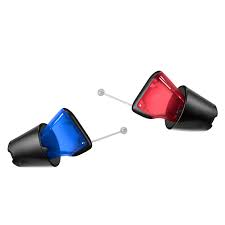
Categories
Health & Wellness Hearing Aids

Completely-in-Canal Hearing Aids: The Ultimate Guide

Last Updated on 23/12/2025 by Admin

Your Ultimate Resource for Completely-in-Canal Hearing Aids

Completely-in-Canal Hearing Aids Explained: What Are They?

Completely-in-canal hearing aids are a remarkable auditory solution, meticulously crafted to fit snugly within the ear canal. These sophisticated devices offer a compact and discreet option for individuals seeking effective hearing assistance. They are specifically designed to amplify sound, making them particularly beneficial for those experiencing mild to moderate hearing loss. The result is an enriched auditory experience, allowing users to engage more fully in various environments. Key attributes of these hearing aids include:

  • Custom fitting that ensures maximum comfort and effectiveness
  • Discreet design that reduces visibility due to their small dimensions
  • Natural sound quality enhanced by optimal positioning within the ear canal
  • Minimisation of wind noise, making them ideal for outdoor activities
  • Compatibility with a range of assistive listening technologies
  • Options for rechargeable batteries, providing convenience to users
  • Advanced sound processing technology that improves clarity
  • Secure fit, suitable for active lifestyles

The compact and unobtrusive nature of completely-in-canal hearing aids makes them an appealing choice for individuals who desire a subtle yet effective solution to their hearing challenges, allowing them to navigate daily life confidently and effortlessly.

How Do Completely-in-Canal Hearing Aids Operate?

Completely-in-canal hearing aids employ advanced sound amplification technology to effectively enhance auditory signals. Positioned deep within the ear canal, these devices harness the natural acoustics of the ear, ensuring that sound is processed closer to the eardrum. This strategic placement results in a more authentic auditory experience, capturing subtle sound details that larger devices might overlook. Each hearing aid is custom-moulded to fit the unique anatomy of the user’s ear, guaranteeing optimal comfort alongside superior sound quality.

Essentially, sound waves enter the device and are converted into electrical signals, which are then amplified and delivered directly into the ear canal. Many of these devices integrate cutting-edge features, including noise reduction, feedback management, and frequency tuning, significantly enhancing the listening experience in various settings, whether at home, in social gatherings, or during outdoor activities.

Uncover the Benefits of Using Completely-in-Canal Hearing Aids

The benefits of completely-in-canal hearing aids extend well beyond their discreet appearance. One of the most significant advantages is their <a href="https://www.earwaxremoval.net/hearing-aids-are-getting-smarter-with-enhanced-technology/">enhanced sound quality</a>. By positioning microphones closer to the eardrum, these devices provide a richer and more detailed auditory experience than their larger counterparts. This proximity not only improves sound clarity but also reduces wind noise and feedback, which can be particularly distracting in outdoor settings.

Moreover, the comfort offered by completely-in-canal hearing aids is exceptional. Their custom fit minimises irritation, enabling users to wear them comfortably throughout the day. The small size of the device contributes to a natural feel, making them especially appealing for first-time users who may be adjusting to hearing aids.

Additionally, the secure fit of these hearing aids makes them ideal for individuals with active lifestyles. Unlike larger hearing aids that may shift or fall out during physical activities, completely-in-canal options remain securely in place, allowing users to engage confidently in their daily routines without any concerns.

Who Can Benefit from Completely-in-Canal Hearing Aids?

Completely-in-canal hearing aids are particularly beneficial for adults experiencing mild to moderate hearing loss. Those in search of a discreet solution that seamlessly integrates into their lifestyle will find these devices highly suitable. For example, professionals in roles that require regular social interaction, such as teachers or sales representatives, can take advantage of their subtle design, enabling them to maintain a polished appearance while enhancing their hearing capabilities.

Additionally, individuals leading active lifestyles, including athletes and outdoor enthusiasts, will appreciate the comfort and secure fit that completely-in-canal devices provide. This design supports movement without the concern of dislodging or discomfort. Furthermore, younger users who wish to maintain a low profile while addressing their hearing challenges will find these aids particularly attractive.

Ultimately, the versatility of completely-in-canal hearing aids makes them a practical choice for a diverse range of users, allowing individuals to fully engage in everyday activities without feeling self-conscious about their hearing devices.

Crucial Maintenance and Care for Completely-in-Canal Hearing Aids

Proper maintenance of completely-in-canal hearing aids is essential to ensure their longevity and consistent performance. Regular cleaning and adherence to care guidelines are vital for optimising the functionality of these devices over time. Users should follow specific best practices, which include:

  • Daily cleaning of the device using a soft, dry cloth
  • Regular checks for wax buildup to prevent blockages
  • Employing a soft brush to clean microphones and prevent debris accumulation
  • Avoiding exposure to moisture by removing aids before activities like showering or swimming
  • Storing devices in a dry, secure case when not in use to prevent damage
  • Regularly replacing batteries or ensuring the device is charged to maintain performance
  • Scheduling professional check-ups for thorough cleaning and maintenance
  • Keeping the device away from extreme temperatures and humidity

By adhering to these maintenance practices, users can effectively care for their completely-in-canal hearing aids, ensuring a reliable listening experience for many years to come.

Expert Insights on Completely-in-Canal Hearing Aids

What Recommendations Do Audiologists Have for Completely-in-Canal Hearing Aids?

Audiologists frequently advocate for completely-in-canal hearing aids due to their unique combination of discretion and superior sound quality. These professionals emphasise the importance of personalised fitting, as an improper fit can lead to discomfort and reduced performance. They highlight that while these aids are highly effective for many users, they may not be suitable for everyone, especially those with more profound hearing losses or complex auditory needs.

A key recommendation from audiologists is the necessity of regular follow-ups to ensure the device is functioning optimally. For instance, a case study involving a 50-year-old user with mild hearing loss demonstrated that periodic adjustments not only enhanced comfort but also improved overall sound clarity. Audiologists also stress the importance of user education regarding maintenance and care, equipping users with the necessary knowledge to manage their devices effectively.

In summary, audiologists play a crucial role in guiding users through the selection and fitting process of completely-in-canal hearing aids, ensuring individuals receive tailored auditory solutions that best suit their unique needs.

How Can You Select the Perfect Completely-in-Canal Hearing Aid?

Selecting the right completely-in-canal hearing aid involves a holistic approach that considers individual hearing loss levels, lifestyle factors, and budget constraints. The first step is to undergo a professional hearing assessment, which provides insights into the specific type and degree of hearing loss. This assessment is crucial in guiding the audiologist to recommend the most suitable device options for each individual.

Potential users should also contemplate their daily environments and activities. For example, individuals who often find themselves in large social gatherings may benefit from hearing aids equipped with advanced noise reduction features. Conversely, those who primarily operate in quieter settings might prioritise comfort and basic amplification features.

Budget considerations are also critical, as completely-in-canal hearing aids can vary widely in price based on technology and capabilities. Users should engage in discussions regarding financing options with audiologists, as many providers offer payment plans or insurance coverage to make these devices more accessible.

Finally, users should explore trial periods offered by manufacturers, allowing them to experience the aids in real-life situations before committing fully. This hands-on experience can significantly enhance satisfaction and ensure the selected device meets the user’s specific auditory needs.

What Are the Latest Technological Advancements in Completely-in-Canal Hearing Aids?

The realm of completely-in-canal hearing aids has witnessed remarkable technological advancements in recent years, greatly enhancing the user experience. One of the most notable innovations is the improved sound processing capabilities, which allow these devices to adapt seamlessly to various auditory environments. This feature enables users to enjoy clearer sound quality, even in challenging situations, such as crowded restaurants or bustling outdoor events.

Wireless connectivity has emerged as another significant advancement, with many contemporary completely-in-canal hearing aids featuring Bluetooth compatibility. This connectivity allows users to link their hearing aids directly to smartphones, televisions, and other devices, facilitating a more integrated auditory experience. For instance, users can stream phone calls or music directly into their hearing aids, significantly enhancing overall convenience and functionality.

Rechargeable battery technology has also progressed, with numerous brands now offering long-lasting batteries that can be charged overnight. This innovation eliminates the hassle of frequent battery changes, promoting ease of use and sustainability for users.

As technology continues to evolve, completely-in-canal hearing aids are becoming increasingly sophisticated, offering users a combination of discretion, comfort, and advanced features that cater to a broad spectrum of hearing needs.

The Benefits of Completely-in-Canal Hearing Aids Unpacked

How Do Completely-in-Canal Hearing Aids Improve Sound Quality?

The distinctive design of completely-in-canal hearing aids significantly enhances sound quality, primarily due to their strategic location within the ear canal. By positioning the microphone closer to the eardrum, these devices provide a more natural sound experience, allowing users to perceive sounds in a way that mimics natural hearing. This proximity reduces sound distortion and enhances clarity, making conversations and ambient noises more intelligible.

Moreover, completely-in-canal hearing aids effectively minimise wind noise, a common nuisance for users of larger hearing aids. The snug fit within the ear canal protects the microphones from wind interference, resulting in clearer listening experiences outdoors. This feature is especially beneficial for individuals who enjoy outdoor activities or live in windy areas.

The advanced signal processing technology embedded in these aids further elevates sound quality. Many models offer multiple listening programs that can be adjusted based on the surrounding environment, allowing users to personalise their listening experience. This adaptability ensures smooth transitions from quiet indoor settings to bustling outdoor spaces without sacrificing sound fidelity.

In summary, completely-in-canal hearing aids significantly enhance sound quality, providing users with a richer, more natural auditory experience that improves daily communication and environmental awareness.

What Comfort Benefits Do Completely-in-Canal Hearing Aids Offer?

The comfort advantages of completely-in-canal hearing aids rank among their most appealing features. Specifically engineered to fit snugly within the ear canal, these aids are constructed from soft, medical-grade materials that minimise the risk of irritation. Achieving a custom fit is essential; it guarantees that users can wear their devices for extended periods without discomfort, a critical factor for individuals who rely on hearing aids throughout the day.

Additionally, the design contributes to the overall ergonomics of the device. Their small size allows for a more natural feel within the ear, eliminating the bulk that users may experience with larger models. This feature is particularly advantageous for active individuals or those seeking a discreet option that seamlessly integrates into their lifestyle.

Furthermore, the deep placement of completely-in-canal hearing aids helps stabilise the device during movement, reducing the likelihood of it shifting or becoming dislodged—a common concern with larger hearing aids. This stability is crucial for users engaged in physical activities or sports, allowing them to participate fully without the anxiety of losing their hearing aids.

In conclusion, completely-in-canal hearing aids excel in comfort, providing a secure and unobtrusive fit that allows users to engage in their daily lives with confidence and ease.

How Do Completely-in-Canal Hearing Aids Maintain Discretion?

One of the standout features of completely-in-canal hearing aids is their exceptional discretion. These devices are nearly invisible when worn, making them an ideal choice for users who prioritise aesthetics alongside functionality. Their design allows them to sit deep within the ear canal, effectively camouflaging them against the ear’s natural contours.

This level of discretion is particularly beneficial in social situations, where users may feel self-conscious about wearing visible hearing aids. The ability to communicate without drawing attention to one’s hearing loss can significantly boost confidence, allowing individuals to participate more fully in conversations and social interactions.

Importantly, this subtle design does not compromise performance. Completely-in-canal hearing aids provide high-quality sound amplification while remaining discreet, ensuring users can enjoy an enhanced auditory experience without feeling exposed. This balance between functionality and aesthetics is a primary reason why many users prefer completely-in-canal solutions over larger, more visible alternatives.

Ultimately, completely-in-canal hearing aids empower users to manage their hearing loss effectively while maintaining a natural and confident appearance in various social contexts.

Research-Validated Benefits of Completely-in-Canal Hearing Aids

What Does Research Indicate About User Satisfaction with Completely-in-Canal Hearing Aids?

Research consistently shows high levels of user satisfaction associated with completely-in-canal hearing aids. Studies indicate that users frequently report significant improvements in their quality of life, stemming from enhanced communication abilities and stronger relationships with family and friends. Key factors contributing to this satisfaction include comfort, sound quality, and discreet design.

In one comprehensive study, participants noted increased social engagement and reduced feelings of isolation after adopting completely-in-canal hearing aids. The discreet design of these devices allowed users to navigate social settings without self-consciousness, facilitating more natural interactions. Furthermore, participants reported heightened confidence in both personal and professional environments, underscoring the profound impact that effective hearing solutions can have on overall well-being.

Expert analysis reinforces that completely-in-canal hearing aids are particularly effective for individuals experiencing mild to moderate hearing loss, as they provide the necessary amplification without being intrusive. This combination of factors enhances user satisfaction across various demographics, establishing these aids as a popular choice worldwide.

How Do Completely-in-Canal Hearing Aids Influence Hearing Health?

Completely-in-canal hearing aids play a crucial role in promoting hearing health by delivering essential amplification that helps prevent further hearing loss. By effectively amplifying sounds, these devices encourage regular use and engagement with auditory stimuli, which is vital for maintaining cognitive function and overall auditory health.

Users who consistently wear their hearing aids are less likely to experience auditory deprivation, a common issue among individuals with untreated hearing loss. Studies have shown that untreated hearing loss can lead to cognitive decline and social withdrawal, highlighting the importance of proactive hearing management. By providing necessary amplification, completely-in-canal hearing aids mitigate these risks, fostering better hearing health outcomes.

Furthermore, the discreet design encourages consistent use, as users are less likely to feel self-conscious about wearing them. This ongoing engagement with sound not only supports mental acuity but also enhances interpersonal relationships and social interaction, further contributing to a healthier lifestyle.

In summary, completely-in-canal hearing aids significantly impact hearing health by promoting regular use, preventing the progression of hearing loss, and encouraging users to remain socially active.

What Long-Term Advantages Can Users Expect from Completely-in-Canal Hearing Aids?

Long-term use of completely-in-canal hearing aids offers numerous benefits that extend beyond mere sound amplification. Users often report an enhanced quality of life through improved communication skills, fostering stronger relationships with family, friends, and colleagues. The ability to hear more clearly facilitates deeper conversations and a more enriching social life, reducing feelings of isolation that often accompany hearing loss.

Additionally, consistent use of hearing aids has been linked to better mental health outcomes. Studies reveal that individuals who effectively manage their hearing loss through devices like completely-in-canal hearing aids experience lower rates of depression and anxiety. By enabling social connections and engagement, these aids contribute to a more positive mental state.

Moreover, users frequently express an increase in overall confidence. With improved hearing, they are less likely to hesitate or withdraw in social situations due to communication difficulties. This newfound confidence can lead to greater participation in activities and events, significantly enriching their lives.

Ultimately, completely-in-canal hearing aids not only enhance auditory experiences but also promote a healthier, more connected lifestyle over the long term.

Key Maintenance Techniques for Completely-in-Canal Hearing Aids

What Daily Maintenance Is Essential for Completely-in-Canal Hearing Aids?

Daily maintenance of completely-in-canal hearing aids is crucial to ensuring their functionality and longevity. Users should establish a consistent cleaning routine to prevent debris and wax buildup that can interfere with sound quality. Essential daily tasks include:

  • Cleaning the outer surface of the device with a soft, dry cloth
  • Checking for wax accumulation in the microphone and receiver areas
  • Using a soft brush to eliminate any accumulated debris
  • Ensuring the battery compartment is free from moisture and corrosion
  • Storing hearing aids in a designated case to avoid damage
  • Regularly replacing or recharging batteries as necessary
  • Avoiding exposure to water or extreme humidity
  • Removing the aids before showering, swimming, or exercising

By implementing these daily maintenance practices, users can not only enhance the performance of their completely-in-canal hearing aids but also prolong their lifespan. Taking proactive steps will ensure that users enjoy optimal hearing experiences without the worry of malfunction or deterioration over time.

How Often Should You Schedule Professional Servicing for Completely-in-Canal Hearing Aids?

Professional servicing of completely-in-canal hearing aids is essential for maintaining their performance and reliability. Experts recommend scheduling check-ups every six to twelve months, depending on usage patterns and the manufacturer’s guidelines. Regular servicing allows for comprehensive cleaning, adjustments, and maintenance checks that users may not be able to perform independently.

During these appointments, audiologists evaluate the device for signs of wear, assess battery performance, and ensure that the fittings remain comfortable and effective. This proactive strategy helps to identify potential issues early, preventing more significant problems in the future.

Moreover, professional servicing provides an opportunity for users to receive updates on new technology or features that might enhance their hearing experience. Audiologists can offer personalised recommendations based on the user’s evolving needs, ensuring that the hearing aids continue to meet their specific requirements.

In conclusion, regular professional servicing is crucial for the longevity and effectiveness of completely-in-canal hearing aids, enabling users to maintain optimal auditory health.

What Common Issues May Arise with Completely-in-Canal Hearing Aids and How Can They Be Resolved?

Despite their numerous advantages, completely-in-canal hearing aids can encounter common issues that may impact their performance. Users should be aware of these potential challenges and their respective solutions to maintain optimal functionality. A prevalent issue is wax buildup, which can obstruct sound transmission. Routine cleaning with a soft brush and regular checks for blockages can effectively address this problem.

Moisture damage is another concern, especially in humid environments. Users should avoid exposing their hearing aids to water and ensure they are stored in a dry location. Employing moisture-absorbing products or desiccant containers can help protect against humidity-related issues.

Battery-related problems may also occur, with users experiencing shorter-than-expected battery life or difficulties in charging. Regular battery replacements and ensuring proper connections can solve these issues. If problems persist, seeking professional assistance to evaluate the device’s performance and replace faulty components is advisable.

By understanding these common challenges and implementing effective solutions, users can ensure their completely-in-canal hearing aids remain functional and reliable over time.

Strategies for Optimising Completely-in-Canal Hearing Aids

What Best Practices Should Be Followed for Fitting Completely-in-Canal Hearing Aids?

Achieving the optimal fit for completely-in-canal hearing aids is critical for both comfort and effectiveness. Best practices for fitting these devices include:

  • Obtaining professional ear impressions to ensure accurate mould creation
  • Allowing for personalised adjustments during the fitting process for enhanced comfort
  • Conducting thorough consultations to understand user preferences and requirements
  • Scheduling follow-up appointments to assess fit and comfort over time

Collaborating closely with audiologists throughout the fitting process ensures that users receive devices tailored to their unique ear anatomy and hearing needs. This personalised approach maximises both comfort and effectiveness, ultimately enhancing overall user satisfaction.

How to Maximise the Performance of Completely-in-Canal Hearing Aids?

Maximising the performance of completely-in-canal hearing aids involves a combination of regular maintenance, appropriate settings, and user education. Firstly, adhering to a routine cleaning schedule is essential for sustaining sound quality and preventing issues related to wax buildup and moisture. Users should also familiarise themselves with the various settings available on their hearing aids, adjusting them according to the environment—whether quiet, noisy, or outdoors—to achieve the best auditory experience.

Furthermore, following manufacturer guidelines concerning battery care and storage can significantly enhance device longevity. Users should proactively attend regular check-ups with their audiologists, who can provide insights on optimising performance based on individual usage patterns and preferences.

By implementing these strategies, users can ensure their completely-in-canal hearing aids function at peak performance, significantly enhancing their overall auditory experience.

What Expert Recommendations Exist for Using Completely-in-Canal Hearing Aids?

Experts recommend several best practices to maximise the benefits of completely-in-canal hearing aids. Users should prioritise regular and consistent use to acclimate themselves to the devices and improve auditory processing. Familiarising oneself with device settings and environmental adjustments can markedly enhance the listening experience.

Proper maintenance is another critical component. Users should diligently adhere to daily care routines, including cleaning and battery checks, to ensure continued functionality. Additionally, experts encourage users to stay informed about advancements in hearing aid technology, as newer features may further enhance their auditory experience.

Finally, maintaining open communication with audiologists is vital. Regular consultations ensure users receive tailored advice and ongoing support, addressing any concerns or adjustments needed as their hearing needs evolve over time.

By following these expert recommendations, users can maximise the effectiveness and longevity of their completely-in-canal hearing aids.

What Common Challenges and Solutions Exist for Completely-in-Canal Hearing Aids?

Users of completely-in-canal hearing aids may encounter several common challenges, but effective solutions are readily available. Feedback issues, often arising from improper fitting or wax buildup, can be addressed through regular cleaning and professional adjustments. Users should ensure their hearing aids are correctly positioned in their ears to avoid feedback loops.

Battery life can also be a concern, particularly for devices that rely on traditional batteries. Users can opt for rechargeable models, which often provide longer-lasting power. Additionally, being mindful of usage patterns can help users manage battery life more effectively.

Moisture damage is another challenge, especially in humid climates. Implementing moisture protection strategies, such as desiccant containers or moisture-absorbing packets, can help safeguard hearing aids from humidity-related issues.

By recognising potential challenges and employing practical solutions, users can enhance their experience with completely-in-canal hearing aids, ensuring reliable performance over time.

Looking Ahead: The Future of Completely-in-Canal Hearing Aids

What Innovations Are on the Horizon for Completely-in-Canal Hearing Aids?

The future of completely-in-canal hearing aids is poised for exciting innovations that will further enhance user experience. Anticipated advancements may include even smaller designs that provide greater comfort and discretion within the ear canal, along with improved battery technology that extends wear time and reduces the frequency of charging.

Additionally, enhanced connectivity features, such as integration with smart home devices and wearable technology, are expected to become more prevalent. These innovations will empower users with greater control over their auditory experiences and facilitate seamless interactions with their environments.

As technology continues to advance, completely-in-canal hearing aids will likely incorporate adaptive algorithms that learn user preferences over time, automatically optimising sound processing based on the user’s environment.

How Will Design Evolve for Completely-in-Canal Hearing Aids?

The evolution of completely-in-canal hearing aid design will emphasise enhancing comfort, aesthetics, and functionality. Expected advancements may involve the use of innovative materials that promote durability while remaining lightweight and comfortable. Manufacturers are likely to explore customizable designs, allowing users to select colours and finishes that reflect their personal styles.

Ergonomic shapes may also gain prominence, ensuring a snug fit that enhances comfort and stability during daily activities. As these designs progress, users can anticipate devices that not only fulfil their hearing needs but also align with their lifestyle preferences.

Ultimately, the future design of completely-in-canal hearing aids will prioritise user satisfaction, ensuring that aesthetics and functionality are seamlessly integrated.

What Role Will Completely-in-Canal Hearing Aids Play in Future Hearing Health Management?

Completely-in-canal hearing aids are set to play a crucial role in the future of hearing health, particularly in early intervention and prevention strategies for hearing loss. Their discreet design encourages prompt adoption among individuals facing hearing challenges, which is essential for mitigating the effects of auditory deprivation.

As hearing technology continues to evolve, completely-in-canal hearing aids will likely incorporate features that promote proactive auditory health management. These may include personalised auditory training programmes and real-time feedback on hearing capabilities, empowering users to take charge of their hearing health.

In summary, completely-in-canal hearing aids will remain a vital tool in effectively managing hearing loss, assisting users in maintaining their auditory health while fostering greater social engagement and overall well-being.

Frequently Asked Questions About Completely-in-Canal Hearing Aids

How long is the typical lifespan of completely-in-canal hearing aids?

Completely-in-canal hearing aids can last between 3 to 7 years, depending on factors such as usage, maintenance, and advancements in technology.

Can I wear completely-in-canal hearing aids while exercising?

Yes, completely-in-canal hearing aids are designed to stay securely in place during physical activities, making them suitable for exercise as long as they are properly fitted.

Are completely-in-canal hearing aids appropriate for severe hearing loss?

Generally, completely-in-canal hearing aids are best suited for individuals with mild to moderate hearing loss. Those with severe hearing loss typically require larger devices for adequate amplification.

How can I determine if completely-in-canal hearing aids are the right choice for me?

Consulting with an audiologist is crucial. They will assess your level of hearing loss and lifestyle to determine if completely-in-canal aids are suitable for your needs.

What should I do if my completely-in-canal hearing aids cause discomfort?

If you experience discomfort, consult your audiologist for adjustments. Achieving the right fit is essential for comfort and performance with hearing aids.

Do completely-in-canal hearing aids come with a warranty?

Yes, most manufacturers provide warranties that cover defects and performance issues, typically ranging from one to three years.

Can I connect my completely-in-canal hearing aids to my smartphone?

Many modern completely-in-canal hearing aids offer Bluetooth connectivity, allowing users to connect directly to smartphones for audio streaming.

How should I clean my completely-in-canal hearing aids?

Clean your devices daily using a soft, dry cloth, check for wax buildup, and follow manufacturer instructions for thorough cleaning.

What steps should I take if my completely-in-canal hearing aids are not functioning?

First, check the battery status or charging. If issues persist, consult your audiologist for troubleshooting and potential repairs.

Are there lifestyle factors that could affect the performance of completely-in-canal hearing aids?

Yes, factors such as exposure to moisture, excessive wax buildup, and ear infections can impact the performance of completely-in-canal hearing aids. Regular maintenance is vital.

Explore our world on X!

The post Completely-in-Canal Hearing Aids: Your Essential Guide appeared first on The Microsuction Ear Wax Removal Network.

Categories
Health & Wellness Hearing Aids

Hearing Aids Enhance Confidence: Essential Insights for All

Last Updated on 22/12/2025 by Admin

Understanding the Significant Impact of Hearing Loss on Everyday Life

How Does Hearing Loss Change Daily Communication and Social Engagement?

Experiencing hearing loss is not merely a technical issue; it introduces considerable obstacles to communication and social interaction, which can drastically alter one’s daily life. Individuals with hearing impairment often face numerous challenges that can severely lower their quality of life. The difficulty of engaging in conversations can lead to frustration and a deep sense of loneliness. When communication becomes problematic—especially in group settings—individuals may retreat socially, resulting in a diminished sense of belonging. Furthermore, the struggle with hearing can cause embarrassment in social situations, which drastically impacts their confidence and self-worth.

Individuals coping with hearing loss encounter several common challenges in their daily lives, including:

  • Difficulty following conversations, especially in loud settings.
  • Challenges in hearing during phone calls or video chats.
  • Constantly asking others to repeat themselves, which can be mentally exhausting.
  • Feelings of exclusion during group discussions or social events.
  • Fatigue from concentrating intensely on listening.
  • Struggles to comprehend television shows or music, often requiring increased volume.
  • Inability to hear alarms or essential signals in their environment.
  • Growing reliance on others for communication assistance.

These issues can contribute to a decline in self-esteem and overall mental health, emphasising the urgent need to address hearing loss through effective solutions and advanced technologies.

The Emotional and Psychological Ramifications of Hearing Impairment

The emotional and psychological implications of hearing impairment are profound, impacting not only an individual’s self-perception but also their overall mental health. Those with hearing loss often endure a significant sense of loss, encompassing the loss of autonomy, social connections, and personal value. This emotional strain can exacerbate feelings of anxiety and depression. The ongoing challenge of effective communication can cultivate a persistent feeling of inadequacy, as individuals wrestle with fears of social rejection and mockery.

The well-established link between hearing loss and mental health issues is widely acknowledged. Individuals who struggle to engage in conversations or interpret social cues are at a heightened risk of isolation, which can prompt a further withdrawal from social interactions. Nonetheless, with appropriate emotional and technological support—such as hearing aids—these detrimental emotions can be alleviated. Hearing devices can significantly bridge communication gaps, fostering a renewed sense of belonging and improving self-esteem. As individuals acquire the tools they need to interact meaningfully with their environment, their overall life satisfaction tends to experience remarkable improvements.

What Are the Most Common Early Signs of Hearing Loss?

Identifying the early indicators of hearing loss is crucial for timely intervention and support. Early detection can markedly influence the management of hearing impairment, thereby enhancing an individual’s overall quality of life. Common early signs include difficulties in understanding speech, particularly in group environments or amidst background noise. People may find themselves frequently requesting others to repeat themselves or noticing a growing need to raise the volume on their televisions or audio devices.

Other notable early warning signs may include:

  • Perceiving others as mumbling or speaking too quietly.
  • Experiencing tinnitus, which presents as ringing or buzzing in the ears.
  • Straining to hear conversations, resulting in both physical and mental exhaustion.
  • Withdrawing from social activities due to communication challenges.
  • Finding it difficult to determine the direction of sounds.
  • Struggling to hear in crowded or noisy settings.
  • Misunderstanding words or phrases, leading to confusion.
  • Relying more heavily on lip-reading to comprehend speech.

By recognising these early signs, individuals can pursue appropriate assessments and interventions, including hearing aids that may restore auditory function and significantly improve their overall quality of life.

Insights from Experts on the Role of Hearing Aids in Boosting Self-Confidence

How Do Hearing Aids Foster Enhanced Self-Esteem?

Hearing aids are instrumental in boosting self-esteem for individuals managing hearing loss. By improving auditory capabilities, hearing aids facilitate enhanced communication, which is essential for active engagement in social interactions. This newfound ability to participate in conversations diminishes the stress and anxiety typically associated with hearing impairment. Many users express a substantial increase in confidence when they can hear and partake in social exchanges without the constant need to ask for repetition or clarification.

To fully harness the benefits of hearing aids, users can implement practical strategies, such as:

  • Wearing hearing aids consistently to adjust to the enriched sound environment.
  • Engaging in conversations with family and friends to practice and improve listening skills.
  • Utilising smartphone applications that are designed to optimise hearing aid functionality.
  • Joining support groups for hearing aid users to share insights and personal experiences.

By adopting these actionable strategies, individuals can cultivate a positive self-image and reclaim their social presence, ultimately leading to enhanced self-esteem.

How Does Advanced Technology Boost Confidence via Hearing Aids?

Contemporary hearing aids incorporate state-of-the-art technology to amplify user experience and bolster confidence. No longer limited to basic sound amplification, today’s hearing aids feature noise-filtering capabilities, the ability to focus on specific sounds, and seamless connectivity with smartphones for audio streaming. This level of control allows users to tailor their hearing experiences to suit diverse environments, whether engaging in a quiet conversation at home or participating in a lively gathering with friends.

The customisation options available in hearing aids significantly enhance users’ confidence. Features such as directional microphones improve sound quality, promoting clearer communication. Additionally, many hearing aids now include Bluetooth connectivity, which facilitates smoother interactions with devices and reduces everyday communication barriers. The integration of artificial intelligence (AI) enables automatic adjustment of sound settings based on the user’s surroundings, ensuring they remain engaged without needing constant manual adjustments.

What Insights Do Experts Share Regarding Hearing Aids and User Confidence?

Professionals in the fields of audiology and psychology unanimously agree that hearing aids greatly enhance users’ confidence. Research consistently demonstrates a robust correlation between improved auditory function and increased social engagement. Individuals who utilise hearing aids frequently report feeling more connected to their surroundings and more active in their social lives. Numerous real-life accounts illustrate transformative experiences following the adoption of hearing aids.

For example, one user shared how social events became intimidating due to their hearing loss. After obtaining hearing aids, they felt empowered to re-enter social settings, engage in conversations, and even lead discussions. This newfound confidence not only revitalised their social life but also positively impacted their personal relationships. Experts highlight that effective communication skills translate directly into increased self-assurance. By enabling better interactions, hearing aids serve as crucial instruments for fostering confidence among users.

How Can Hearing Aids Help Alleviate Social Anxiety?

Hearing aids play a vital role in assisting individuals in overcoming social anxiety, which is often heightened by communication difficulties. The inability to hear clearly can foster feelings of inadequacy and reluctance to engage with others, creating a negative cycle of isolation. However, with the support of hearing devices, users can regain the ability to participate actively in conversations, allowing them to feel more secure in social environments.

The reduction of social anxiety becomes apparent when individuals no longer struggle to comprehend spoken words or feel embarrassed when asking others to repeat themselves. For many, wearing hearing aids can be a transformative milestone. With improved listening abilities, users often find themselves engaging more freely, initiating conversations, and forming new friendships. Enhanced communication nurtures a sense of belonging and community, which is essential for building confidence. The liberation from anxiety associated with hearing loss frequently leads to a more fulfilling social life, enriching personal connections and experiences.

The Social Benefits of Using Hearing Aids

How Do Hearing Aids Enhance Communication in Social Settings?

Hearing aids significantly improve communication in social environments, transforming interactions for those experiencing hearing loss. The ability to hear clearly can dramatically change the experience, enabling users to immerse themselves fully in conversations without feeling overwhelmed or excluded. Enhanced auditory function paves the way for more meaningful exchanges, whether in intimate gatherings or larger social events.

With hearing aids, users can effortlessly follow discussions, contribute their thoughts, and respond appropriately. This not only boosts their confidence but also enriches the social experience for everyone involved. Enhanced communication fosters stronger bonds, allowing individuals to share stories, jokes, and insights without the barriers that hearing loss often introduces. As users become more comfortable in social settings, they are also more likely to seek out opportunities to socialise, further elevating their quality of life.

What Are the Primary Benefits of Hearing Aids in Group Settings?

In group environments, hearing aids provide significant advantages that make socialising more enjoyable and less taxing. For individuals with hearing loss, the challenge of navigating multiple conversations in a noisy atmosphere can feel overwhelming. Hearing aids equipped with directional microphones and noise-cancellation features empower users to focus on the primary speaker while diminishing distracting background sounds, enhancing clarity of comprehension and participation.

Some of the key benefits of using hearing aids in group settings include:

  • Improved understanding of conversations, leading to fewer misunderstandings.
  • Increased engagement and willingness to contribute to discussions.
  • Reduced fatigue from straining to hear, allowing for longer participation.
  • Greater enjoyment of social events, resulting in more frequent outings.
  • Enhanced ability to connect with multiple people simultaneously.
  • Improved confidence in navigating social dynamics.
  • Strengthened relationships due to better communication.
  • Overall enhancement of the social experience for users and their peers.

These benefits not only elevate immediate social interactions but also foster long-term relationships and connections, underscoring the essential role of hearing aids in daily life.

How Do Hearing Aids Cultivate Stronger Social Bonds?

Hearing aids are crucial in nurturing stronger social connections, which are vital for emotional well-being. Communication is the cornerstone of relationships; when hearing loss disrupts this, individuals may feel isolated and disconnected. Hearing aids help bridge this gap by enabling users to engage more fully with friends, family, and colleagues.

By enhancing the ability to hear and comprehend, hearing aids facilitate deeper interactions and more meaningful conversations. Users often find themselves re-establishing connections that may have dwindled due to communication barriers. The confidence gained from improved hearing encourages increased participation in group activities and community events, thereby fortifying social ties. As individuals communicate more freely, they are likely to experience improved emotional health and overall satisfaction in life.

Research-Based Insights on How Hearing Aids Boost Confidence

What Does Research Indicate About the Link Between Hearing Aids and Confidence?

Research exploring the effects of hearing aids on confidence reveals compelling evidence of their positive impact. Studies indicate that individuals who use hearing aids report heightened levels of self-esteem and confidence. The ability to hear well in social contexts correlates with increased social participation and a better overall quality of life.

Expert analysis suggests that enhanced communication capabilities correlate directly with elevated confidence levels. By addressing the challenges associated with hearing loss, hearing aids enable users to engage in conversations, participate in group activities, and forge strong social bonds. The transformation can be striking, with users describing their experiences as life-changing. Studies consistently highlight that the confidence gained from effective communication not only enhances social interactions but also supports improved mental health.

What Are the Long-Term Benefits of Using Hearing Aids?

Long-term use of hearing aids is associated with sustained enhancements in confidence and overall quality of life. Many users experience profound changes not only in their ability to communicate but also in their emotional and psychological well-being. Over time, regular use of hearing aids helps individuals maintain their social connections and actively engage in community life, thereby reducing the risk of loneliness and depression.

Research suggests that hearing aid users frequently report higher satisfaction across various life domains, including personal relationships and professional engagements. Long-term benefits encompass improved mental health, increased social integration, and a stronger sense of belonging. By empowering users to engage more fully with their surroundings, hearing aids facilitate a journey towards self-empowerment and lasting confidence that can endure a lifetime.

How Do Hearing Aids Influence Mental Health?

The impact of hearing aids on mental health is predominantly positive. By alleviating the challenges associated with hearing loss, these devices help reduce the psychological strain often linked to auditory impairment. Users commonly report decreased feelings of anxiety and depression, as enhanced hearing capabilities enable them to engage more fully in social situations.

Improved communication nurtures a sense of connection and belonging, which are critical aspects of emotional health. Users frequently notice improvements in their mood as they can engage in conversations without the stress of misunderstandings or feelings of exclusion. Hearing aids can also support better cognitive function by keeping users mentally engaged and socially active. The cumulative effect of these benefits leads to enhanced overall mental health, underscoring the intrinsic link between hearing and well-being.

How Do Hearing Aids Encourage Social Participation?

Hearing aids significantly enhance social participation, allowing users to engage actively in conversations and social activities. The ability to hear well fosters connections with others, creating opportunities for meaningful interactions. As users gain confidence in their communication abilities, they are more inclined to take part in social situations, further enriching their lives.

The improved capacity to follow conversations leads to increased participation and diminishes feelings of isolation. Users often find themselves initiating interactions, attending more social events, and forming new friendships. This active engagement contributes positively to their overall life satisfaction and confidence. As social connections strengthen, users experience a deeper sense of belonging, which is essential for emotional well-being and personal fulfilment.

The Role of Hearing Aids in Professional Settings

How Do Hearing Aids Enhance Workplace Communication?

In professional environments, hearing aids are crucial for bolstering workplace communication. Optimal auditory function enables employees to fully engage in meetings, collaborate effectively with colleagues, and comprehend vital information shared in various formats. Clear communication is essential for job performance and career progression, making quality hearing an invaluable asset in the workforce.

By facilitating improved communication, hearing aids contribute to a more inclusive work atmosphere. Employees with hearing loss can confidently share their ideas, participate in discussions, and contribute to team success. This not only boosts individual confidence but also enhances overall workplace morale. When employees communicate effectively, productivity increases, leading to a more harmonious and efficient workplace.

What Are the Key Advantages of Hearing Aids for Professionals?

Professionals who utilise hearing aids often report numerous benefits that positively influence their careers. Enhanced communication skills lead to increased job satisfaction, improved performance, and heightened confidence in their roles. Some key advantages for professionals using hearing aids include:

  • Enhanced ability to follow conversations during meetings.
  • Stronger relationships with colleagues and clients.
  • Greater clarity in understanding instructions and feedback.
  • Increased participation in networking opportunities.
  • Boosted confidence in public speaking and presentations.
  • Heightened awareness of critical sounds or alerts in the workplace.
  • Reduced stress stemming from communication barriers.
  • Overall enhancement of job satisfaction and career progression.

These benefits not only improve the immediate work experience but also contribute to long-term career success.

How Do Hearing Aids Facilitate Career Growth?

Hearing aids can significantly impact career advancement by improving communication and boosting confidence. In today’s fast-paced work environment, effective communication is vital for professional development. Individuals using hearing aids often find it easier to engage in discussions, share innovative ideas, and collaborate on projects, all of which are critical for career progression.

With enhanced listening capabilities, employees can navigate complex social dynamics more proficiently, leading to better relationships with peers and supervisors. This increased engagement often results in recognition for their contributions, opening doors to promotions and new opportunities. As confidence builds, individuals become more inclined to assume leadership roles or participate in initiatives that demonstrate their skills, ultimately paving the way for a successful career.

How Do Hearing Aids Enhance Meeting Participation?

Hearing aids significantly improve participation and understanding during professional meetings. For those with hearing loss, meetings can often be intimidating due to challenging acoustics and multiple speakers. However, with the aid of hearing devices, users can follow discussions more easily, ensuring they remain engaged and informed during crucial conversations.

The ability to hear clearly in meetings facilitates more effective collaboration and decision-making. Users are better equipped to contribute their insights, leading to richer discussions and more innovative solutions. Moreover, the confidence gained from effective communication fosters a culture of inclusivity within teams. As all members feel acknowledged and valued, overall productivity and morale within the workplace improve, creating a positive environment for growth.

How Do Hearing Aids Enhance Workplace Safety?

For professionals operating in noisy or hazardous environments, hearing aids can enhance safety by improving the ability to hear warnings and communicate effectively with colleagues. Situational awareness is crucial in such settings, and clear hearing is essential for responding adequately to potential dangers.

Hearing aids equipped with advanced noise-cancellation features allow users to focus on critical sounds, such as alarms or instructions from supervisors, while minimising distracting background noise. This heightened awareness can prevent accidents and ensure a safer workplace for all. Additionally, improved communication among team members fosters better coordination and a more cohesive work environment, ultimately contributing to overall workplace safety.

How Hearing Aids Strengthen Personal Relationships

How Do Hearing Aids Enhance Family Bonds?

Hearing aids can significantly strengthen family connections by enhancing communication among family members. Effective communication is fundamental to nurturing healthy relationships, and hearing aids empower individuals with hearing loss to engage more fully with their loved ones. Clearer hearing facilitates deeper conversations, shared experiences, and emotional connections that are vital for fostering familial ties.

With the ability to participate actively in discussions, family members often feel more connected and valued. This improved communication cultivates an environment where individuals can express their thoughts and emotions freely, leading to stronger relationships. As users gain confidence in their communication abilities, they are more likely to partake in family activities, creating lasting memories and reinforcing their bonds.

What Role Do Hearing Aids Play in Romantic Relationships?

In romantic partnerships, hearing aids are essential for fostering better communication and understanding, which enhances intimacy and connection between partners. Couples often confront unique challenges when one partner experiences hearing loss, leading to misunderstandings and frustration. However, hearing aids can help alleviate these barriers, facilitating more meaningful interactions.

Enhanced hearing capabilities enable individuals to engage in heartfelt conversations and share experiences with their partners. This increased connection fosters closeness and understanding, both of which are crucial for maintaining romantic relationships. As couples navigate their lives together, the confidence gained from effective communication can lead to a more fulfilling and harmonious partnership.

How Do Hearing Aids Improve Friendships Through Enhanced Communication?

Friendships are essential for emotional support and confidence, and hearing aids can strengthen these relationships by improving communication abilities. Friends often share experiences, laughter, and mutual support; when hearing loss disrupts these interactions, it can lead to feelings of isolation. Hearing aids help bridge this gap by enabling clearer communication, fostering stronger connections among friends.

As individuals with hearing loss can engage more easily in conversations, they are more likely to initiate and sustain friendships. The confidence derived from improved hearing allows users to participate in social activities and gatherings, enriching their lives and expanding their social circles. These deeper friendships positively contribute to emotional well-being, highlighting the significance of hearing aids in personal relationships.

Proven Strategies for Maximising the Confidence Boost from Hearing Aids

How to Select the Ideal Hearing Aid for Your Specific Needs

Choosing the right hearing aid is vital for maximising its effectiveness and enhancing the user’s confidence. Different types of hearing aids feature a variety of functionalities, and understanding these options can lead to a better match for individual requirements. Key factors to consider when selecting a hearing aid include:

  • The type and severity of hearing loss.
  • Your preferred style (e.g., behind-the-ear, in-the-ear, or completely-in-canal).
  • Battery types—disposable versus rechargeable options.
  • Advanced features like Bluetooth connectivity and noise cancellation.
  • Comfort and ease of use.
  • Adjustability for varying listening environments.
  • Consultation with a hearing healthcare professional.
  • Budget considerations and the availability of insurance coverage.

Taking these factors into account can lead to a more personalised experience, ultimately enhancing the user’s confidence and satisfaction with their hearing aids.

How Can Users Maximise the Benefits of Their Hearing Aids?

To fully optimise the advantages of hearing aids, users should commit to consistent use and proper maintenance. Regular wear allows individuals to acclimatise to improved hearing, fostering confidence in various situations. Routine cleaning and maintenance are also essential for ensuring optimal performance. Seeking professional adjustments when necessary can further enhance the user experience.

Practical steps for maximising hearing aid benefits include:

  • Wearing hearing aids daily to adapt to different environments.
  • Regularly scheduling follow-up appointments with audiologists.
  • Utilising assistive listening devices in challenging situations.
  • Practising active listening skills with friends and family.
  • Staying informed about the latest hearing aid technology and features.
  • Joining support groups for shared experiences and valuable tips.
  • Educating family and friends on how to communicate effectively with hearing aid users.
  • Maintaining a positive attitude towards hearing loss and device use.

By following these strategies, users can optimise their hearing aid experience and enhance their overall confidence.

What Techniques Can Aid in Adjusting to Hearing Aids?

Adjusting to hearing aids may require time, and employing effective techniques can facilitate this transition. Successful adjustment involves gradual exposure to different sound environments and practising listening skills. Additionally, seeking support from professionals and peers can provide invaluable guidance during this process.

Effective techniques for acclimatising to hearing aids include:

  • Starting with shorter periods of use and gradually increasing wearing time.
  • Practising conversations in quieter settings before moving to noisier environments.
  • Utilising hearing aids in familiar surroundings to build confidence.
  • Understanding the device settings and functionalities through user manuals or audiologist guidance.
  • Engaging in activities that focus on listening, such as music or audiobooks.
  • Encouraging feedback from friends and family regarding sound quality and clarity.
  • Using mobile applications designed to enhance hearing aid performance.
  • Maintaining open communication with audiologists for ongoing support.

These techniques can help users adjust to their hearing aids more comfortably, leading to improved confidence and social engagement.

The Future of Hearing Aids and Their Role in Enhancing Confidence

What Innovations Are Influencing Hearing Aid Technology?

Advancements in hearing aid technology are continually improving user experiences and bolstering confidence. Manufacturers are consistently innovating their products to offer more personalised and effective solutions. Innovations such as artificial intelligence, machine learning, and miniaturisation are making hearing aids more user-friendly and accessible.

These developments facilitate superior sound quality and customisation, enabling users to adapt their hearing aids to various environments seamlessly. Emerging technologies, including smartphone integration and real-time sound processing, further empower users to control their hearing experiences. As hearing aids become increasingly sophisticated, the potential for boosting user confidence continues to expand, paving the way for a more inclusive future.

What Trends Are Shaping the Future of Hearing Aids?

Current trends shaping the future of hearing aids include miniaturisation, enhanced connectivity, and AI integration. Modern users demand discreet and stylish devices, prompting the development of smaller models that deliver remarkable performance without sacrificing aesthetics. Improved Bluetooth connectivity allows users to connect their hearing aids effortlessly to smartphones and other devices, significantly enriching their overall experience.

AI integration is revolutionising hearing aids by enabling them to automatically adjust settings based on the user’s environment and preferences. These advancements not only enhance hearing capabilities but also instil confidence in users as they navigate diverse soundscapes. The future of hearing aids is poised to provide even more support, ensuring that users can fully engage with their surroundings.

How Can Hearing Aids Enhance Quality of Life?

Future developments in hearing aid technology promise to significantly improve users’ quality of life. As innovations continue to emerge, hearing aids are expected to become increasingly effective in addressing various hearing needs. The integration of telehealth services may further enhance access to audiology care, allowing users to receive timely support and necessary adjustments.

As technology evolves, the potential for hearing aids to enhance life quality and confidence will only grow. By breaking down barriers and enabling individuals to engage fully with their environment, hearing aids can empower users to lead more fulfilling lives. This forward momentum in hearing aid development reflects a commitment to inclusivity, ensuring that everyone can enjoy the advantages of effective communication and social engagement.

Frequently Asked Questions

What exactly are hearing aids?

Hearing aids are electronic devices designed to amplify sound for individuals with hearing loss, allowing them to hear more clearly across various environments.

What is the functioning mechanism of hearing aids?

Hearing aids capture sound through a microphone, amplify it, and subsequently deliver it to the ear via a speaker, enabling users to hear better.

Can hearing aids truly enhance my confidence?

Yes, hearing aids can significantly boost confidence by improving communication abilities and reducing feelings of isolation associated with hearing loss.

What types of hearing aids can I choose from?

There are several types of hearing aids available, including behind-the-ear (BTE), in-the-ear (ITE), and completely-in-canal (CIC) models, each offering unique features and benefits.

How do I select the most suitable hearing aid?

Choosing the right hearing aid involves considering factors like the type of hearing loss, lifestyle needs, preferred style, and budget. Consulting with an audiologist can provide valuable insights.

Are hearing aids comfortable to wear?

Most modern hearing aids are designed with comfort and usability in mind. Proper fitting is essential to ensure comfort while wearing them.

How can I maintain my hearing aids effectively?

Regularly clean your hearing aids, replace batteries as needed, and schedule routine check-ups with an audiologist to guarantee optimal performance.

How long does it typically take to adjust to hearing aids?

Adjustment periods vary among users, usually taking a few weeks to months as individuals acclimatise to the enhanced sound environments.

Can hearing aids connect to smartphones?

Yes, many modern hearing aids feature Bluetooth connectivity, allowing users to stream audio directly from their smartphones or other devices.

How can hearing aids impact my relationships?

Hearing aids can strengthen relationships by improving communication, fostering deeper connections, and alleviating feelings of isolation among individuals with hearing loss.

Explore our journey on X!

The post Hearing Aids Boost Confidence: Insights for Everyone appeared first on The Microsuction Ear Wax Removal Network.

Categories
Health & Wellness Hearing Devices

Hearing Aids Enhance Confidence: Key Insights for All

Last Updated on 22/12/2025 by Admin

Understanding the Significant Impact of Hearing Loss on Everyday Life

How Does Hearing Loss Alter Daily Interactions and Life Experiences?

Hearing loss transcends the realm of a simple auditory challenge; it erects formidable barriers in <a href="https://www.earwaxremoval.net/hearing-aids-a-universal-solution-for-communication-gaps/">communication</a> and social interaction, profoundly influencing one’s daily existence. Individuals grappling with hearing impairment encounter a multitude of obstacles that can severely undermine their quality of life. The inability to communicate effectively breeds frustration and fosters feelings of isolation. As conversations become increasingly arduous—especially within group settings—individuals may withdraw socially, which further erodes their sense of belonging. Additionally, the challenges associated with hearing can lead to embarrassment during social interactions, thereby diminishing confidence and self-esteem.

Those living with hearing loss commonly confront several daily challenges, including:

  • Difficulty in following conversations, particularly in noisy environments.
  • Struggles to hear during phone calls or video chats.
  • Frequent requests for repetition from others, which can be tiring.
  • Feelings of exclusion during group discussions or social gatherings.
  • Fatigue from intense concentration on listening.
  • Challenges in understanding television shows or music, often necessitating increased volume.
  • Inability to hear alarms or important sounds in their environment.
  • Growing dependence on others for communication assistance.

Such challenges can precipitate a decline in self-esteem and mental health, underscoring the urgent need to tackle hearing loss through supportive measures and innovative technology.

The Emotional and Psychological Impacts of Hearing Loss

The emotional and psychological ramifications of hearing impairment are significant, affecting not only an individual’s self-perception but also their overall mental wellness. Those with hearing loss often grapple with a profound sense of loss, including the loss of independence, social connections, and self-worth. This emotional burden can intensify feelings of anxiety and depression. The continuous struggle to communicate can instil a pervasive sense of inadequacy, as individuals contend with fears of social rejection and ridicule.

The well-documented link between hearing impairment and mental health highlights a critical issue. Individuals who find it difficult to engage in conversations or interpret social cues may experience isolation, leading to further withdrawal from social interactions. However, with appropriate emotional and technological support systems—such as hearing aids—these negative feelings can be alleviated. Hearing devices can effectively bridge communication gaps, fostering a renewed sense of belonging and significantly enhancing self-esteem. As individuals acquire the necessary tools to interact meaningfully with their environment, their overall life satisfaction tends to improve markedly.

What Are the Key Early Signs of Hearing Loss?

Identifying the early indicators of hearing loss is crucial for timely intervention and support. Early detection can dramatically influence the management of hearing impairment and enhance an individual’s overall quality of life. Common early signs include difficulties in understanding speech, particularly in group contexts or amidst background noise. People may find themselves frequently asking others to repeat themselves or notice an increasing need to adjust the volume on their television or audio devices.

Additional early warning signs may include:

  • Perceiving others as mumbling or speaking too quietly.
  • Experiencing tinnitus, characterised by ringing or buzzing in the ears.
  • Straining to hear conversations, resulting in both physical and mental fatigue.
  • Withdrawing from social activities due to hearing difficulties.
  • Finding it challenging to pinpoint the direction of sounds.
  • Struggling to hear in crowded or noisy environments.
  • Misunderstanding words or phrases, leading to confusion.
  • Relying more heavily on lip-reading to comprehend speech.

By recognising these early signs, individuals can pursue appropriate assessments and interventions, including hearing aids that may restore auditory function and significantly improve their overall quality of life.

Expert Insights on How Hearing Aids Boost Self-Confidence

How Do Hearing Aids Enhance Self-Esteem?

Hearing aids play a pivotal role in boosting self-esteem for individuals contending with hearing loss. By enhancing auditory abilities, hearing aids facilitate improved communication, which is essential for active social engagement. This newfound capacity to partake in conversations leads to reduced stress and anxiety typically associated with hearing impairment. Users frequently report a marked increase in confidence when they can hear and participate in social interactions without the need to repeatedly ask for clarification or repetition.

To fully harness the benefits of hearing aids, users can embrace practical strategies, such as:

  • Wearing hearing aids consistently to acclimatise to enhanced sound environments.
  • Participating in conversations with friends and family to hone listening skills.
  • Utilising smartphone applications designed to optimise hearing aid functionality.
  • Joining support groups for hearing aid users to share personal experiences and insights.

By implementing these actionable strategies, individuals can cultivate a positive self-image and reclaim their social presence, ultimately leading to enhanced self-esteem.

How Does Technology Boost Confidence Through Hearing Aids?

Modern hearing aids come equipped with cutting-edge technology to enrich user experience and bolster confidence. No longer confined to mere sound amplification, contemporary hearing aids feature noise-filtering capabilities, the ability to focus on specific sounds, and seamless connectivity with smartphones for audio streaming. This level of control allows users to customise their hearing experiences to suit various environments, whether engaging in a quiet conversation at home or participating in a lively gathering with friends.

The array of customisation options available in hearing aids significantly contributes to users’ confidence. Features like directional microphones enhance sound quality, promoting clearer communication. Furthermore, many hearing aids now include Bluetooth connectivity, facilitating improved interactions with devices and minimising everyday communication barriers. The integration of artificial intelligence (AI) enables automatic adjustment of sound settings based on the user’s environment, ensuring they remain engaged without the need for constant manual alterations.

What Insights Do Experts Offer Regarding Hearing Aids and Confidence?

Experts in audiology and psychology unanimously agree that hearing aids substantially enhance users’ confidence. Research consistently demonstrates a strong correlation between improved auditory function and increased social participation. Individuals who utilise hearing aids frequently report feeling more connected to their surroundings and more active in their social lives. Numerous real-world examples illustrate transformative experiences following the adoption of hearing aids.

For instance, one user recounted how attending social events became daunting due to their hearing loss. After acquiring hearing aids, they felt empowered to re-enter social settings, engage in conversations, and even lead discussions. This newfound confidence not only revitalised their social life but also positively impacted their personal relationships. Experts emphasise that effective communication capabilities directly translate to heightened self-assurance. By enabling better interactions, hearing aids serve as essential tools for fostering confidence among users.

How Can Hearing Aids Assist in Overcoming Social Anxiety?

Hearing aids play a crucial role in helping individuals conquer social anxiety, often exacerbated by communication challenges. The inability to hear clearly can cultivate feelings of inadequacy and reluctance to engage with others, creating a negative cycle of isolation. However, with the assistance of hearing devices, users can reclaim their ability to participate actively in conversations, enabling them to feel more secure in social settings.

The reduction of social anxiety becomes evident when individuals no longer struggle to understand spoken words or feel embarrassed when requesting others to repeat themselves. For many, wearing hearing aids can be a transformative milestone. With enhanced listening abilities, users often find themselves engaging more freely, initiating conversations, and forming new friendships. Improved communication fosters a sense of belonging and community, which is essential for building confidence. The liberation from anxiety associated with hearing loss often leads to a more enriched social life, enhancing personal connections and experiences.

The Social Benefits of Utilising Hearing Aids

How Do Hearing Aids Enhance Communication in Social Settings?

Hearing aids significantly improve communication in social environments, transforming interactions for individuals with hearing loss. The ability to hear clearly can be a game-changer, allowing users to immerse themselves fully in conversations without feeling overwhelmed or excluded. Enhanced auditory function paves the way for more meaningful exchanges, whether in intimate gatherings or larger social events.

With hearing aids, users can effortlessly follow discussions, contribute their thoughts, and respond appropriately. This not only bolsters their confidence but also enriches the social experience for everyone involved. Enhanced communication fosters stronger connections, enabling individuals to share stories, jokes, and insights without the barriers that hearing loss often introduces. Moreover, as users become more comfortable in social settings, they are more likely to seek out opportunities to socialise, further elevating their quality of life.

What Are the Key Advantages of Hearing Aids in Group Settings?

In group settings, hearing aids provide significant benefits that make socialising more enjoyable and less taxing. For individuals with hearing loss, the challenge of tracking multiple conversations in a noisy environment can be overwhelming. Hearing aids equipped with directional microphones and noise-cancellation features allow users to focus on the primary speaker while diminishing distracting background sounds, facilitating clearer understanding and participation.

Some of the benefits of using hearing aids in group settings include:

  • Improved comprehension of conversations, leading to fewer misunderstandings.
  • Increased engagement and willingness to contribute to discussions.
  • Reduced fatigue from straining to hear, allowing for prolonged participation.
  • Greater enjoyment of social events, resulting in more frequent outings.
  • Enhanced capacity to connect with multiple people simultaneously.
  • Improved confidence in navigating social dynamics.
  • Strengthened relationships due to better communication.
  • Overall enhancement of the social experience for users and their peers.

These benefits not only improve immediate social interactions but also foster long-term relationships and connections, highlighting the importance of hearing aids in everyday life.

How Do Hearing Aids Foster Stronger Social Connections?

Hearing aids are instrumental in cultivating stronger social connections, which are crucial for emotional well-being. Communication serves as the foundation of relationships; when hearing loss interferes with this, individuals may feel isolated and disconnected. Hearing aids help bridge this gap by enabling users to engage more fully with friends, family, and colleagues.

By enhancing the ability to hear and comprehend, hearing aids facilitate deeper interactions and more meaningful conversations. Users often find themselves re-establishing connections that may have diminished due to communication barriers. The confidence gained from improved hearing encourages increased participation in group activities and community events, further strengthening social ties. As individuals communicate more freely, they are likely to experience enhanced emotional health and overall life satisfaction.

Research-Based Insights on How Hearing Aids Enhance Confidence

What Does Research Indicate About the Connection Between Hearing Aids and Confidence?

Research investigating the impact of hearing aids on confidence uncovers compelling evidence of their beneficial effects. Studies show that individuals utilising hearing aids report heightened levels of self-esteem and confidence. The ability to hear well in social contexts correlates with improved social participation and a better quality of life overall.

Expert analysis indicates that enhanced communication capabilities directly correlate with increased confidence levels. By addressing the challenges associated with hearing loss, hearing aids enable users to engage in conversations, participate in group activities, and form strong social bonds. The transformation is often remarkable, with users describing their experiences as life-changing. Studies consistently indicate that the confidence derived from effective communication not only enhances social interactions but also promotes improved mental health.

What Are the Long-Term Effects of Using Hearing Aids?

Long-term use of hearing aids is associated with sustained improvements in confidence and overall quality of life. Many users experience profound changes not only in their ability to communicate but also in their emotional and psychological well-being. Over time, consistent use of hearing aids helps individuals maintain their social connections and actively engage in community life, reducing the risk of loneliness and depression.

Research suggests that hearing aid users frequently report higher satisfaction across various aspects of life, including personal relationships and professional engagements. Long-term benefits encompass enhanced mental health, increased social integration, and a stronger sense of belonging. By empowering users to engage more fully with their surroundings, hearing aids facilitate a journey toward self-empowerment and enduring confidence that can last a lifetime.

How Do Hearing Aids Affect Mental Health?

The impact of hearing aids on mental health is overwhelmingly positive. By alleviating the difficulties associated with hearing loss, these devices help reduce the psychological strain often linked to auditory impairment. Users frequently report diminished feelings of anxiety and depression, as improved hearing capabilities enable them to engage more fully in social situations.

Enhanced communication nurtures a sense of connection and belonging, critical components of emotional well-being. Users often notice improvements in their mood as they can participate in conversations without the stress of misunderstandings or feelings of exclusion. Hearing aids can also support better cognitive function by keeping users mentally engaged and socially active. The cumulative effect of these advantages leads to improved overall mental health, reinforcing the intrinsic link between hearing and well-being.

How Do Hearing Aids Promote Social Engagement?

Hearing aids significantly enhance social engagement, allowing users to actively participate in conversations and social activities. The ability to hear well fosters connections with others, creating opportunities for meaningful interactions. As users gain confidence in their communication abilities, they are more likely to engage in social situations, further enriching their lives.

The improved capacity to follow conversations leads to increased participation and reduces feelings of isolation. Users often find themselves initiating interactions, attending more social events, and forging new friendships. This active engagement positively contributes to their overall life satisfaction and confidence. As social connections strengthen, users experience a deeper sense of belonging, which is essential for emotional well-being and personal fulfilment.

The Role of Hearing Aids in Professional Settings

How Do Hearing Aids Enhance Communication in the Workplace?

In professional settings, hearing aids are essential for improving workplace communication. Optimal auditory function enables employees to engage fully in meetings, collaborate effectively with colleagues, and comprehend critical information shared in various formats. Clear communication is vital for job performance and career development, making quality hearing an invaluable asset in the workforce.

By facilitating better communication, hearing aids contribute to a more inclusive work environment. Employees with hearing loss can confidently share their ideas, participate in discussions, and contribute to team success. This not only boosts individual confidence but also enhances overall workplace morale. When employees communicate effectively, productivity increases, leading to a more harmonious and efficient workplace.

What Are the Key Benefits of Hearing Aids for Professionals?

Professionals who utilise hearing aids often report numerous benefits that positively influence their careers. Improved communication skills lead to greater job satisfaction, enhanced performance, and increased confidence in their roles. Some key benefits for professionals using hearing aids include:

  • Improved ability to follow conversations during meetings.
  • Stronger relationships with colleagues and clients.
  • Greater clarity in understanding instructions and feedback.
  • Increased participation in networking opportunities.
  • Boosted confidence in public speaking and presentations.
  • Heightened awareness of important sounds or alerts in the workplace.
  • Reduced stress stemming from communication barriers.
  • Enhanced overall job satisfaction and career advancement.

These advantages not only enhance the immediate work experience but also contribute to long-term career success.

How Do Hearing Aids Facilitate Career Advancement?

Hearing aids can significantly influence career advancement by improving communication and boosting confidence. In today’s fast-paced work environment, effective communication is critical for professional growth. Individuals using hearing aids often discover it easier to engage in discussions, contribute innovative ideas, and collaborate on projects, all of which are vital for career progression.

With enhanced listening capabilities, employees can navigate complex social dynamics more effectively, leading to better relationships with peers and supervisors. This increased engagement often results in recognition for their contributions, opening doors to promotions and new opportunities. As confidence builds, individuals become more likely to take on leadership roles or participate in initiatives that showcase their skills, ultimately paving the way for a successful career.

How Do Hearing Aids Improve Professional Meetings?

Hearing aids significantly enhance participation and comprehension during professional meetings. For those with hearing loss, meetings can often be daunting due to difficult acoustics and multiple speakers. However, with the help of hearing devices, users can follow discussions more easily, ensuring they stay engaged and informed during vital conversations.

The capacity to hear clearly in meetings facilitates more effective collaboration and decision-making. Users are better equipped to contribute their insights, leading to richer discussions and more innovative solutions. Moreover, the confidence gained from effective communication fosters a culture of inclusivity within teams. As all members feel acknowledged and valued, the overall productivity and morale of the workplace improve, creating a positive environment for growth.

How Do Hearing Aids Enhance Safety in the Workplace?

For professionals working in noisy or hazardous environments, hearing aids can enhance safety by improving the ability to hear warnings and communicate effectively with colleagues. Situational awareness is crucial in such settings, and clear hearing is essential for responding appropriately to potential dangers.

Hearing aids equipped with advanced noise-cancellation features allow users to focus on critical sounds, such as alarms or instructions from supervisors, while reducing distracting background noise. This heightened awareness can prevent accidents and ensure a safer workplace for everyone. Furthermore, improved communication among team members fosters better coordination and a more cohesive work environment, ultimately contributing to overall workplace safety.

How Hearing Aids Strengthen Personal Relationships

How Do Hearing Aids Enhance Family Connections?

Hearing aids can significantly enhance family connections by improving communication among family members. Effective communication is fundamental to healthy relationships, and hearing aids empower individuals with hearing loss to engage more fully with their loved ones. Clearer hearing facilitates deeper conversations, shared experiences, and emotional connections that are vital for nurturing familial ties.

With the ability to participate actively in discussions, family members often feel more connected and valued. This improved communication fosters an environment where individuals can express their thoughts and emotions freely, leading to stronger relationships. As users gain confidence in their communication abilities, they become more likely to engage in family activities, creating lasting memories and strengthening their bonds.

What Role Do Hearing Aids Play in Romantic Relationships?

In romantic relationships, hearing aids are crucial for fostering better communication and understanding, which enhances intimacy and connection between partners. Couples often face unique challenges when one partner experiences hearing loss, leading to misunderstandings and frustration. However, hearing aids can help reduce these barriers, facilitating more meaningful interactions.

Enhanced hearing capabilities allow individuals to engage in heartfelt conversations and share experiences with their partners. This increased connection fosters closeness and understanding, which are essential for nurturing romantic relationships. As couples navigate their lives together, the confidence gained from effective communication can lead to a more fulfilling and harmonious partnership.

How Do Hearing Aids Improve Friendships Through Better Communication?

Friendships are vital for emotional support and confidence, and hearing aids can strengthen these relationships by improving communication abilities. Friends often share experiences, laughter, and support, and when hearing loss interferes with these interactions, it can lead to feelings of isolation. Hearing aids help bridge this gap by enabling clearer communication, fostering stronger connections among friends.

As individuals with hearing loss can engage more easily in conversations, they are more likely to initiate and maintain friendships. The confidence gained from improved hearing allows users to participate in social activities and gatherings, enriching their lives and broadening their social circles. These deeper friendships contribute positively to emotional well-being, reinforcing the significance of hearing aids in personal relationships.

Proven Strategies for Maximising the Confidence Boost from Hearing Aids

How to Select the Most Suitable Hearing Aid for Your Requirements

Choosing the appropriate hearing aid is critical to maximising its effectiveness and enhancing the user’s confidence. Different types of hearing aids come with diverse features, and understanding these options can lead to a better match for individual needs. Key factors to consider when selecting a hearing aid include:

  • The type and severity of hearing loss.
  • Your preferred style (e.g., behind-the-ear, in-the-ear, or completely-in-canal).
  • Battery types—disposable versus rechargeable options.
  • Advanced features like Bluetooth connectivity and noise cancellation.
  • Comfort and ease of use.
  • Adjustability for different listening environments.
  • Consultation with a hearing healthcare professional.
  • Budget considerations and availability of insurance coverage.

Taking these factors into account can lead to a more personalised experience, ultimately enhancing the user’s confidence and satisfaction with their hearing aids.

How Can Users Maximise the Benefits of Their Hearing Aids?

To maximise the advantages of hearing aids, users should commit to regular use and proper maintenance. Consistent wear allows individuals to acclimatise to improved hearing, fostering confidence in various settings. Routine cleaning and maintenance ensure optimal performance as well. Seeking professional adjustments when necessary can also enhance the user experience.

Practical steps for maximising hearing aid benefits include:

  • Wearing hearing aids daily to adapt to different environments.
  • Regularly scheduling follow-up appointments with audiologists.
  • Utilising assistive listening devices in challenging situations.
  • Practising active listening skills with friends and family.
  • Staying informed about the latest hearing aid technology and features.
  • Joining support groups for shared experiences and helpful tips.
  • Educating family and friends on how to communicate effectively with hearing aid users.
  • Maintaining a positive attitude towards hearing loss and device use.

By following these strategies, users can optimise their hearing aid experience and enhance their overall confidence.

What Techniques Can Aid in Adjusting to Hearing Aids?

Adjusting to hearing aids may take time, and employing effective techniques can ease this transition. Successful adjustment involves gradual exposure to different sound environments and practising listening skills. Additionally, seeking support from professionals and peers can provide invaluable guidance during this process.

Effective techniques for adapting to hearing aids include:

  • Starting with shorter periods of use and gradually increasing wearing time.
  • Practising conversations in quiet environments before tackling louder settings.
  • Utilising hearing aids in familiar surroundings to build confidence.
  • Understanding the device settings and functionalities through user manuals or audiologist guidance.
  • Engaging in activities that focus on listening, such as music or audiobooks.
  • Encouraging feedback from friends and family regarding sound quality and clarity.
  • Using mobile apps designed to enhance hearing aid performance.
  • Maintaining open communication with audiologists for ongoing support.

These techniques can help users acclimatise to their hearing aids more comfortably, leading to improved confidence and social engagement.

Foreseeing the Future of Hearing Aids and Confidence Enhancement

What Innovations Are Influencing Hearing Aid Technology?

Advancements in hearing aid technology continue to enhance user experience and bolster confidence. Manufacturers are consistently evolving their products to offer more personalised and effective solutions. Innovations such as artificial intelligence, machine learning, and miniaturisation are making hearing aids more user-friendly and accessible.

These developments allow for superior sound quality and customisation, enabling users to seamlessly adapt their hearing aids to various environments. Emerging technologies, including smartphone integration and real-time sound processing, are further empowering users to take control of their hearing experiences. As hearing aids become increasingly sophisticated, the potential for boosting user confidence continues to expand, paving the way for a more inclusive future.

What Trends Are Shaping the Future of Hearing Aids?

Current trends shaping the future of hearing aids include miniaturisation, improved connectivity, and AI integration. Modern users demand discreet and stylish devices, prompting the development of smaller models that deliver exceptional performance without compromising aesthetics. Enhanced Bluetooth connectivity enables users to connect their hearing aids seamlessly to smartphones and other devices, significantly enhancing their overall experience.

AI integration is revolutionising hearing aids by enabling them to automatically adjust settings based on the user’s environment and preferences. These advancements not only enhance hearing capabilities but also instil confidence in users as they navigate diverse soundscapes. The future of hearing aids is poised to offer even more support, ensuring that users can fully engage with their surroundings.

How Can Hearing Aids Enhance Quality of Life?

Future developments in hearing aid technology promise to significantly enhance users’ quality of life. As innovations continue to emerge, hearing aids are expected to become increasingly effective in addressing various hearing needs. The integration of telehealth services may further improve access to audiology care, allowing users to receive timely support and necessary adjustments.

As technology evolves, the potential for hearing aids to enhance life quality and confidence will only grow. By breaking down barriers and enabling individuals to engage fully with their environment, hearing aids can empower users to lead more fulfilling lives. This forward momentum in hearing aid development reflects a commitment to inclusivity, ensuring everyone can enjoy the benefits of effective communication and social engagement.

Frequently Asked Questions

What Are Hearing Aids?

Hearing aids are electronic devices designed to amplify sound for individuals with hearing loss, enabling them to hear more clearly across various environments.

How Do Hearing Aids Function?

Hearing aids capture sound through a microphone, amplify it, and then deliver it to the ear through a speaker, allowing users to hear better.

Can Hearing Aids Boost My Confidence?

Yes, hearing aids can significantly enhance confidence by improving communication skills and reducing feelings of isolation associated with hearing loss.

What Types of Hearing Aids Are There?

There are several types of hearing aids, including behind-the-ear (BTE), in-the-ear (ITE), and completely-in-canal (CIC) models, each offering different features and benefits.

How Do I Select the Right Hearing Aid?

Choosing the right hearing aid involves considering factors like the type of hearing loss, lifestyle requirements, preferred style, and budget. Consulting with an audiologist can provide valuable insights.

Are Hearing Aids Comfortable to Wear?

Most modern hearing aids are designed for comfort and ease of use. Proper fitting is essential to ensure comfort while wearing them.

How Can I Maintain My Hearing Aids?

Regularly clean your hearing aids, replace batteries when necessary, and schedule routine check-ups with an audiologist to ensure optimal performance.

How Long Does It Take to Adjust to Hearing Aids?

Adjustment periods vary among users, typically taking a few weeks to months as individuals acclimatise to improved sound environments.

Can Hearing Aids Connect to Smartphones?

Yes, many modern hearing aids come with Bluetooth connectivity, allowing users to stream audio directly from their smartphones or other devices.

How Can Hearing Aids Affect My Relationships?

Hearing aids can strengthen relationships by improving communication, fostering deeper connections, and reducing feelings of isolation among individuals with hearing loss.

Explore our journey on X!

The post Hearing Aids Boost Confidence: Insights for Everyone appeared first on The Microsuction Ear Wax Removal Network.

The post Hearing Aids Boost Confidence: Insights for Everyone appeared first on Healthcare Marketing Service.